The Montebello Islands or the Monties, as the locals call them, are a group of over 100 low-lying islands and islets, surrounded by 58,000 hectares of ocean and fringed by coral reefs. They were named by French navigator, Nicolas Baudin, in 1801 after the battle of Montebello, where the victorious French General Lannes (later the Duke of Montebello) defeated the Austrians in 1800.
As well as being renowned for its rich diversity of marine life and as a major fishing destination, the islands achieved international notoriety in 1952 when the British Government carried out a series of nuclear weapons testing in the area. We were intrigued. Of course we had to go and check out the Monties!!
Two days after our first aborted attempt, we were up early again and sailing towards the Montebellos with full sails in calm and still water. We headed towards the northern entrance, deciding to anchor outside the islands for the night and then negotiate the channel in the morning. Sealeaf was already anchored off Pitt Point, Trimouille Island when we arrived just before dark, and we marvelled at the crystal clear water as we navigated around an exposed reef with powerful waves crashing over it.
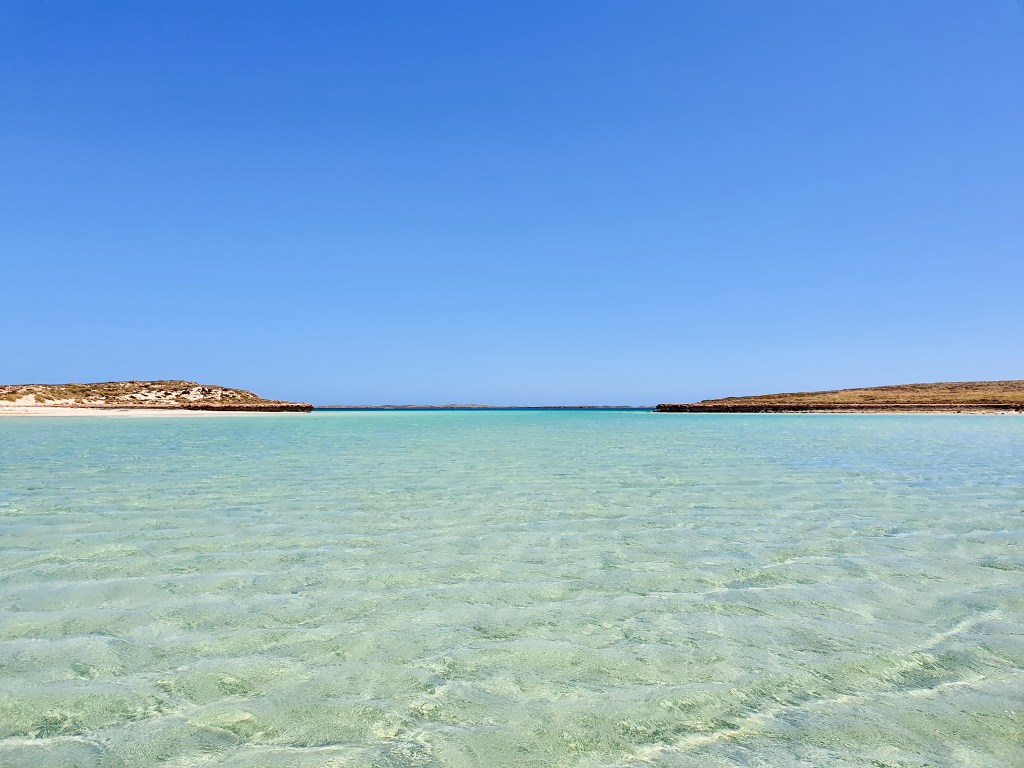
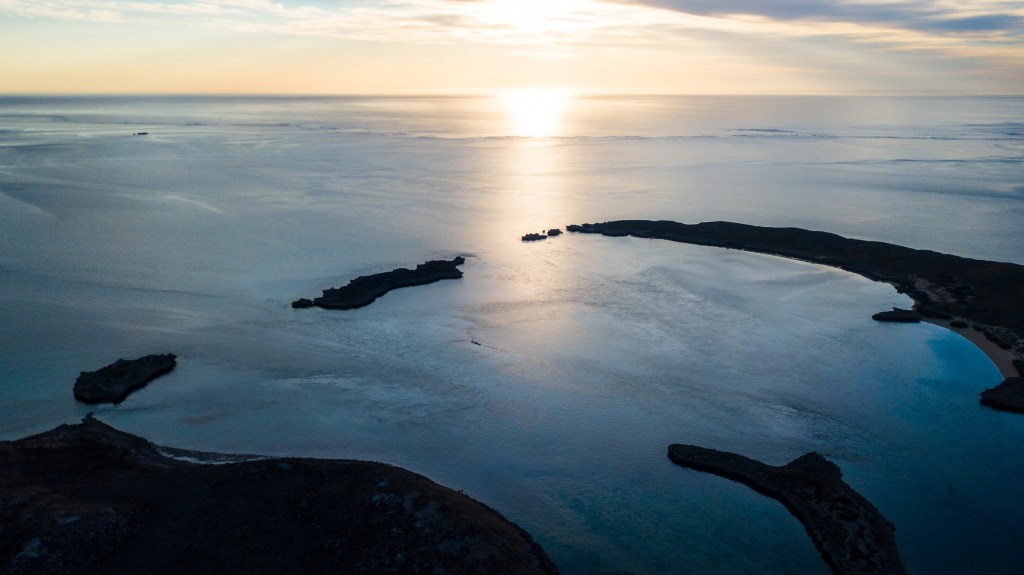
The following morning saw us motoring through the deep North Channel into the maze of islands that is the Montebellos. It is a very beautiful place with vivid coloured water in an endless array of blues; aqua, indigo, turquoise. We couldn’t understand how this lovely place had been chosen as a place to test a weapon of mass destruction. The thought that atomic bombs had been set off here only 65 years ago was quite sobering. There were lots of other boats around; the calm and settled weather that had been forecast for the next few days had obviously appealed to them as much as it had to us.
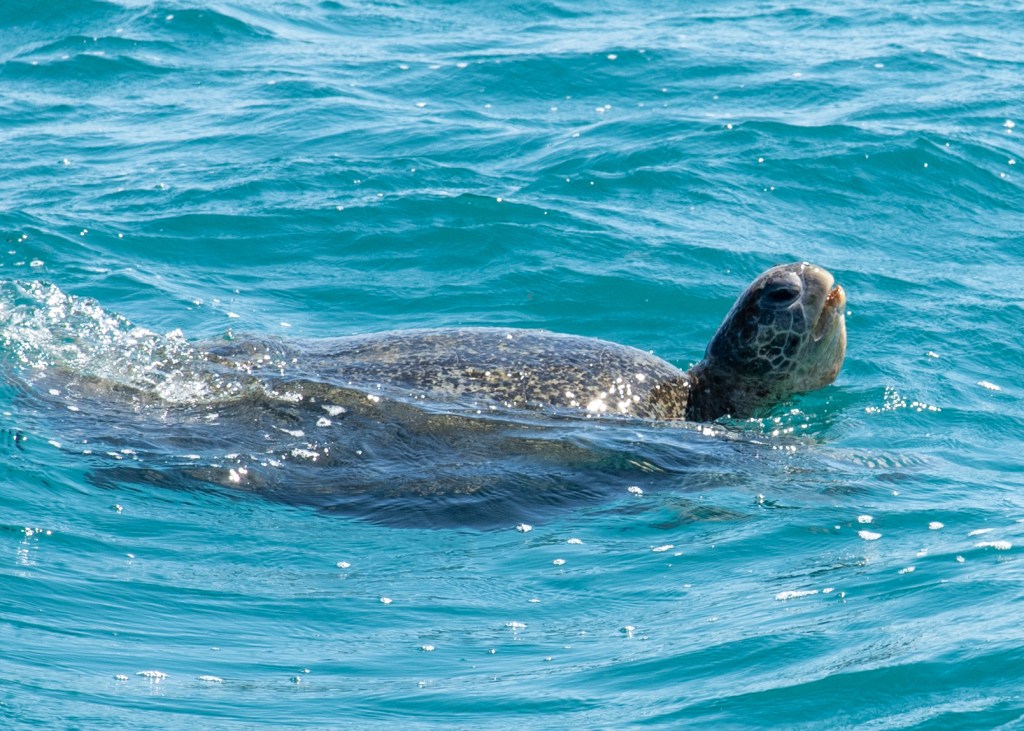
Anchoring near Louis William Lagoon, we cooked bacon and egg wraps for Brian and Sandra after they completed yet another rescue, this time helping the unfortunate crew of Anya to retrieve their runway tender. What a couple! As we sat in the cockpit we spotted a big turtle just near the boat. He was at the surface and didn’t seem worried by us. This is quite unusual and so we looked closer only to discover that there were actually two turtles, one on top of the other. Obviously this guy was much too focused on the job at hand to be concerned by us!
We ventured over to the picturesque lagoon, only to be confronted by a sign warning of a risk of radiation. I decided that the safest place to be was in the water and so we snorkelled all along the edges of the lagoon and out into the channel. It was a wonderful feeling to be swimming again! After an hour or so, however, we were all feeling a bit cold. Seems like we need to reacclimatise to the colder southern waters. Sandra and I vowed we’d be shopping for warmer rashies in Exmouth.
Sandra and Brian were over for dinner on Cool Change that night and I served butter chicken and baked cheesecakes. Just on dusk, as the sun was setting, we were sitting in the cockpit and heard the familiar ‘whoosh’ of air that signals a whale breathing. I did a double take. What the? Could it really be? We were in a passage of water that was only around 300 metres wide. Jumping up, we peered out into the channel to watch as two massive humpback whales swam slowly past us, not more than 100 metres away. Wow!! I had goose bumps. It was one of those rare and incredibly special moments and we were all in awe.
Moving further south the next day, we anchored in Main Bay and did a bit more swimming and snorkelling. Not far from where we anchored was the site of one of the atomic bombs. This first test, in 1952, was a 25 kt atomic bomb that was exploded inside the hull of the HMS Plym, a 1450 ton frigate. The British Government were testing the effects of a ship-smuggled bomb which was a threat of great concern to them at the time.
The ship was anchored 350 metres off the shore of Trimouille Island in 12 metres of water. The explosion occurred 2.7 metres below the water line and left a saucer-shaped crater on the seabed 6 metres deep and 300 metres across. This crater can still be seen today on the echo sounder when a boat is driven over the exact spot. Of course Matt wanted to see if he could find any remains of the ship in the water. He snorkelled around the area we figured the explosion had been in, but didn’t find any debris.
Two further atomic tests were carried out in May and June of 1956 on Alpha and Trimouille Islands. The first test, which was detonated off a tower on Trimouille Island had a yield of 15kt. The second bomb, detonated off Alpha Island, was supposed to have a yield of 60 kt, but was in fact 98 kt. Even today, slightly elevated radiation levels still occur at the test sites on Trimouille and Alpha Islands, so visitors are advised to limit their time ashore to one hour per day and not to disturb soil or handle any of the relics associated with the tests.
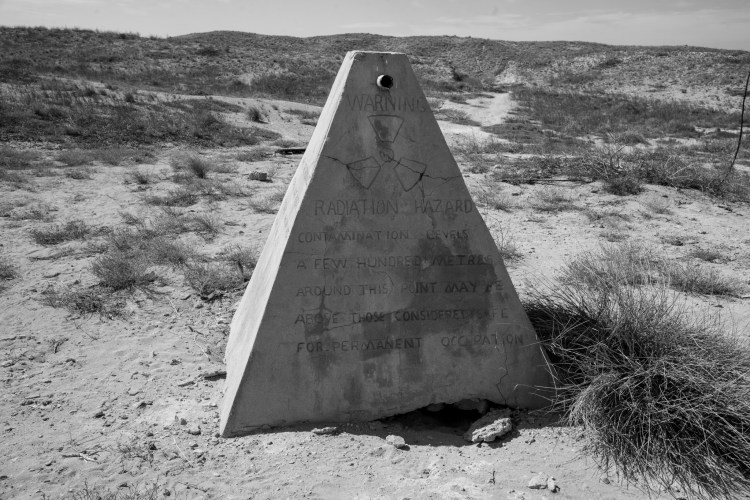
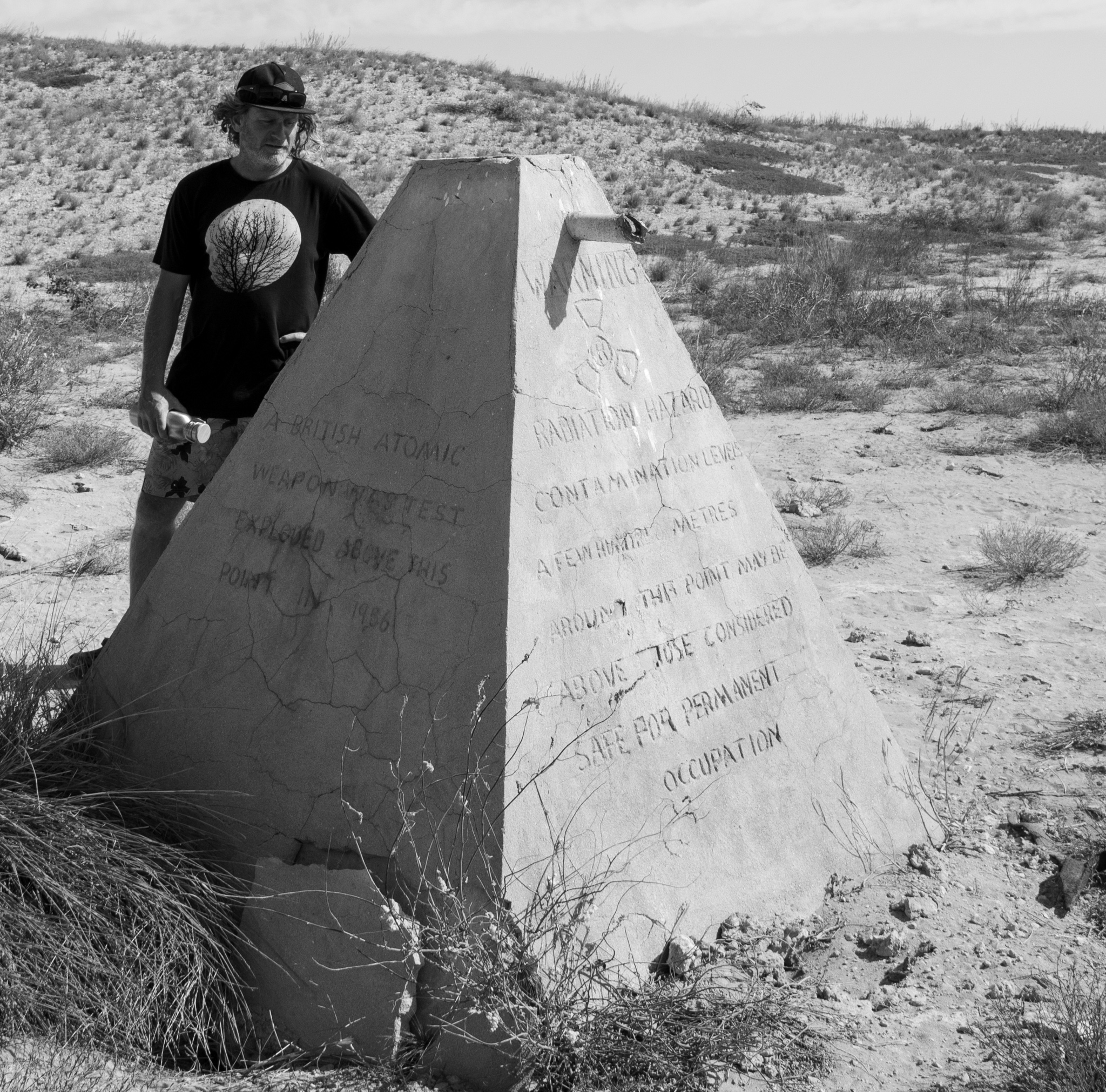
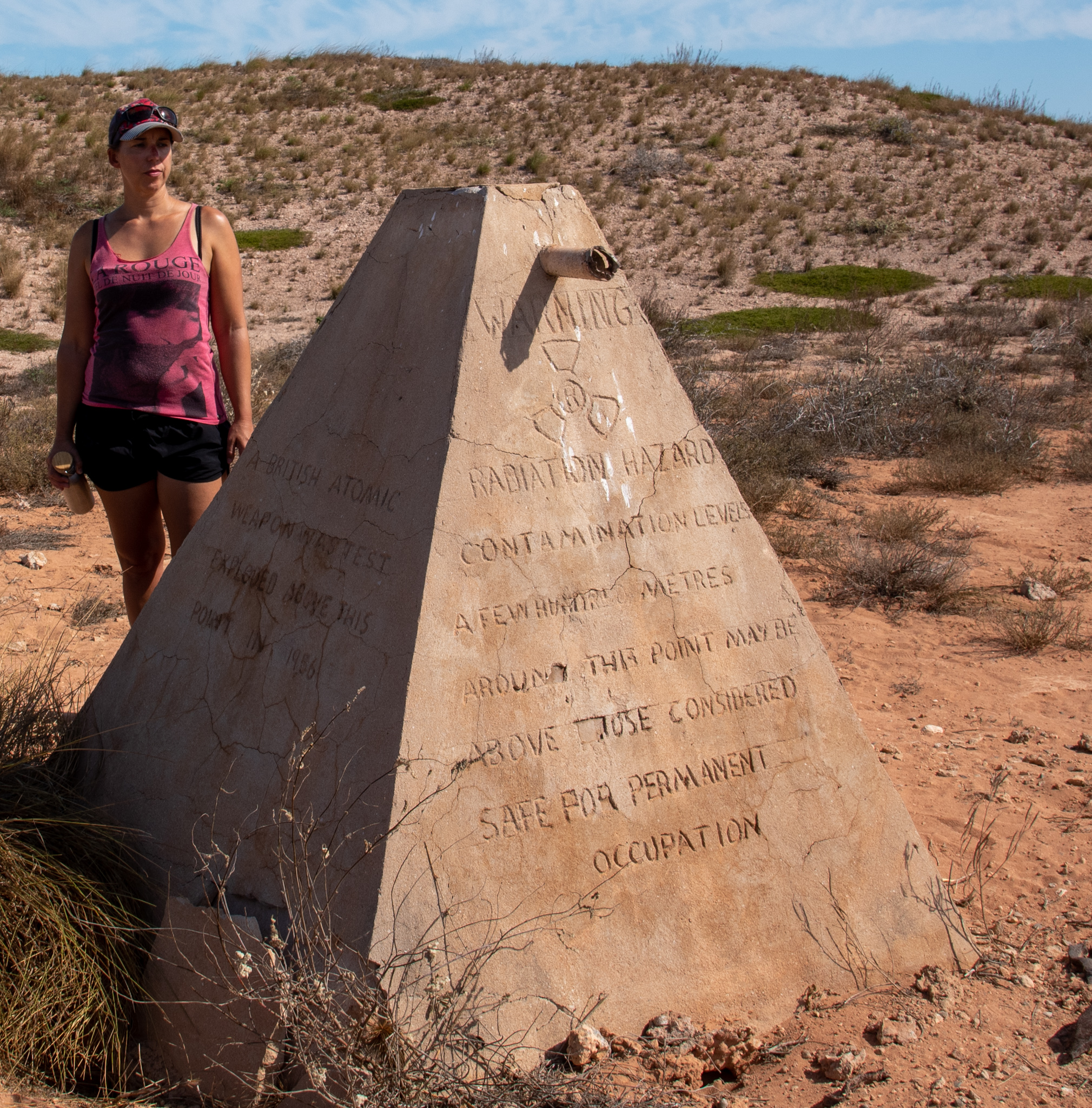
We went to the bomb site on Alpha Island, and although neither of us knew what to expect, we were still somewhat surprised by what we saw. When you are greeted by a sign proclaiming ‘Radiation Risk Area’ as we were here, and also at the lagoon we’d visited earlier, I think you have an expectation that there will be destruction and devastation, a dearth of life, or maybe even a whopping big singe mark!
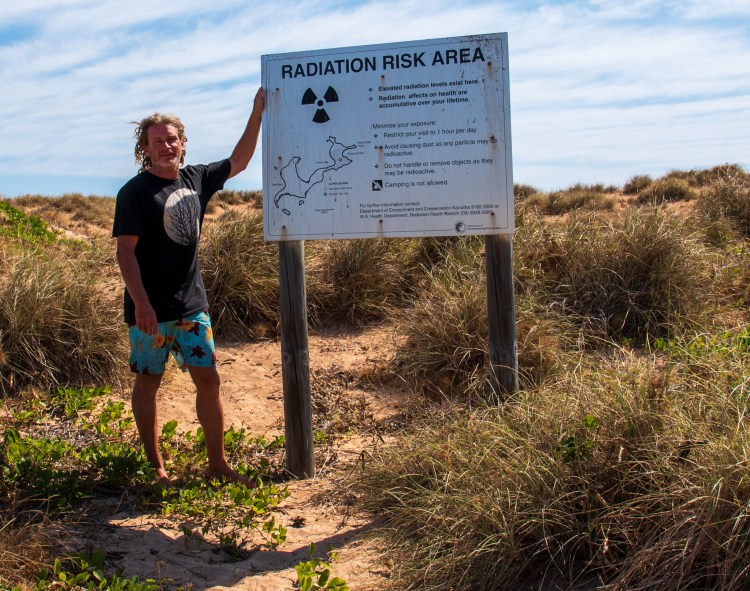
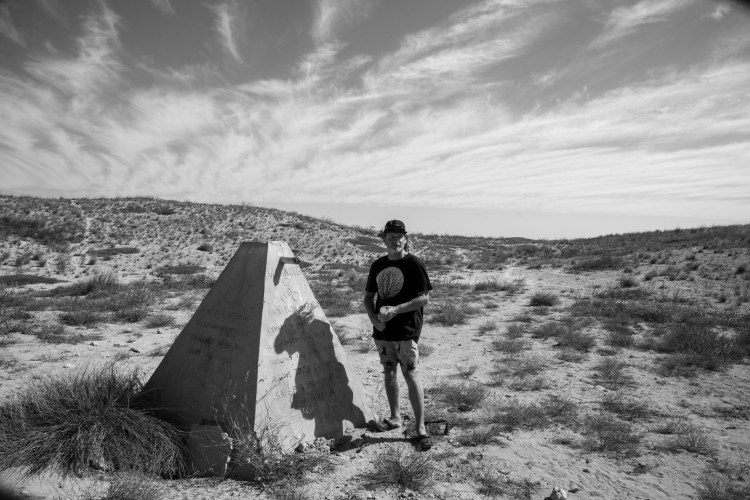
But we saw none of that. The island looked just like all the other islands around it and also like countless others we’d seen over the past few months. Low lying, with scrubby vegetation and some relics of machinery and buildings lying around. It was actually very pretty in a stark kind of way, surrounded by incredible coloured water of aqua, turquoise and indigo.
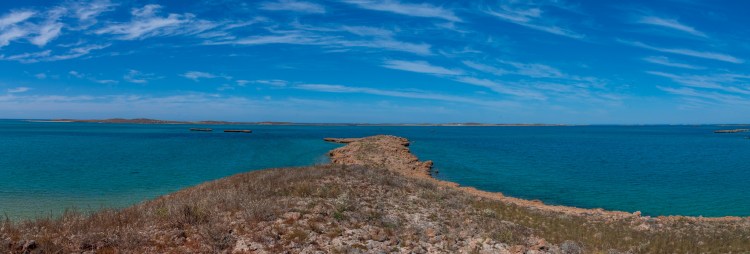
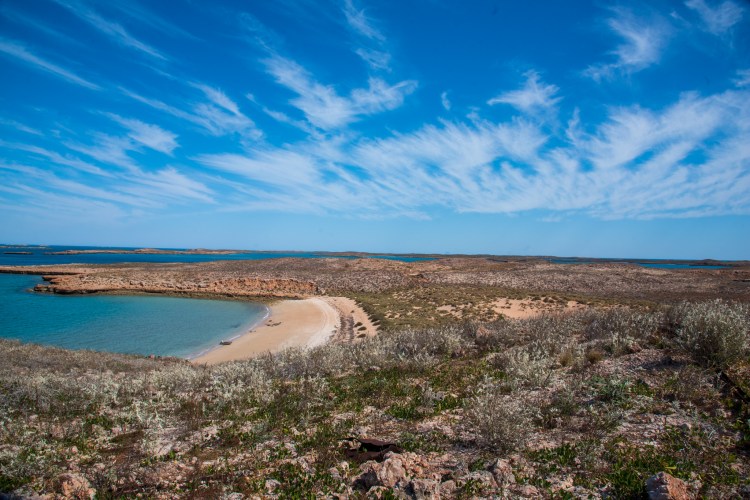
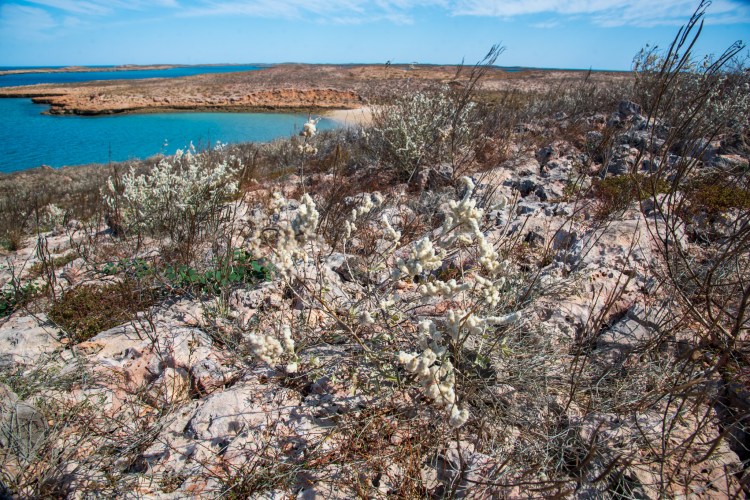
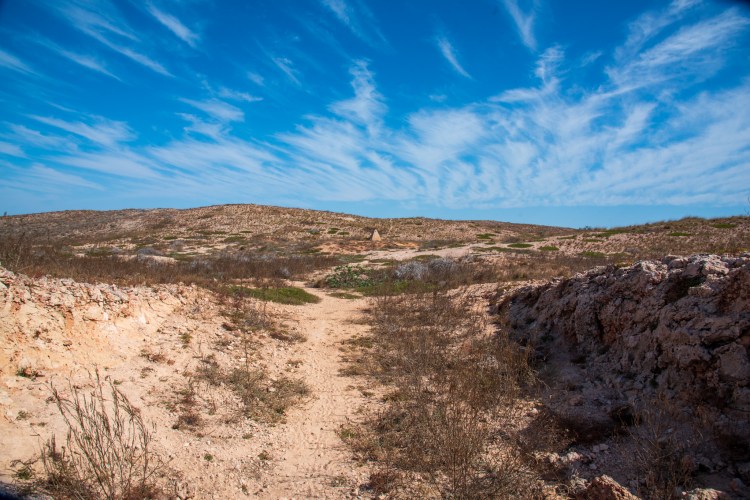
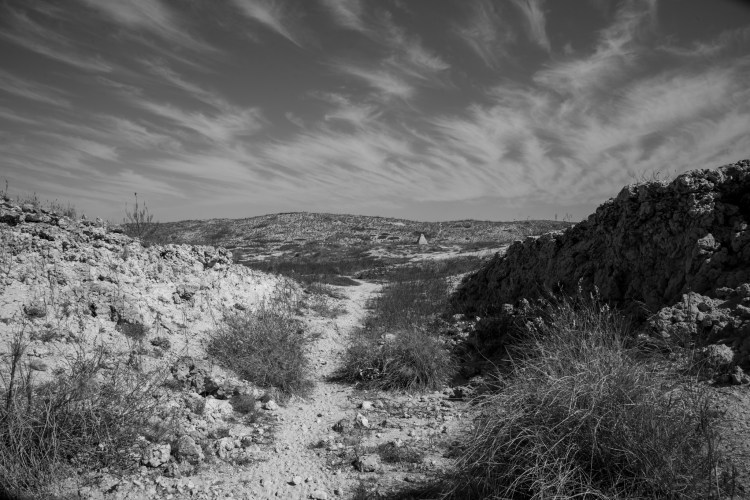
It wasn’t until we spotted a plinth in a little clearing that we realised we had found the site. As we walked along the narrow path and into the little valley, the high walls momentarily made the sound of the wind disappear and all of a sudden it was silent and eerie. Gingerly walking around the large stone marker, we read the inscription stating that ‘radiation contamination levels a few hundred metres around the plinth may be above those considered safe for permanent occupation.’
Ok, got it. We shook our heads as we wondered how on earth it ever seemed like a good idea to let off a nuclear weapon in this beautiful, remote place. What on earth was our Government thinking to agree to this. The other thing we were marvelling at was how you just wouldn’t know that such a thing had happened here, not without the warning signs and the monument. It was pretty strange.
Still, we didn’t linger long and were back in our tinny, heading home to Cool Change, long before our ‘safe’ hour of exposure was up.
We moved around to join Sealeaf between Crocus and Hermite Islands and Matt sent the drone up to get some great photos of the maze of islands from above.
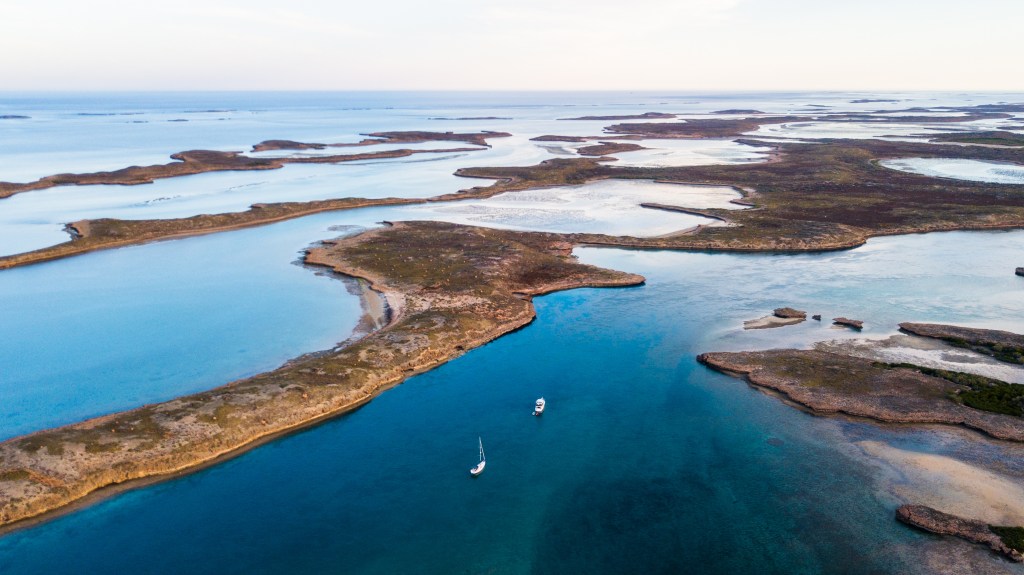
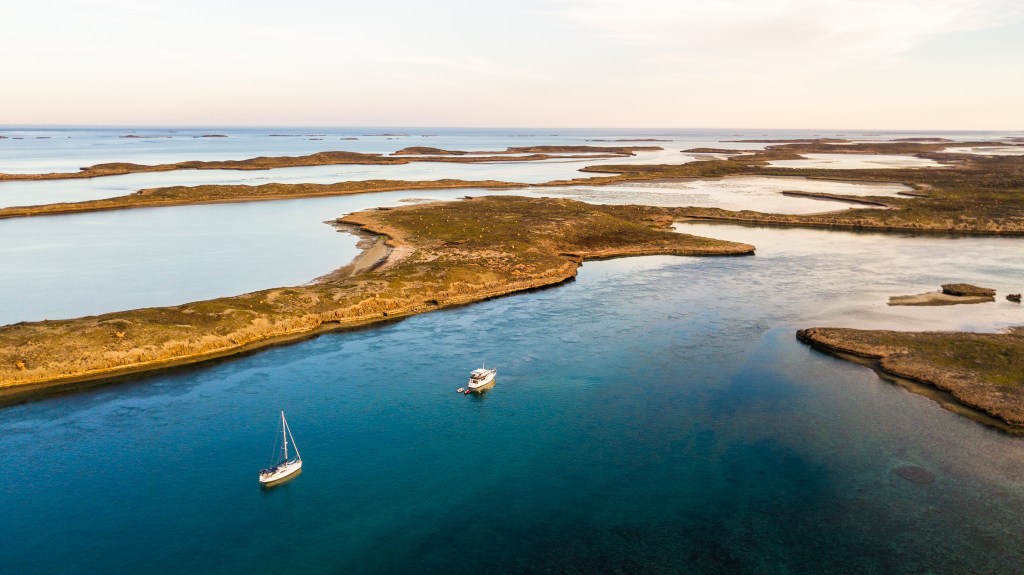
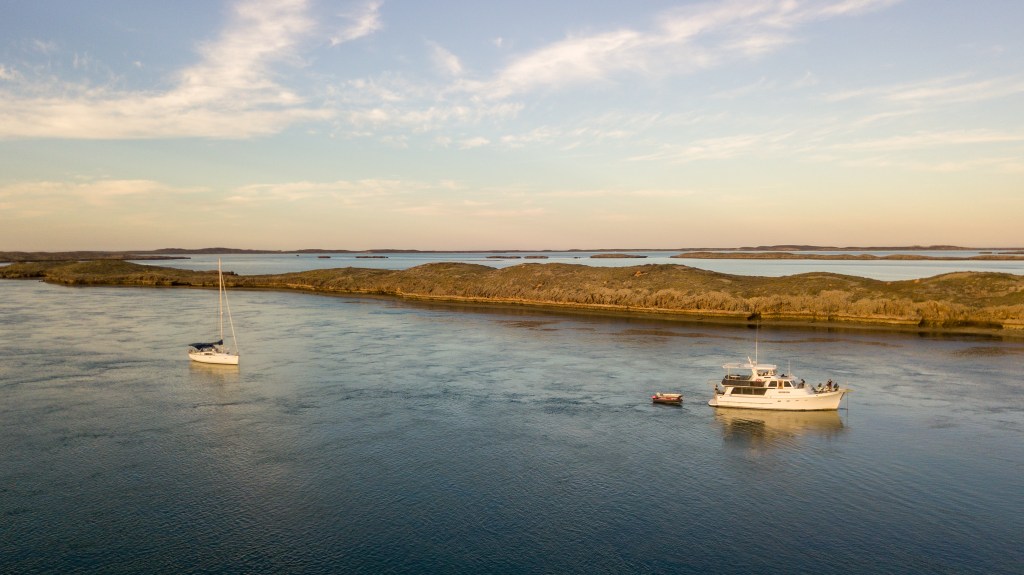
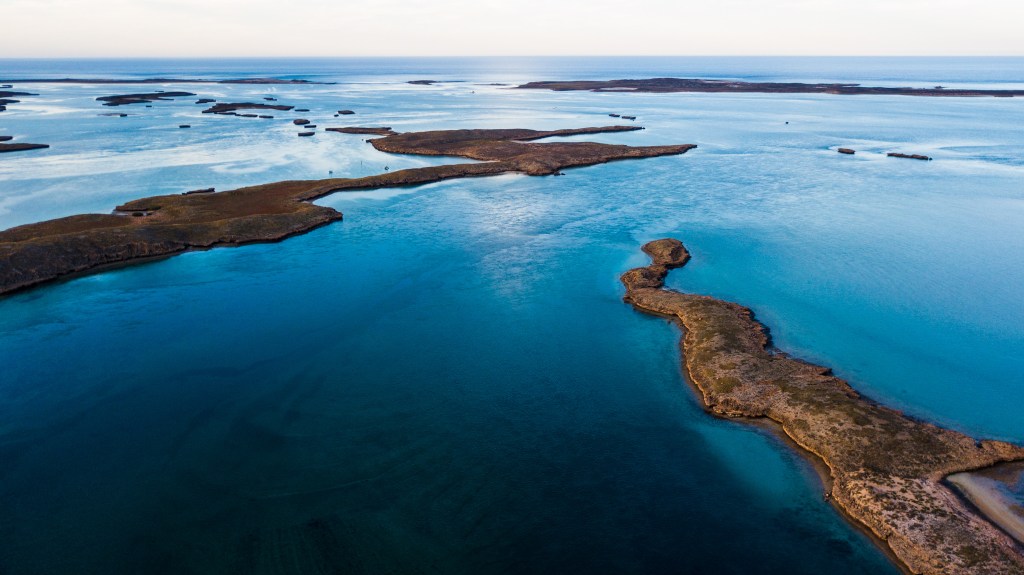
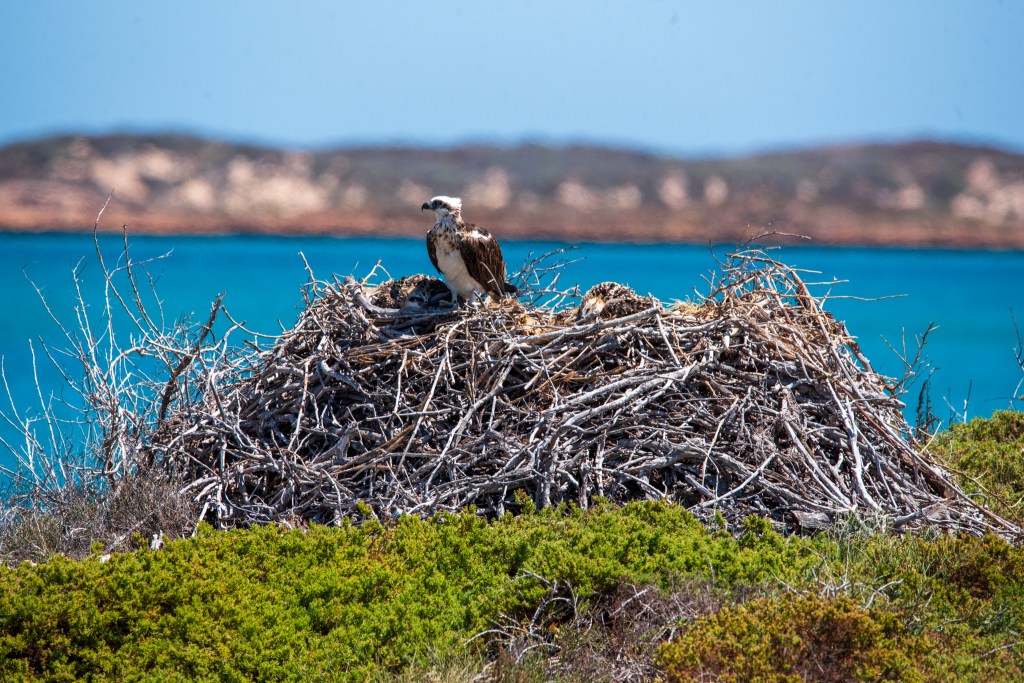
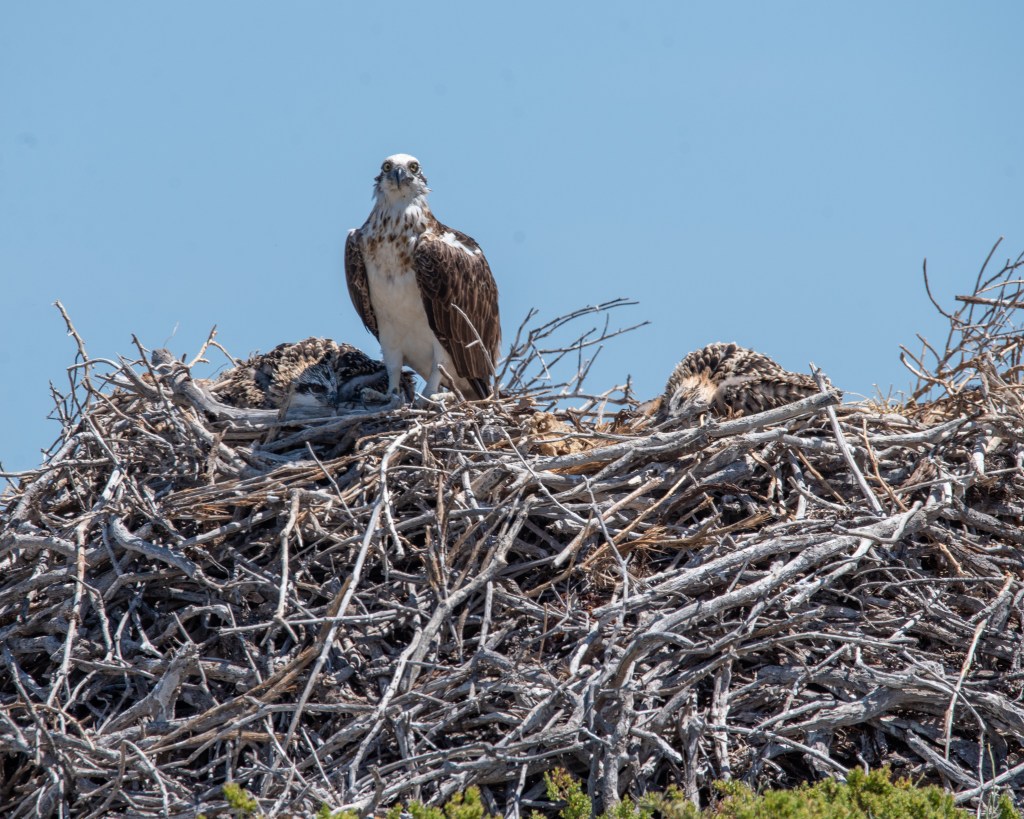
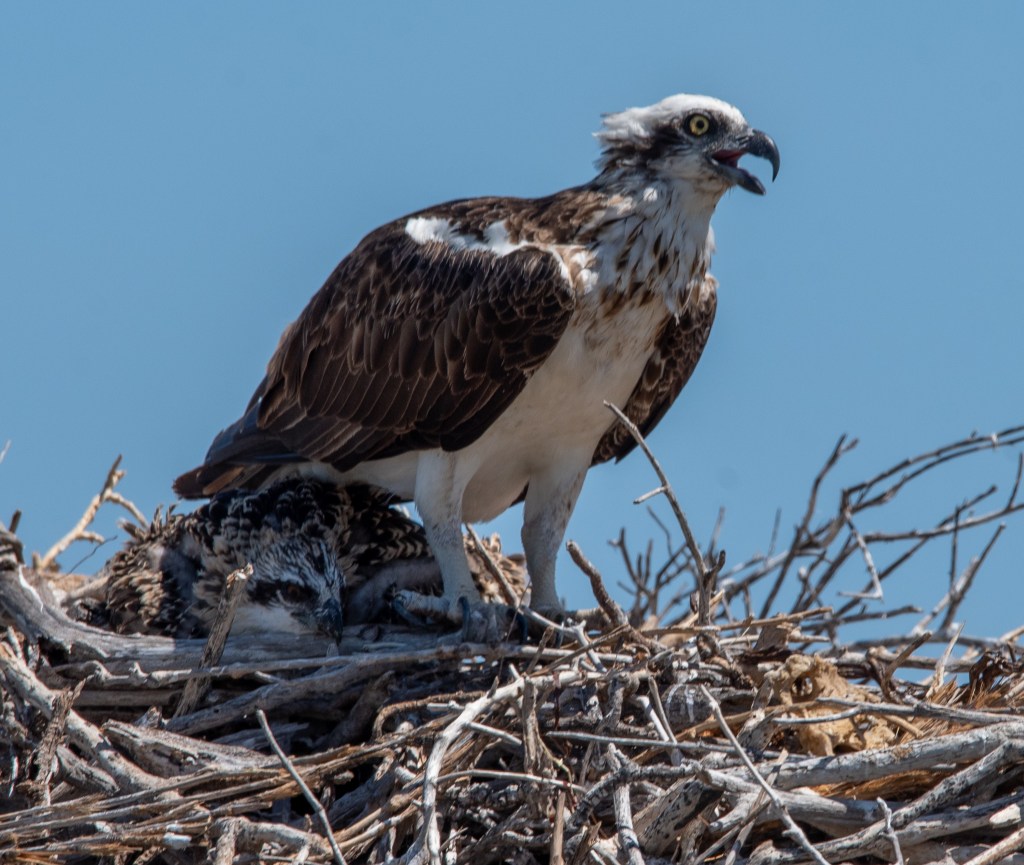
Just south of our anchorage was Turtle Lagoon, with a huge osprey nest perched at the entrance. Matt managed to get pretty close, and with his long camera lens could see the two chicks in the nest, being guarded by their very protective parent.
There was some good coral along the edge of Hermite Island with lots of colourful fish, many that were familiar to us from the Great Barrier Reef, but some that were new and different too. Brian borrowed Matt’s spear gun and caught us dinner; two beautiful coral trout that we cooked up for a delicious, fresh dinner that night.
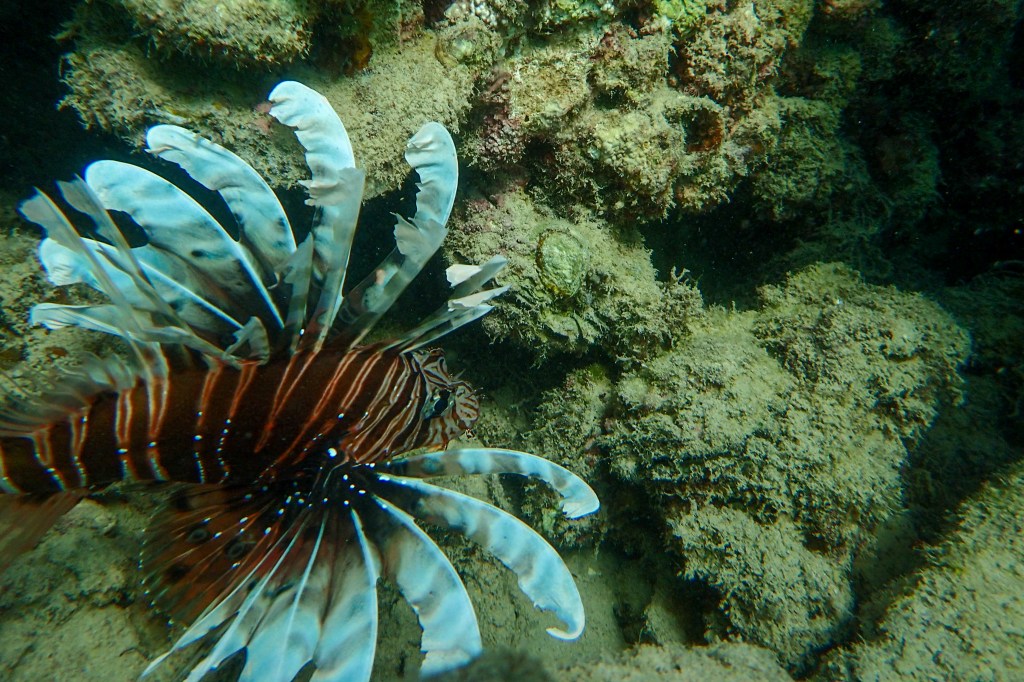
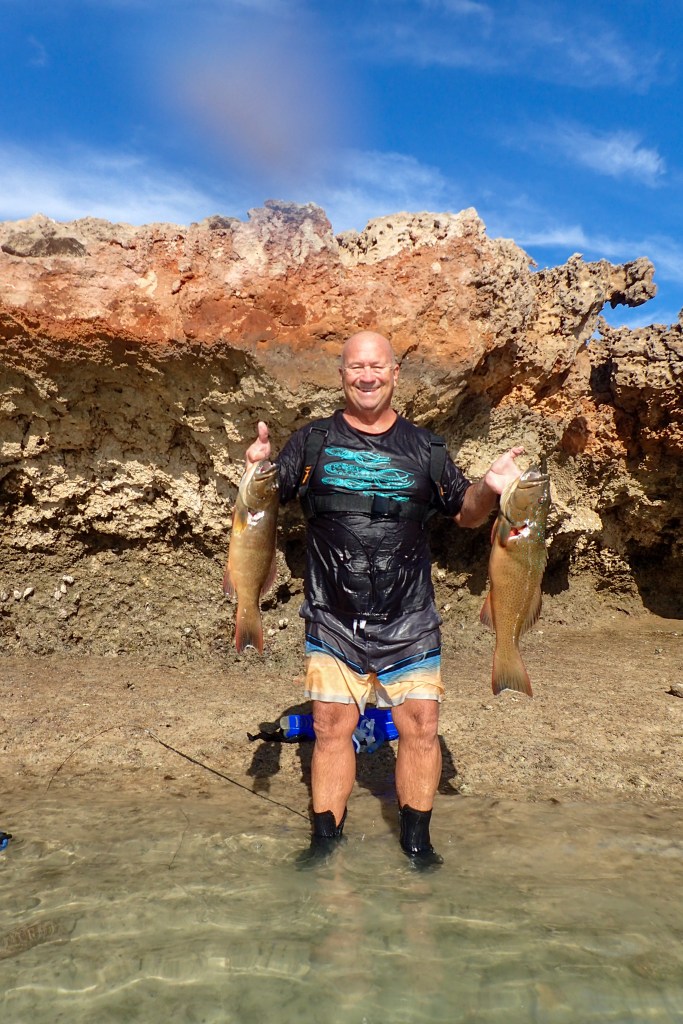
What an interesting place was the Montebellos. We had spent five nights in amongst the maze of beautiful, yet stark islands. We had explored the amazingly coloured and crystal clear waters, discovering the hidden underwater world of the coral reefs. We had witnessed some thought provoking history and watched as whales and turtles swam calmly past us.
It was now time to turn our sights to ‘civilisation.’ Exmouth Marina and all the facilities and services of a town were calling to us. We would be doing an overnight passage to get there, with just one more stop along the way, where I hoped to find some mating and nesting sea turtles. But that’s a story for another blog.
You can cut all the flowers but you cannot keep Spring from coming.
Pablo Neruda
 Cool Change