Our trip home was one of mixed emotions. Both of us were absolutely busting to see our family and friends. I couldn’t believe how excited I was. And what a wonderful time we had! The absolute joy of hugging my niece and nephews, of squeezing them tight and seeing how they’d grown. Meeting Matt’s new nephew, Freddy, who was now six months old, for the first time. Reunions with close friends, of falling back into familiar and comfortable friendship. There is nothing like it. I was in and out, buzzing here and there, seeing as many people as I could.
After we’d been home for about a week and a half, everything changed. Matt’s mum, Anne, had a stroke. A bleed on the brain that left her with paralysis of her left arm and leg. It was a devastating time for Matt’s family. It was scary. We were worried and anxious. Upset and confused. The doctors couldn’t give any kind of guarantees. Covid restrictions meant that Anne couldn’t have visitors, but eventually Matt’s dad, Graeme and then Matt and his brother, Trevor, were allowed in to see her. I can only imagine how comforting it was for Anne to have Graeme and her boys around her. It was an incredibly challenging time for everyone.
As I write this, Anne has been in rehab for several weeks and is making astoundingly positive progress. Not just good, said the doctor, but excellent. It looks as if she will be home much earlier than the original three months suggested. Anne has shown incredible bravery and determination, and her sense of humour has never wavered. The brain is an incredible organ, capable of amazing things, and Anne is proving this in spades. Her hard work, positive attitude and determination continue to lead to huge gains in her healing. We are so proud of her.
We postponed our flights and stayed in Melbourne a little longer. When Anne was stable and being moved to rehab, we flew back to Port Lincoln. We originally had a tour booked for our return; cage diving with great white sharks. But when I rang to change the date, I was informed that the sharks hadn’t been seen in some weeks. If we went now, there was a strong likelihood that we wouldn’t see sharks, and so we opted to put our tour on hold. It was a lot of money to spend if all we did was go on a boat trip and swim with sea lions – we could do that from our own boat!
Once we were back on the boat in Port Lincoln, we weren’t really in the right frame of mind for sightseeing. Instead, we readied the boat and headed straight out of the marina. Our first stop was Tumby Bay, which had been recommended to us by our taxi driver; she mentioned there are said to be leafy seadragons living underneath the pier there.
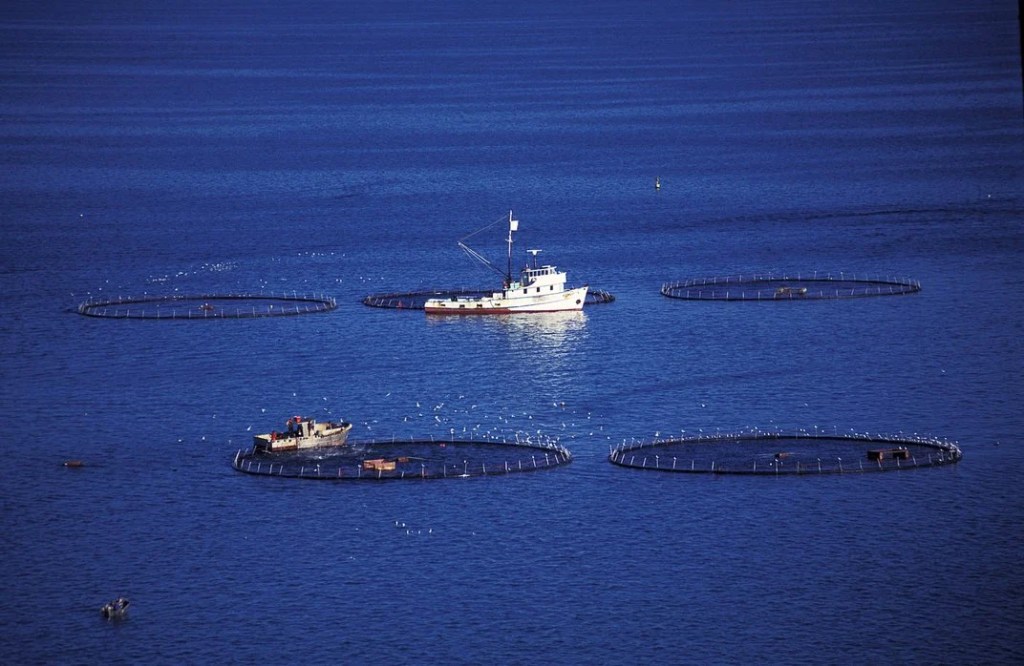
We motored out of the marina and then set our sails. The waters around Port Lincoln are full of these huge floating fish farms that we had to dodge. We had been warned about these by several of the local yachties. Don’t try and cut through them, they said, make sure you go around. It meant we had to weave our way out of the harbour, tacking back and forth on a rambling route until we had safely passed them all. The water was pretty choppy and I felt a bit off.
I found out later that Lincoln Cove marina is home to the largest fishing fleet in the southern hemisphere, and is reported to have the most millionaires per capita in the country. Although well known for abalone, mussels and oysters, it is most famous for the southern bluefin tuna. Most of the tuna ends up in Japan, where a single tuna, later transformed into as many as 10,000 pieces of sushi, can sell for $2,500 at Tokyo’s Tsukiji Market. Maybe we shouldn’t have released that tuna Matt caught!!
It is these bluefin tuna that are farmed in the pens. The wild juvenile tuna are captured between December and March in their spawning grounds with a weighted fishing net and then slowly towed to the pens in the Spencer Gulf, where they are fattened up on a steady diet of high-fat sardines for the next three to six months. A single pen full of tuna (around 2,200 to 3,500 fish) can net upward of $2 million. No wonder there are so many rich fisherman in Port Lincoln!
After a few hours, we reached Tumby Bay uneventfully and dropped anchor in the calm bay next to the pier. Although the winds were very light, there was an annoying wave rolling into the bay and setting Cool Change rocking. So after a very uncomfortable night we were up early and headed to shore, for coffee from the café and a walk along the jetty. Having confirmed with the local café owner, that yes, there are supposed to be leafy seadragons under the jetty, we packed up our snorkelling gear and took the tender over to the jetty. Matt jumped in and began looking, but some locals started chatting to me and I never made it out of the tender. After a while, Matt reported back that he couldn’t see any leafies and that it was cold! So we abandoned our attempt, and back on the yacht we raised anchor straight away and got the hell out of there. I was done with the rolling!
With not a breath of wind and incredibly smooth seas, we motored out to the Sir Joseph Banks Group of islands. This was said to be the jewel in the crown of South Australian sailing so we were pretty keen to check it out. And we weren’t disappointed.
We dropped anchor in Moreton Bay on the north of Reevesby Island. The bay was deserted and we soaked up the beauty of the isolated beach, all stark whites and blues. After a short walk along the white sand, we decided to move to the anchorage slightly south for the night.
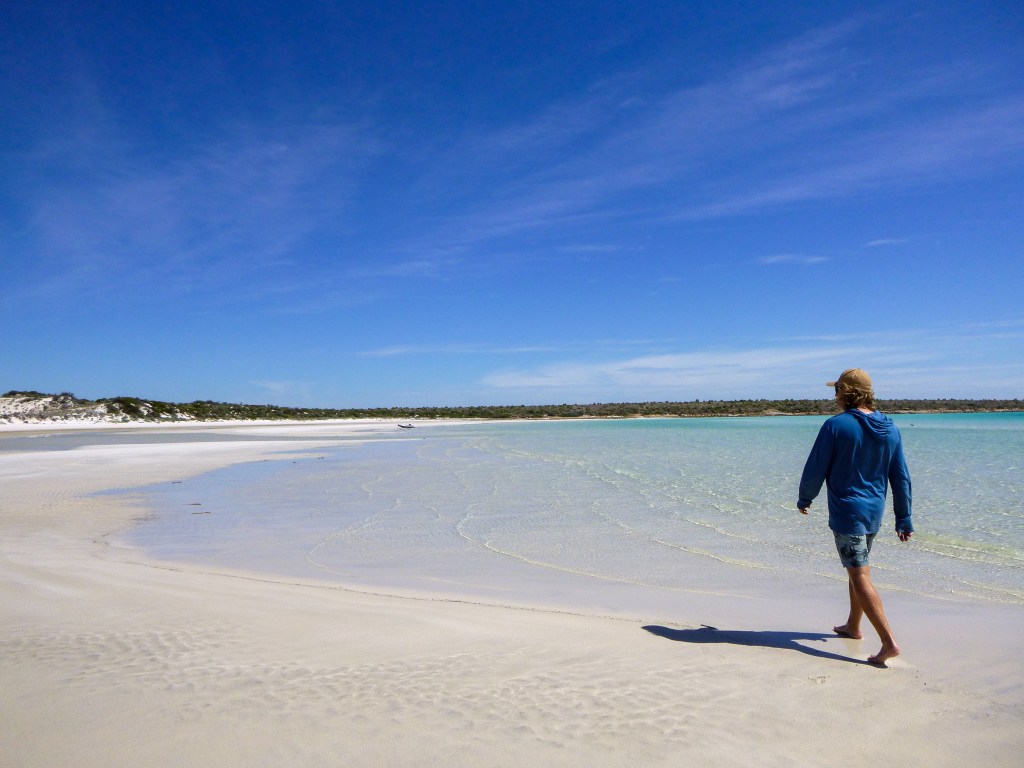
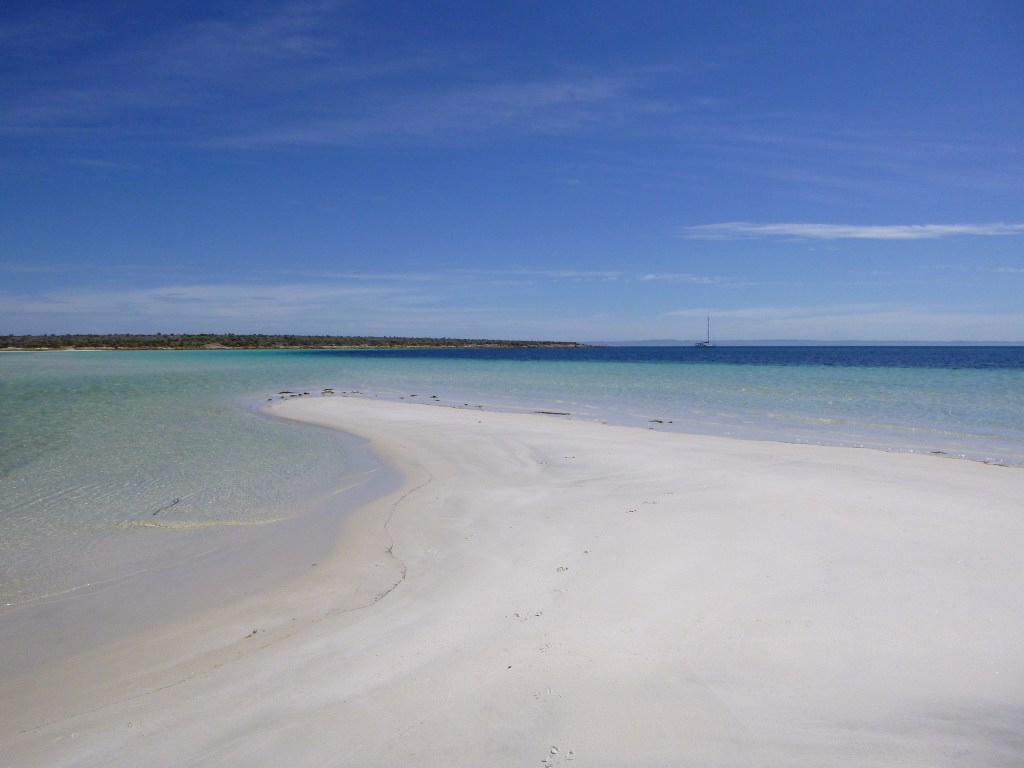
Motoring down Reevesby Island, we stopped at the very sheltered Home Bay (known locally as The Lagoon). The anchorage was calm and flat, and the boat was blissfully still. There was a heap of other boats already in the anchorage, but every single one left the following morning, leaving us all alone to enjoy the beautiful island.
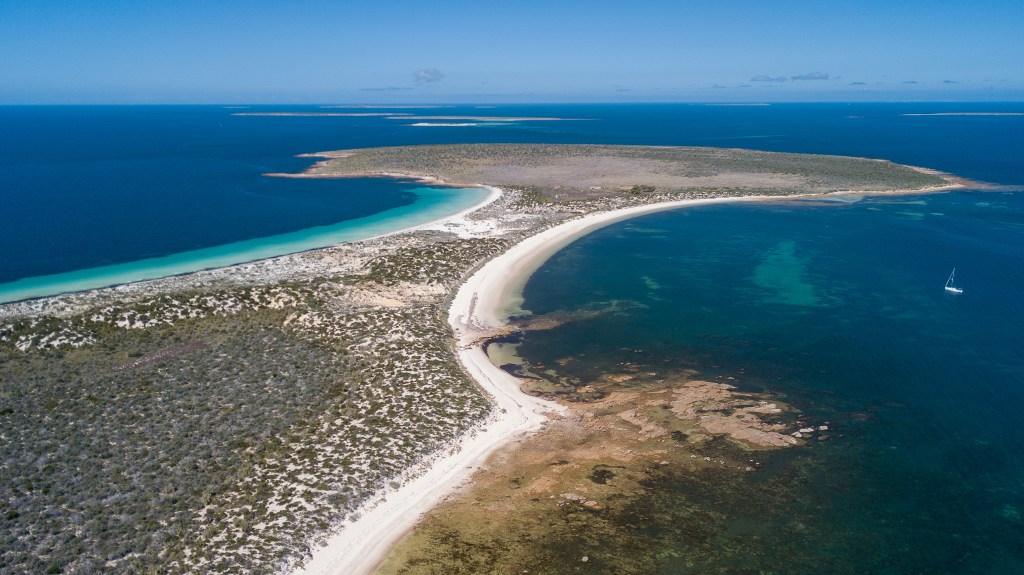
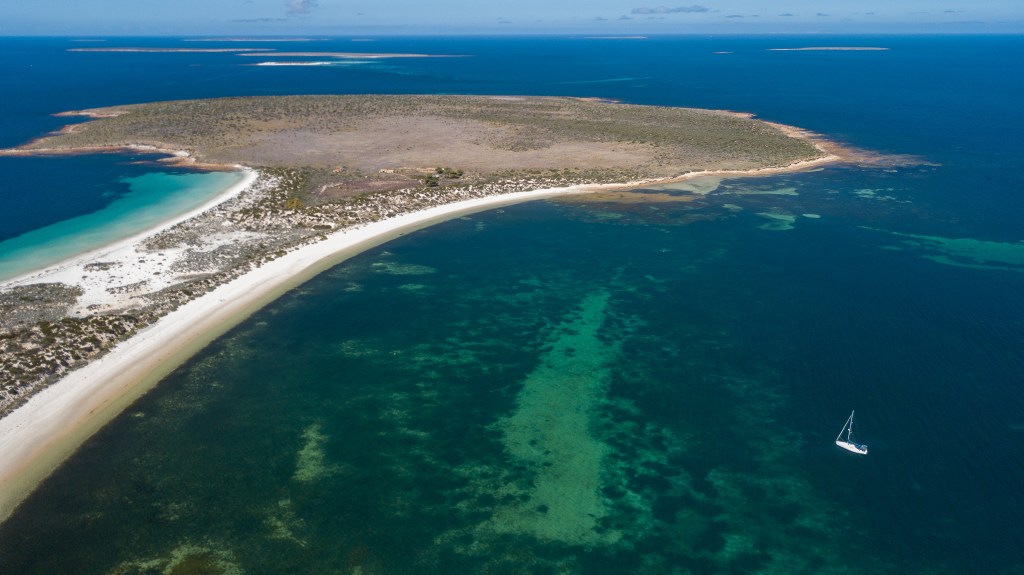
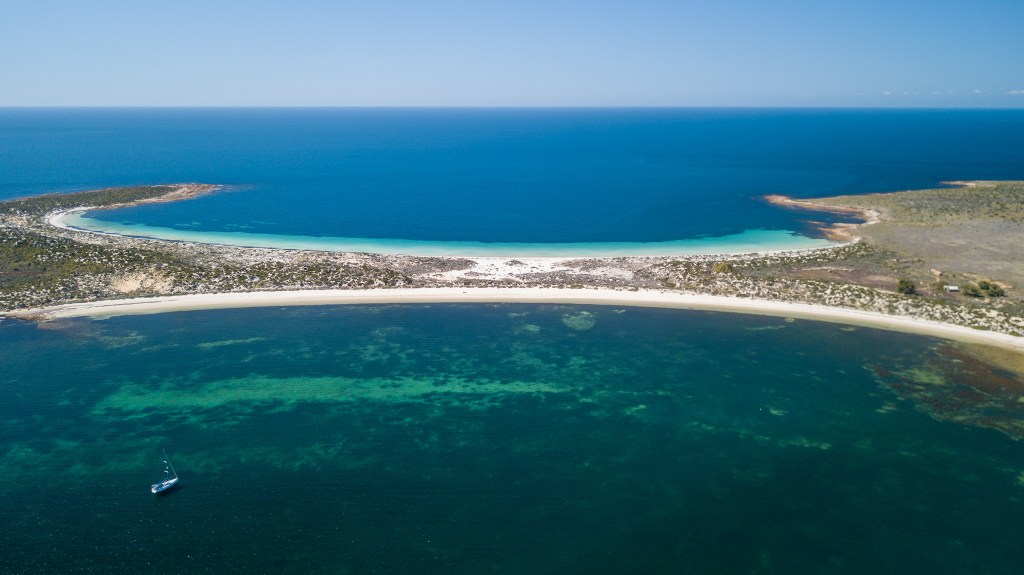
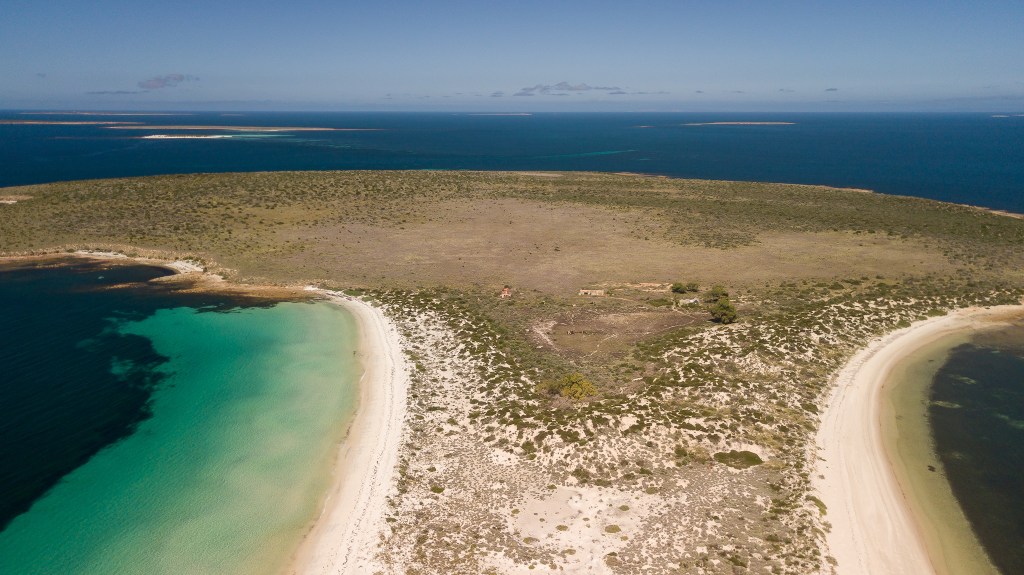
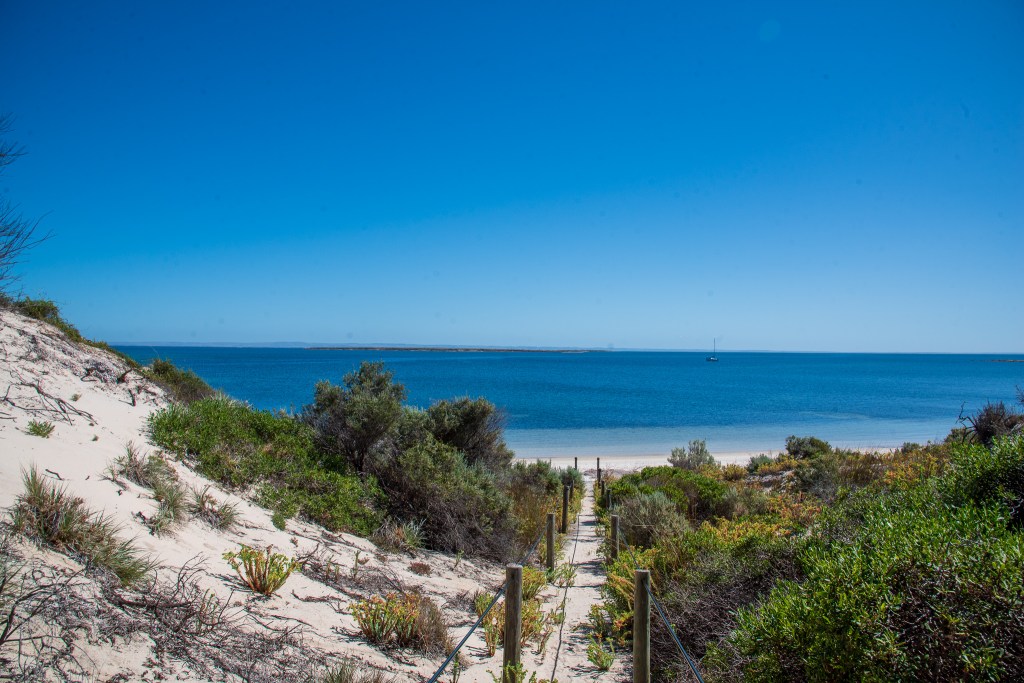
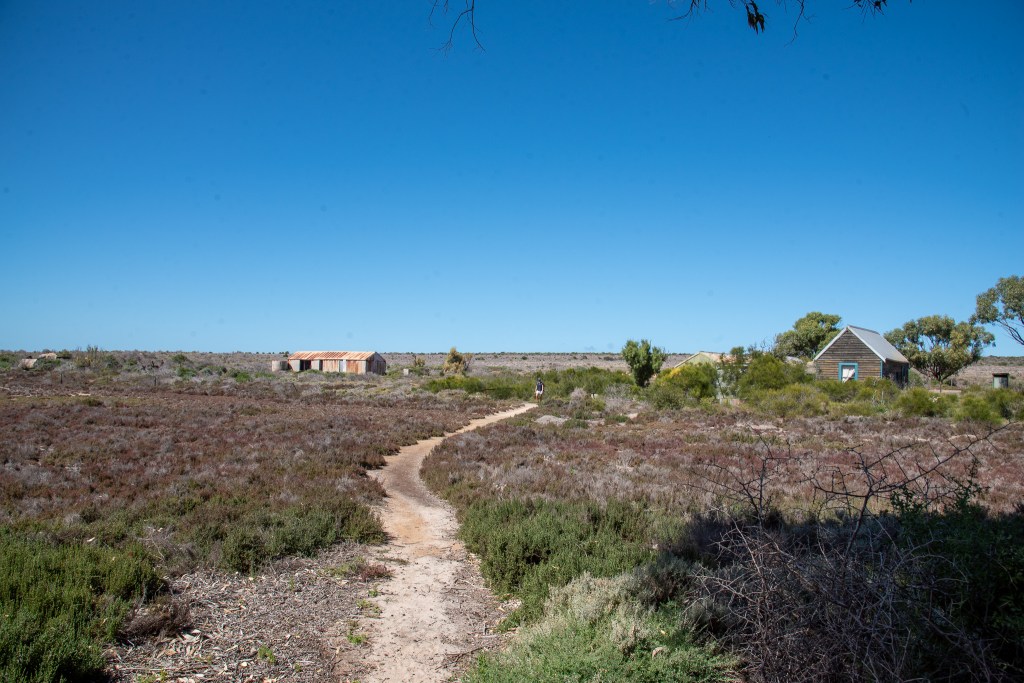
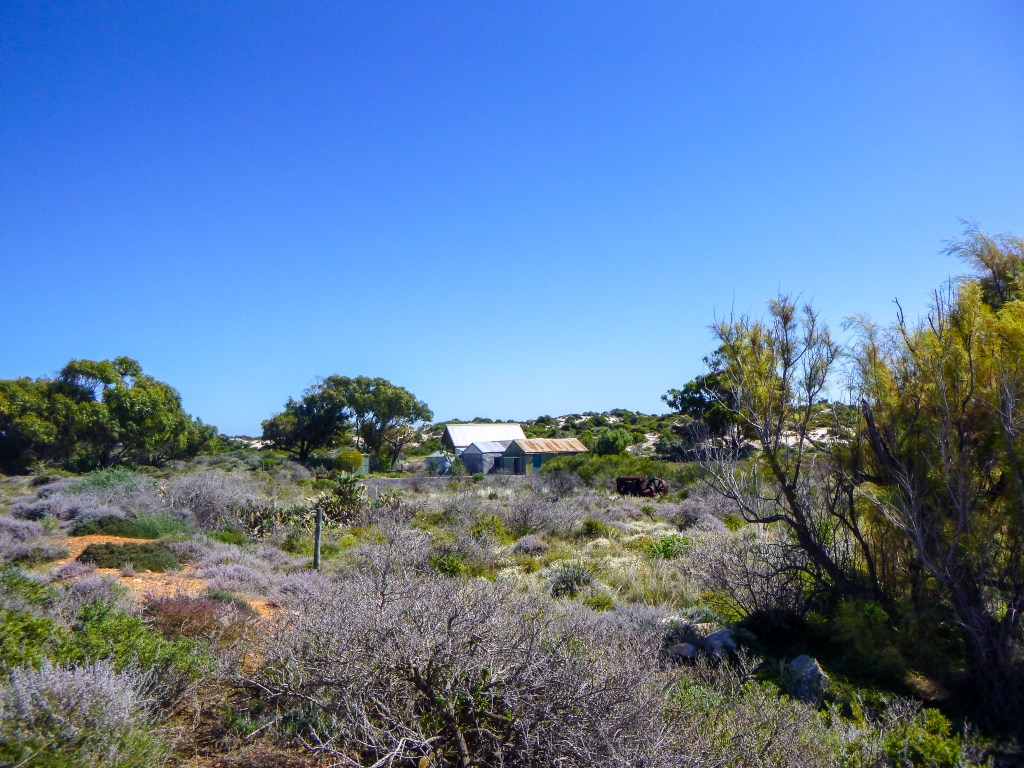
The following day we jumped in the tender and headed to shore. Another long expanse of pure white sand greeted us. It was sunny and warm, and with no wind at all, it was an absolutely spectacular day. Wandering along the beach, we came across the inland track and made our way to the old homestead.
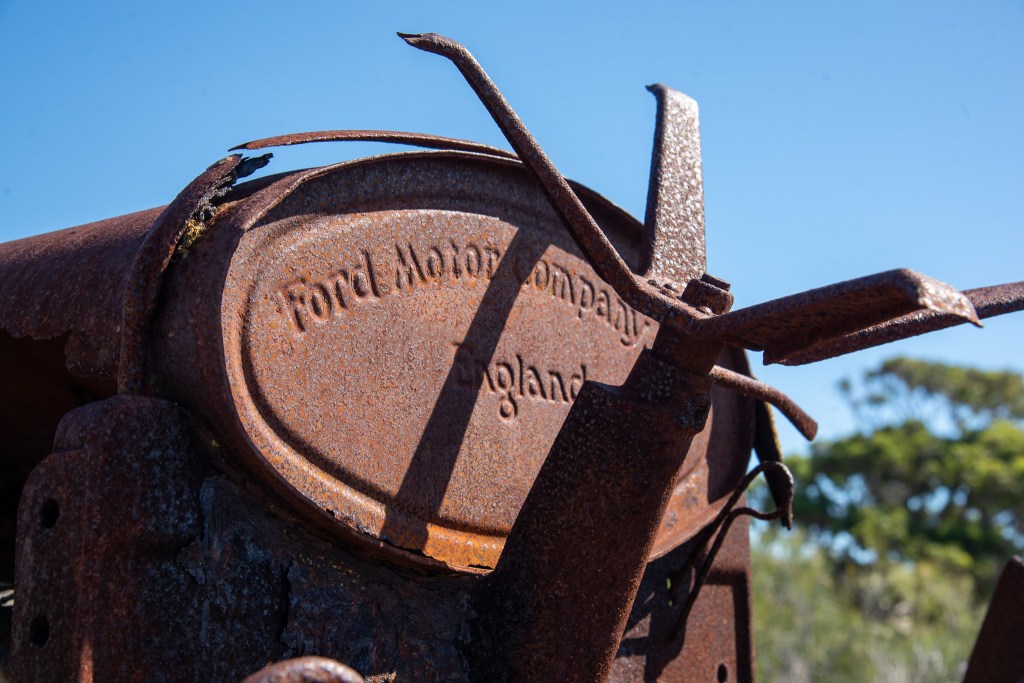
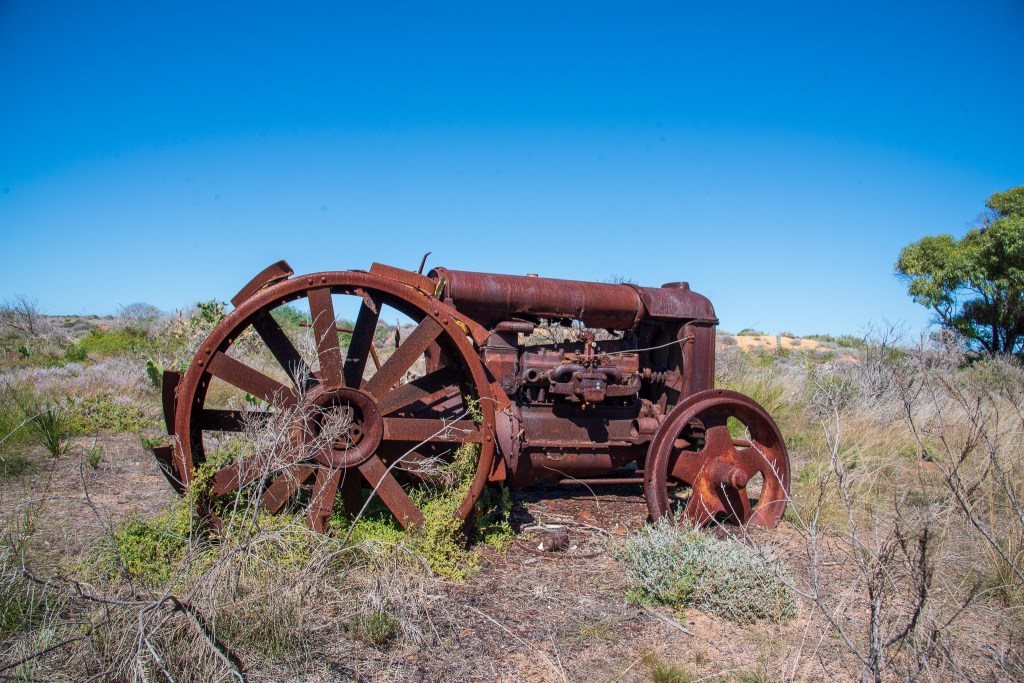
A group of volunteers, known as the Friends of Reevesby Island have been working to restore the homestead and the old buildings and machinery surrounding it. The locals I had met in Tumby Bay were part of this group and had told me about their efforts, so it was interesting to see their work. They had also warned me about the presence of tiger snakes and death adders, so I made sure I put my hiking boots on, although Matt wasn’t as concerned.
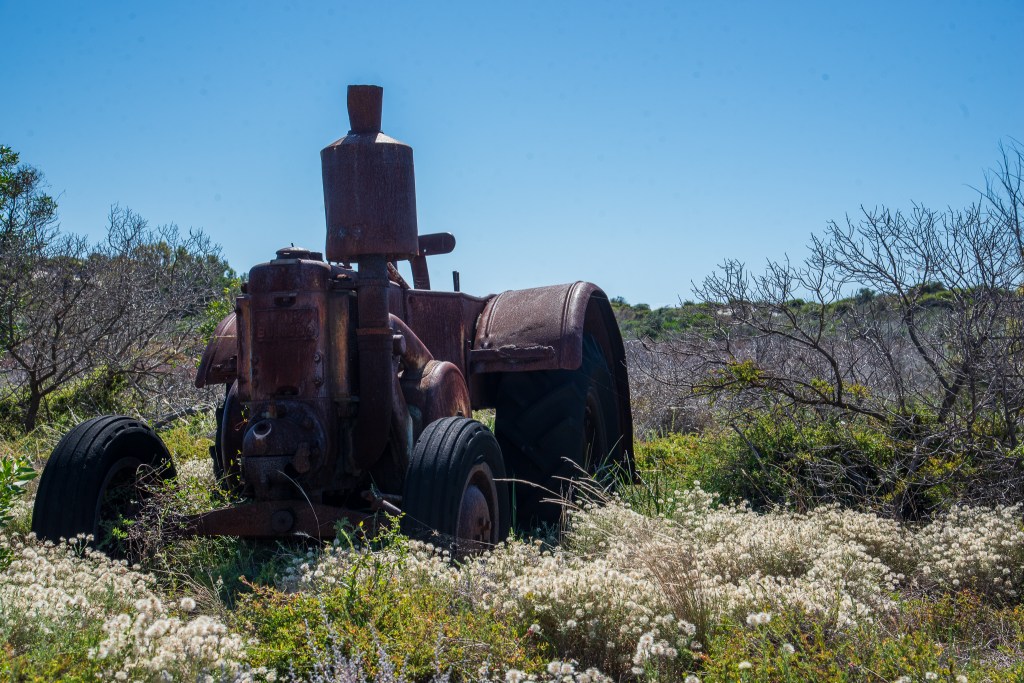
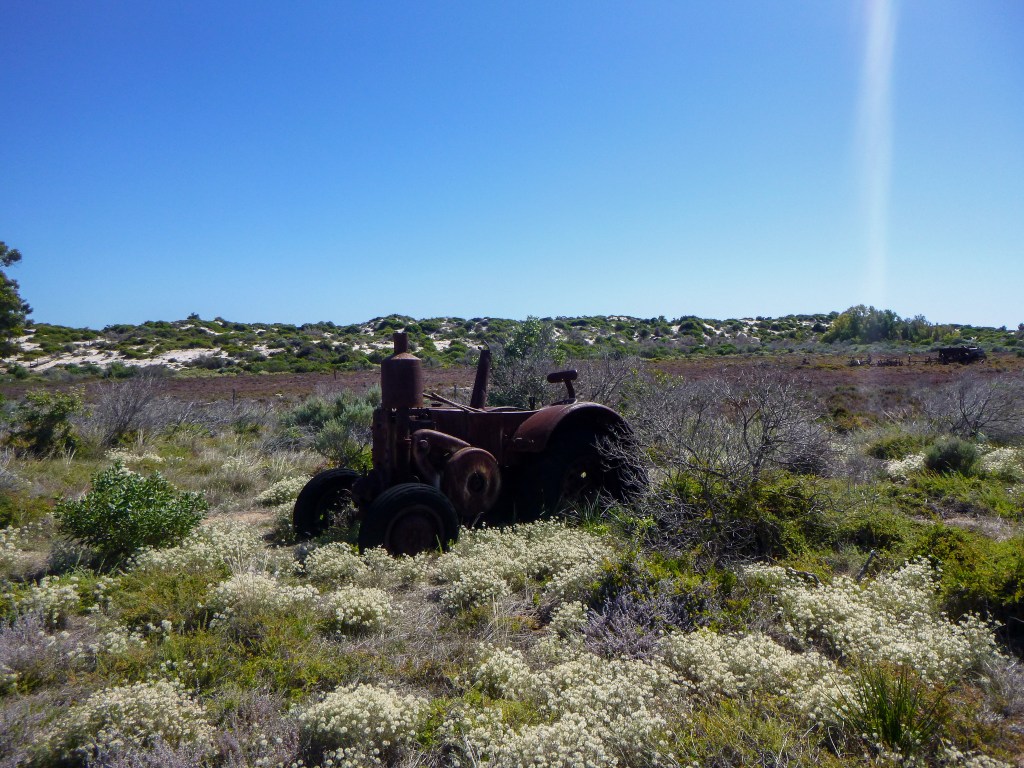
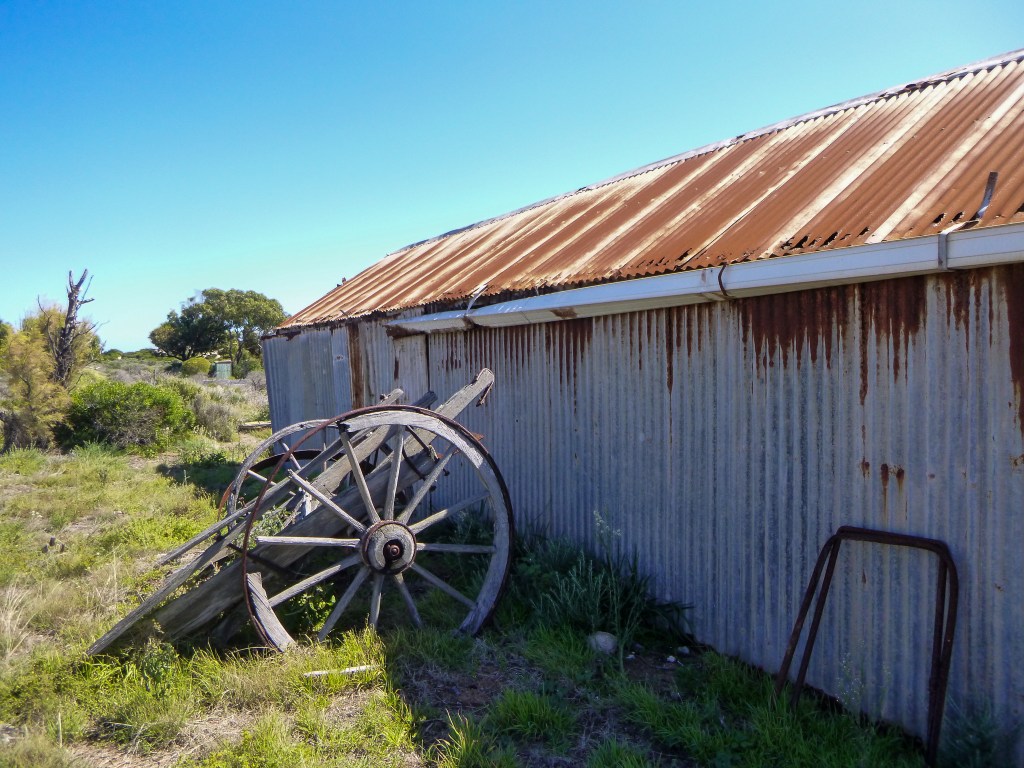
Returning to the yacht, we decided to make the most of the calm weather and go in search of the sea lions that we’d been told inhabitated nearby islands. We were hoping to be able to have a swim with them and Blythe Island had been recommended to us by several locals as a safe place.
Approaching Blythe Island, we had the binoculars out, searching for any sight of the sea lions. It wasn’t looking good, the island seemed to be deserted. Shaking our heads in disappointment, we kept moving closer, while still keeping a hopeful eye out. Just as I was resigning myself to the fact that we weren’t going to find them, Matt suddenly exclaimed, ‘There! That’s a sea lion! ‘ He had taken a photo with his extra long camera lens and then zoomed in to confirm.
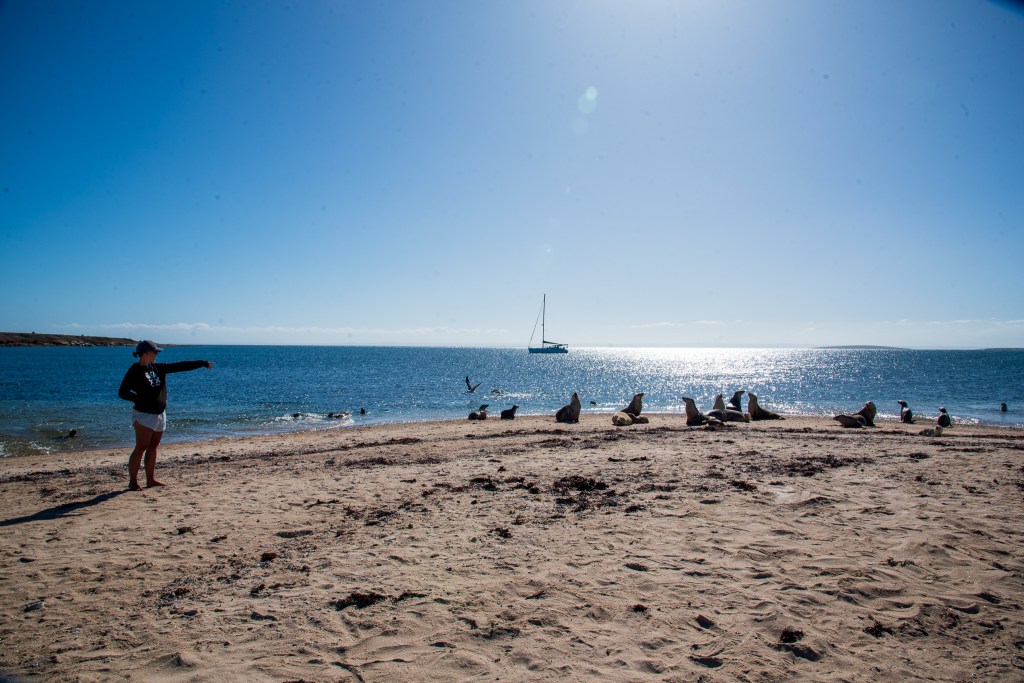
With much excitement, we dropped anchor and threw our snorkelling gear in the tender. As we drew closer to the island, we could clearly see the sea lion. And not just the one. There were heaps of them. From a distance they had been camouflaged against the white sand, but now we could see them clearly.
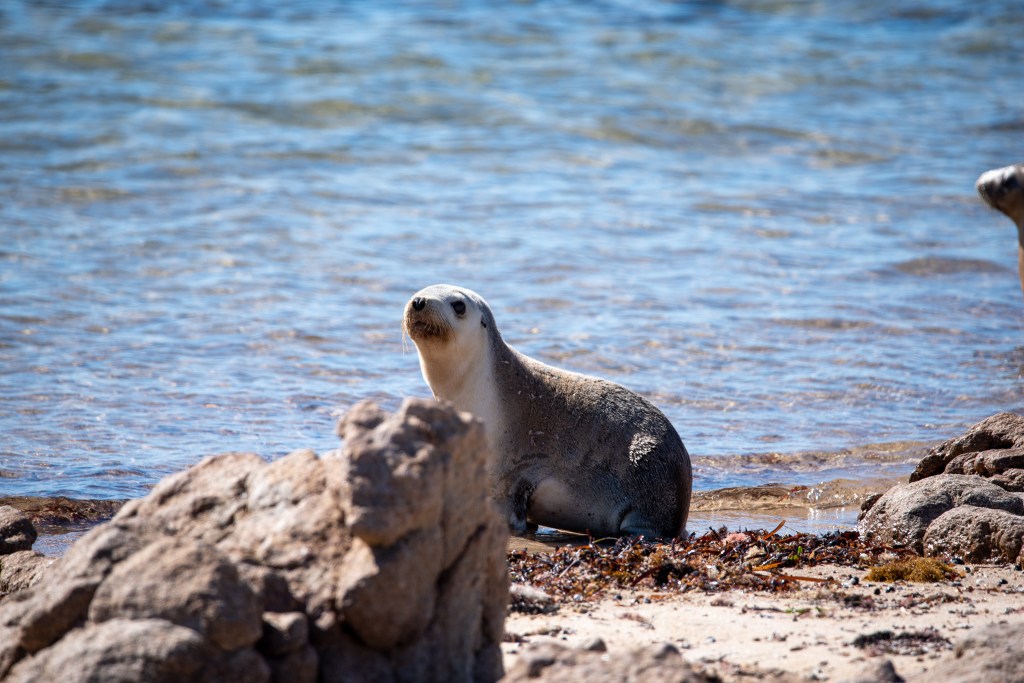
We slowly walked over to a group of three sea lions sunbaking on the sand. As we got closer, they nervously backed into the sea and swam into the deeper water. But then their curiousity got the better of them, and feeling safe in the water, they swam back into the shallows and popped their heads up, just staring at us.
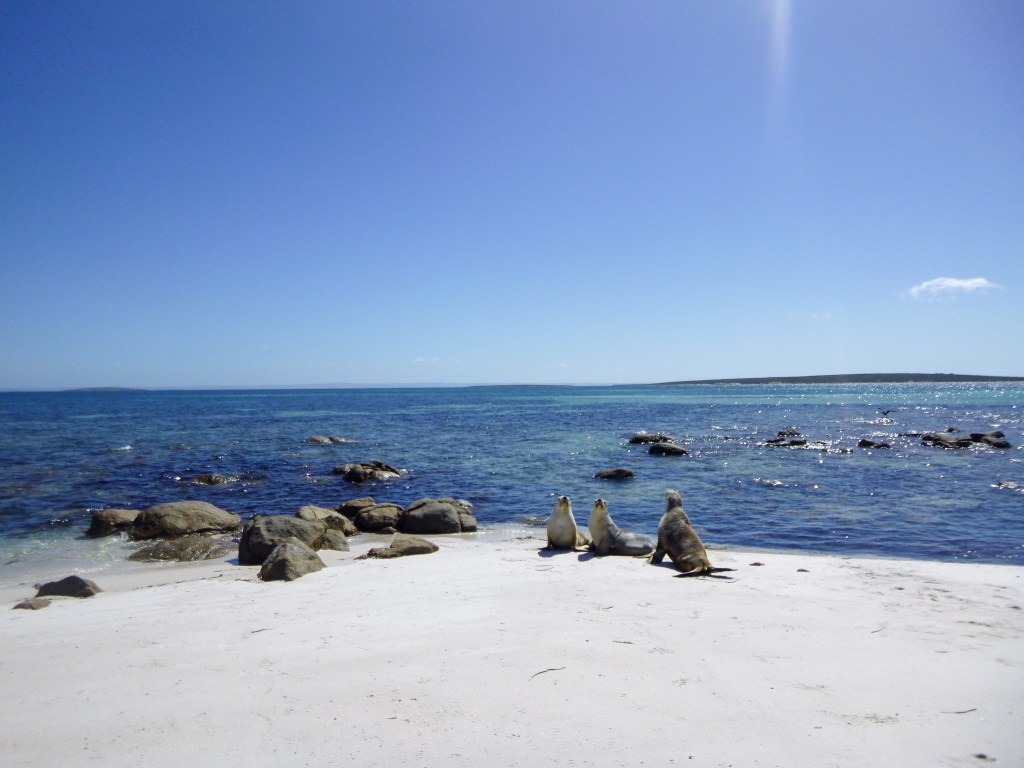
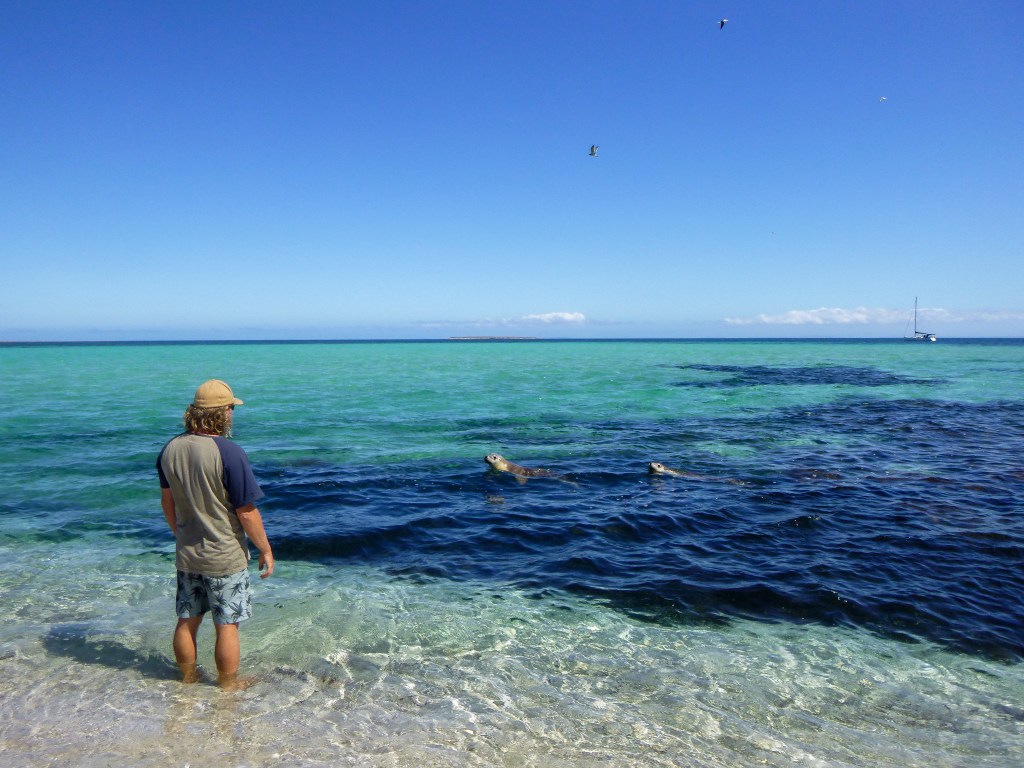
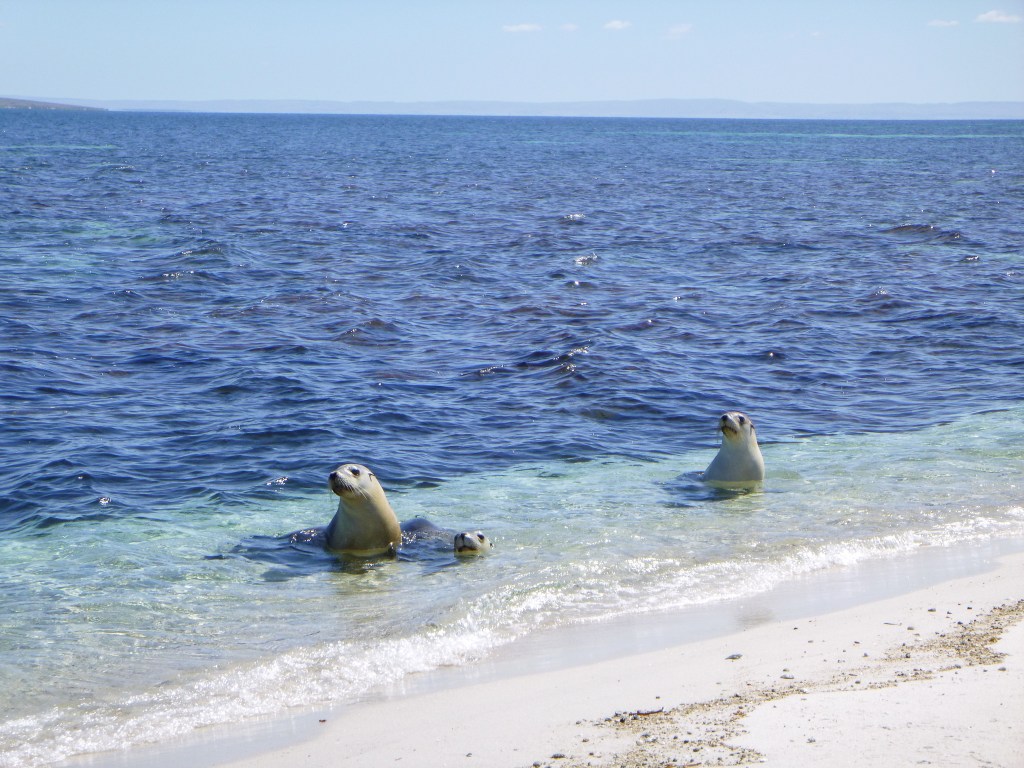
Seeing that they seemed pretty friendly, we decided to have a swim. The water around the island was crystal clear with great visibility so we felt that as long as we stayed in the fairly shallow and clear water, that we would be safe. It wasn’t the sea lions I was thinking about now, it was the sharks.
In the water, the sea lions were full of confidence, and very curious about us. They would swim right up to us, diving gracefully, twisting and turning. They’d often swim big circles around us and seemed to be having fun. If we moved away, they’d come into the shallows and pop their heads up, peering around looking for us. They were just beautiful. It was a very special experience.
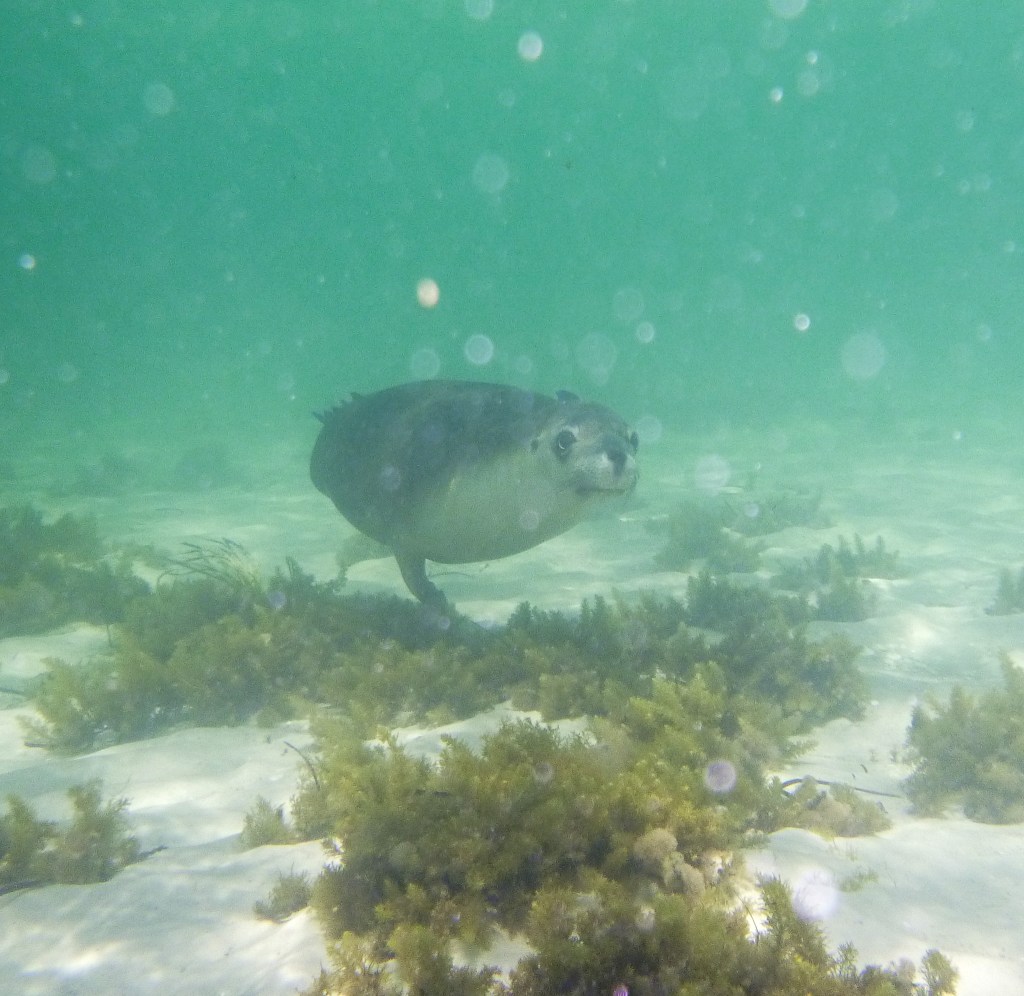
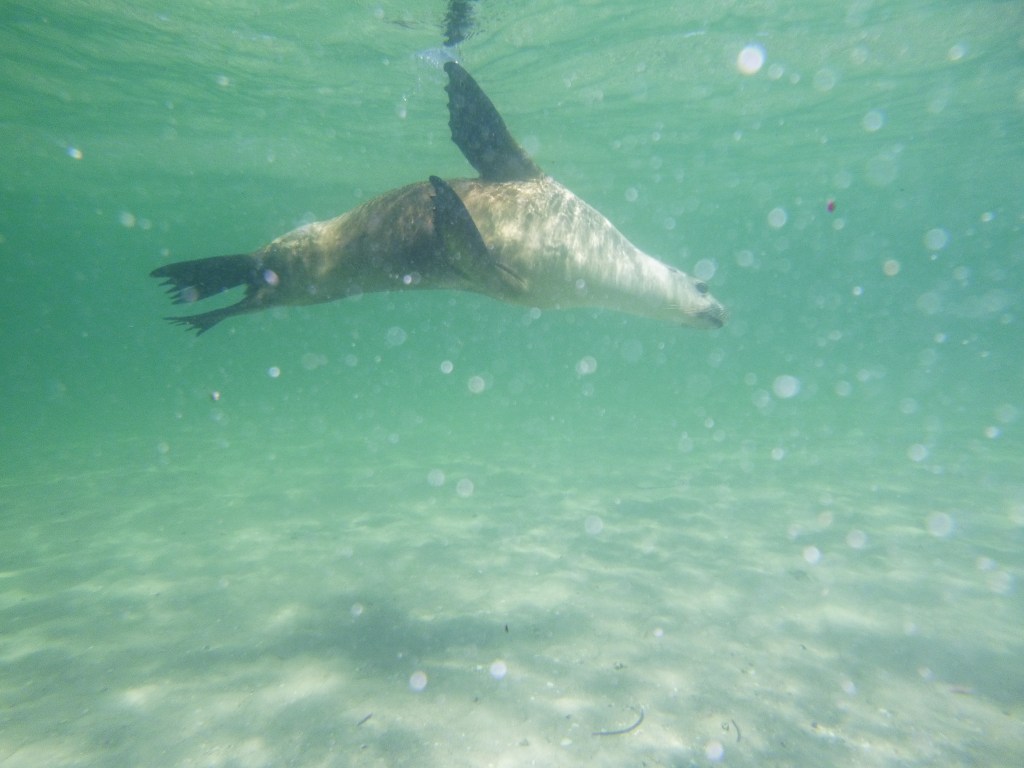
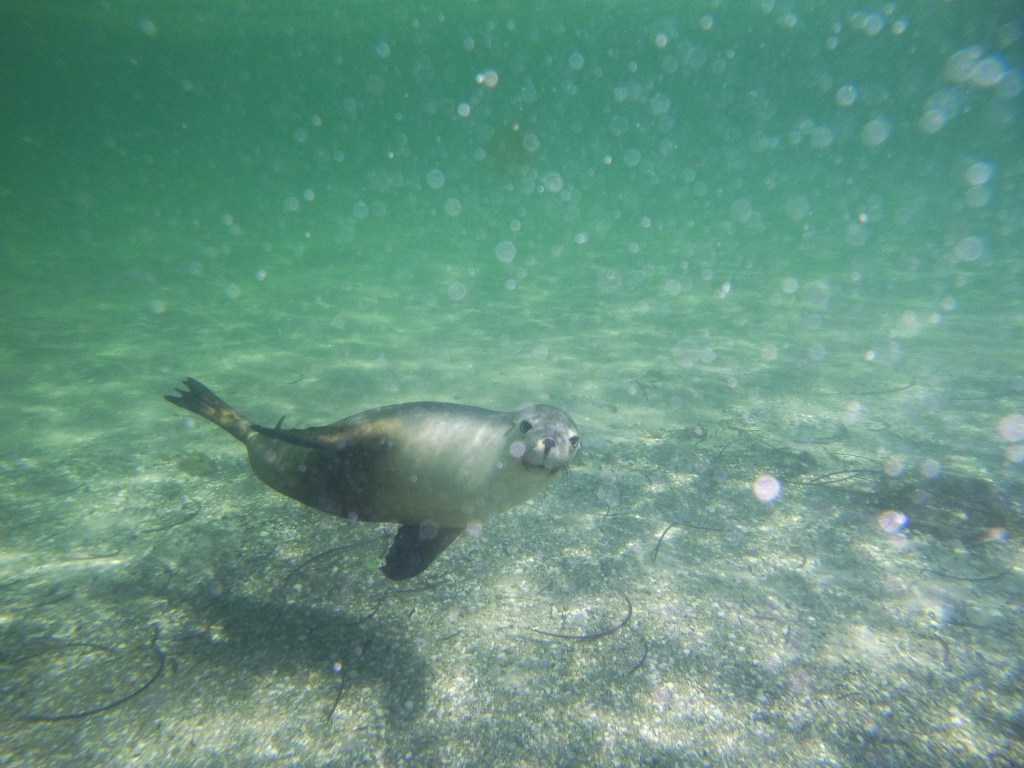
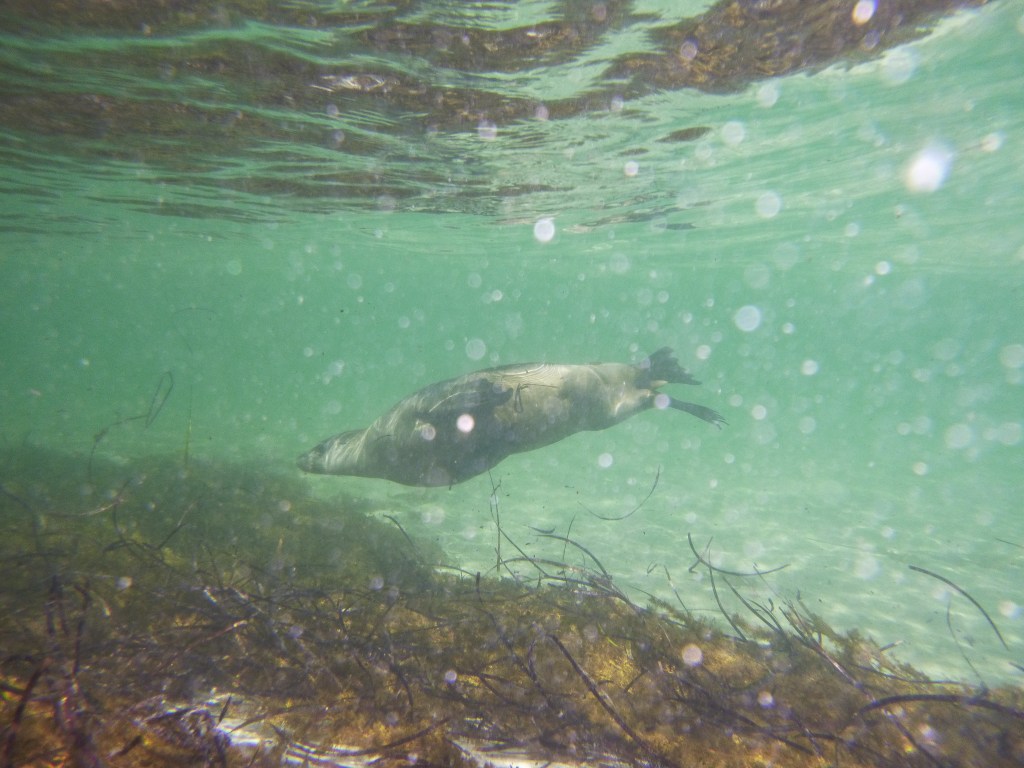
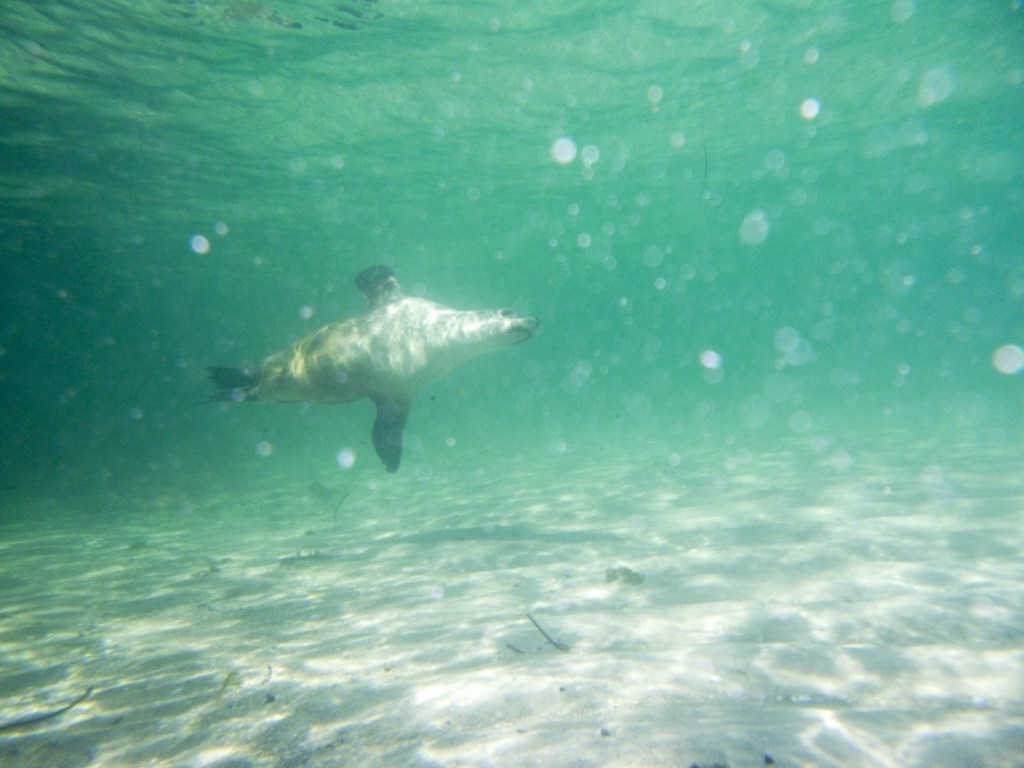
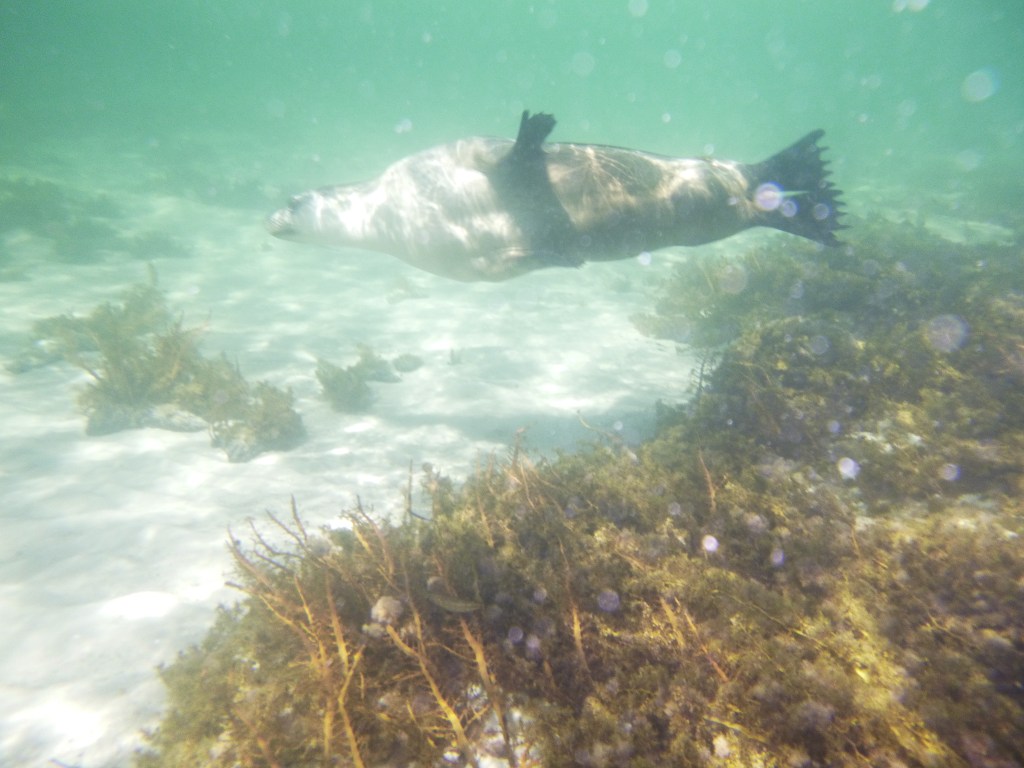
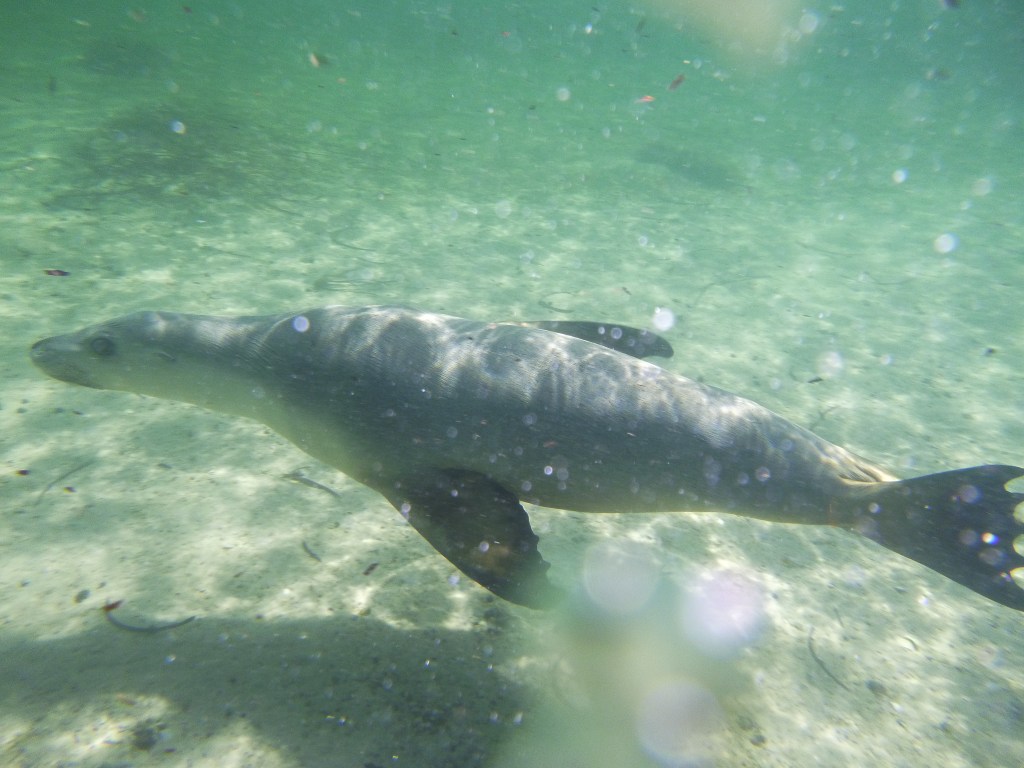
We found a larger colony of the sea lions on the other side of the island, but when a big number all entered the water together where we were swimming, including some very large males, we decided it was time to retreat. Pumped and elated, we reluctantly waved the sea lions goodbye. As the adrenaline wore off, I began shivering. I was in just a bikini and the water was cold!! Warming back up on the yacht, we motored the short distance over to Langton Island to anchor for the night.
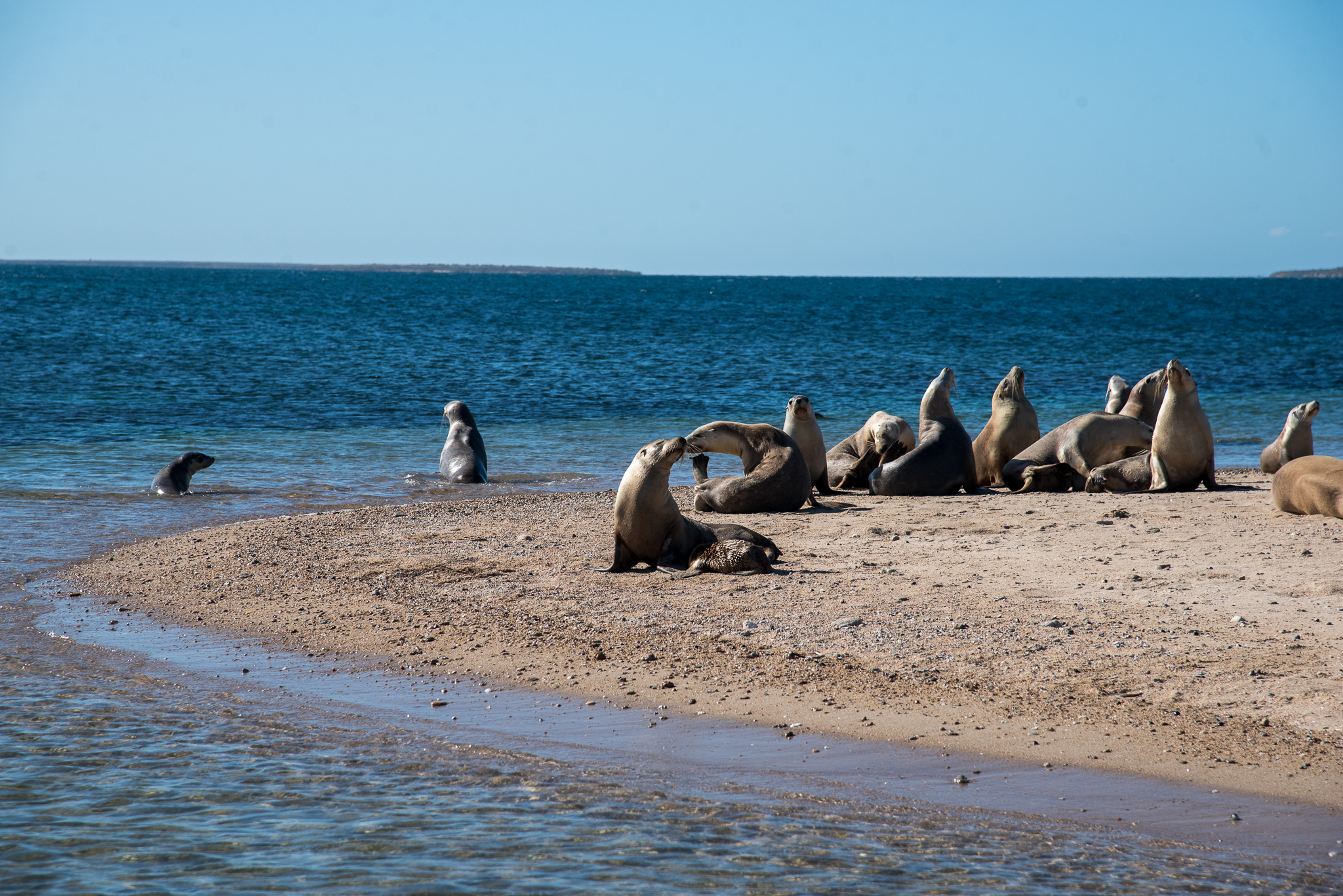
At Langton Island there was another colony of sea lions. We could clearly see and hear this lot, they were very noisy!! There was no band of clear and shallow water here, so it was not the place to swim but we headed to shore with our cameras. The colony here was much larger than at Blythe Island, and there were heaps of pups, many lying next to their mothers, feeding. Again, on land, they were nervous of us and would flee into the water as we approached, lumbering heavily across the sand. Once in the water, they would swim along next to us as we walked up and down the shore. We spent ages on the island, just watching and observing. There were all kinds of interactions happening between the different sea lions. It was quite fascinating.
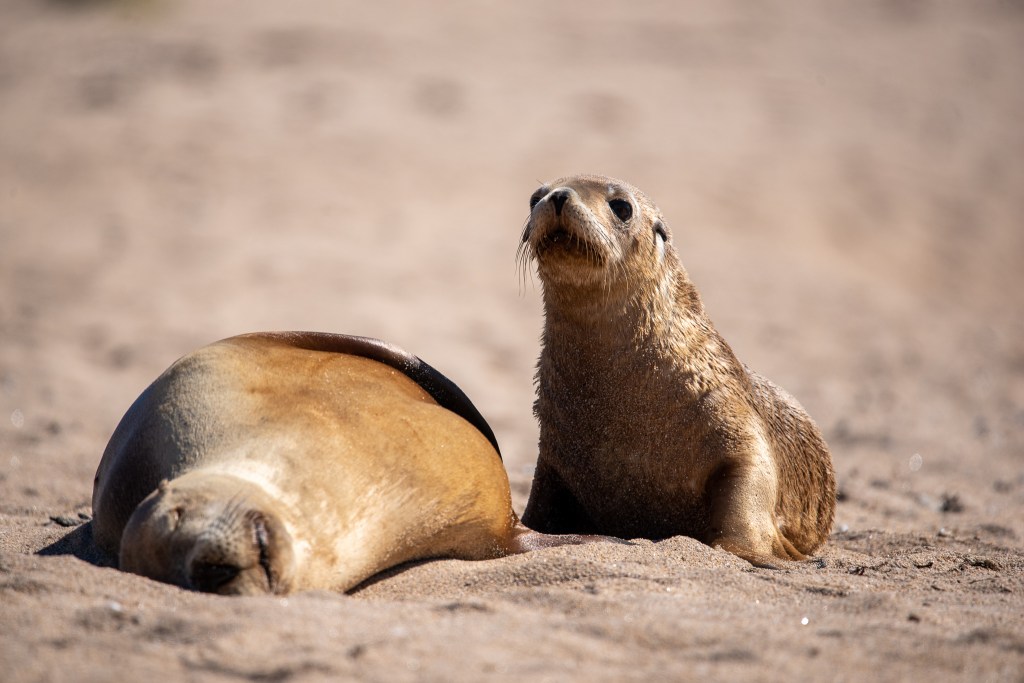
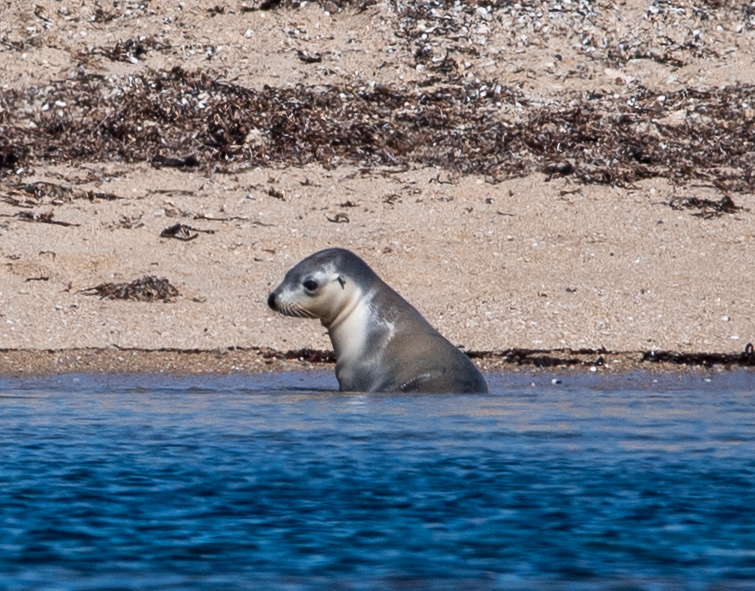
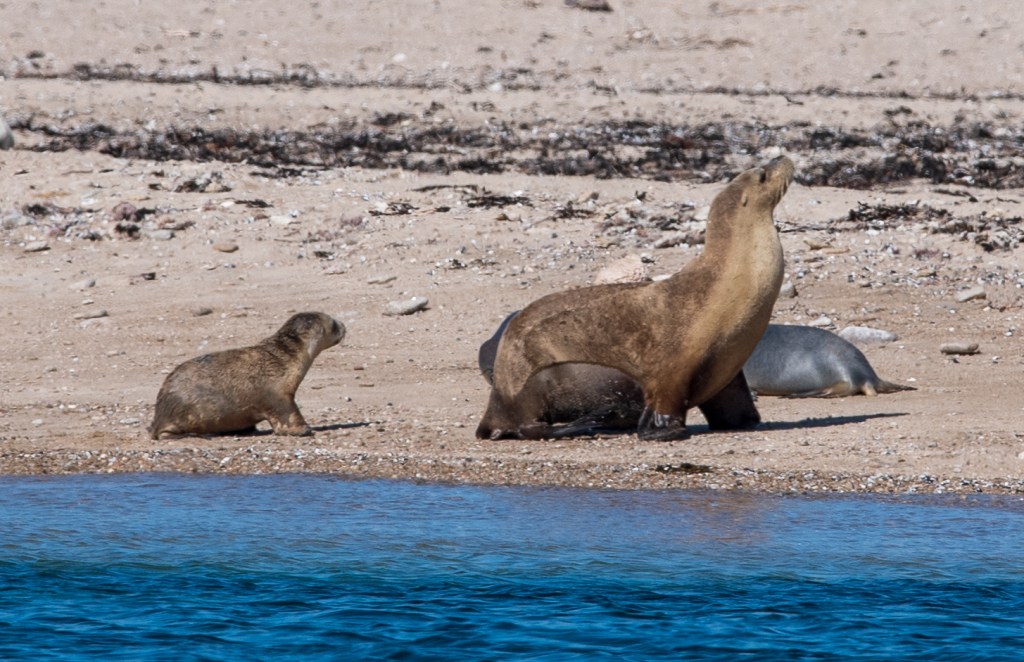
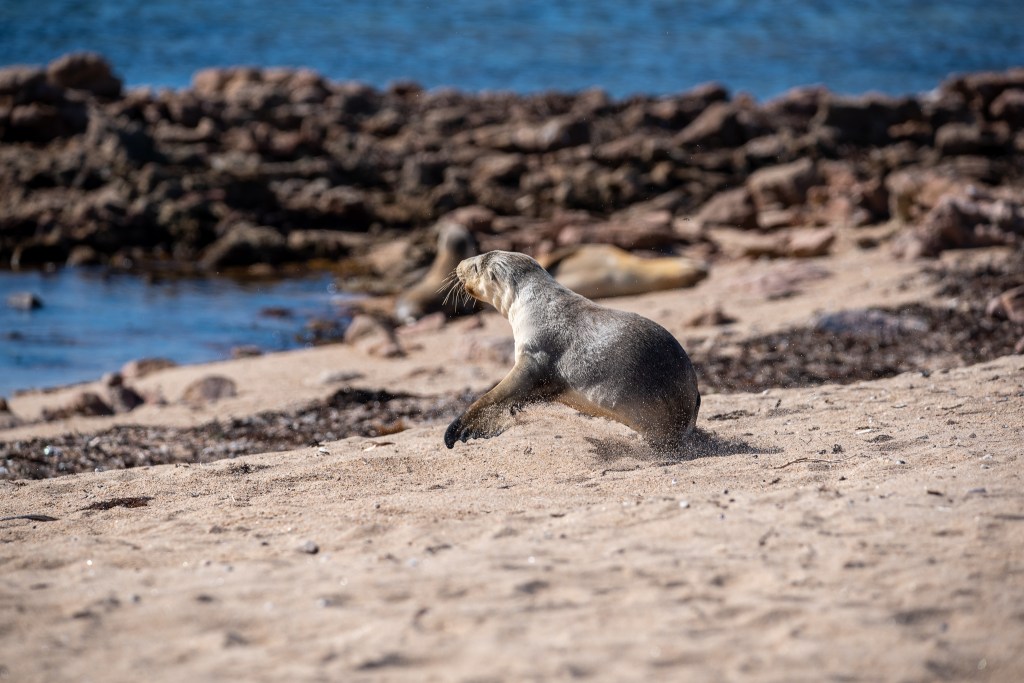
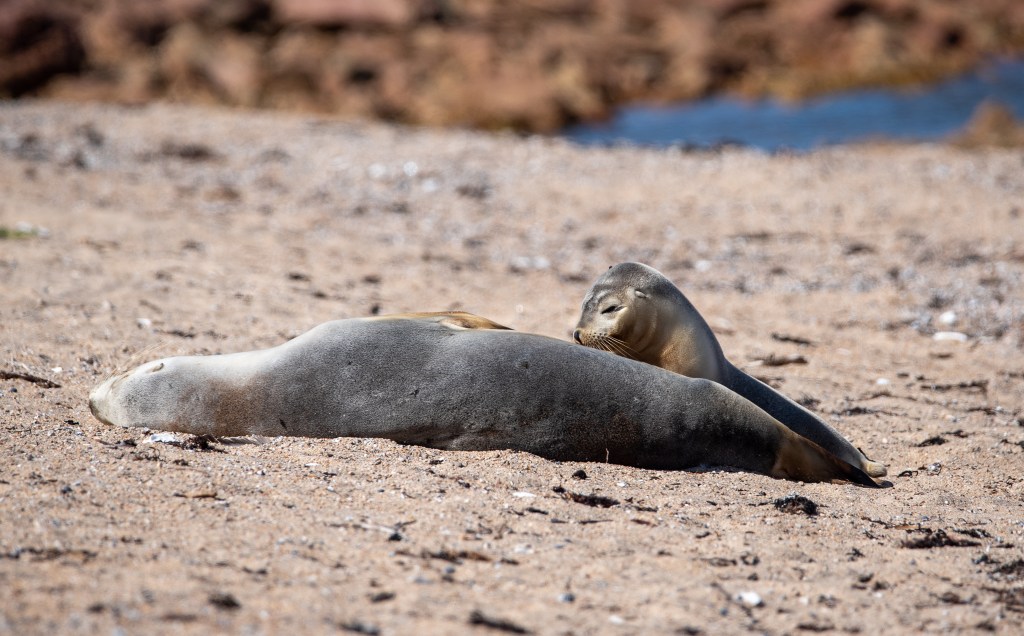
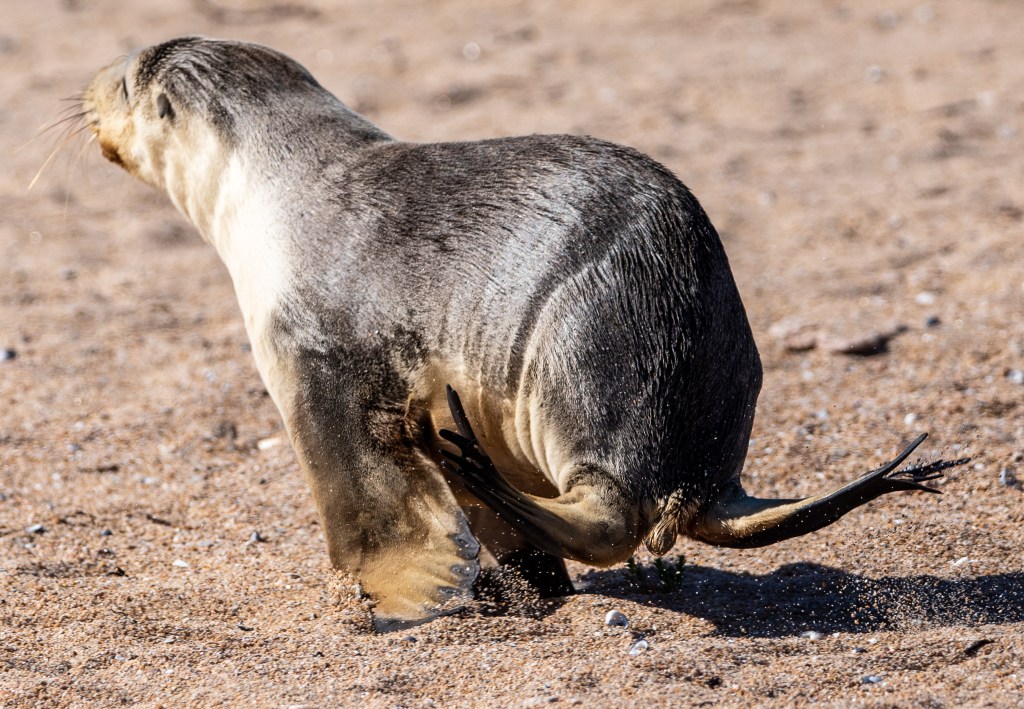
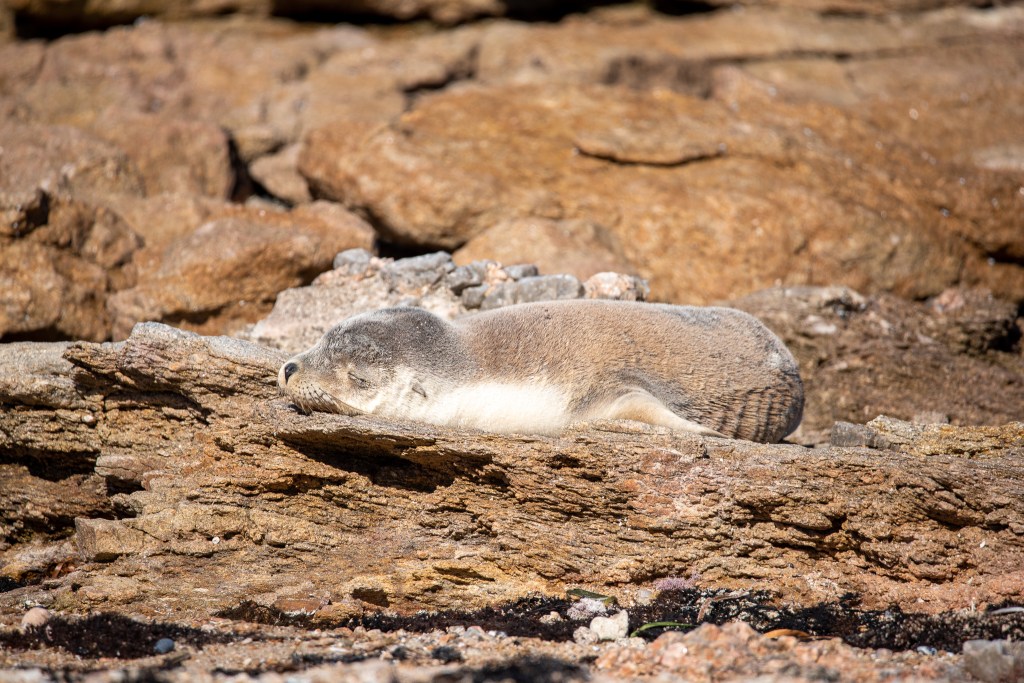
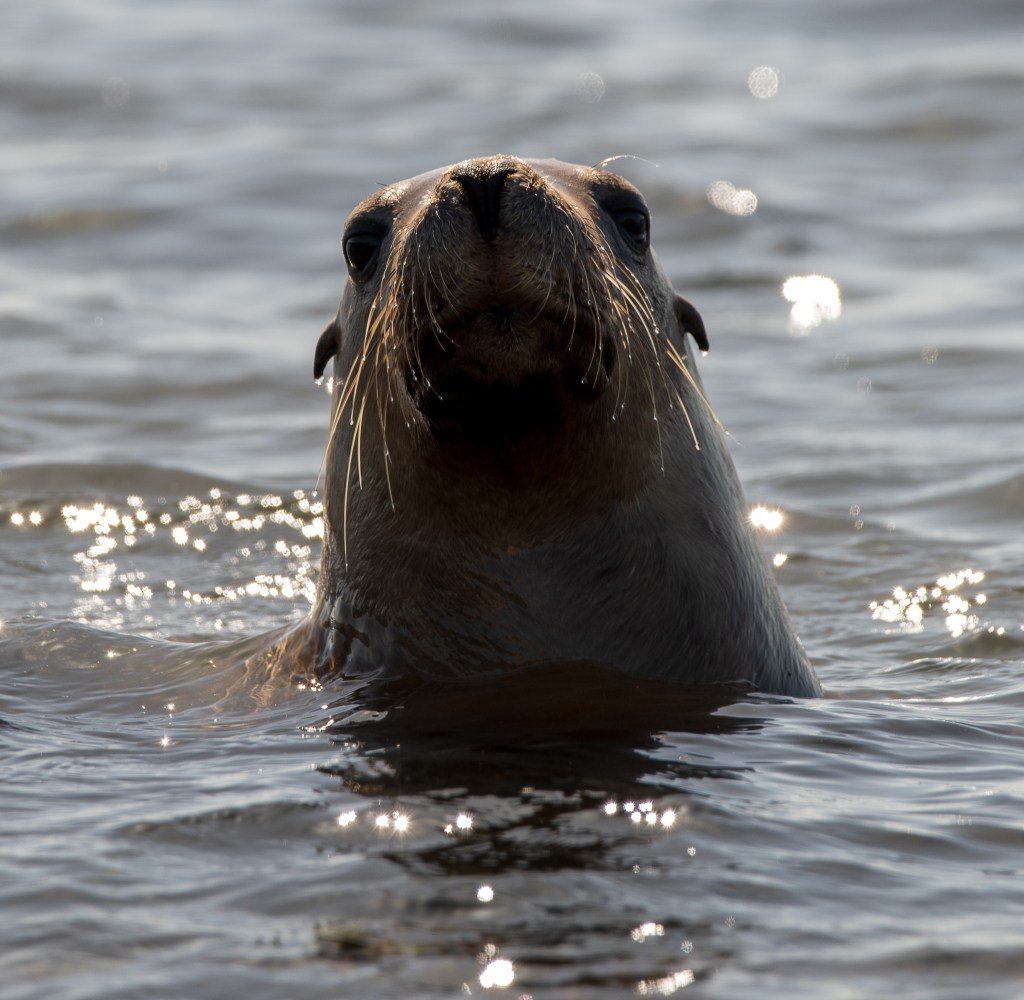
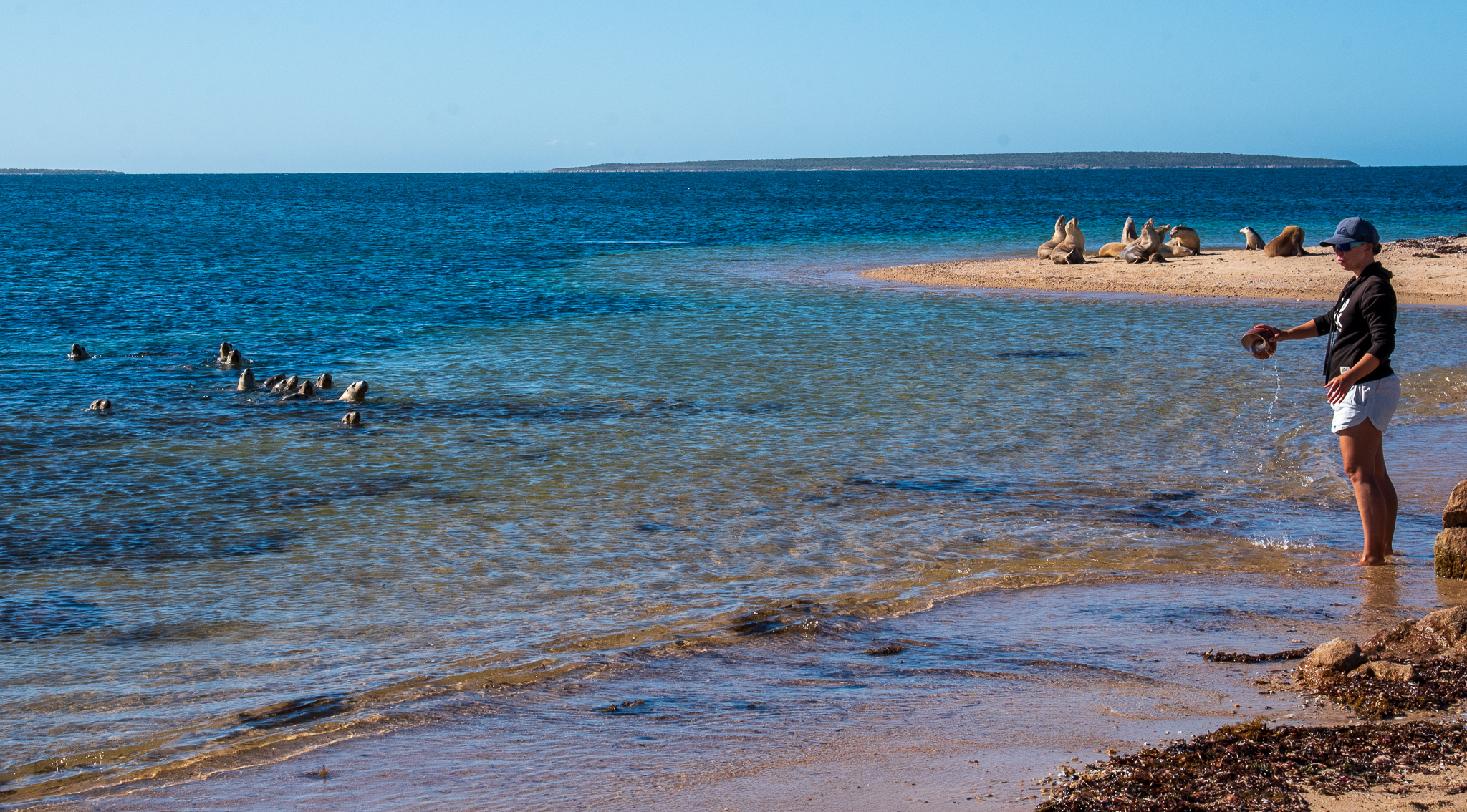
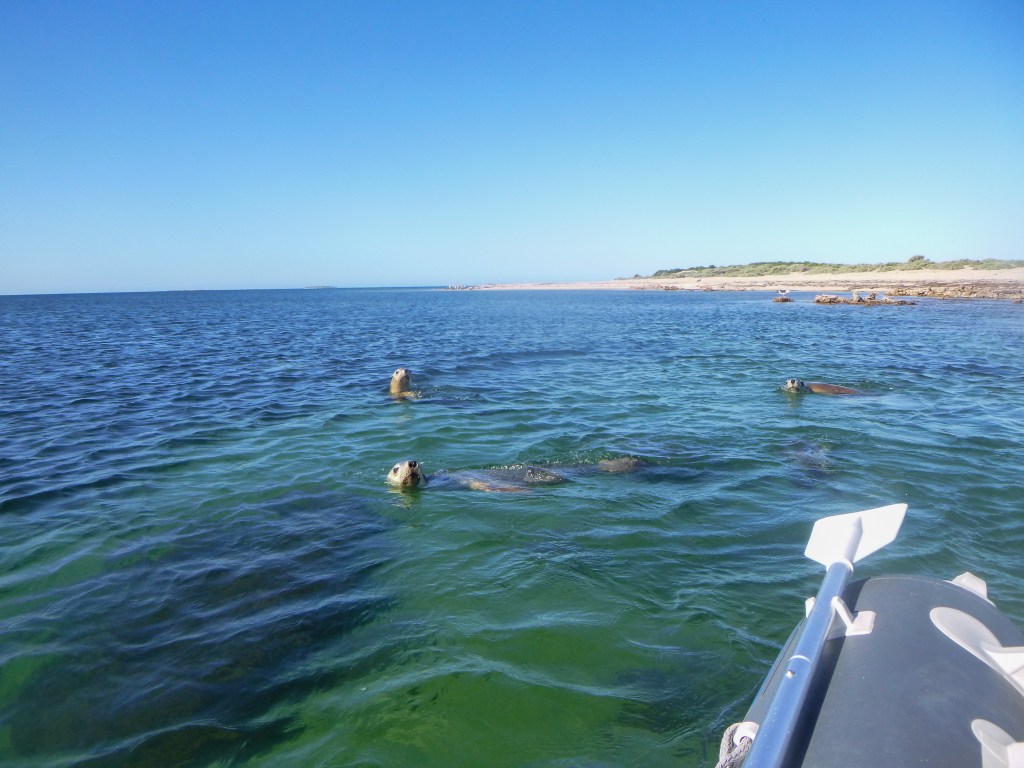
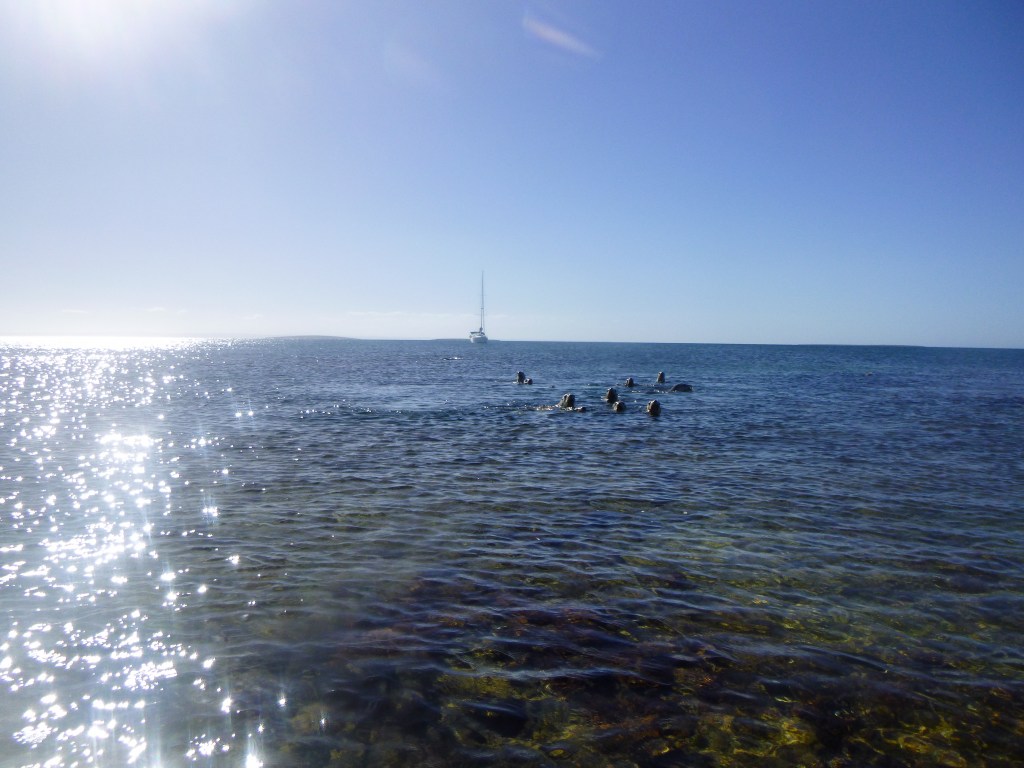
As we climbed into the tender to head back to the yacht, a raft of sea lions surrounded the boat and escorted us off the island. They were playful and cheeky, and we couldn’t believe how close they came up to the little inflatable. We drifted in and out a few times, just to watch them up close for a bit longer.
What a wonderful visit we had had to the Sir Joseph Banks Group. The weather had really turned it on and it was just spectacular. Unfortunately, we could see that a change was coming and it was now time to move on. We motored to Wedge Island in light winds and little swell. The sun was out but we had jumpers on. I couldn’t decide if I was warm or cold! At first, the anchorage at Wedge Island was quite ok, but around 1.30 am the south east swells rolled in and we began rocking. No more sleep for us. It was bumpy and rolly and all we could do was suck it up until daylight. There was no point grumbling, the guidebook had warned us of this possibility.
So we were off early the next morrning. The water was choppy and I took a seasick pill. Our original plan was to sail from here to West Cape or Pondalowie Bay, on the west coast of the south-west tip of the Yorke Peninsula. There were some very strong south easterlies on the way and we thought this would be a good place to shelter for a few days. Then Matt floated the idea of heading straight for the north west coast of Kangaroo Island, and waiting out the winds there instead. Our guidebooks noted many anchorages across the top of Kangaroo Island, so we figured we should have a few options and it was also a more direct route overall.
However, our change of direction put the wind directly on our nose, so it was on with the motor again. Thankfully the winds were slightly less than forecast, around 15 knots, and the seas also lessened as the day progressed. It was a long and pretty boring passage and I napped a lot. As we neared KI and our intended anchorage at Snug Cove, the weather changed and short squalls began to pass over us. Bringing rain and winds of up to 30 knots, it wasn’t the most ideal of conditions in which to approach an anchorage called Snug Cove.
While Matt drove us towards the tiny opening into the bay, I went up to the bow to prepare the anchor. The wind whipped my hat off and it was blown into the water. Matt turned the boat around for a rescue effort, but after a few unsuccessful attempts where I couldn’t quite manage to hook the hat, I waved him off. ‘It’s just a hat, don’t worry about it.’ We turned our attention to the daunting task of safely anchoring in Snug Cove. And snug is quite an apt description indeed. The bay was teeny tiny. It was only 200 metres wide, with an 80 metre wide gap at the entrance. There were three vacant moorings taking up the best positions, but even if we did grab one of them, I still didn’t feel that we would be safe and secure, with the strong winds that were coming.
With increasing nervousness, I stood on the bow as Matt edged us in. I didn’t like it at all. We had no room to drag even the slightest bit. I felt as if I could reach out and touch the cliffs edging the bay. I was jumpy and tense. ‘What do you think?’ Matt called. ‘Uh-uh, I don’t like it’, I yelled back. ‘Me either!,’ he declared, and swung the boat around and back out into the safety of the open ocean.
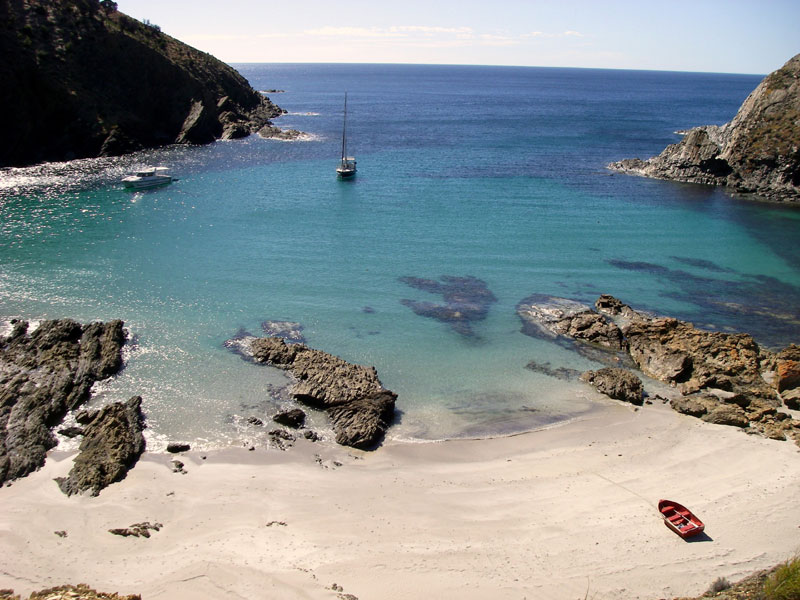
We moved along to an adjacent anchorage, Kangaroo Beach, and although it was still pretty tight, we at least felt safe here. It was fairly protected and comfortable enough. We sat out the following day here, reading, doing puzzles and baking bread. There was no phone reception here so it was a very quiet day. On the second morning we awoke to find that the winds had shifted to the east and we were side on in the tiny bay. Not ideal! Time to make a move.
Once again we were motoring straight into the wind. Aargh, so frustrating! At 20 to 25 knots and gusting up to 30 knots, the wind was much stronger than predicted. We realised that the forecast was out by about 24 hours. Oh well, there was nothing for it now, we had to push through until we found a safe place to stop. Our speed was down to two and a half to three knots as we pushed into the wind and the boat was crashing down heavily into the big seas. We scoured the guidebook looking for anchorages with easterly protection.
We finally settled on Knob Point and anchored in the largeish bay with relief. It was quite protected and calm. That evening the winds died right down and we savoured a gorgeous sunset over super still seas. The super still seas didn’t last long the next day but we were at least able to put the sails out for a bit as we made our way towards Boxing Bay. It was very cold so I tried out my new Fladen suit, a one piece flotation suit with thermal protection. Designed for both sea-use and ice fishing, I was hoping the all in one suit would be warmer than my normal salopette and jacket. It was indeed very toasty, if not overly stylish!
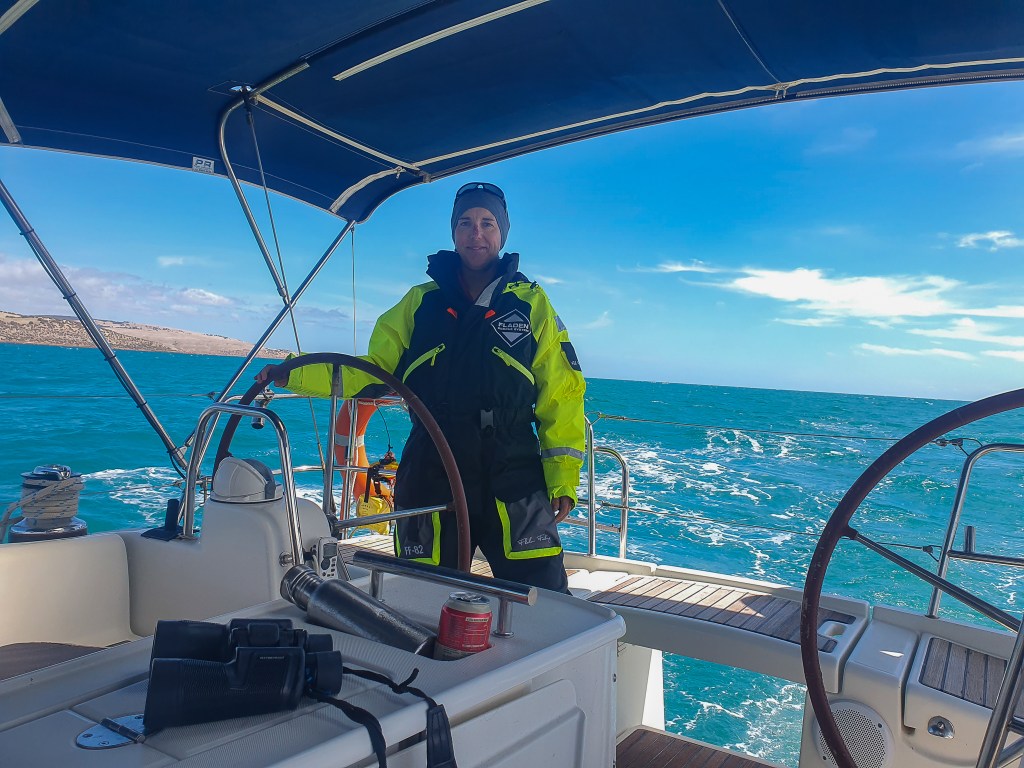
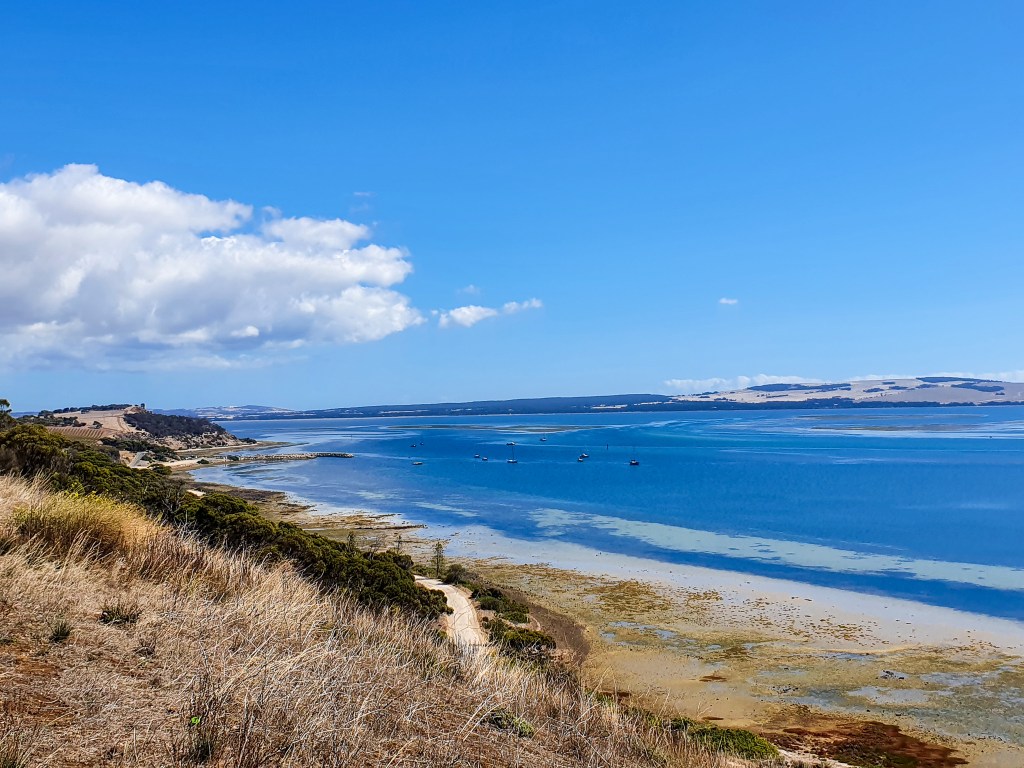
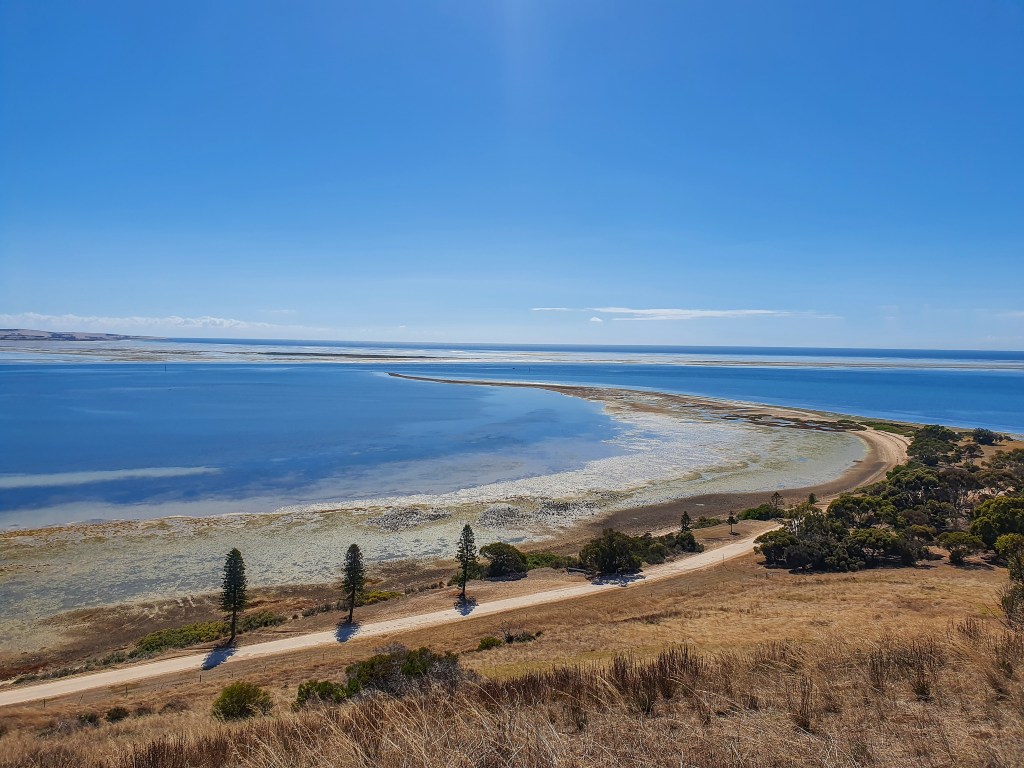
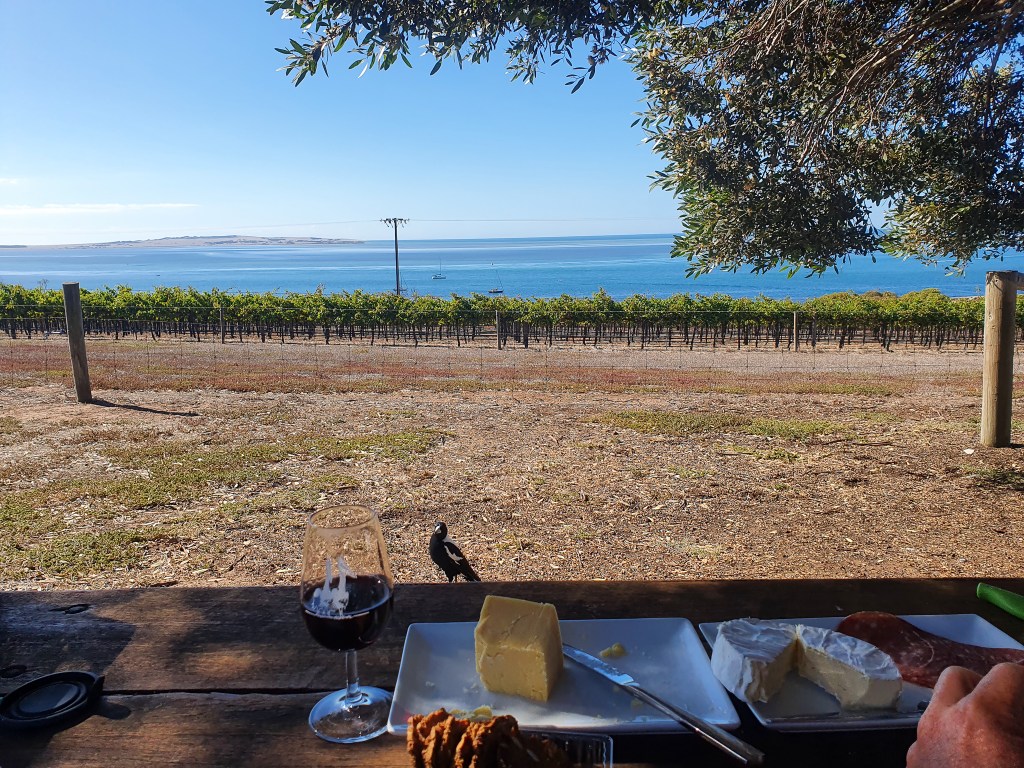
As we were sailing along at quite good speeds, we reached Boxing Bay at midday, and so decided to keep going to the much superior anchorage around at the Bay of Shoals. The water was very, very shallow here, but incredibly calm and still. We dropped anchor near some boats on moorings and calculated that we would only have a few centimetres under our keel at low tide. It was a relief to be somewhere so sheltered and we spent the afternoon relaxing on the boat and making phone calls home, as there was some Telstra phone reception here. From the anchorage you could look straight up the hill to the rows of grapevines in the Bay of Shoals winery. Where do you think we would be visiting the next day?!
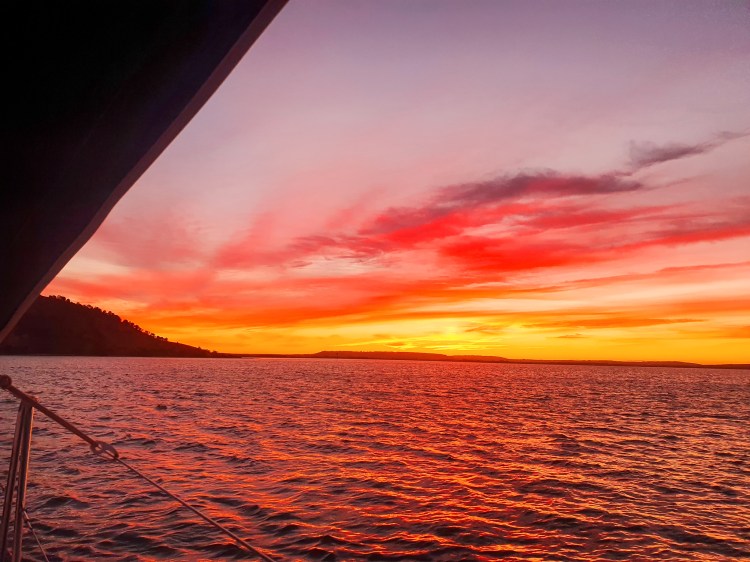
And what good timing, as we opened our last bottle of red wine to enjoy while watching another extraordinary sunset.
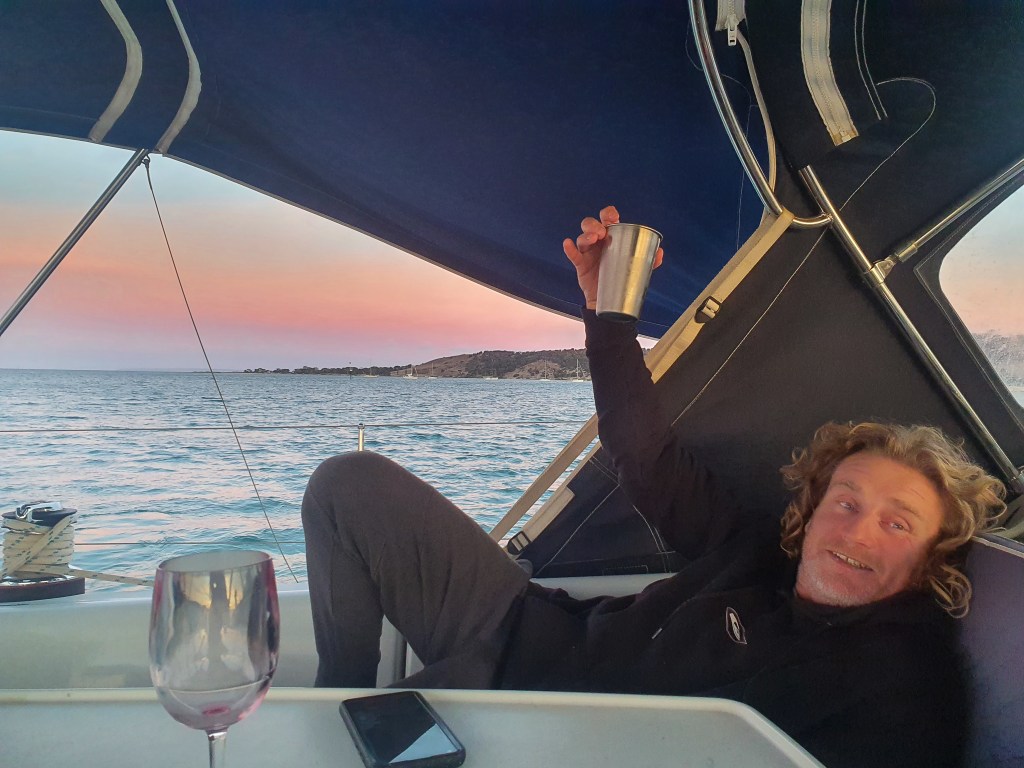
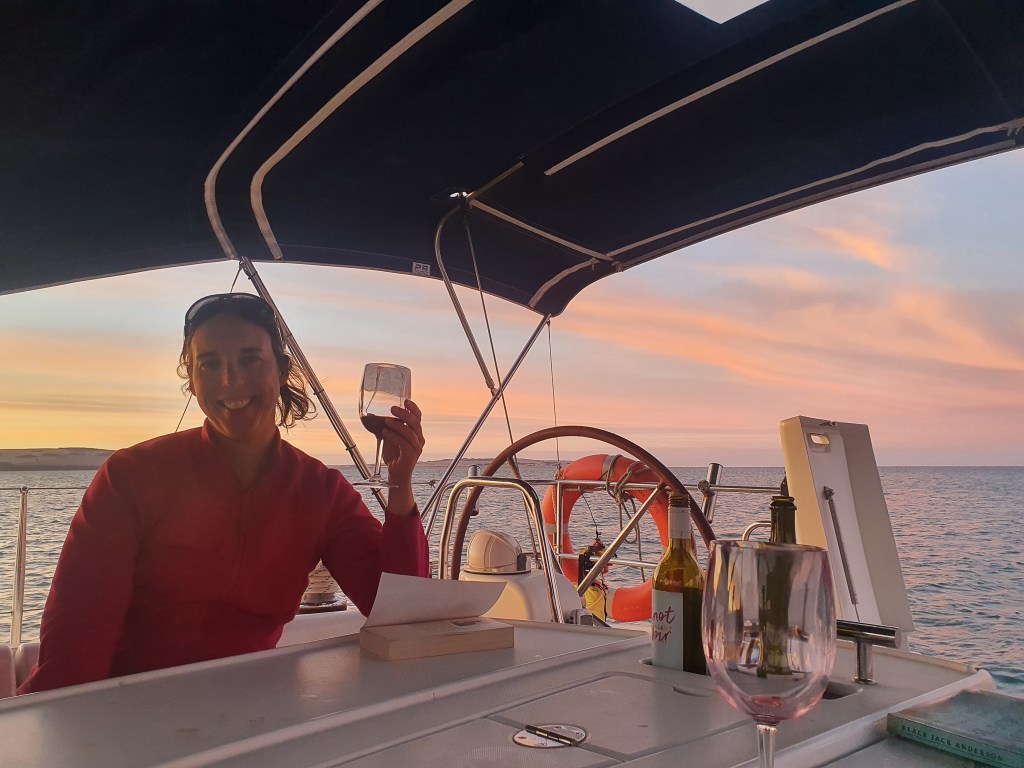
When we tied up our tender to the little jetty and stepped ashore, it was the first time in six days that we’d been on land. We decided we needed a bit of exercise so we walked the three kilometres into Kingscote, the largest town on Kangaroo Island and South Australia’s oldest European settlement. After wandering though the town, grabbing a coffee and checking out the anchorage near the jetty there, we made our way back to the winery.
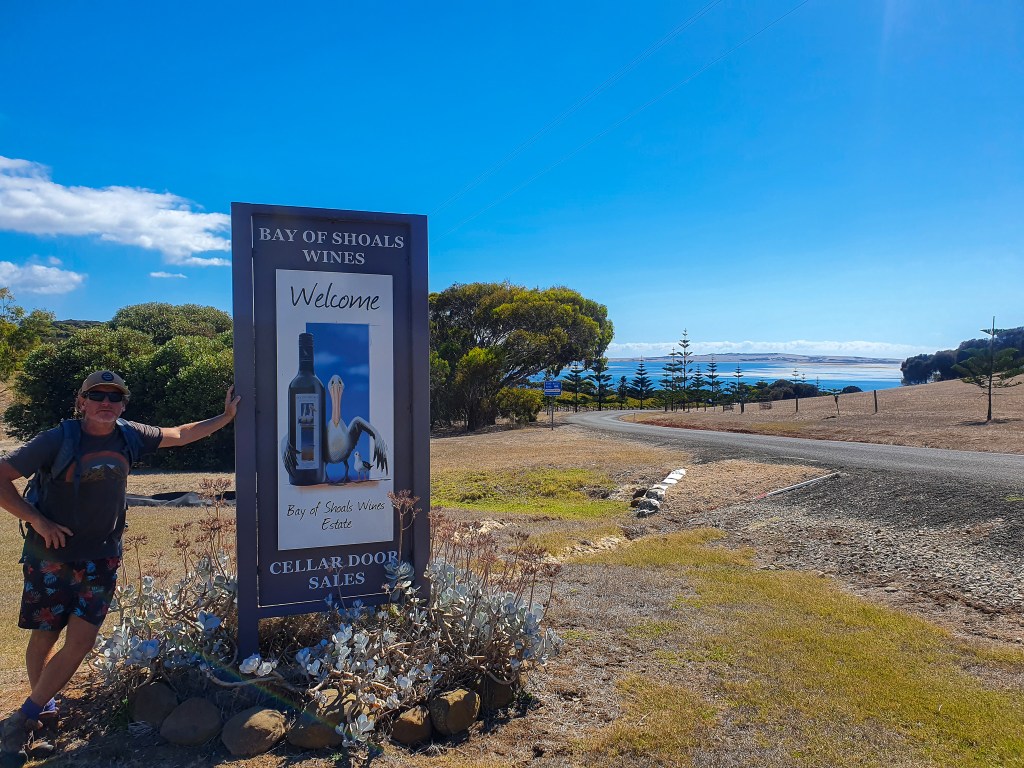
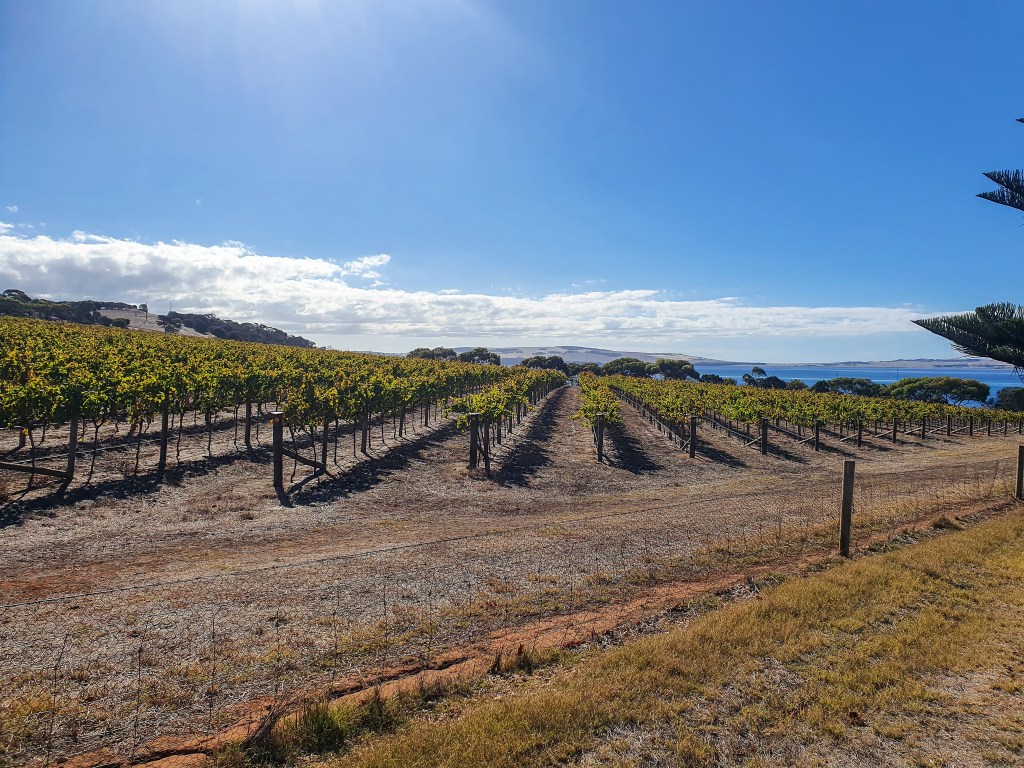
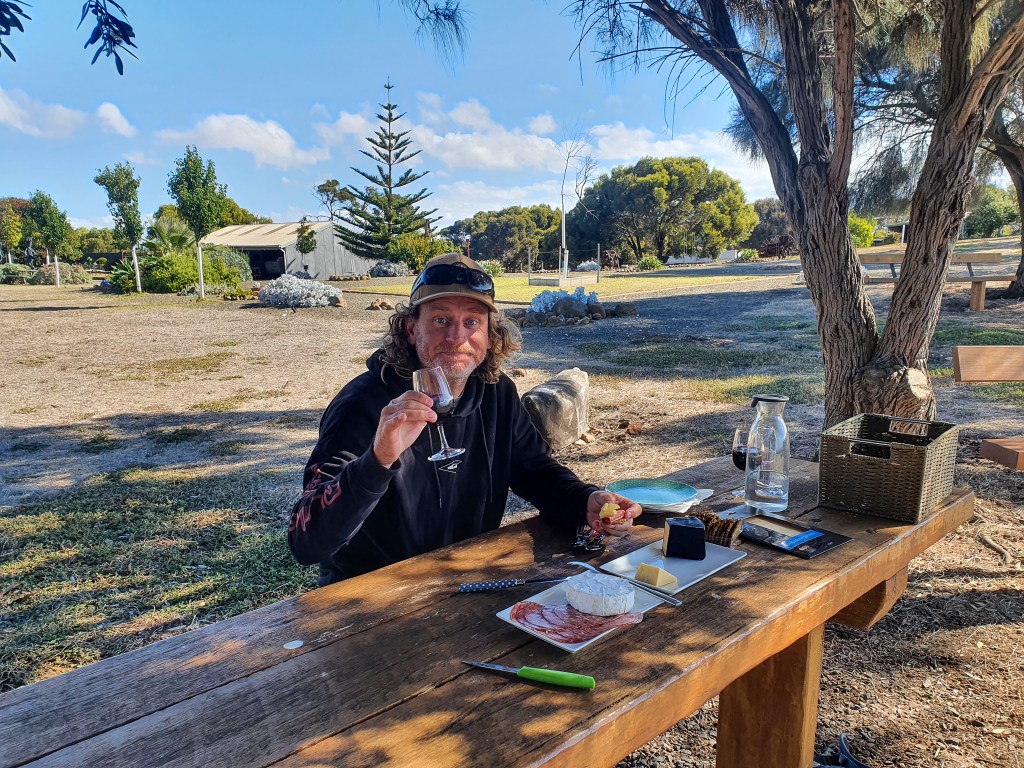
At the winery, we began chatting to a group of people who were over from Adelaide. Wendy, Joe, Andrea and Geoff were great company and very interesting to talk to. One of the things we have enjoyed the most about our trip is meeting and chatting to new people. After several hours, they farewelled us and continued on their way and I realised I was starving. Although the winery wasn’t serving food due to being short staffed, the exceptionally friendly bartender discreetly made us up a little picnic hamper which we enjoyed outside in the sunshine. Very welcoming to yachties, the winery also offers them a thirty per cent discount, so we purchased a few bottles of wine and some local Kangaroo Island produce.
The previous day we had run the watermaker to fill our tanks, but despite running it for ages, the stern tank showed no sign of filling. I was getting quite uneasy and a bit worried, as it should not have taken that long to fill. It turns out I was right, and after a more thorough check, Matt discovered another leak in the tank. This was the third time we’d had a leak, after two separate repairs. It was time to ditch that tank and get a whole new one. Fortunately, we didn’t have long to go and the bow tank would be sufficient until we got home.
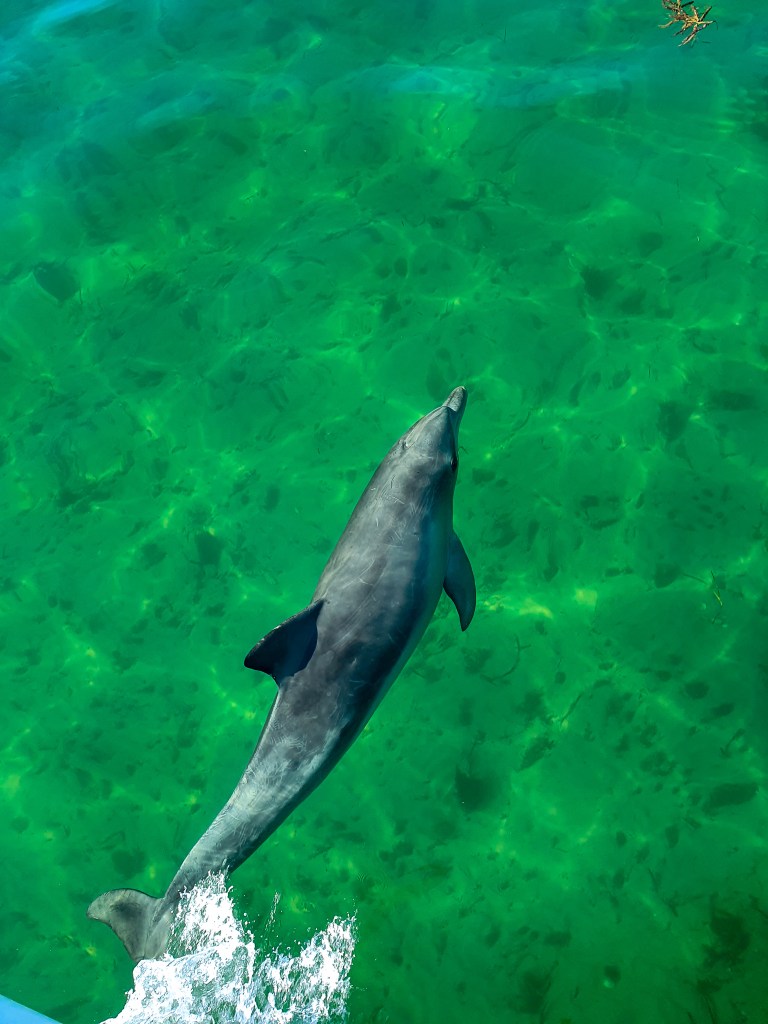
So after topping up the bow tank, Matt packed the watermaker away for the last time, and we motored around to Kingscote. We were in only three to four metres of crystal clear water when a lone dolphin came over to play in our bow wave. With the shallow water and exceptional visibility, it was amazing to watch the dolphin swim and to see him so clearly. We kept alternating spots up on the bow, gazing in awe at this incredible creature. After a while, he flipped over and began swiming upside down in the wave, his white belly gleaming in the filtered sunlight. I have never seen anything like it. I stuffed up most of the videos I took of him but I did manage to get some photos and some footage of him swimming upside down. These are the moments that we cherish, these unique encounters with wild animals. No matter how many times we see a dolphin, it is always special and there is always a sense of wonder.
We had a quick pit stop in Kingscote, walking into town for a few fresh groceries and to exchange a gas bottle. This time it was my turn to dive on the jetty searching for the seadragons, but they remained elusive. We resigned ourselves to the fact that finding leafy seadragons would remain on our bucket list.
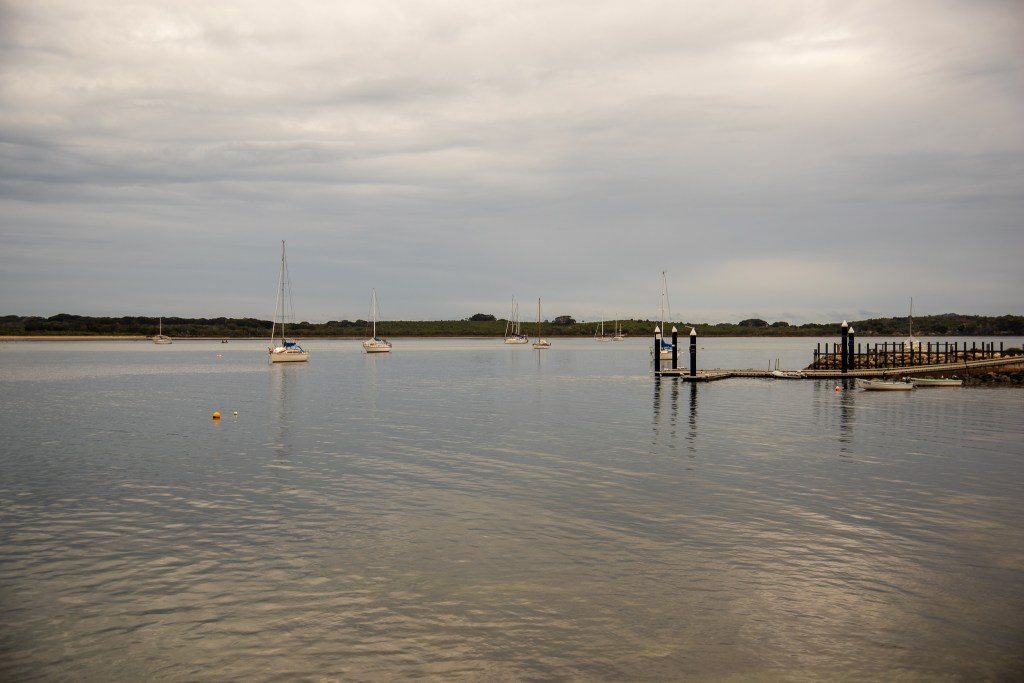
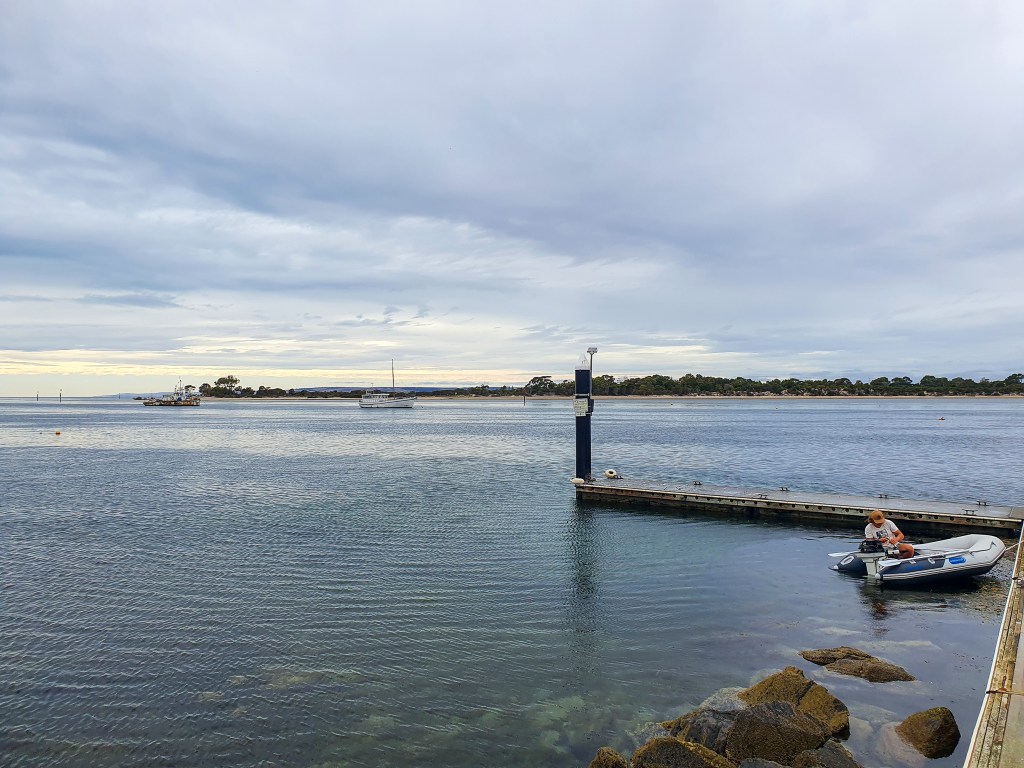
Moving around to American River, we contacted Carol from VMR who kindly offered us the use of her mooring for a few days. Because of the strong tidal current here, anchoring is not recommended, so we were very grateful to Carol for her generous offer. American River is really more of a lagoon, and being almost entirely landlocked, is the best all weather anchorage on the island. There were some strong winds forecast in two days time so we stayed on the mooring for three nights.
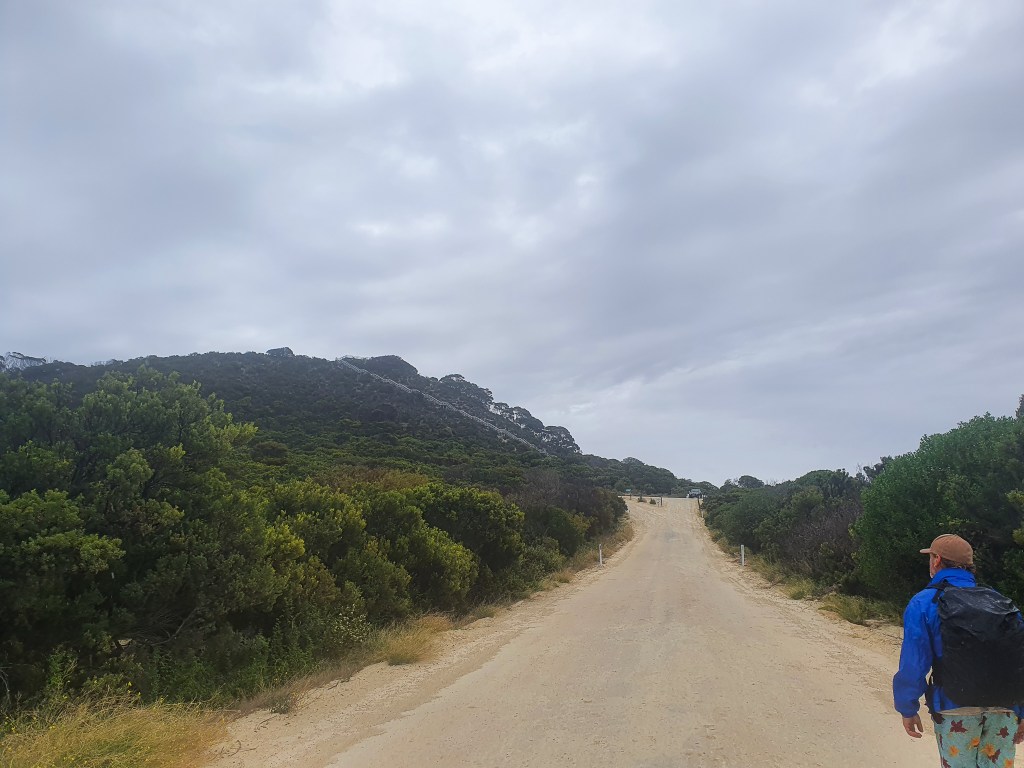
A sleepy little town, American River is home to a café, post office/general store and an oyster farm shop. The weather was cloudy and overcast and it was cold and gloomy. The on/off drizzle had our raincoats out for the first time in ages. On the first day we walked the Independence trail and then out to Prospect Hill. Matthew Flinders named Prospect Hill when he climbed it in 1802, and I’m reckoning the 500 brand new stairs that we walked up made it a lot easier for us. A friendly couple offered us a lift back to American River, saving us the 10 kilometre walk back.
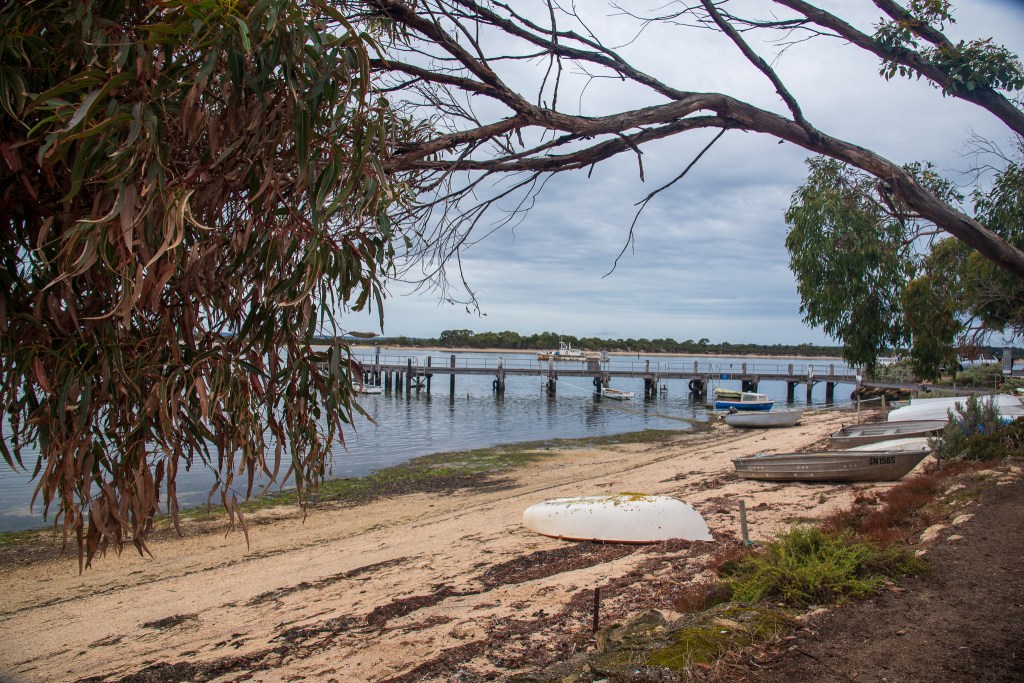
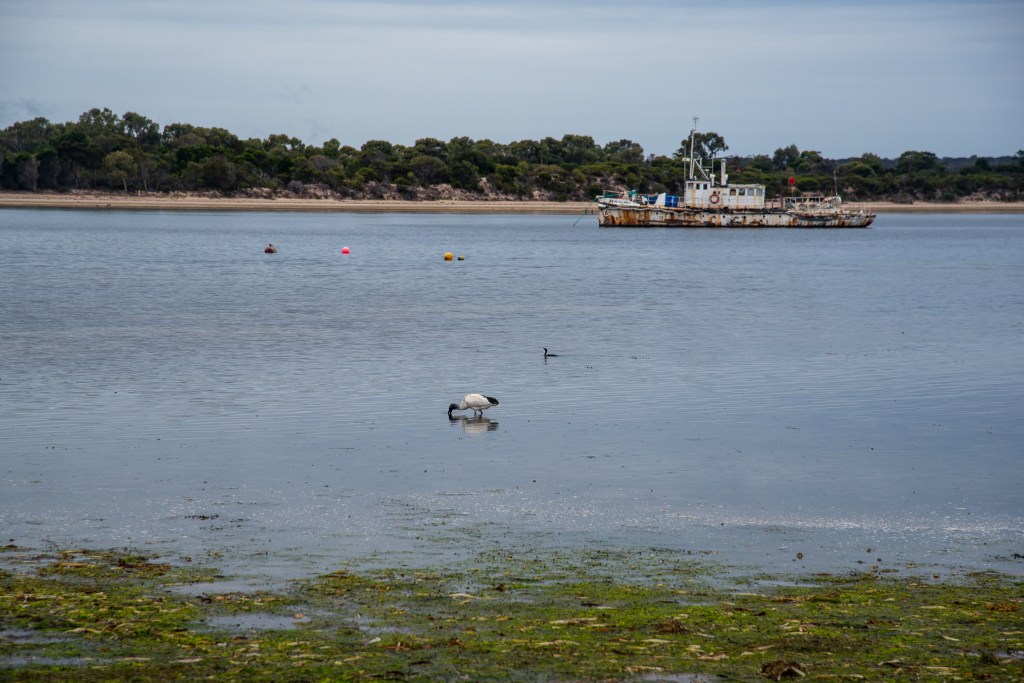
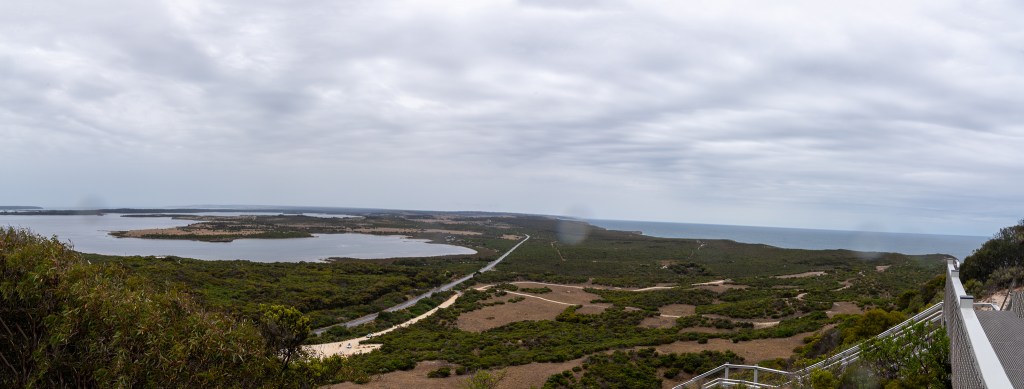
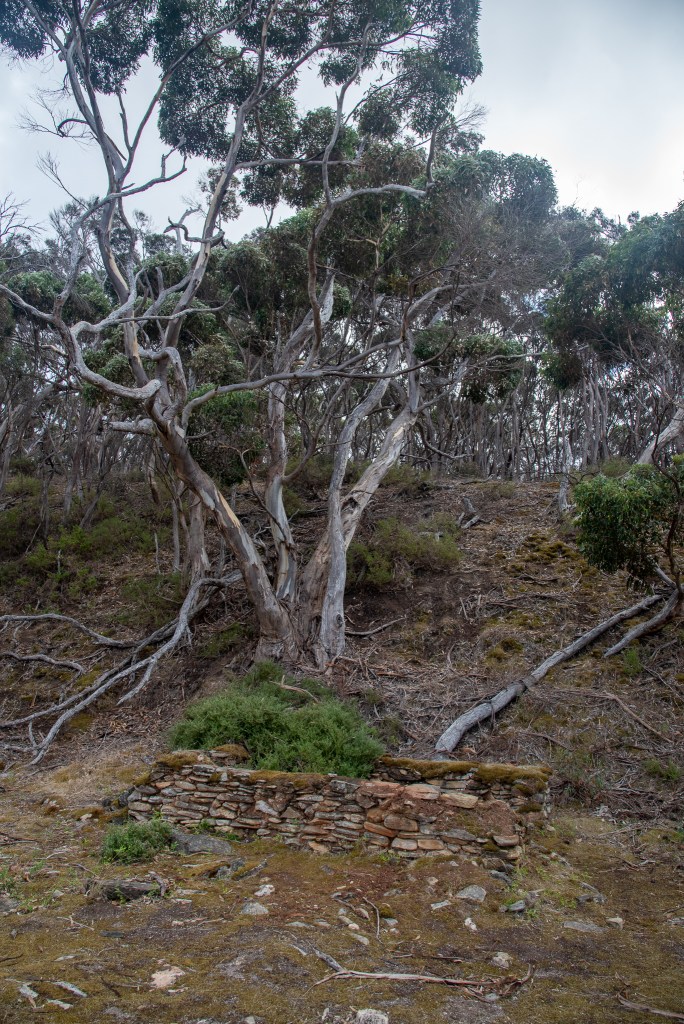
On the second day we walked the Fish Cannery Trail which weaved through some beautiful bushland. There were lots of really pretty gum trees and I really enjoyed being in amongst the greenery. Although the lagoon that we walked around was named Pelican Lagoon, we saw many more swans than pelicans. After lunch at the Deck Café, we got some two dollar coins from the post office and had hot showers at the tiny caravan park. Feeding the meter two dollars for three minutes, it was just blissful to stand under the hot running water and have a proper wash.
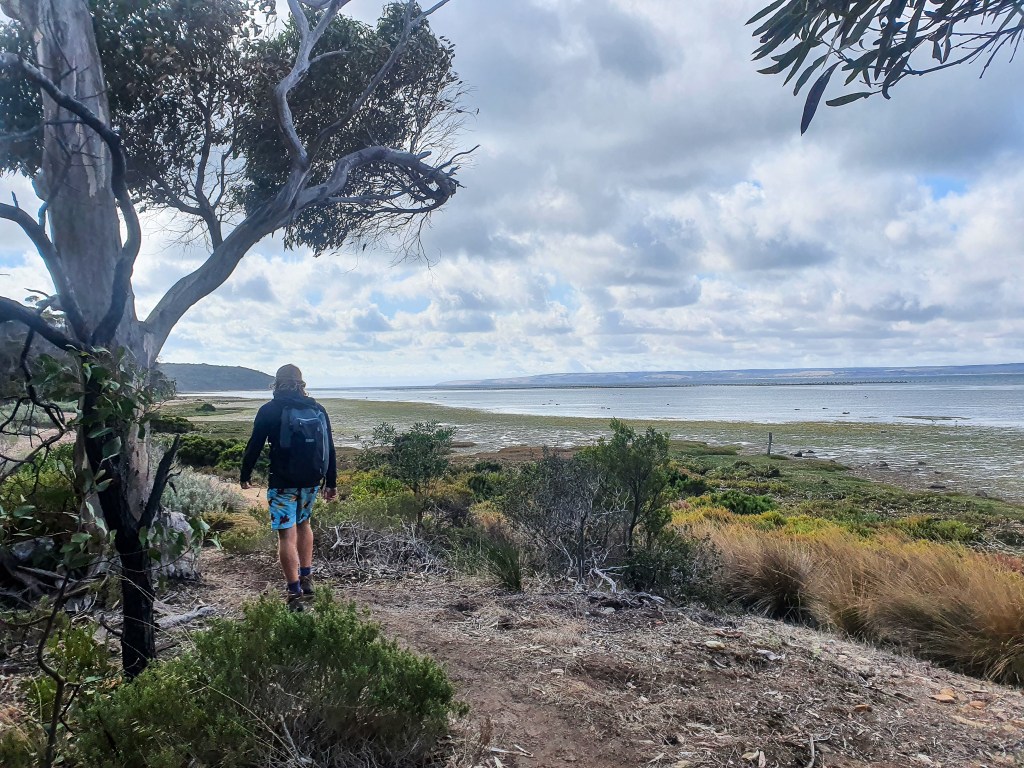
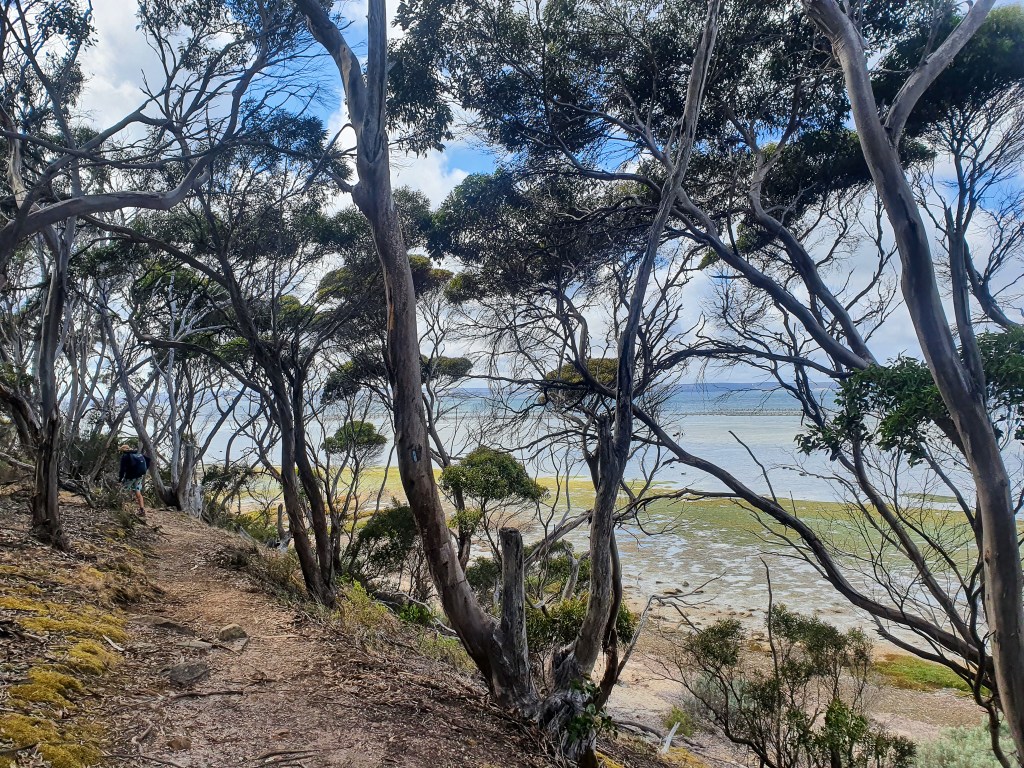
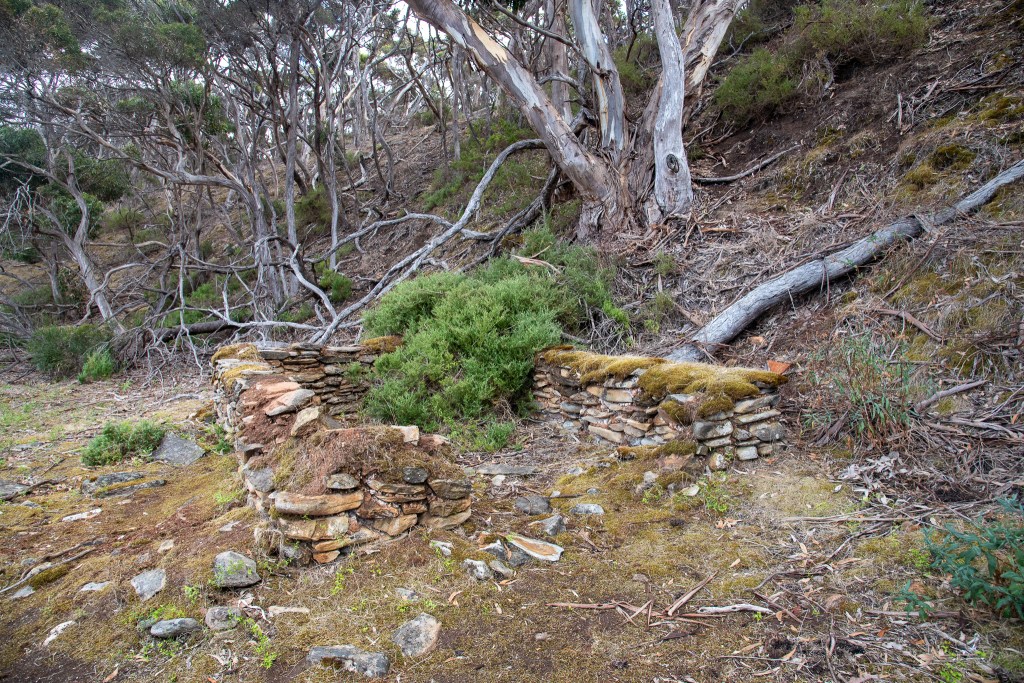
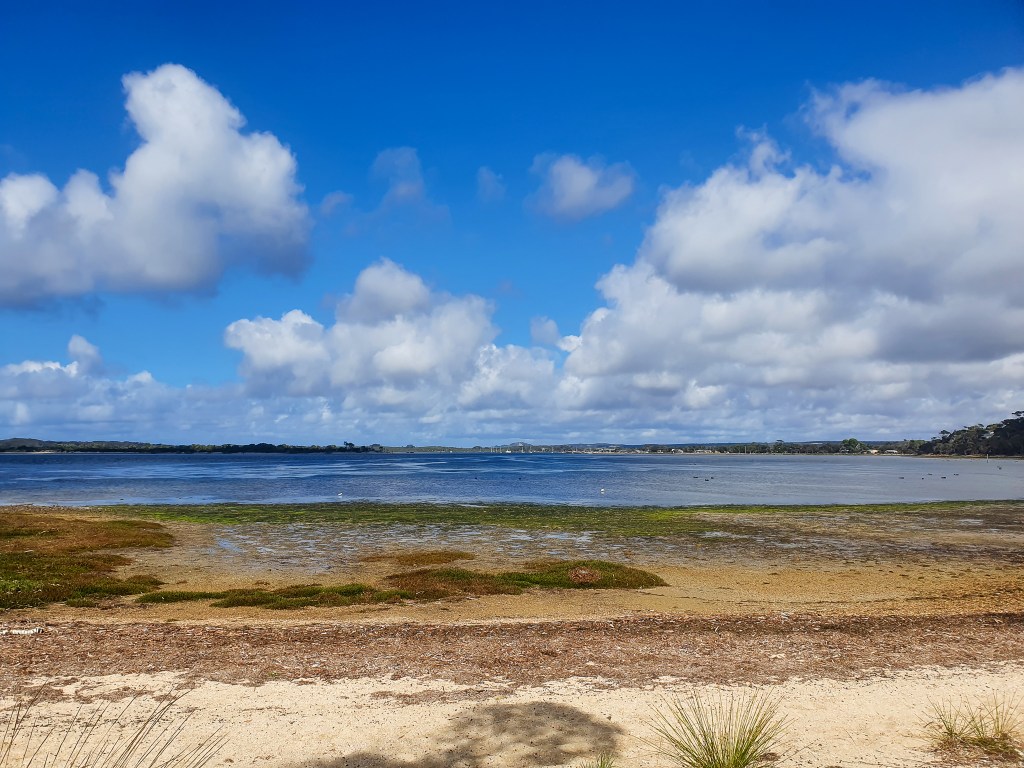
Leaving American River, we made our way over to Penneshaw and the tiny Christmas Cove. The cute little cove was too small for us, so we anchored outside and took our tender in. A walk around town and then coffee and a brownie at cute little café Millie Mae’s was how we spent the day.
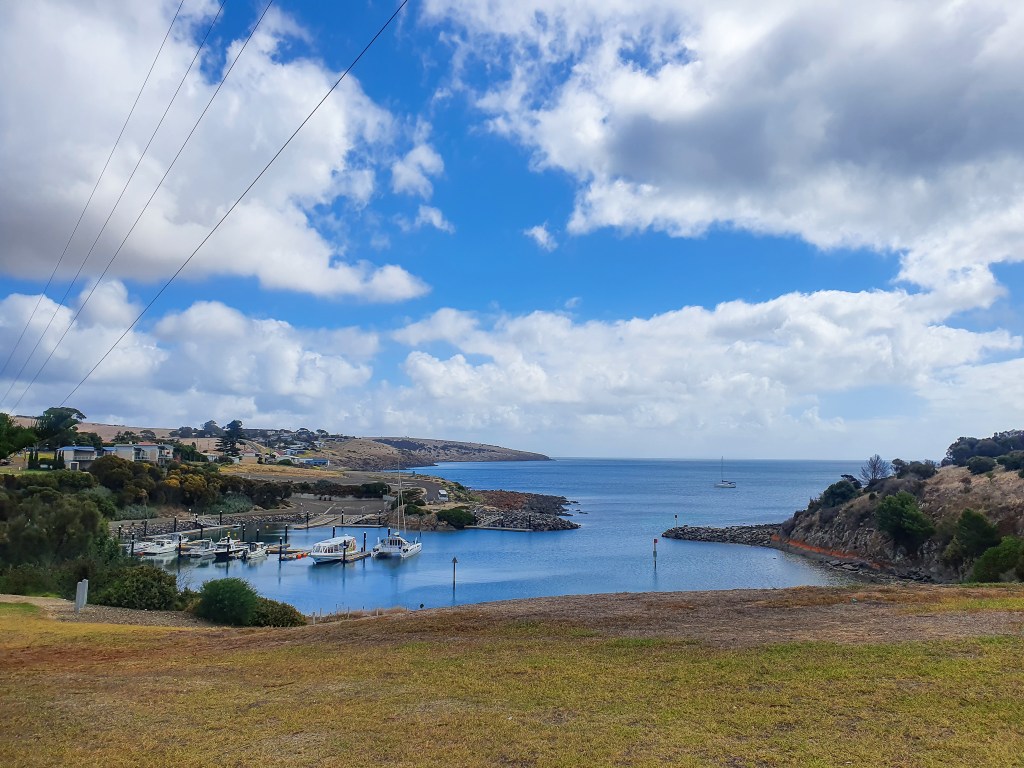
The next day was to be our last on Kangaroo Island, before tackling the overnight passage to Robe. We moved around to the very east of Kangaroo Island through the notorious Backstairs Passage. It was pretty rough and we hugged the coastline. Anchored at Antechamber Bay, we thought it could possibly be our last night on anchor. It seemed quite comfortable at first, but then an annoying little roll developed and set us rocking. Sigh. We tendered to shore and walked up the dry grassy hill. I was keen to stretch my legs and get some good exercise before being confined to the boat for another 24 hours.
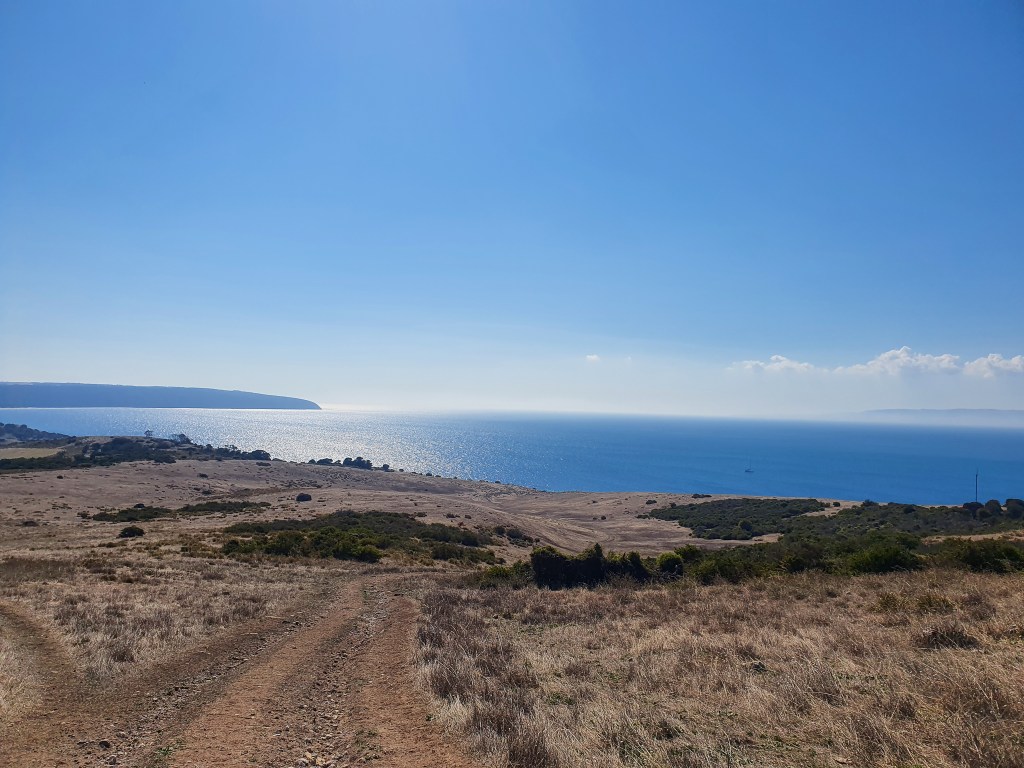
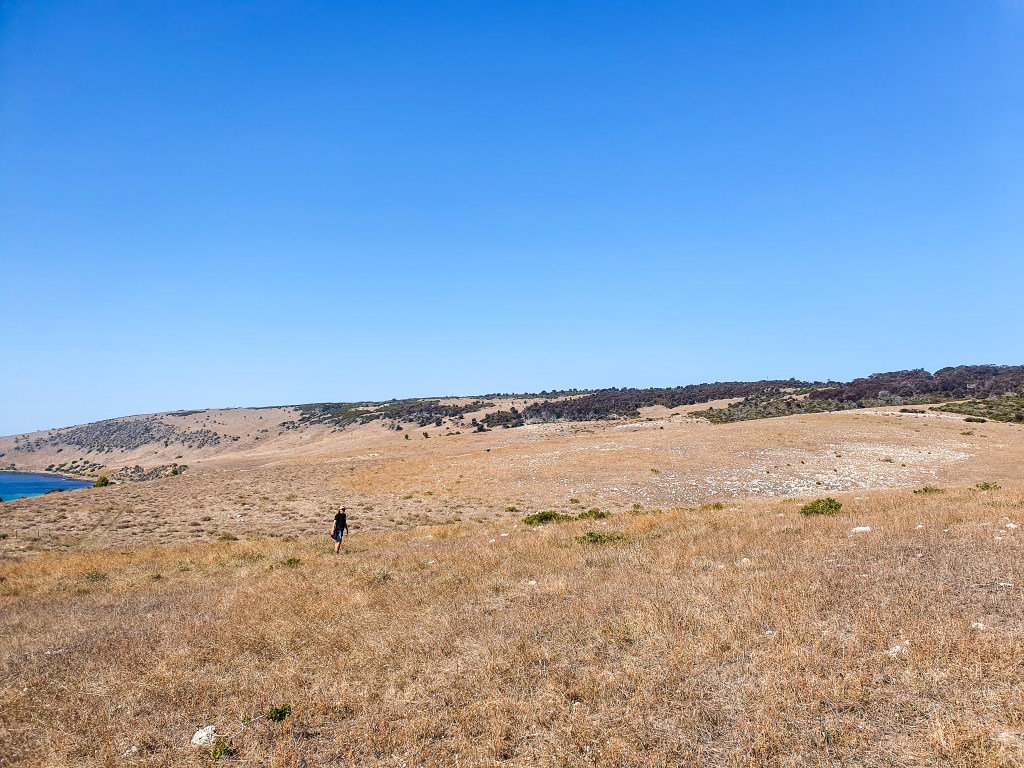
The sun was out and the skies were blue. We spotted one kangaroo bounding through the grass. It was beginning to dawn on us that we were at the end of our trip. That our incredible journey and amazing lifestyle was coming to come to an end for a while. But we were ready. It was time. Time to go home. Just a couple of big passages left and we would be home in a week or two.
Strength does not come from physical capacity. It comes from an indomitable will.
Mahatma Gandhi
 Cool Change