After safely negotiating Hells Gates, we were in the blessed calm of Macquarie Harbour. Although very narrow and not unchallenging to enter, the actual entrance was fairly unimpressive and unimposing and it turns out that the name Hells Gates has nothing to do with geography, rather it was the name given by the convicts sent here in the 1800s, when it was considered one of the most brutal and harsh convict prisons ever created. We were to discover a lot more about the penal history of the area over the next week.
But our first stop was Strahan, a charming waterfront village. After a bit of a rest and a good tidy up, we headed to shore to stretch our legs. Wandering along the waterfront we had lunch at Molly’s Cafe and checked out the laundromat facilities for later. Before heading back to the boat for an afternoon siesta we booked our tickets to that evenings performance of ‘The Ship That Never Was.’
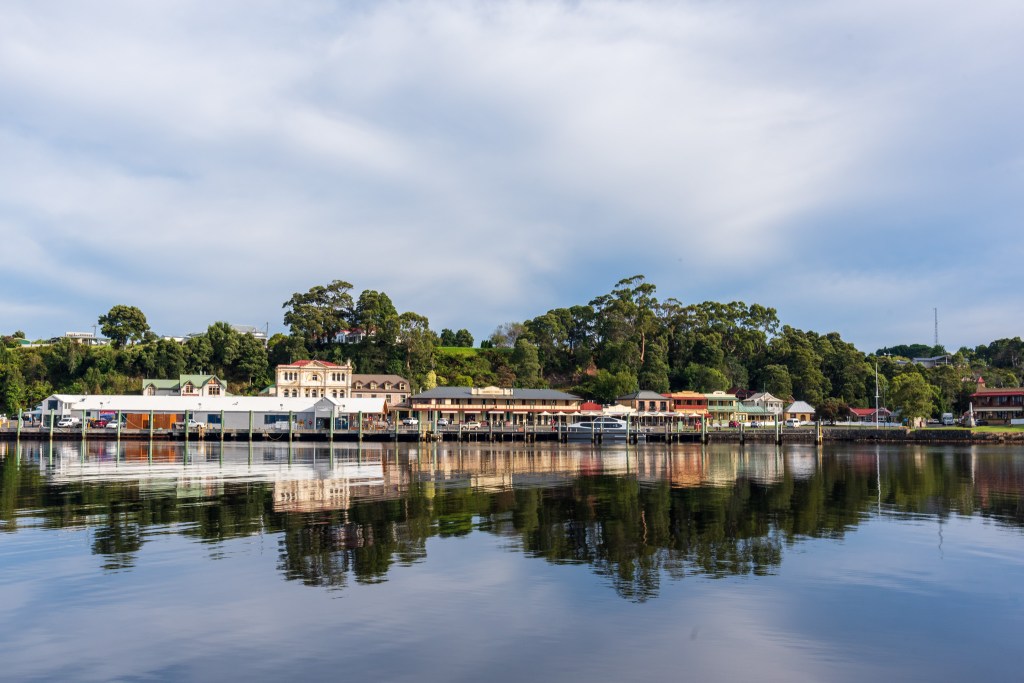
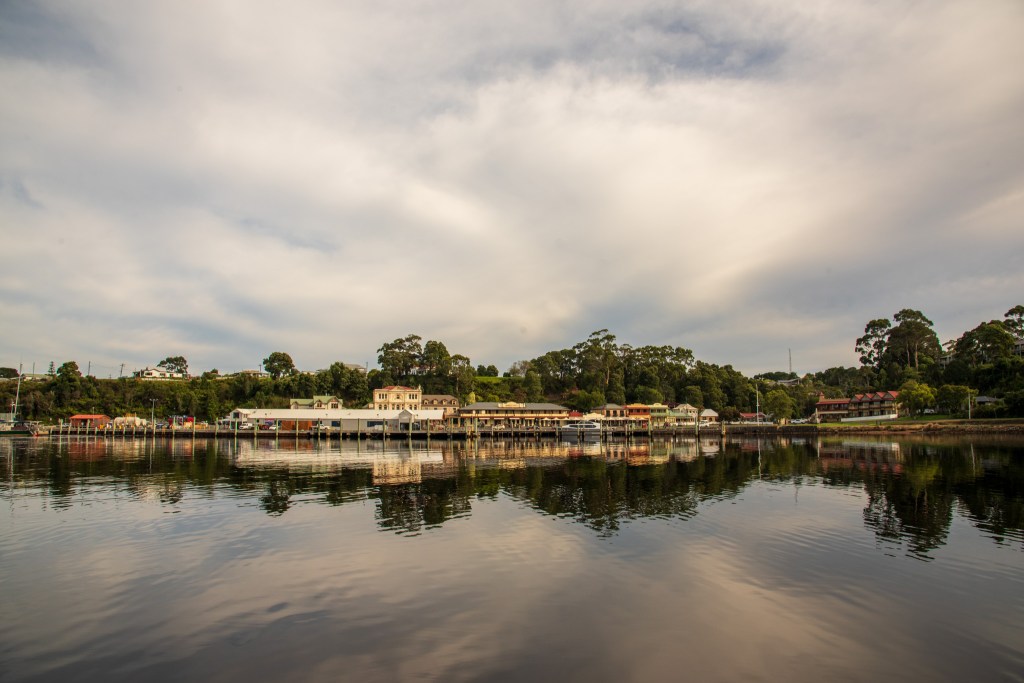
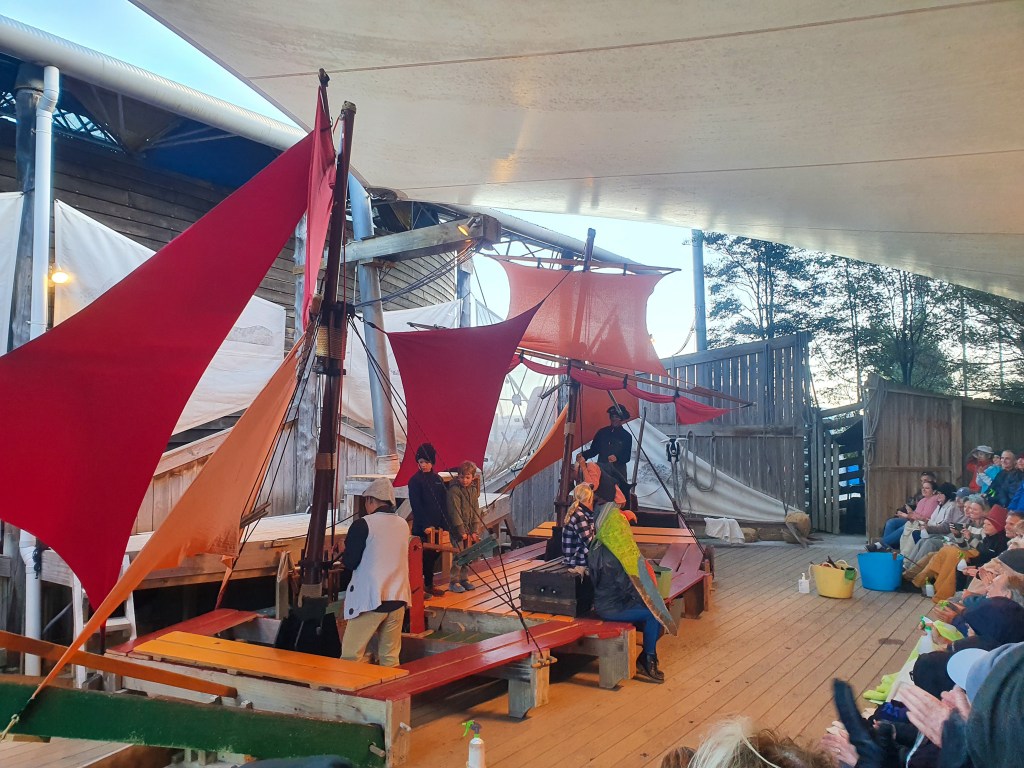
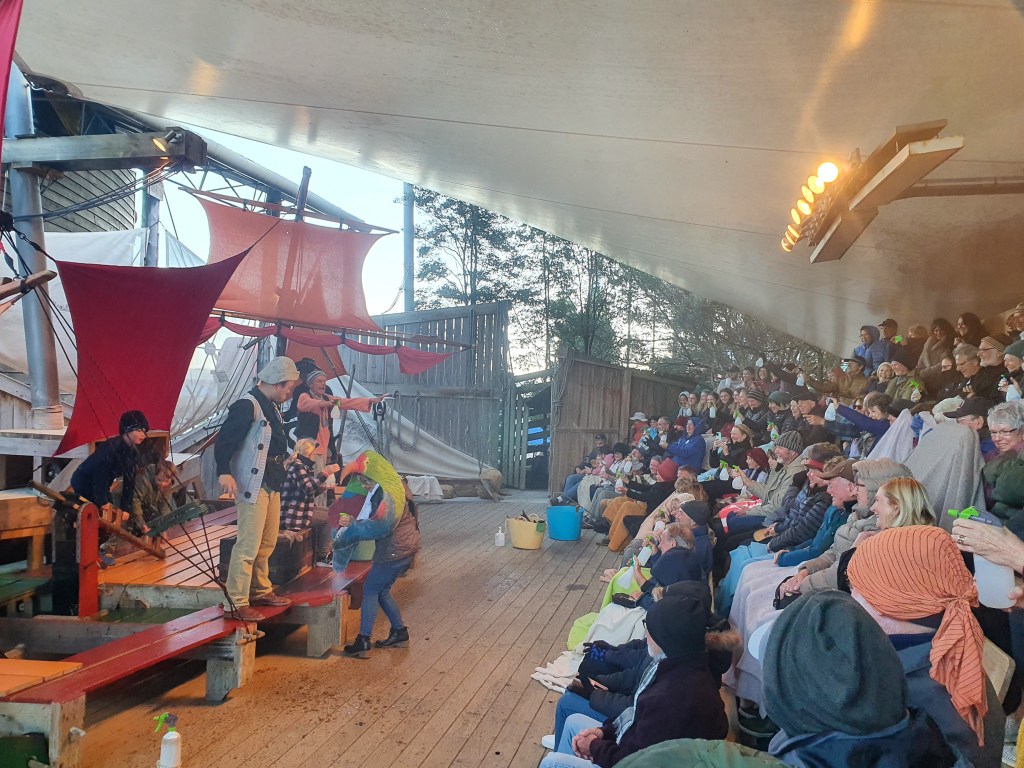
Although theatre productions are not generally our thing, this show had been highly recommended by several friends and it was just one of those things that one did when in Strahan. The show, touted as Australia’s longest-running play, has been performed in Strahan since 1994 and tells the dramatic true story about the last great escape from Sarah Island. Based on real events in 1834, it was very well performed and very funny. We would both recommend it as a must do when visiting Strahan. But when you do go, make sure to rug up. It was so cold in the little outdoor amphitheatre that the organisers handed out piles and piles of blankets to audience members. It had also sold out, so it was lucky we had pre-purchased our tickets. The Pub was also booked out, so considering how exhausted we both were, we headed straight back to the boat for an early night.
Feeling refreshed after a good sleep, we had a busy day of jobs. We moved the boat to the fuel dock, filling up with diesel and water and giving her a good hose down. Lots of people stopped by for a chat. I don’t know why, as it wasn’t holidays or a long weekend, but the town was chockers, with the Pub booked out both nights and the tour boats booked up for the whole week. Maybe this was normal for Strahan?
We used our new trolley to drag our laundry and groceries around, and after sneaking in a quick shower at the caravan park, went back to the boat to put it all away. While I was hanging laundry up around the boat to dry, I noticed a bee, but thought nothing of it, other than being careful of where I stood. Then I saw another, and another. Hmm, that’s a bit strange, I thought, going inside to warn Matt. Emerging just a few minutes later, there were bees everywhere. And they just kept coming. They seemed to appear from nowhere. One minute, there’d be a couple of bees in a particular spot, then you’d glance away, and a second later, there were four or five more in that same spot. They weren’t buzzing around or moving much, they seemed very lethargic. And it didn’t seem as if they were actively flying to the boat, it was more like they were floating down out of the sky and just landing on the boat.
It was truly weird, but it was giving me the heebie-jeebies. I don’t react badly to a bee sting, but Matt does, so being around that many bees was quite worrying. I really don’t like killing bees, but we did try to flick some away into the water, but after a while there were so many that it was pointless. Both barefoot, and dodging the bees, we decided the only thing to do was to shut all the hatches and bail off the boat for the afternoon. I could only hope that they hadn’t decided to set up home here and would eventually move off. I googled bee behaviour and swarming – is that what this was? There were also a heap of dead bees in the water around the boat. Surely this wasn’t normal? As it turned out, when we returned later that evening, there was not a bee to be seen. I still have no idea what it was all about. If anyone can tell me, I’d love to know.
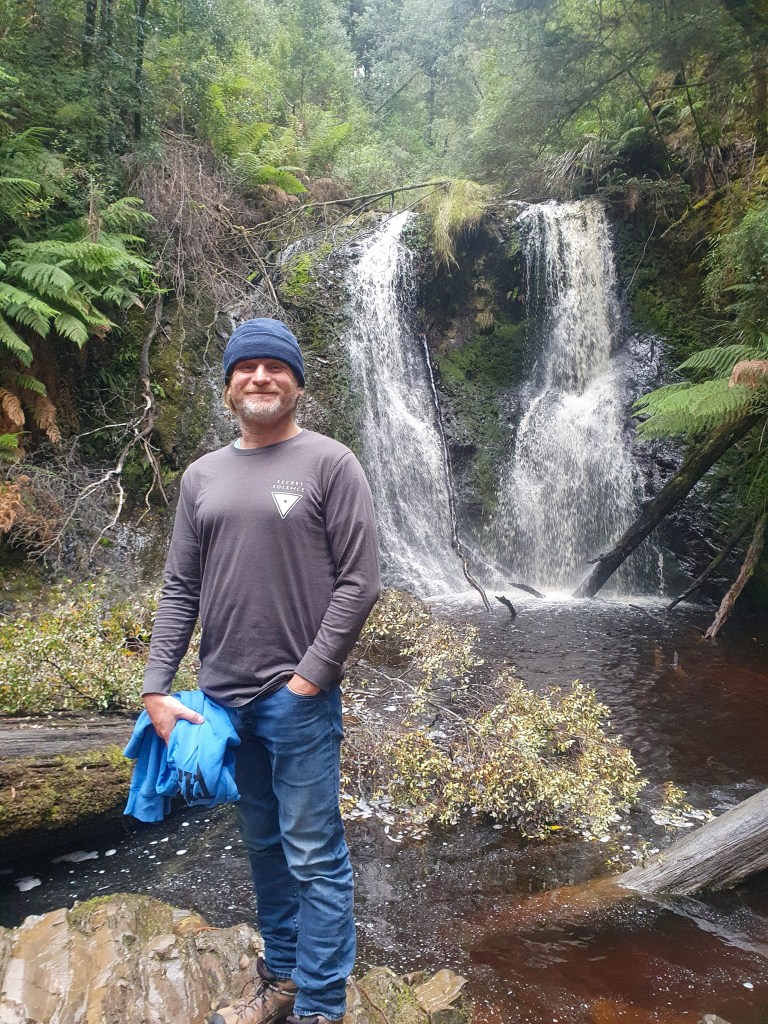
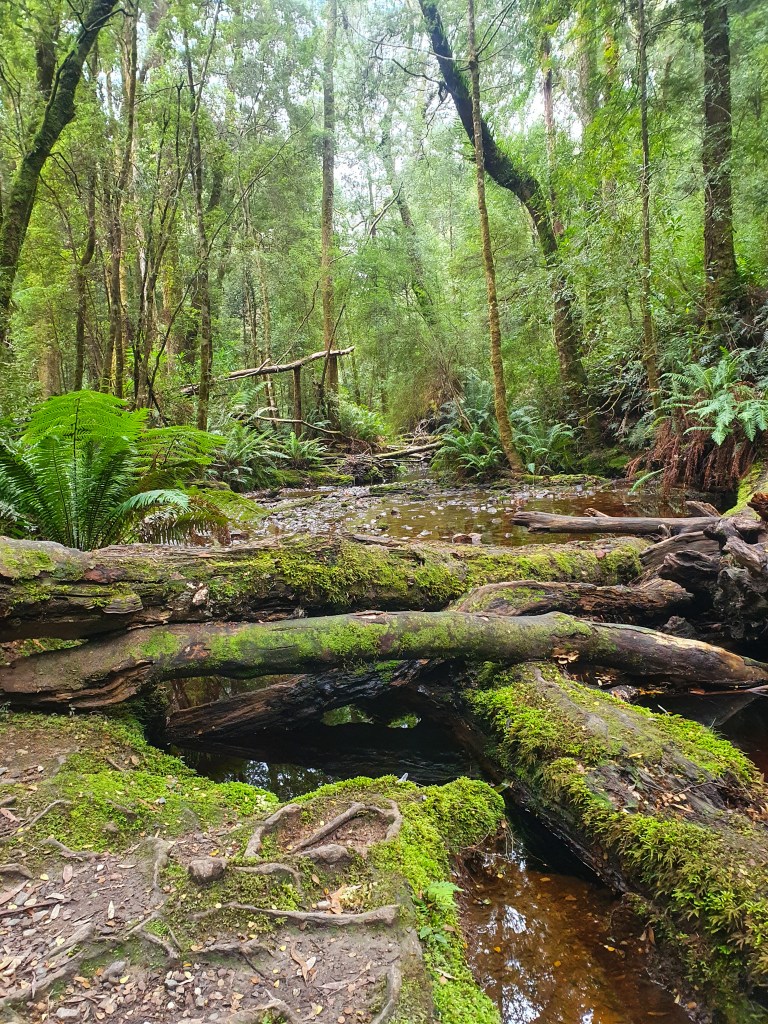
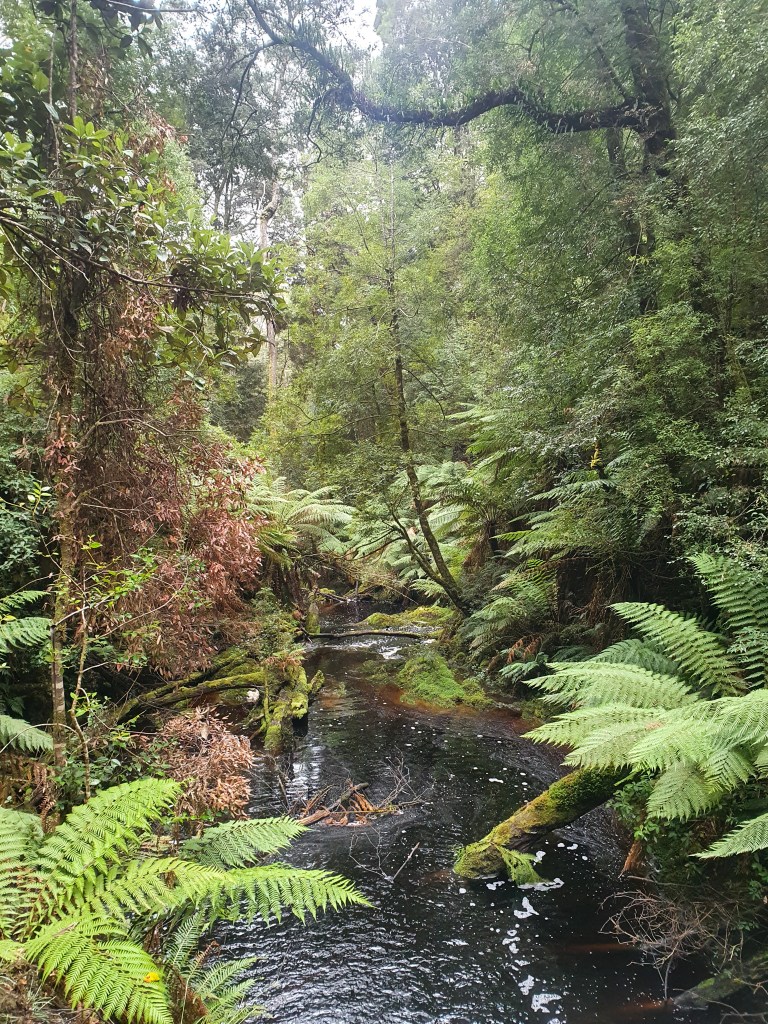
We walked to the nearby People’s Park and Hogarth Falls, soaking in the peaceful atmosphere of the huge trees and ferns. It was very green and very pretty. Ending up at the Pub, we spent the rest of the afternoon in front of an open fire with a wine or two.
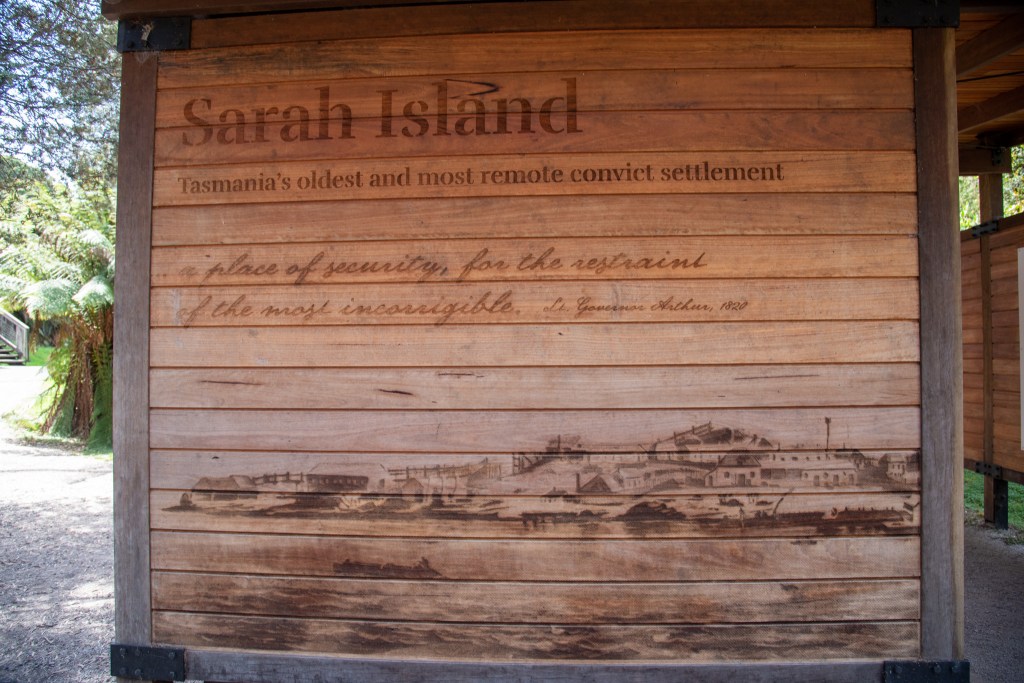
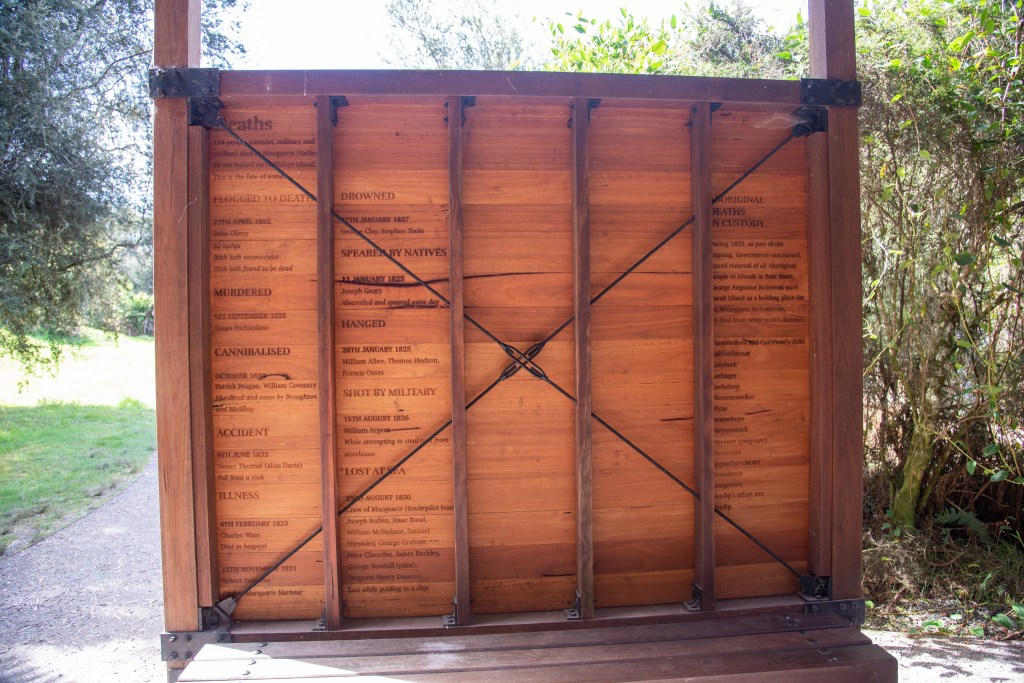
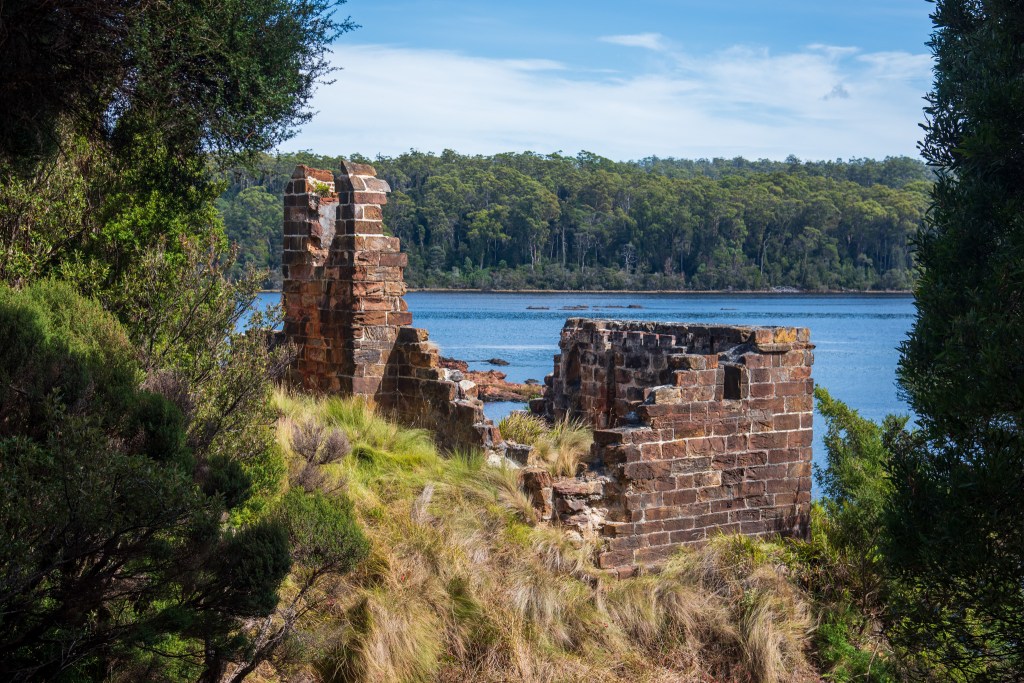
Leaving Strahan, we motored across the harbour to Sarah Island, dropping anchor outside the tiny island just as a tour boat docked on the other side. From 1822 to 1833, Sarah Island housed a penal settlement that was feared for its incredibly harsh and brutal conditions. Windswept and barren, it was regularly blasted with the full force of the Roaring Forties as well as relentless rain. It was seen as a highly secure location, partly due to the isolation of the island itself, but also due to the fact that any convict trying to escape had not only to get across the harbour but to hack their way through the impenetrable rainforests of the west coast. There are some incredible tales of escape attempts, some even involving cannibalism, with almost all failing spectacularly.
Described as “a place of degradation, depravity and woe,” it was reserved for the worst behaved convicts and repeat offenders and it must literally have been hell on earth. Although primarily chosen for its isolation, the island was also intended to be a place of industry and the convicts were put to work. The surrounding rivers were lined with Huon pine trees, a timber that was ideal for shipbuilding and convicts laboured under the harshest of conditions in the rainforest, felling Huon pines for boat building. In just a few years, this tiny convict outpost became the largest shipbuilding yard in the British colonies.
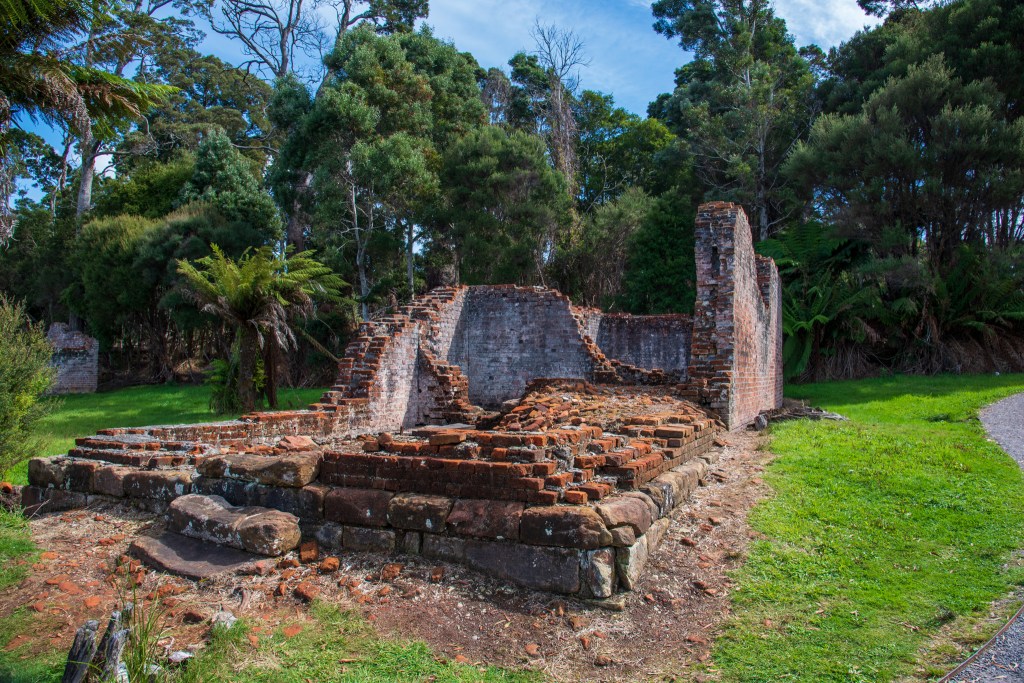
I had read several books based on real life stories from Sarah Island and was keen to see the island for myself. We wandered through the site, marveling at the stark juxtaposition of the convict ruins against the incredible beauty of the surrounding wilderness.
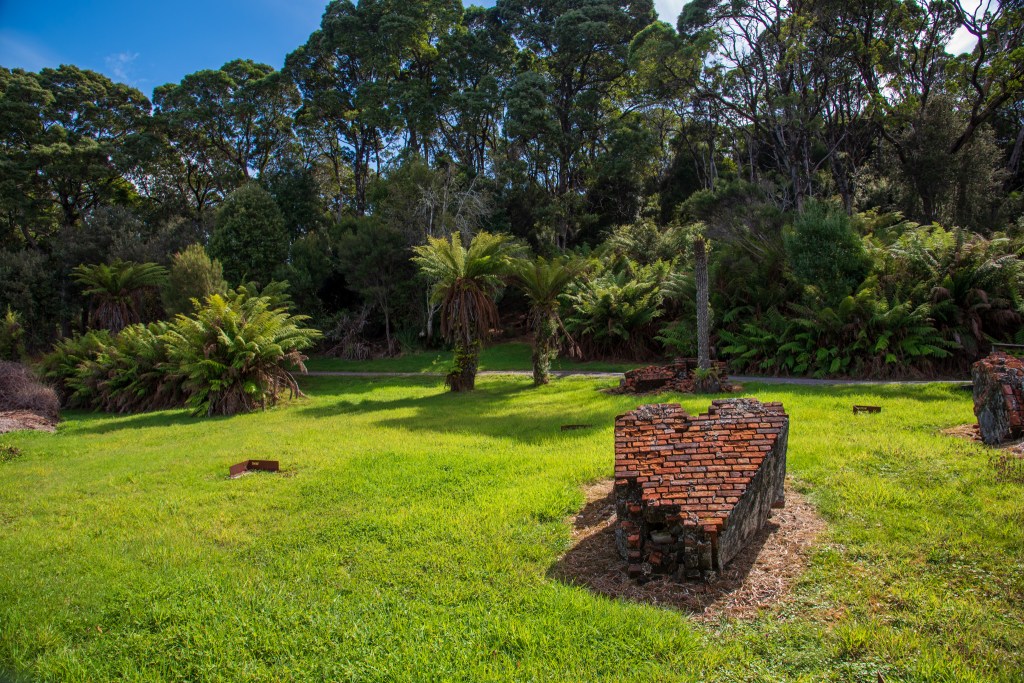
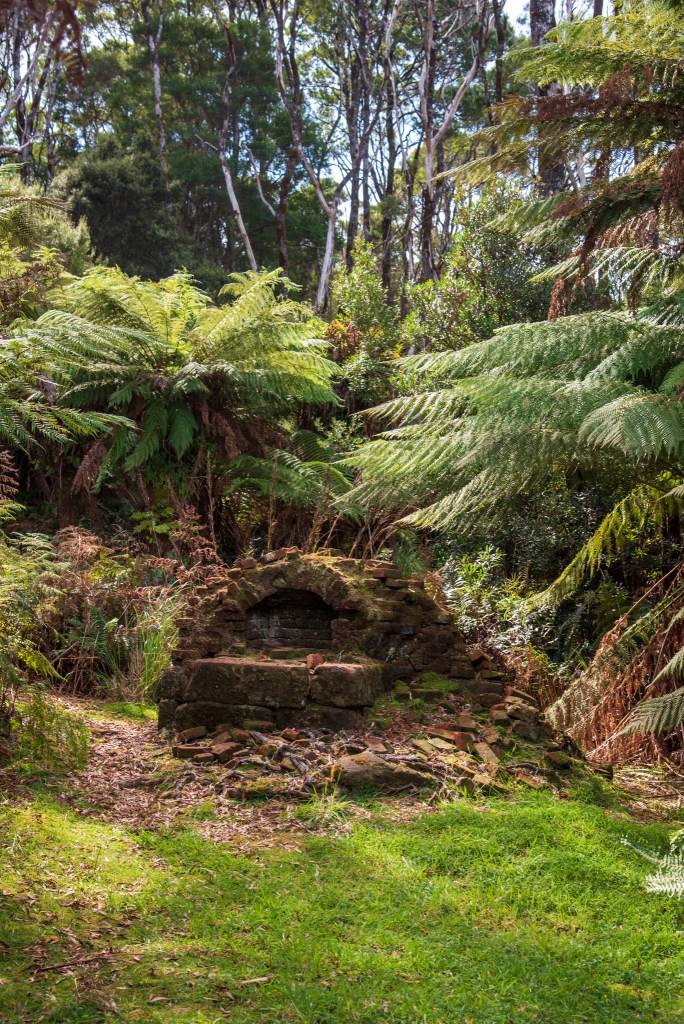
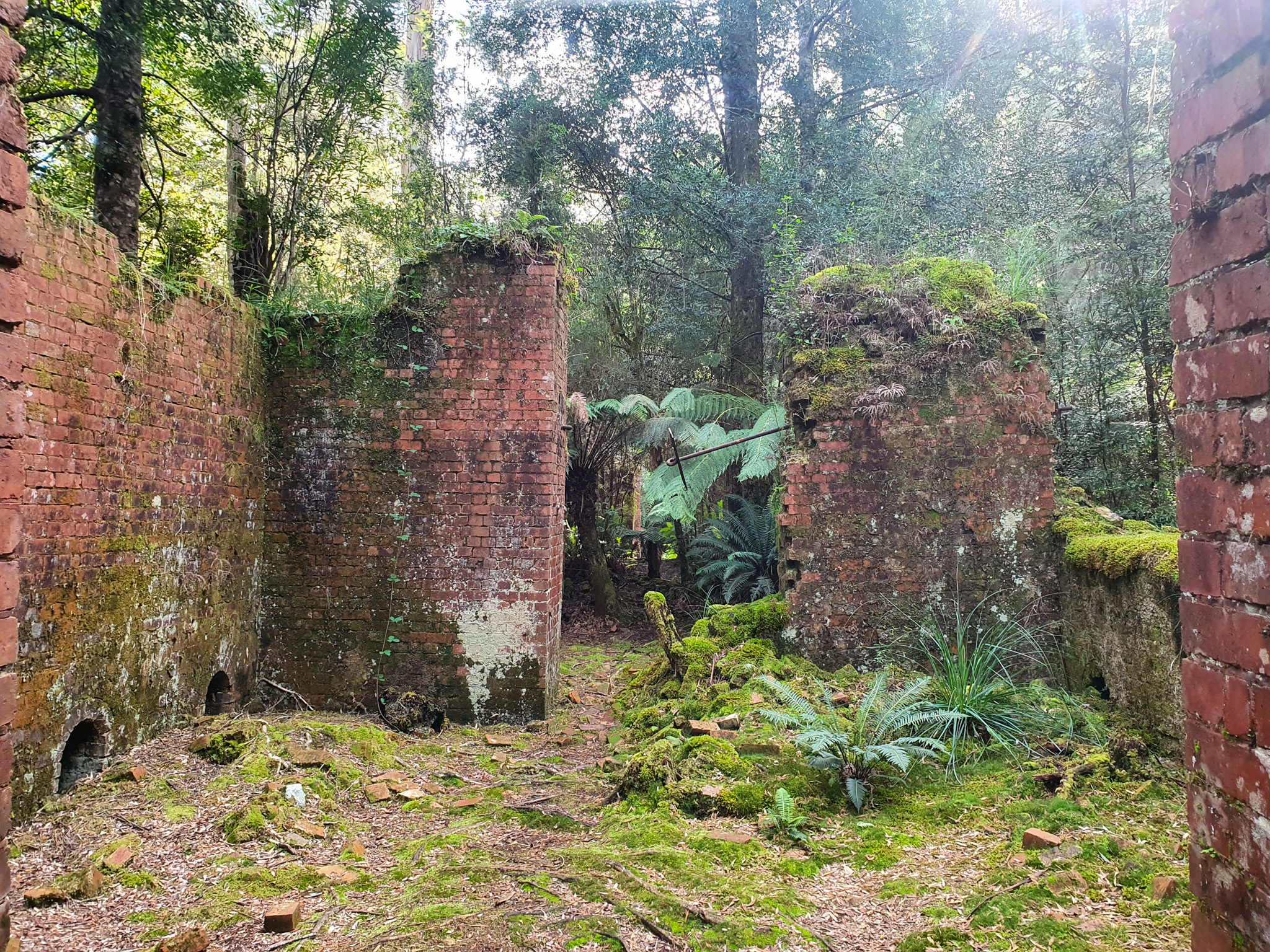
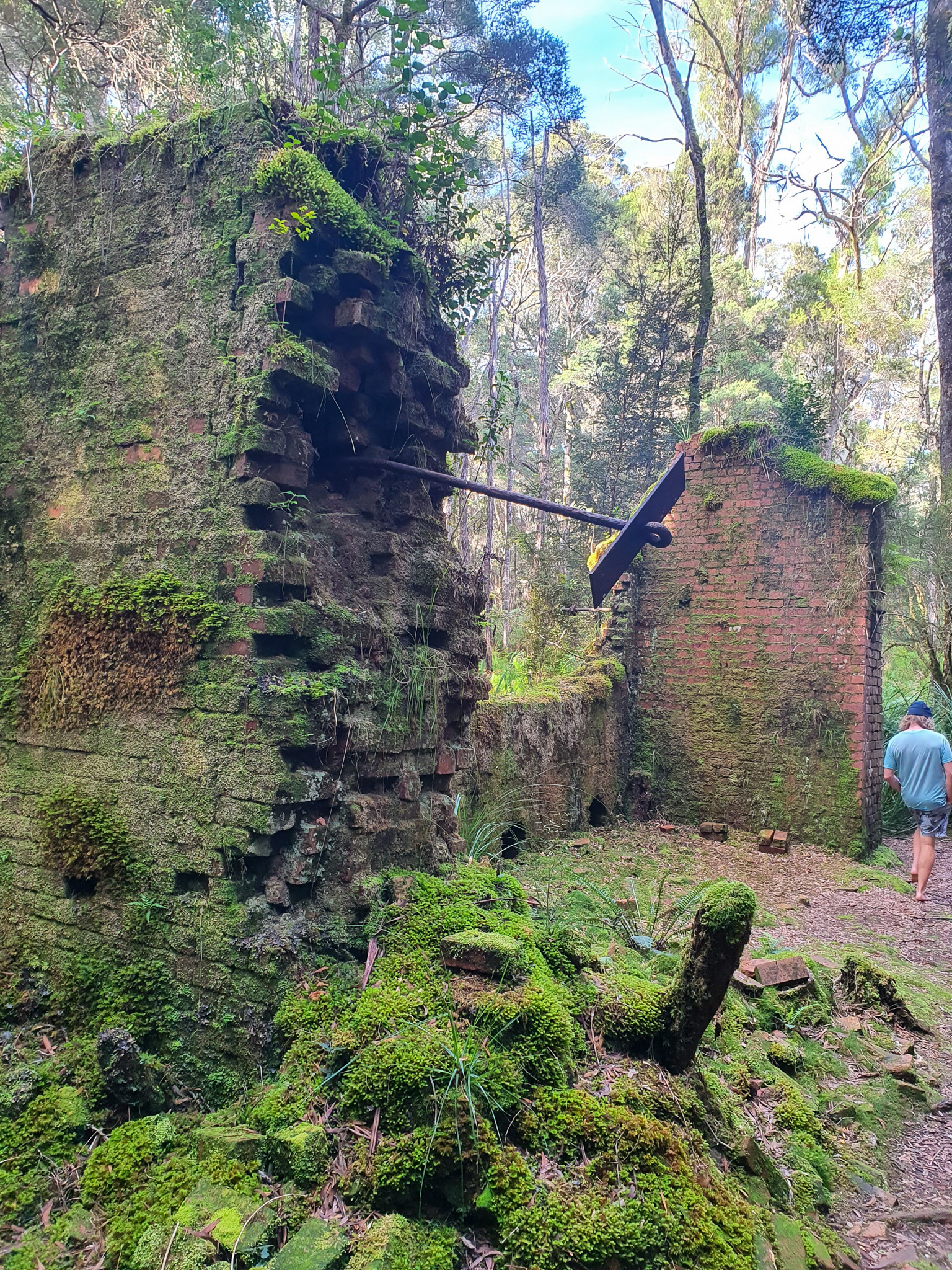
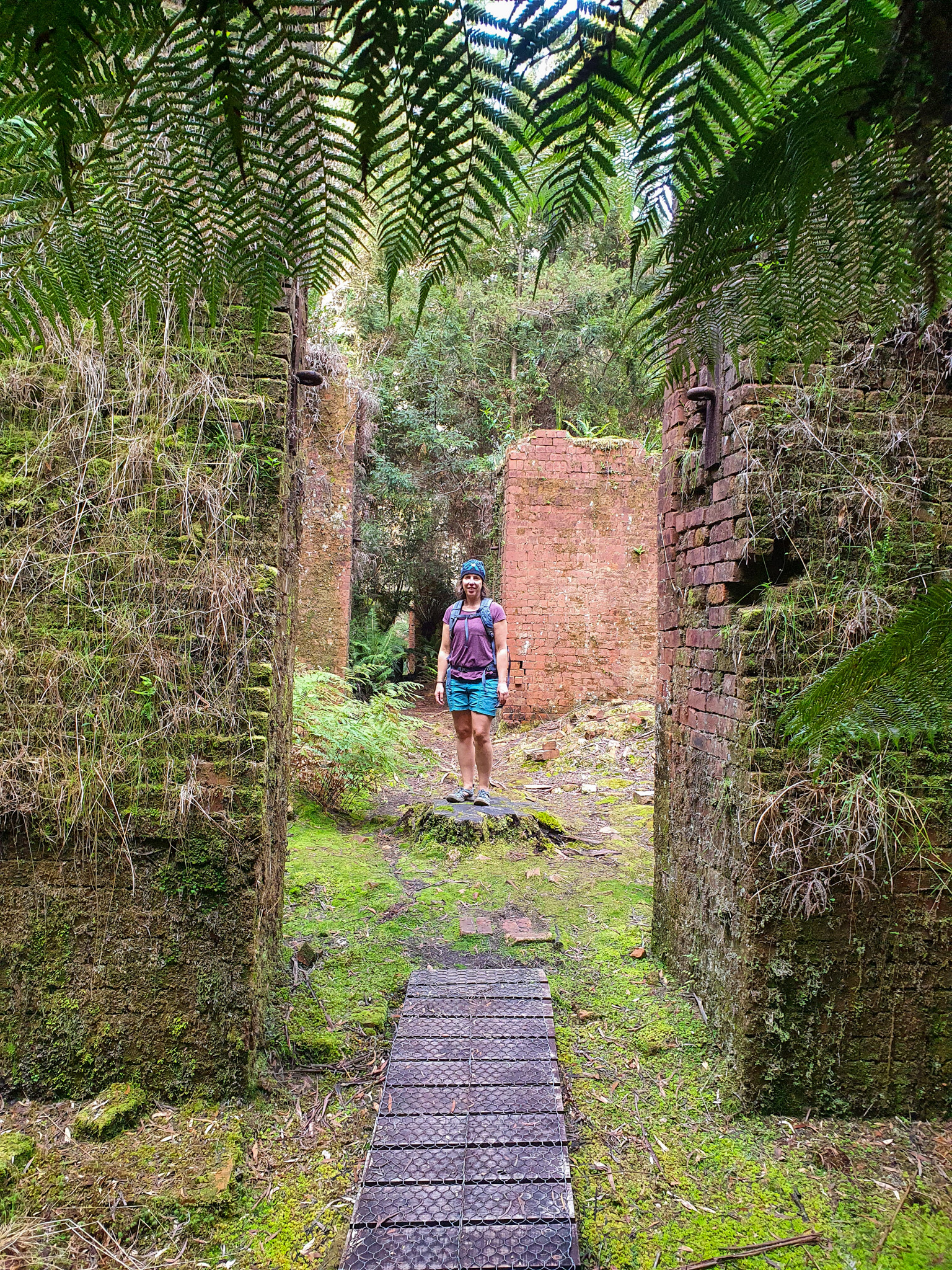
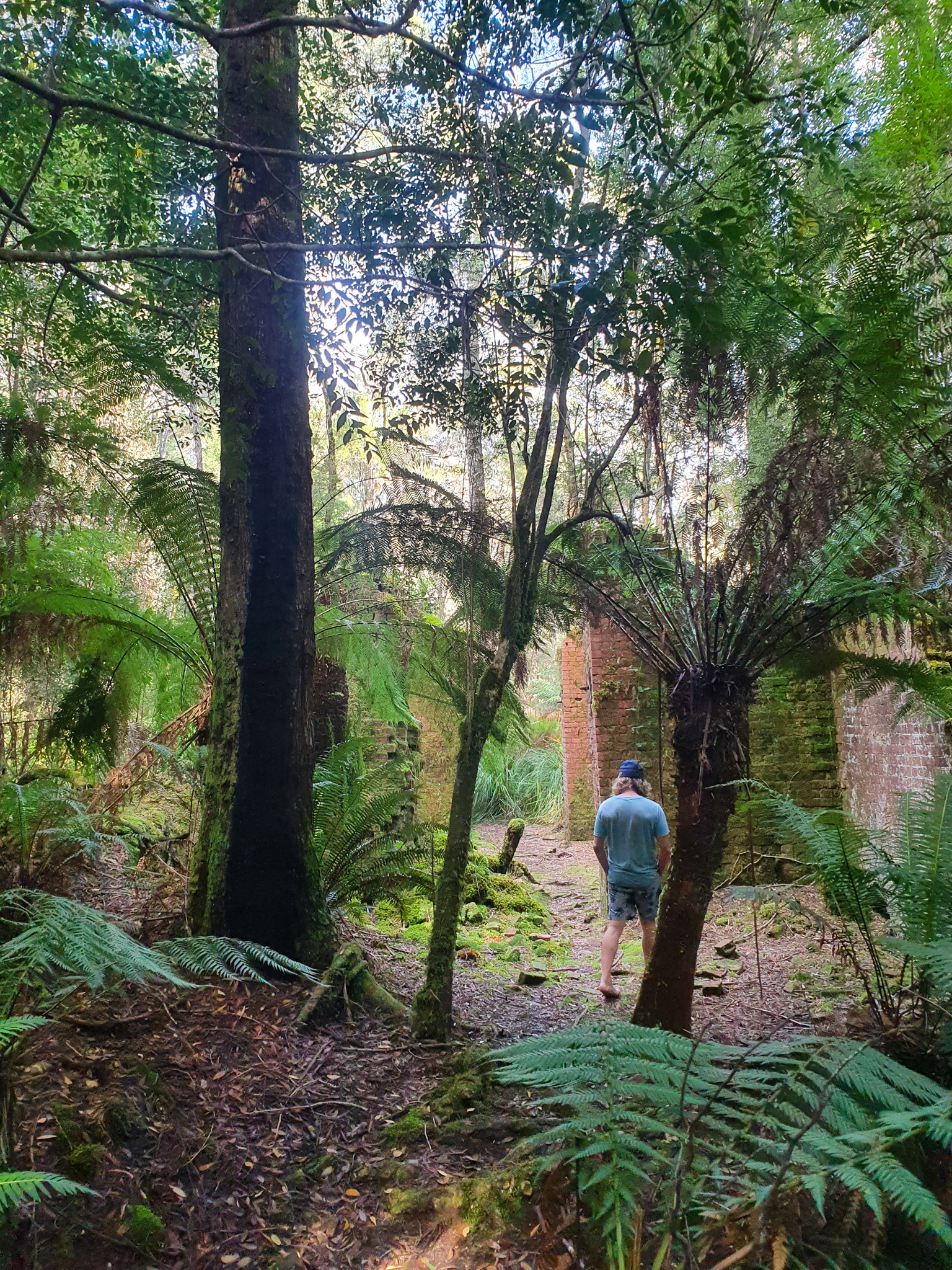
Departing Sarah Island we motored across to Kelly Basin where the twin towns of East and West Pillinger once stood with a population of over 1000 people. In the early 1900s, East Pillinger was a bustling port town for the North Mount Lyell Mining Company’s rail line which ran from Queenstown bringing copper to be exported. The adjacent town of West Pillinger was a government town, boasting stores, hotels and a police station.
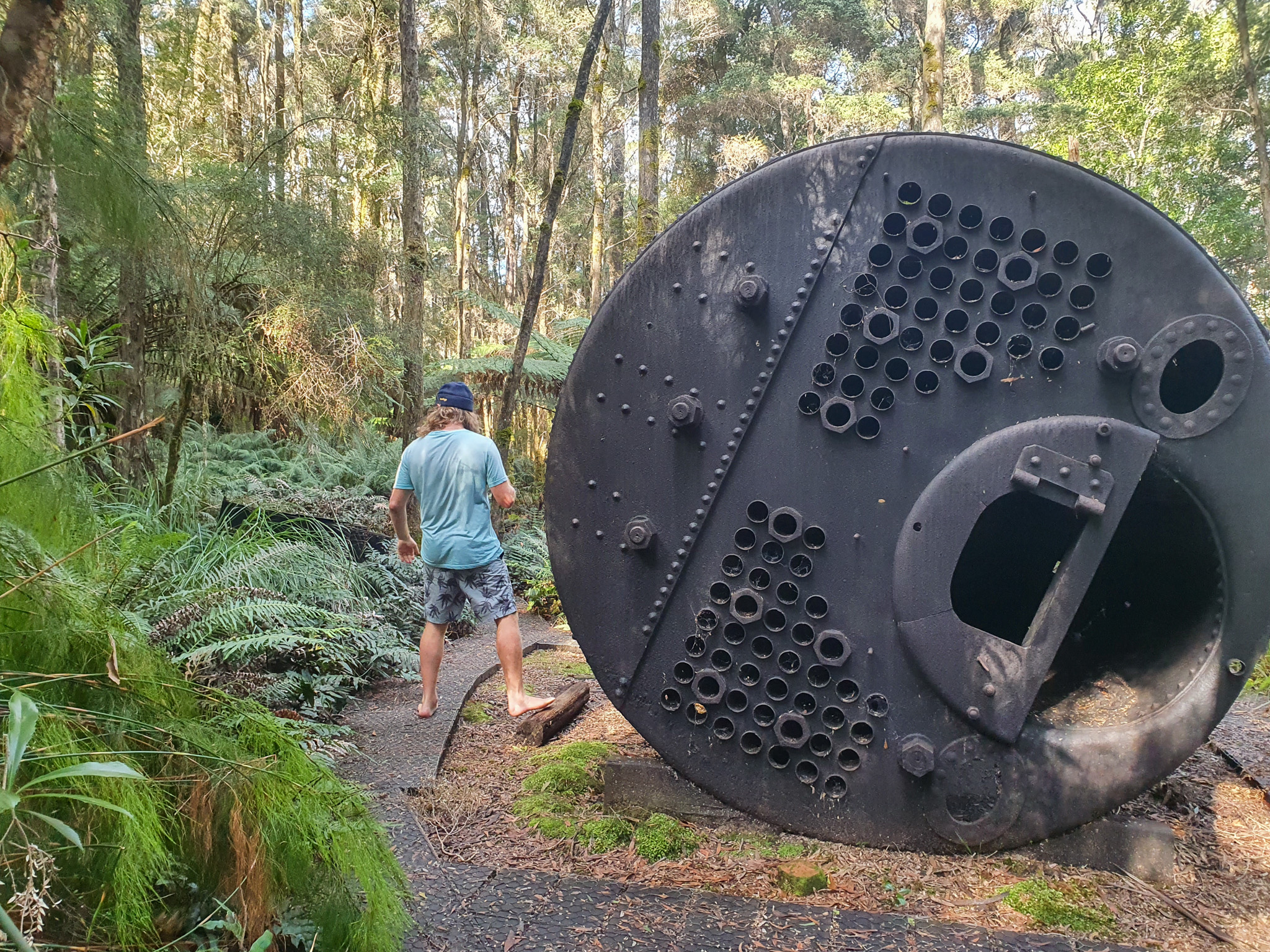
We explored the remnants of the two towns which included brick kilns, parts of buildings, giant metal boilers and an old wharf. It was amazing how the bush was growing over, on and through the ruins, covering bricks with moss and subsuming the structures back into the forest.
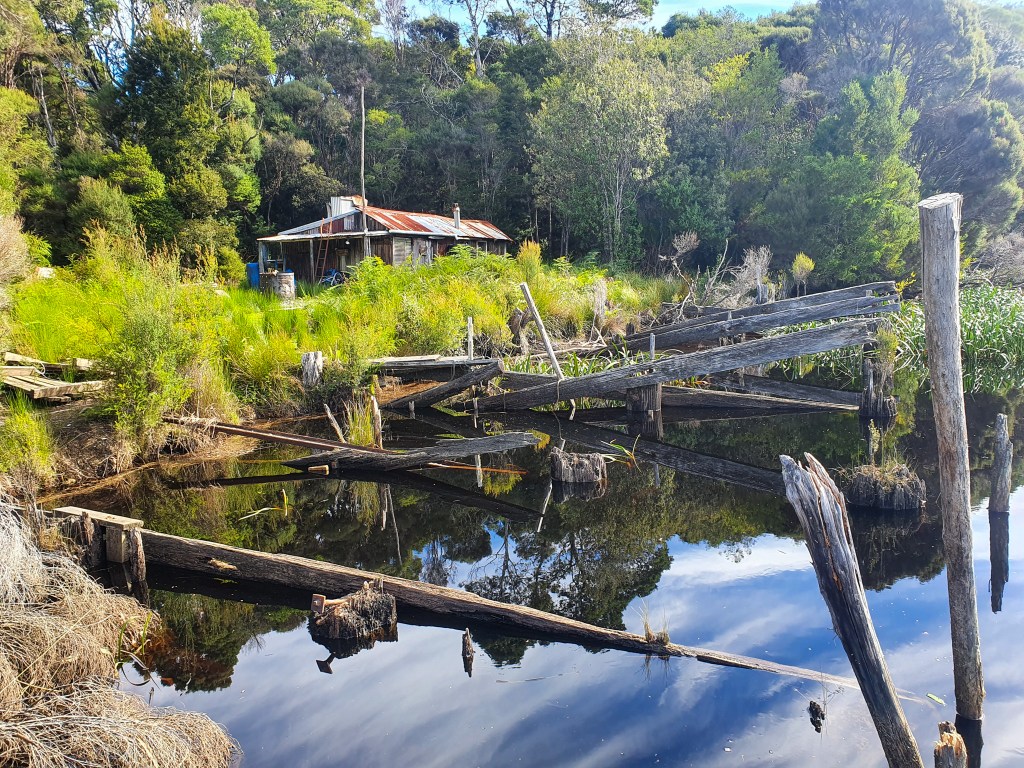
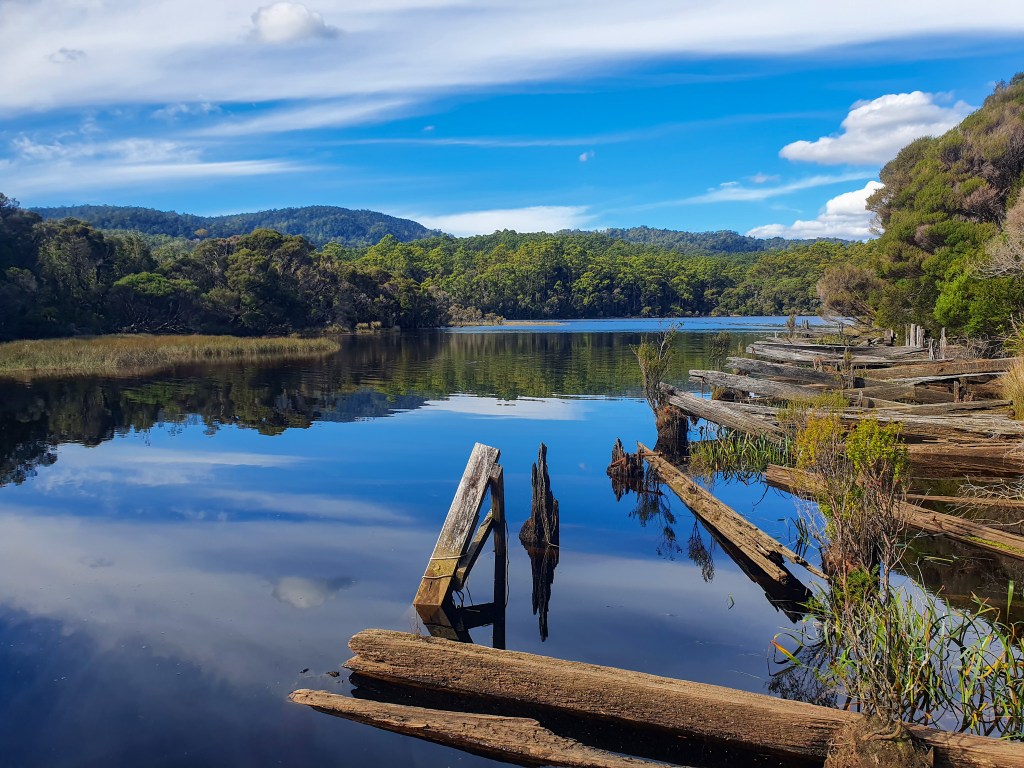
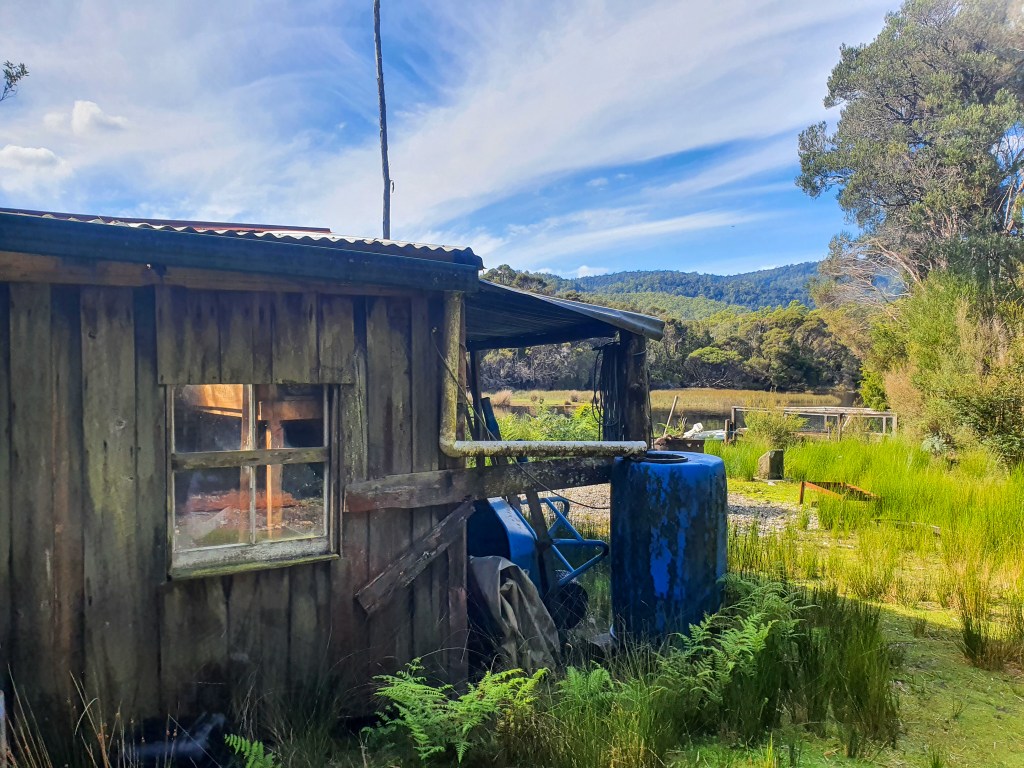
East Pillinger, Kelly Basin, Macquarie Harbour:
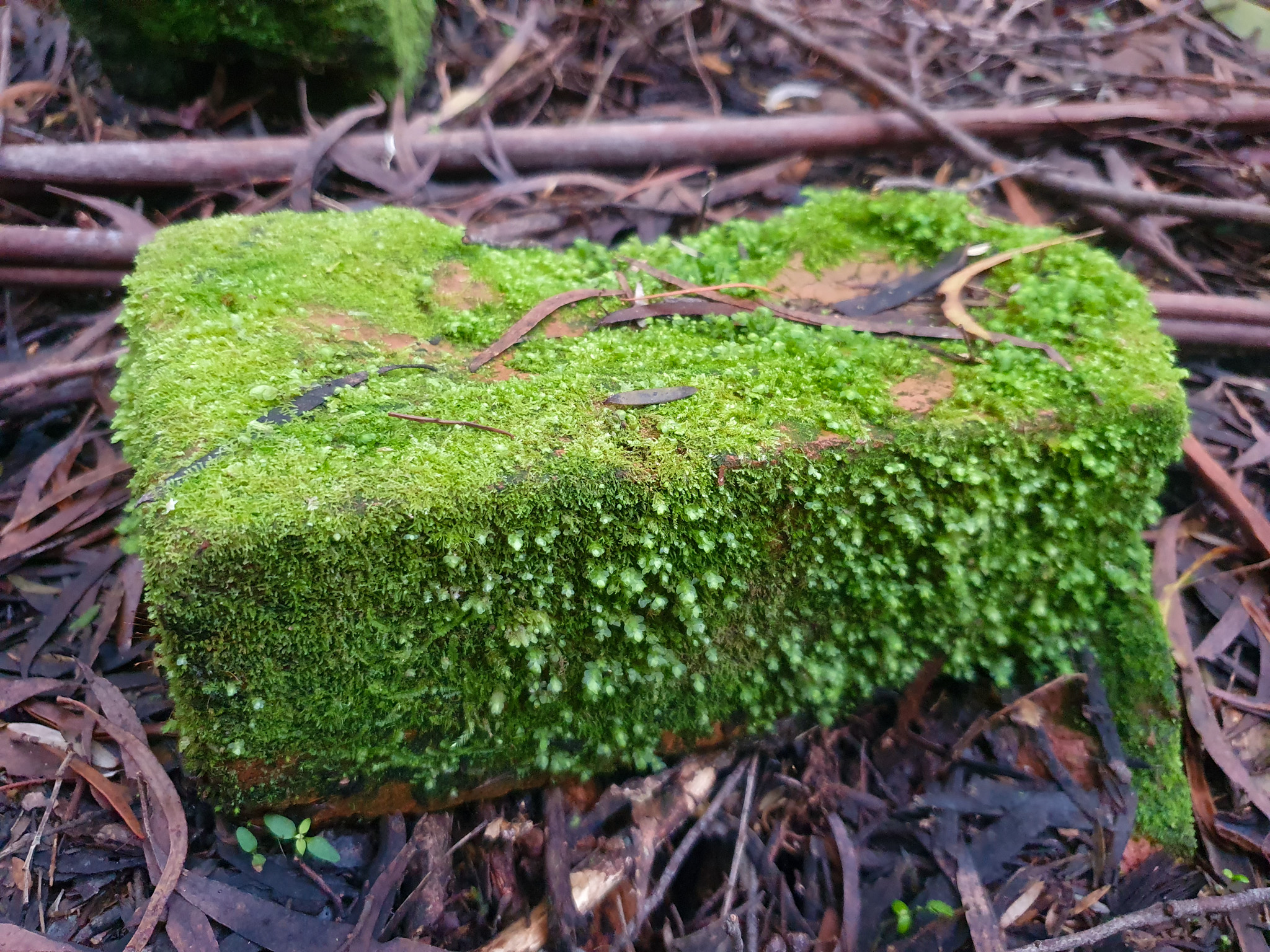
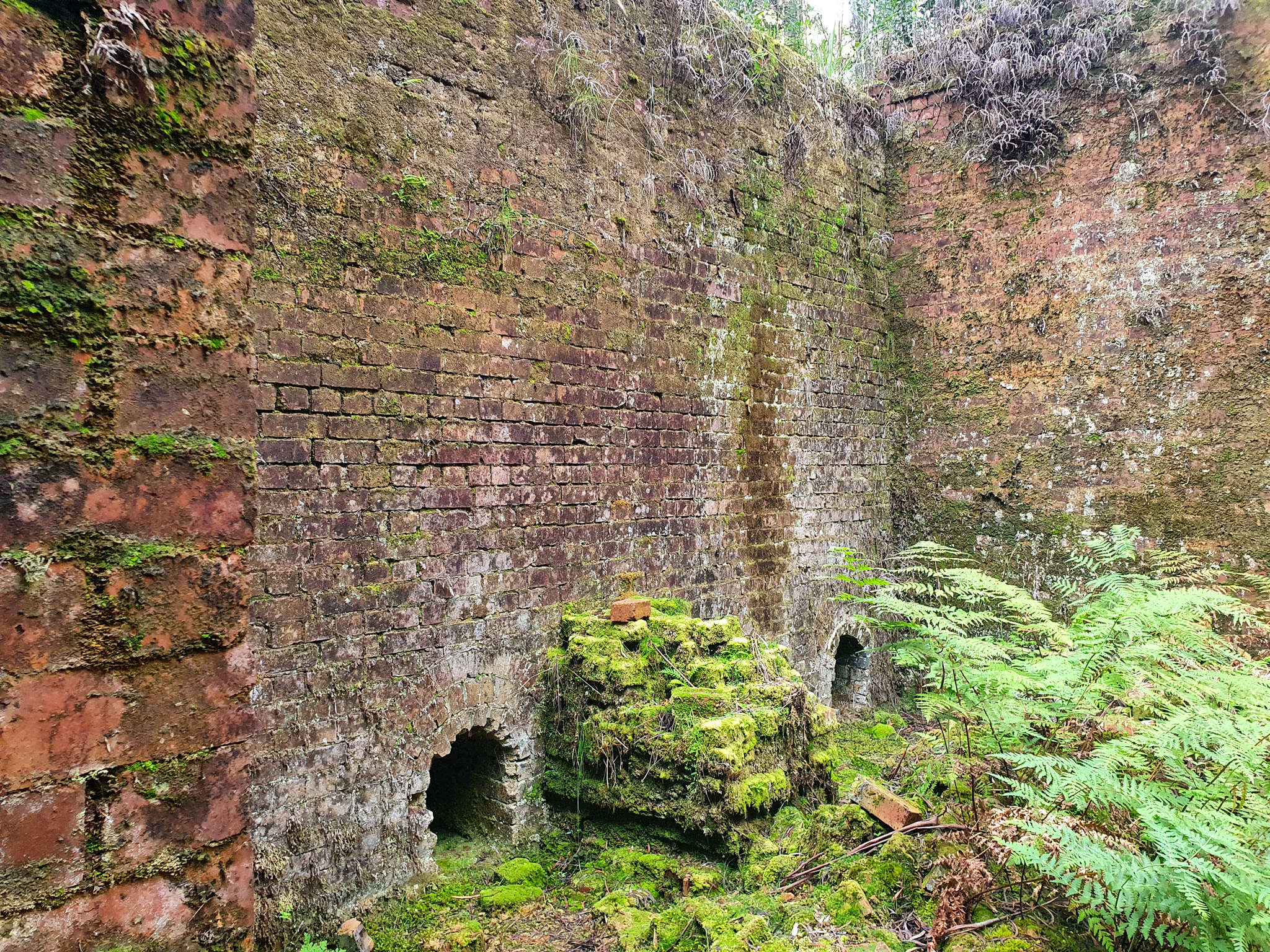
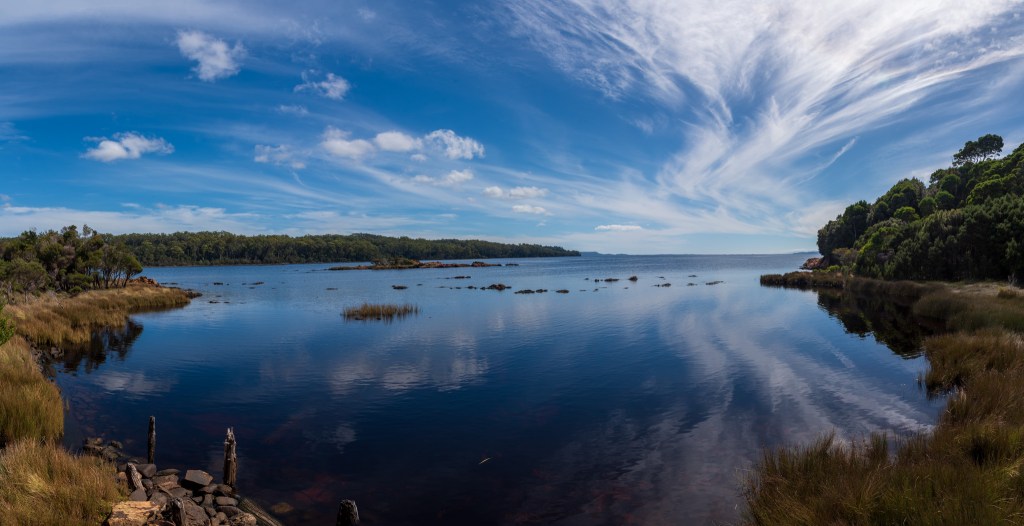
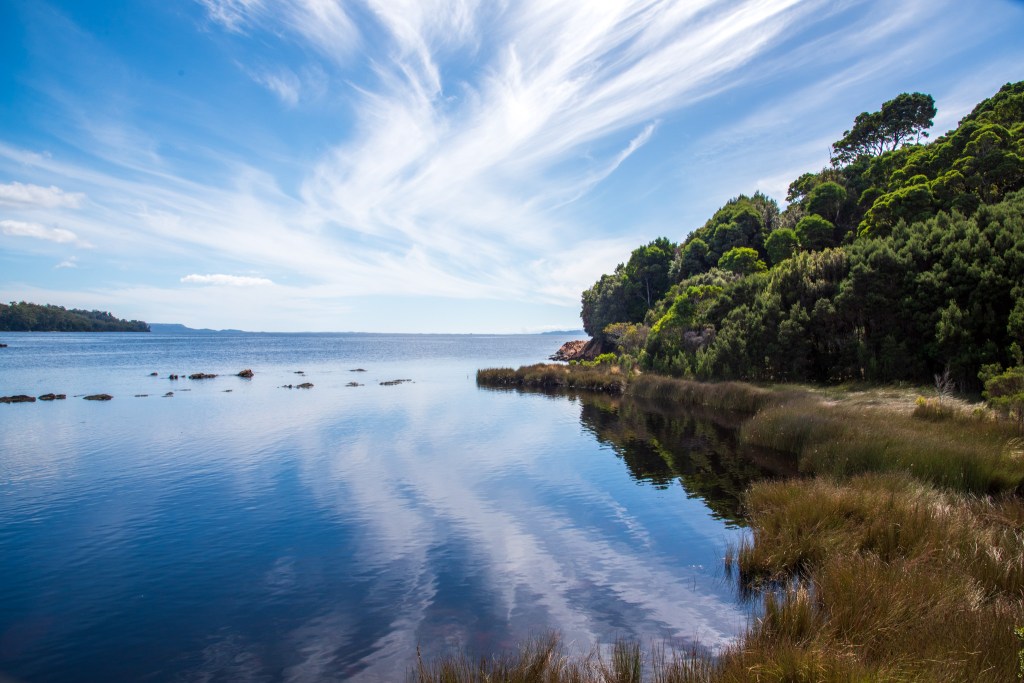
Back on the boat, we spent the afternoon enjoying some sunshine and the calm, calm conditions. Matt put the drone up to capture the vast expanse of the harbour, which is six times the size of Sydney Harbour.
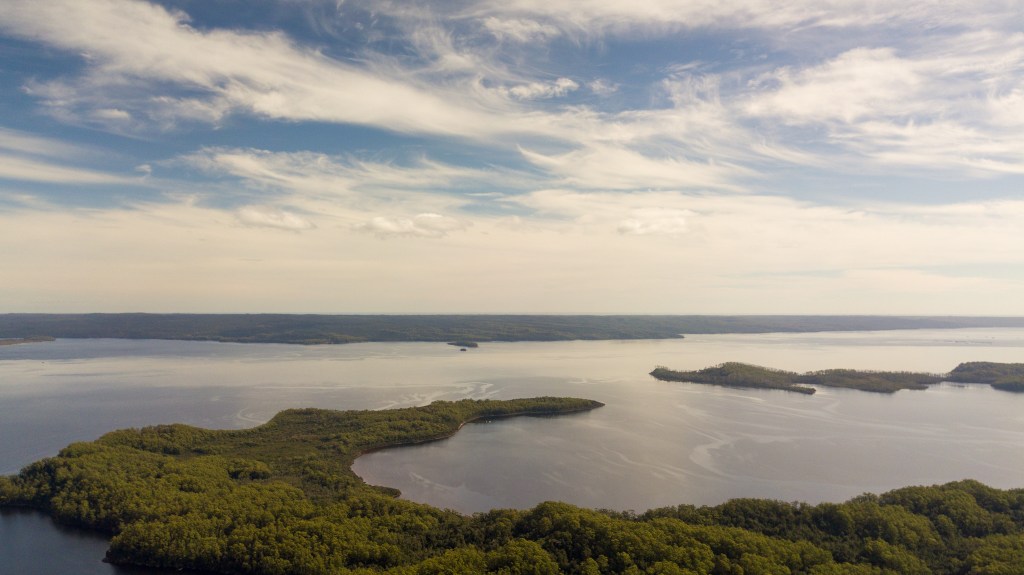
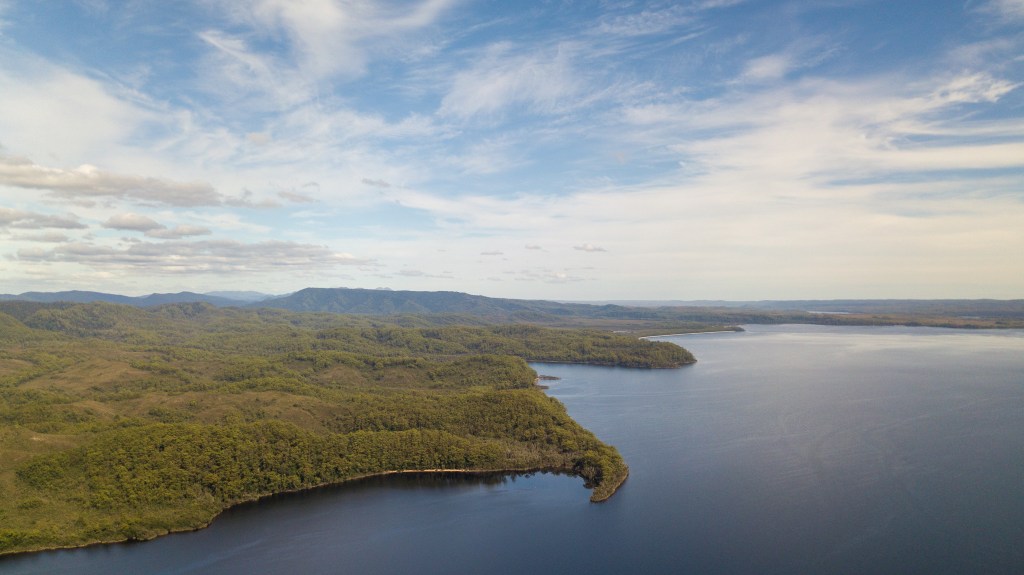
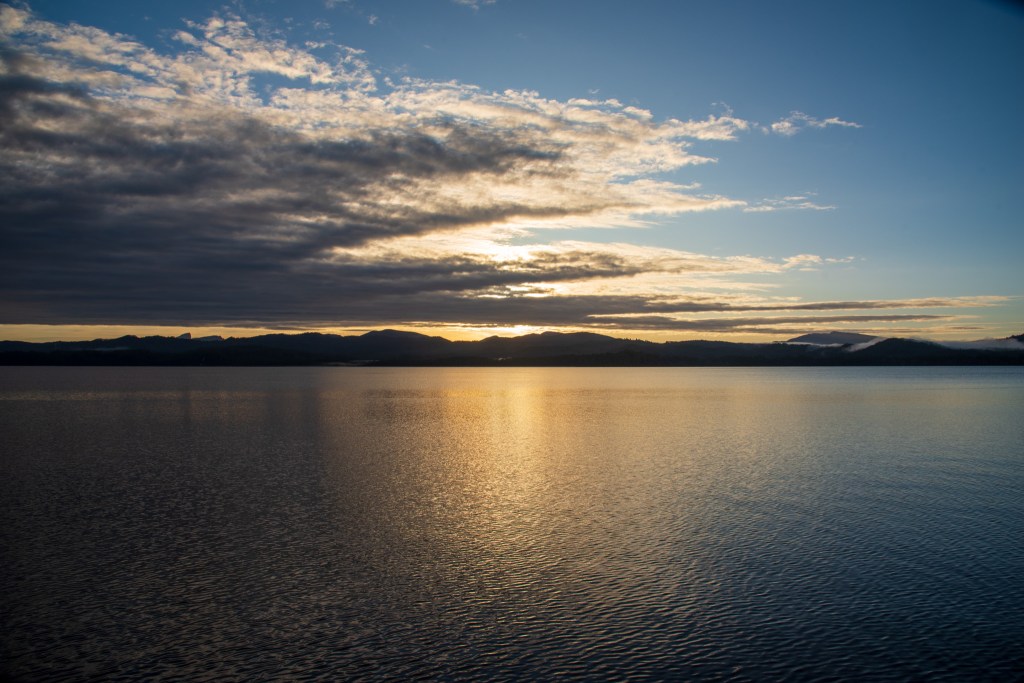
It was early to bed and on with the alarm as we planned to rise at sun-up to cruise up the Gordon River. It had been eight years since we last visited the majestic river and I couldn’t wait to be back there.
If bees only gathered nectar from perfect flowers, they wouldn’t be able to make even a single drop of honey.
Matshona Dhliwayo
 Cool Change
Thanks Lisa another very interesting post, it’s amazing how old structures are eventually covered over by the native vegetation,and become totally consumed.
LikeLike