We had a whole day at the Beauty Point marina and guests notwithstanding, that meant what it usually meant – jobs!! Harj and I grabbed a lift into town with Luke, the marina caretaker, stocking up on fresh food at the supermarket and exchanging a gas bottle at the servo. Meanwhile, Matt and Dylan hosed the boat down and filled our water tanks. There had been a lot of threats from Uncle Matt to Dylan that he was to scrub the boat with his toothbrush, however I’m pretty sure Dylan was excused for good behaviour.
Later, I did laundry at the local laundromat while the boys all went to Seahorse World. Apparently it was very interesting and they learnt the difference between seahorses and seadragons. Matt now wants a tank of seahorses for pets. Watch this space, I guess!
We had a lovely lazy afternoon and celebrated Australia Day with sausages in bread for dinner. The weather was strange; hot sun one minute, then heavy cloud and cold the next. A warm wind alternating with a cold wind. Four seasons in one day doesn’t appear to just be the domain of Melbourne! In the evening, Harj was treated to a classic cruising experience. A couple wandered up to our boat and said Hello. Matt got chatting to them and after a while invited them onto the boat for a look, which turned into an offer of drinks. And so it was that several hours and many topics of conversation later, our new friends, Jill and Al, left, a little worse for wear, as was Matt who fell asleep on the couch.
It was probably fortunate that we had to wait for the tide to turn before we could set off the next morning. We had a slow start to the day and then motored around to the Port Dalrymple Yacht Club to fill up with diesel. There were some strong gusts blowing through as we attempted to tie up on the fuel jetty so I was very grateful to have crew on board to help with throwing and catching lines.
But finally we were off, ready to show our team a different type of cruising. No sailing for us, this time we’d be motoring upstream and Dylan was very keen to have a go at the helm. He did a great job of steering us, with Captain Matt keeping a watchful eye beside him. It was very quiet on the river, not many other boats about, and we’d timed the tide well so we were being pushed along nicely by the current, averaging six to seven knots and even hitting nine knots through a few stretches.
Dylan at the helm, Tamar River
The boys all went up to the bow to watch as we glided under the Batman Bridge. Taking a sailing yacht under a bridge is quite a strange sensation as it appears that the mast is too high to fit underneath. The closer you get to the bridge, the more impossible it seems that you will be able to pass under, and then all of a sudden, there is the bridge looming high overhead and quite amazingly, the mast is immediately dwarfed. When we were discussing fitting under the bridge, Dylan suggested manifesting to make sure. ‘Uh uh,’ said Uncle Matt, shaking his head, ‘when it comes to yachts and bridges, we know for sure, we don’t just manifest!!’ And even though I knew the Batman Bridge was 28 metres high and our mast is 20 metres tall, meaning we had plenty of clearance room, I still found myself a teensy bit nervous!
Cool Change going under the Batman Bridge on the Tamar River Photo courtesy of Harj Chand
We reached Rosevears in the early afternoon but our chosen pontoon, right outside the pub, was occupied so we tied up on the other side of the river and went for a walk. After a while, we moved back over and anchored just outside the pub. Matt ferried us all to shore and we secured a table at the Rosevears Hotel where we could keep a watch on the pontoon. The restaurant was lovely and we shared a delicious grazing platter. As soon as we saw the boat begin to move off the pontoon we wanted, Matt and I were out of our seats and rowing back to Cool Change. Soon she was safely tied up to the dock, meaning we could all walk on and off easily. It was time to relax. Dinner was yummy and we had a quiet evening on the boat.
Cool Change on a pontoon opposite Rosevears, Tamar River
As we once again had to wait for the tide before moving upstream, we had the morning to fill, so a good long walk was in order. After coffee from the bakery, we walked up the hill to Tamar Ridge Cellar Door and Turner Stillhouse. After the obligatory gin and wine tastings we meandered back to the boat.
Matt and I at Tamar Ridge Cellar Door, Rosevears Photo courtesy of Harj Chand
The gang, Tamar Ridge Cellar Door, Rosevears Photo courtesy of Harj Chand
And then, we were off, motoring slowly upstream to Launceston. The final stop for Harj and Dylan, they would be leaving us early the next morning. The sky was overcast and grey, and had quite a gloomy feeling as we approached Launceston and searched for the berth we had booked. Strong winds battered us as we attempted to dock, and once again our crew proved themselves very handy.
Then it was time to go for a walk. We followed signs to nearby Cataract Gorge and marveled at the dramatic canyon. The views down the gorge are absolutely spectacular. After a quick walk over the suspension bridge, it was back to Launceston to search out somewhere for dinner. We stumbled upon a fantastic restaurant, The Kings Bridge. It has an interesting history, having been moved 60 kilometres from its original destination in the Midlands where it was built as a watermill in 1840.
The food was delicious and the wine flowed as we celebrated the end of a wonderful trip. Harj and Dylan would be going back to life on land, and we would be continuing on, just the two of us. It had been great to have our friends on board and I would miss them. I would especially miss Harj’s culinary efforts, but maybe most of all, his insistence that he and Dylan would do the dishes!! Thanks so much guys, it’s been an absolute pleasure cruising with you!!
Walking back, we were treated to an incredible spectacle of colour as the Launceston skyline turned purple and pink:
And then, just like that, the boat was very quiet and it was back to just the two of us. After waving Harj and Dylan goodbye at 6 am in the drizzling rain, we crawled back into bed. Where had summer gone?!
Cool Change on the Tamar River Cruises pontoon, Launceston
The next week was a strange one for us. Harj and Dylan left us on Sunday morning and we had originally planned to stay a couple more days in Launceston and then head back downstream, with the aim of sailing east on Wednesday. However, a large front bringing incredibly strong winds was forecast and would make our chosen anchorage at Preservation Island untenable. It seemed that we would have to wait for the front to pass.
Resignedly, we booked three more nights on the pontoon. But that’s cruising. You just have to make the best of it. It seems we were going to see a lot more of Launceston. On a positive note, when Matt went in to rebook he discovered that the tour company whose berth we were renting had a shower that we could use. A hot shower! I was a happy girl!
And so we set about exploring Launceston and its surrounds.
Launceston
Cataract Gorge, arguably Launceston’s most famous attraction was definitely our favourite and we hiked the steep track in on several occasions. The dramatic cliffs, rising rapidly up from the narrow river were stunning. One day was absolutely beautiful, sunny and hot, and I packed bathers and a towel for our walk. We swam in the free pool at the First Basin and spent a few hours lounging in the sun and reading. Quite blissful!
Cataract Gorge, Launceston
Cataract Gorge, Launceston
Cataract Gorge, Launceston
Cataract Gorge, Launceston
Cataract Gorge, Launceston
Cataract Gorge, Launceston
Suspension Bridge, Cataract Gorge, Launceston
The very friendly echidna we encountered on a hike in to Cataract Gorge:
First Basin, Cataract Gorge, Launceston
One of the things that amazed us was just how low the low tide was. We’d been warned about how shallow and how muddy the Tamar River was right up in Launceston, but it was really something to see it. At low tide, boats everywhere were sitting dry on the riverbed.
Low tide, Tamar River, Launceston
Around the corner from where we were berthed was the Seaport Marina. We had been warned that the marina became very shallow at low tide and that a boat with our draft would likely sit in the mud at low water. Fortunately, we had come across the Tamar River Cruises pontoon and we floated comfortably at low tide.
But just how far in the mud a boat could sit was something we had to see to believe. Wandering around to the marina at low tide, we gasped in disbelief as we saw the floating pontoons completely filled with solid brown mud. Holy moly. It sure was a sight.
Low tide, Seaport Marina, Launceston
Low tide, Seaport Marina, Launceston
We spent a day wandering around the city, and although the James Boag brewery was not currently doing tours, Matt did manage to sample a Boags in a pub. When in Launceston…. and all that.
James Boag Brewery, Launceston
One of the more unusual attractions in Launceston are the Japanese macaque monkeys in City Park. Free to visit, and apparently beloved by locals, the monkeys were a gift from Launceston’s sister city, Ikeda, Japan, in exchange for 10 wallabies in 1980. Of course we had to go and see them.
A day was set aside to catch the local bus back along the Tamar to the towns of Beaconsfield and Grindelwald. Beaconsfield is most famous for the mine collapse disaster in 2006 and the miraculous rescue of two miners. We toured the Beaconsfield Mine and Heritage Centre, learning about the town’s gold mining history.
Beaconsfield Mine and Heritage Centre:
Then it was on to Grindelwald, one of the more bizarre towns we’ve been to on our circumnavigation of Australia. Built in the style of a Swiss Village, it is a residential development and resort, but with most of the activities seemingly aimed at children (think mini golf and pedal boats), it was a pretty long two hour wait for our bus.
Our last day in Launceston brought rain, rain and more rain. It was also the day I’d earmarked for laundry and groceries. We both trudged through the drizzle to the laundromat and in the afternoon I popped out to Woolies. Walking back with my two bags of groceries, I was caught in a major downpour and although I attempted to take cover, I was completely saturated by the time I arrived back at the boat. Sopping wet, freezing cold, and my back killing me, I was so ready to move on!! We treated ourselves to dinner out, just around the corner at a lovely restaurant, the Levee Food Co. and it was hard to believe it was summer as the icy breeze from an Antarctic blast had us shivering on the short walk home.
Puttering slowly downstream the next day, we were cold and frustrated. The weather forecast had changed again and it still didn’t look good to be out at the islands in the east that we wanted to go to. We were checking and checking different forecasts and coming up with alternate options, when we anchored near our friends; Jo and Chris from No Regrets and Karen and Pete from Laylah.
Just as our conversation was turning to the possibility of having to skip the islands and head straight down the east coast, Jo, Chris, Karen and Pete motored up in their dinghy. They’d just been to a winery onshore. They shared their plans of an overnight sail to Wineglass Bay leaving early Sunday morning, which is pretty much what we had just discussed. Matt and I looked at each other, resigned that this was indeed the best course of action.
After we all moved to a more sheltered anchorage, we were invited onto No Regrets for dinner and drinks. It was lovely to catch up with these guys and hear what they’d all been up to and dinner was seafood that Chris and Pete had caught along the way; squid, whiting and crayfish. Yum!! It was super calm and flat in the anchorage and when the sun came out, quite beautiful.
Laylah and Cool Change, anchored in Spring Bay, Tamar River
After consolidating plans for the passage down to Wineglass Bay, Chris kindly ferried us back to our own boats. Matt and I were now feeling pretty content with our decision. It was time for the next stage of our journey. Bring on the East Coast of Tassie!!
Make the most of What you have, When you have it, Where you are.
It was calm and still in the little cove as we motored out, once again marveling at the imposing formations of the towering granite cliffs. Deal Island was such a special little place, and we felt very fortunate to be among the relatively few people to ever visit this remote island.
In contrast, our next destination, Flinders Island, was much, much bigger and advertised as a holiday destination; stunning scenery, beautiful bushwalks, snorkeling in crystal clear water, wine and whiskey tasting… sounded pretty good to me.
And it was only 35 nautical miles away, a mere hop, skip and a jump across Bass Strait! As soon as we exited Murray Pass, we turned our boat into the wind and raised the mainsail. Almost immediately, some squalls raced through, pushing us over. Uh-oh, time to get a reef in. With our first reef temporarily unavailable, we put the second one in and then put out the full headsail. Soon we were sailing along nicely, and it wasn’t long until the winds dropped to about fifteen knots and we shook the reef out.
The seas were pretty flat and the motion of the boat was comfortable. Everyone was feeling well. There was a bit too much easterly in the winds for us to head directly to our anchorage on Flinders, so we sailed south for five hours, then turned the motor on to head east for the last couple of hours.
As we approached Flinders Island, the skies turned grey and a heavy fog engulfed the land. It seemed to be be passing pretty quickly though, so we slowed right down and waited for it to pass. Motoring into our chosen anchorage, it all looked pretty unimpressive and I could see the doubt on Harj’s face. Here, really?? Matt and I discussed a few options, but ultimately decided to try tucking in behind Roydon Island. Our guidebook described it as an excellent anchorage and I was willing to give it a go. After a couple of attempts at finding a comfortable spot, we pronounced ourselves satisfied.
And what a spot it turned out to be!! The winds dropped out in the early evening and the water became super flat. Harj and Dylan rowed to shore to ‘walk the dog’ while Matt and I chilled on the boat.
West End Beach, Flinders Island Photo courtesy of Harj Chand
West End Beach, Flinders Island Photo courtesy of Harj Chand
West End Beach, Flinders Island Photo courtesy of Harj Chand
Anchored near Roydon Island, Flinders Island Photo courtesy of Harj Chand
After a stir-fry for dinner, we sat in the cockpit replete. What a journey. What a place. We’d made it across Bass Strait. Flinders Island was part of Tasmania, but in a few days we’d be on the mainland proper.
The sun began to edge towards the horizon. Look, I said, we’re going to be able to see it set over the water. We watched the glowing orb drop out of sight, trying to spot the infamous ‘green flash.’ And then we sat, mesmerised, as the sky began to glow; deep oranges and yellows giving way to vibrant pinks and then a softer purple. It was magical. The colour lingered and lingered and lingered.
The magical sunset that lingered and lingered and lingered, Royden Island, Flinders Island
Dylan and I, Flinders Island Photo courtesy of Harj Chand
After the sun disappeared we watched the sliver of the new moon edge its way down to the horizon. The colour from the sunset was still lingering. I couldn’t ever remember a sunset lasting so long. With the moon already set, it should be a perfect night for star gazing, we decided. Dylan stayed up and we all took turns lying on the bow and just staring up at the incredible night sky. I pointed out my favourite, the good old saucepan. It’s about the only constellation I can confidently identify.
Crescent moon setting
Unfortunately, we couldn’t stay another day here as we had to keep pressing on. We had a deadline. Dylan was due to start school and we didn’t want him missing the first day of Grade Two if we could help it.
So after breakfast and a quick swim, we waved goodbye to this unexpectedly delightful anchorage and headed south. Light winds meant we motored, but with the sun shining and beautiful flat seas it was happy days all round on Cool Change. Eventually the wind came in so we turned the motor off and had a good sail for the last hour.
Towering cliffs welcomed us into Trousers Point, a dramatic backdrop to the deep blue water and white sandy beach. It was stunning. Dylan and Matt stood on the bow and directed us to a sandy patch amongst the weedy bottom. We dropped the anchor and it held firm.
Approaching Trousers Point, Flinders Island
It was lovely and calm and the water was crystal clear. Time for a swim, decided the boys, and they proceeded to jump off the side of the boat.
Taking the tender to shore we strolled up and down the beach. It was just gorgeous.
Dylan, Trousers Point, Flinders Island Photo courtesy of Harj Chand
Trousers Point, Flinders Island
Trousers Point, Flinders Island
Trousers Point, Flinders Island
Trousers Point, Flinders Island
Trousers Point, Flinders Island
Trousers Point, Flinders Island
Matt and Dylan put the drone up and captured a birds eye view of the spectacular landscape.
Trousers Point, Flinders Island Drone pic
Trousers Point, Flinders Island Drone pic
Trousers Point, Flinders Island Drone pic
Harj swam back to the boat and started dinner preparations, and so by the time we returned in the tender, a delicious smell was wafting from the boat. Yum yum.
But as so often happens, we were to be thrown another curveball. The wind shifted, swinging westerly, and pushing us towards land. It became a bit bumpy. What the?, we thought, there was no westerly in the forecast. Matt checked again and again. It wasn’t supposed to turn westerly for another day and a half. Regardless, that was what was happening and we had to act on that. We couldn’t stay where we were because the wind shift pushing us around, closer to the land, meant that we wouldn’t have enough water under us at low tide. We had to move.
We pulled out the charts and looked for possible anchorages. We didn’t have too long. It would be dark in another hour or so. The other yacht anchored near us took off too, heading for Trousers Bay, south of where we were. Concerned that the strong westerly winds might be coming in earlier than forecast, we opted for tucking in behind Big Green Island, just 2.5 miles to our north.
So after Harj’s delicious vegetable curry for dinner, we moved the short distance and thankfully found calm water to anchor in. It was early to bed, because we wanted to be up and away before sun-up, so that we could see the sunrise. Also, we had a big day ahead of us. We were sailing all the way into the Tamar River on mainland Tasmania. It would be our longest sail yet, and the last ocean sail for Harj and Dylan.
Waking up to the alarm at 5 am, we found that the wind had actually swung to the north, but was very light, so we’d had a good sleep. Weighing anchor at 5.15 am, we stole out of the bay into the calm, flat seas. There was a hint of first light creeping over the hills and a glittering phosphorescence danced in the water. It was beautiful.
After raising the mainsail, Matt headed back to bed and Dylan promptly fell asleep, so it was just Harj and I left to appreciate the sunrise. We watched as the sky slowly coloured a soft pink and then the glowing orb of the sun emerged, spreading a golden light. Sunrises at sea are always pretty special and I was glad that Harj got to experience this one.
Sunrise
After an hour the wind picked up, so I turned off the motor and put out the headsail. It was lovely to be sailing along silently, without the sound of the motor. But after only thirty minutes our speed had dropped right away. No good, I thought, we have too far to go, and so it was back on with the engine. A couple of hours later though, the wind returned and we were back in business. Off with the motor and out with the headsail. Happy Sailing!! And happy sailing it would be, for the next seven and a half hours.
Matt came back up and I went downstairs for a nap. When I returned, the wind had picked up and was right off our beam, just how Cool Change likes it. We were absolutely flying along, at 7 to 8 knots, and often even faster. Whoo-hoo!! Best of all, with the following seas and the wind off the side, the motion of the boat was comfortable and we all felt well. Harj was taking everything in and asking lots of questions, and in no time had a great understanding of the basics. He and Dylan spent quite a bit of time sitting at the helm and monitoring the wind instruments. What great crew!!
Harj and Dylan – sailing the yacht. Photo courtesy of Harj Chand
It was one of the best sails we’d had in a very long time, and what a way for these guys to finish their sailing experience. We were headed into the Tamar River to the marina at Beauty Point and in just a few days they’d be leaving us. But right now, everyone’s focus was on that marina, and more specifically it’s showers. A proper long shower is certainly one of the things I miss the most when out cruising, and Dylan appeared to feel exactly the same. Several times he’d mentioned that he felt like a shower but instead had to make do with a swim and a quick fresh water hose down. We just don’t carry enough water for such luxuries as proper showers.
And while my focus is usually on the shower, Matt’s is usually on the Pub. There was a Pub just near the marina and he was pretty keen for dinner out. As we’d been making such great time, it felt as if this was within our reach. I rang the Pub to see how late they were open. ‘Last orders at 7.45 pm,’ said the lady. Rightio, we can do that!!
It was pretty rough just outside the entrance to the river as we pulled down our sails, but calmed down as we made our way upstream. Unfortunately the tide was going out, so we slowed right down as we pushed against the current. Matt upped the revs in the last bit, and it was with excitement and relief that we pulled into our berth at the Tamar Yacht Club Marina around 6.30 pm. Phew! We made it!
Some other yachties were waiting to catch our lines as we berthed right behind some friends of ours; the catamaran No Regrets. After a very quick catch up with Chris and Jo it was off to the much awaited showers and then to dinner. Sitting at our table reserved for the ‘Boat People’ we toasted a great trip. Nine days since we left Hastings. Five different anchorages. Crossing Bass Strait. What a journey!!
It was the first time we’d had crew along for a passage or any real length of time and it had been great. Matt and I both enjoyed having Harj and Dylan on the boat and we were glad we’d been able to share this experience with them. We thank them for coming and for gaining an understanding of our lifestyle. We also thank them, and Shelley, for trusting us. It’s a big thing to let your seven year old go on such an adventure. To say I’m proud of Dylan is an understatement. Uncle Matt and Aunty Lee will have you back anytime, buddy.
Tamar Yacht Club Marina, Tamar River Drone pic
Tamar Yacht Club Marina, Tamar River Drone pic
But they weren’t leaving us just yet. We planned to say in the marina for a day to do washing, restock food and refuel and then head upstream to Launceston. It was time for some river cruising!
Life was meant for great adventures and close friends.
Lying in northern Bass Strait, Deal Island is beloved by yachties for its safe anchorages and spectacular scenery. It also allows the trip across the potentially hazardous strait to be turned into day sails, and was our next destination. We’d spent several days here at the beginning of our trip in 2020 and were looking forward to showing the unique island to our crew.
Up and off by 7 am, it was a bumpy start out through the entrance to the bay, but the waters soon calmed and with fifteen to twenty knots of winds, we had a pretty comfortable sail. It was another long day but I felt much better. Dylan managed to nap for a fair bit of the journey, but was luckily wide awake when we were visited by several pods of dolphins.
There is something so magical about these gorgeous creatures, and we waved hello to them as they frolicked gracefully around the boat.
Dylan and Harj watching dolphins, Bass Strait
Arriving into the sheltered waters of East Cove on Deal island, we found two other yachts floating in the tranquil bay. Dropping anchor gratefully, we reveled in the flat conditions and congratulated our crew on a good day. After the ten hour sail, the three adults were all pretty tired, but the calm conditions revived Dylan and he was full of energy. With Matt and Harj settling down to a few beers, I rowed Dylan to shore so he could run some of his energy off. Just like our friends with a dog on board, we were finding that a seven year old child required similar, regular excursions to land!
Matt and Harj, chillin’, Deal Island
That night the sky was lit with an incredible golden sunset, lighting up the surrounding hills. Dylan had a go with his camera (an old iPhone) and took this pretty awesome shot.
Sunset, East Cove, Deal Island Photo courtesy of Dylan Chand
Happy, happy; Matt and I, Deal Island Photo courtesy of Harj Chand
After a good nights sleep and hearty brekky on the boat, we headed to shore with our hiking boots, ready to explore. It was a beautiful day and as we climbed to the top of the ridge, the view back down to East Cove was just breathtaking.
East Cove, Deal Island
East Cove, Deal Island
First stop was out along the track to the old school desk where we knew we’d be able to get reception. Main priorities; to check the weather and for Dylan to chat to his Mum. We checked emails and sent texts to family letting them know we were safe.
Matt and Dylan checking the weather forecast, Deal Island
And then we were off for our hike to the lighthouse. The seven kilometre walk would take us right to the tip of the island and back. We’d visited the lighthouse on our previous stopover here, and it had been closed due to restoration works. Although the works appeared to be finished, the lighthouse was unfortunately still not open to visitors.
Still, it was a lovely walk and the super steep track near the top got our hearts pumping. We spotted heaps of wallabies along the way and both Dylan and Matt enjoyed photographing them.
‘We’re going to walk up there!!!!’
Hiking to the lighthouse, Deal Island
Views from the lighthouse, Deal Island
Deal Island Lighthouse
Dylan and I in some ruins, Deal Island
Deal Island
Matt and Dylan and some rusty machinery, Deal Island Photo courtesy of Harj Chand
Dylan enjoyed the chance to photograph some wildlife close up:
Dylan photographing wallabies, Deal Island
Dylan photographing Cape Barren geese, Deal Island
Matt and Dylan wandered down to the jetty in the corner of the cove and took some great pics:
East Cove, Deal Island
Dylan on the beach at East Cove, Deal Island
East Cove, Deal Island
East Cove, Deal Island
East Cove, Deal Island
Back on the boat, the boys all went snorkelling. Wetsuits on, they took the tender over to the fringing reef. Once again, way too cold for me. I stayed behind to be the warming committee. After a while, Matt brought Dylan back, he’d enjoyed the snorkel but was shivering uncontrollably. I hosed him down with warm water, bundled him into his fleecy onesie and fed him a hot chocolate.
That night Harj cooked a delicious dahl for dinner, while I watched and took notes. I love learning new recipes. I was also loving having another cook onboard. Harj cooked us heaps of yummy meals, enjoying the unique challenges of working in the tiny galley. Best of all, he and Dylan did the dishes too. It was a real treat for me.
After sharing a couple of bottles of red over dinner, we were early to bed as our adventure was to continue the next day. The winds and seas look good for our sail to Flinders Island. Bass Strait, here we come again!!
This is your planet. You really should come see it sometime.
Well, here we are again. Standing on Cool Change, waving farewell to our families and preparing to set sail on another adventure.
But the feeling is somewhat different this time than in 2020. Instead of heading out into the great unknown, uncertain and unsure, this time we had two and a half years and over 8000 nautical miles of experience behind us.
It felt comfortable. It felt right. It felt like home.
We were ready to leave Melbourne. Although we were sad to wave goodbye to our families and friends, the last nine months, and especially the bitterly cold winter, had confirmed to us that Victoria was not the place for us to be.
We were setting sail for Tasmania, but our ultimate destination would be Cairns. Several months ago we’d purchased a house in Palm Cove and with all our worldly belongings either packed into boxes at Matt’s Mum and Dad’s house, in storage at my Mum’s or on the yacht, this departure meant saying ‘see ya later’ to Melbourne.
I knew it was just a short 3.5 hour flight between cities, and I knew I’d be back to visit, and I hoped that our families and friends would fly north to visit us, but I still found myself a bit emotional as we bade farewell to Matt’s parents, my Mum and my sister and pulled out of our berth.
But we weren’t to dwell on that for long, because on this trip we had some crew along for the ride. Our friend Harj, and his son Dylan, aged seven. And their overriding emotion was excitement. Matt and I were both looking forward to sharing the cruising experience with them and their excitement was catching.
And so on 17th January 2023, coincidentally nine months to the day since we returned, we set off.
The Awesome Foursome
Light winds and flat seas greeted us as motored out of the marina and through Westernport Bay. We were all up top, chatting away and enjoying the ride. But as we edged out of the bay and began rounding Seal Rocks, conditions began to change. There was some swell rolling through and the seas were a bit confused. The motion of the boat became quite uncomfortable. After nine months spent on land, my body was protesting vigorously at this turn of events and I felt yuck. While Matt was as unaffected as usual, Dylan and Harj were also feeling it. We played games with Dylan to distract him, and it was with some relief that we anchored in the sheltered waters of Cleeland Bight, in between Cape Woolami and San Remo.
It was bumpy on and off in the anchorage but not unbearable. Rain showers passed overhead and baby seals played around the back of the boat. Our original plan had been to stay here for the night and then head off early the next morning on the long sail down to Refuge Cove at Wilsons Prom. But the weather forecasts were changing rapidly. Each time we reviewed our wind app, we were dismayed to see stronger and stronger winds forecast, and predicted to come through earlier and earlier. We were quite concerned. The forecast now showed strong winds throughout much of our route, with gusts over 40 knots predicted when we would be rounding the tip of the Prom. These were not conditions we would want to be out in, let alone with guests onboard and a young child to boot.
Matt agonised over the forecasts, checking each new update, but we were pretty sure we needed to wait at least another day before heading off. After explaining our reasoning to Harj and Dylan, we all went to bed, and when Matt got up at 5am to check the latest report, our decision was confirmed. ‘Definitely staying put,’ he said, as he crawled back into bed.
And so it was that we found ourselves with a free day on Phillip Island. After a delicious brunch of eggs and beans cooked by Chef Harj, Matt ferried Dylan, Harj and I to shore. The grey clouds and misty rain gave a moody feeling to the day as we set off on the Cape Woolamai Circuit walk.
Dylan watching Uncle Matt and Dad coming in on the tender.
And what a walk it turned out to be. We soaked up the incredible views, savoured the feeling of using our legs and stumbled across heaps of wildlife. We saw wallabies, Cape Barren geese, a red-bellied black snake, a blue-tongued lizard and a very active echidna who wasn’t in the least bothered by our presence.
Phillip Island – Woolami Surf Beach on the left and Cleeland Bight on the right. Photo courtesy of Harj Chand
Harj and Dylan , Woolamai Surf Beach, Phillip Island
Some of the animals we came across on the hike:
We walked back along the beach to meet Matt. He had enjoyed a quiet afternoon on the boat and been checking the upcoming weather. Looks ok to sail tomorrow. Harj and Dylan were rejuvenated from their day on land. They were happy to continue the trip. (This was the spot we’d identified as an out for Dylan if required. His Mum, Shelley, was on standby to pick him up if he didn’t want to continue further.) It had worked out for the best, we all agreed. A day on land to reset was just what our budding sailor needed.
But when we returned to the boat we found it rocking. Uh-oh. Identifying another spot that might be calmer, we moved and had comfortable conditions for our dinner. Matt talked us through the following day’s sail. It was a long one, probably the longest of the whole trip. It would probably also be the hardest, but once we made it there, things should get easier, he promised. It won’t be champagne sailing, but it shouldn’t be too bad. Shouldn’t be too bad. Famous last words.
Up before the alarm, we were ready and pulling anchor at 6.30 am. All four of us were in the cockpit, warmly rugged up, as we motored out of Cleeland Bight. The seas that greeted us were not what we had been hoping for. It was pretty rough and very lumpy. So frustrating. We smashed our way out into the open seas. A rogue wave swept over the stern, drenching Matt and stealing our life ring. Oops! Even though we knew that the conditions should improve as the day progressed, we second guessed ourselves, worried about Dylan. Should we continue?
We should, we decided. The boat is more than capable (this was nothing compared to the west coast!) and we were confident that conditions would improve. But it would mostly be up to Matt to sail the boat. I felt sick, so took a pill and slept for the morning. Thankfully the winds did eventually lighten and the seas calmed. Matt was able to go below for a nap, and although Harj and Dylan had both been sick, by the time we were approaching Skull Rock and the islands surrounding the tip of the Prom, they were able to enjoy the spectacular scenery.
Harj and Dylan checking out a close up of Skull Rock.
Skull Rock
Calm waters on the eastern side of the Prom made the last few hours enjoyable as we motored up to the sanctuary of Refuge Cove. And what a sanctuary it was. Absolutely beautiful with lovely calm and flat water. We anchored the boat and then congratulated our crew. What a marathon sail we had had. 13 hours. Dylan had been amazing, we were all so proud of him. Although he had clearly felt average, not a word of complaint had escaped from him. He had just endured.
With the boat finally still, everyone recovered and we had leftover spag bol and sausages for dinner. We all sat, taking in the beauty of this incredible place. We would have a rest day tomorrow and go exploring onshore.
After a well deserved sleep in and our signature eggy bread for brunch we headed for shore. It was a beautiful, sunny day. We walked up to Telecom Rock for phone reception and a birds eye view of Cool Change below and then up to Kersop Peak for more stunning views.
Hikers ready, Refuge Cove Photo courtesy of Harj Chand
Dylan and I, Wilsons Prom
Matt and Dylan, Wilsons Prom
Wilsons Prom Photo courtesy of Harj Chand
Cool Change anchored in Refuge Cove, Wilsons Prom
Me and my boat! Photo courtesy of Harj Chand
Beautiful views over Waterloo Bay, Wilsons Prom
Stunning views over ‘The Prom’
Dylan at Refuge Cove Photo courtesy of Harj Chand
We found Sealeaf!!!!!
What a gorgeous day!! What a gorgeous place!! We all felt re-energised and re-vitalised. Such a privilege to be in such a special and remote place.
Back on the boat, Harj and Dylan went snorkelling. It was way too cold for me! I made hot chocolates to warm them up when they returned.
It was early to bed that night, with the boat prepped for another passage. But we were a lot more confident about the weather forecast. The worst was behind us. Deal Island here we come!!
You never know how strong you are, until being strong is your only choice.
During the night, while anchored at Antechamber Bay on the east coast of Kangaroo Island, an annoying little roll developed, and so we were awake early. Unwilling to wait any longer in the uncomfortable conditions, we pulled our anchor and set off. We were headed to Robe, our last stop in South Australia. I had figured it would be about a 24 hour passage, and calculated that in order to arrive in daylight and with enough tide to enter the marina, that we should leave KI around midday.
And so it was a bit early when we left at 8.30 am, reasoning that if needed, we could just slow down a bit. And it turns out that is exactly what we needed to do. After motoring clear of the island for an hour, we set our sails and were soon flying along at seven to eight knots. The seas were smooth and the winds were perfect. It was the best sail we’d had in months. Even when the wind dropped out, we were still sailing along comfortably at four knots. This is what it’s all about. Champagne sailing. Well, champagne sailing, South Australian style; it was still a bit chilly!
Just on sunset, as we were still sailing along gently in the smooth seas, Matt looked at me and said, ‘What do you think about putting the drone up?’ ‘It’s about as good as it’ll ever get,’ I replied, ‘let’s do it!’ And so Matt prepared the drone and I pulled in the headsail in order to release the drone from the bow. It was a magical scene; silky smooth seas, sailing boat gliding along and a glowing sun dropping over the horizon, great streaks of colour splashing across the sky. Can you picture it? Pretty spectacular, huh?!
Unfortunately, our memory and imagination is all that we have, because almost as soon as the drone was up, it began to beep alarmingly and flash a ‘lost connection’ warning. Not ideal when it is flying around over kilometres of open sea. Matt panicked and called the attempt off, and although I was relieved when the drone was safely back on board, I was pretty disappointed too. It felt like we’d missed a one in a million chance for a pretty special photo.
But Matt did manage to pull his normal camera out later in the trip to capture the full moon laying a trail of moonlight over the smooth seas.
Moonlight sailing
I went to bed from 6.30 pm to 1.30 am, although I didn’t get much sleep, and was then on watch throughout the night until 5.45 am. Matt had dropped the headsail and kept reefing the main in order to decrease our speed, but we still arrived early, and it was 9 am when we were approaching Guichen Bay. Contacting the harbour master, Matt got the go ahead to enter the marina and we carefully navigated the short, but very shallow channel into the marina and found our berth. By this time, the wind had picked up and was blowing fiercely. Adam, the harbour master and Bert, another yachtie were there to grab our lines, and a good thing too, as the strong wind was pushing us off our berth and the shallow water saw our keel stuck in the mud. Luckily, they were able to drag us in and soon we were tied up safely, enjoying proper showers for the first time in two weeks.
We had a lovely four night stay in Robe. It was a cute little town, and we enjoyed exploring. Each day we went for a walk, wandering through town and out to the Obelisk or the bird hide or along the coast. It was all very pretty and the water in the bay was super flat and still. I gazed out at it, hoping that we would have similar conditions when we left in a few days time.
Robe Obelisk, Robe
Robe Obelisk, Robe
Doorway Rock, Robe
Lake Butler Marina, Robe
Robe
Robe
Robe
Robe
Robe
Robe
Robe
Three great mariners……. Matthew Flinders, Nicolas Baudin……. and Matt Crook
We found the people of Robe to be extraordinarily friendly, especially the other yachties. When we first arrived, Ruth happened to be walking her dog in the area. She said hello and offered to drive me to do my laundry. She left before we exchanged details, but later I found her card on the mat, with another offer of help. I contacted her gratefully and she picked me up and took me back to her house to use her washing machine. I had a lovely chat over coffee with Ruth and her husband Jock while waiting for my load of washing. It was so kind of them and certainly made life a lot easier for me. They invited Matt and I over for dinner a couple of days later and Ruth gave us a tour of the town and surrounding areas beforehand. It is always interesting and enlightening to learn about a place from a local. Ruth served us a delicious dinner and we had a delightful evening swapping cruising tales. Although Ruth and Jock no longer had their boat, it turns out we had a lot in common and had cruised many of the same areas. They explicitly understood the challenges, frustrations and simple joys of the cruising life. It was nice to be able to share experiences with people who really understood what it was like.
We also met Mick and Verity, stalwarts of the local sailing club who dropped by for a chat, and then listened in some astonishment as Verity played the bagpipes, wandering up and down the docks. We had coffee and cake on Boundlass with Bert and Janet, who were also berthed in the marina. When they took their visiting relatives out for a sail, Matt put the drone up to capture some footage of their yacht out in the bay.
We had originally planned to stop in Portland, and then possibly Port Fairy on our way to Melbourne, however we were both keen to get home and there was a good looking weather window coming up that would allow us to go all the way. And so we decided to do a 3 day/2 night passage; one final push. I had thought it might come to this, that end of trip feeling when you just want to finish. No matter how long or short the journey, white line fever tends to hit towards the end. And it had hit us bad. We were ready to stop.
So as much as I had grown to dislike the overnight passages, I signed up for one more. Just one more and then I would have a big rest from the boat. After a last shower, we motored out of the marina at 7 am, breathing a sigh of relief as we passed over the super shallow patches and out into the safety of the deep water. Calm seas greeted us, with a gentle one and a half metre swell rolling through. It was quite comfortable.
We only managed about a half hour of sailing before the wind dropped right out and our speed rapidly dwindled. And so it was on with the motor, which as it turned out, was to be our constant companion for the remainder of the trip. And what a trip it was. The seas were smooth and the swell moved gently underneath us. With very little wind, it wasn’t even that cold. It was surprisingly pleasant.
After an early dinner on the first night, I went to bed at 7 pm. Back on watch at midnight, my night shift passed uneventfully and was quite ok. It wasn’t too cold and I sat downstairs in the cabin comfortably. We crossed over the border into Victoria on my watch, so it was 5 am Victorian time when I woke Matt up for his shift and then crawled straight into bed.
Since we’d been using the motor constantly, Matt was concerned about our fuel supply and so decided to pull into Portland and get some extra diesel. While I was sleeping he contacted the VMR in Portland and arranged for us to tie up to the visitor’s berth. I emerged at about 10 am to find us just outside Portland Harbour and was still waking up as Matt maneuvered us into the large and sheltered harbour.
Once again, the generosity and support of the yachting community was on full display, with Shirley waiting on the dock to grab our lines and then drive us to the service station. We loaded four jerries into her ute and piled in. It was Good Friday and the town was buzzing. On our way back from the servo we passed the roadside charity collectors shaking tins for the Royal Children’s Hospital Good Friday Appeal. Shirley slowed as we passed, greeting them by name. ‘Hey Shirl, did you pick up the yachties?’ one of the ladies asked. ‘Yes, I’ve got them right here,’ she grinned, and introduced us to the VMR volunteer Matt had spoken to earlier on the phone and who had organised the visitor’s berth for us. ‘Thanks so much,’ we said, pushing our donation into her tin. ‘Don’t mention it,’ she waved, ‘safe travels!’
Shirley asked if we wanted a proper coffee and took us into town. The only coffee shop that was open was doing a roaring trade and there was a long queue so we sat and chatted with Shirley and two of her friends while we waited for our drinks. Wendy and Tammy were fascinated by our story and so we invited them back to see Cool Change. After thanking Shirley, we lugged our jerries back to the yacht and gave Wendy and Tammy a tour. What a friendly and welcoming place Portland had turned out to be. It would have been a great place to stop and explore for a few days, but we were now on a mission to get home.
Farewelling the ladies, we motored out of Portland at 11.30 am and set our sights on home. Matt spent the afternoon in bed and then I slept from 6.30 pm to 11.30 pm. It was another uneventful night shift, and would be the last one in a long time. At 4.30 am we swapped over and when I woke up at 8.30 am it was to a heavy fog blanketing the boat. Fortunately the fog lifted and we had smooth seas for most of the remainder of the trip. There was a large swell, but it rolled through gently from behind and didn’t cause me any problems. The water was crystal clear and we were often visited by large pods of dolphins. We both spent ages standing on the bow, staring mesmerised at the dolphins swimming back and forth and playing in our bow wave. No matter how many times we see them it never gets old; watching dolphins at sea is always a special experience and one we both sincerely appreciate.
Dolphins playing in the bow wave.
The day passed peacefully, every hour drawing us closer to the finish. Finally, we could see Seal Rocks and the Nobbies, rising up from the ocean and marking our entrance into Westernport Bay. We approached the bay just as the sun was about to set. Our last sunset of this epic adventure was to be a spectacular one. Behind us we watched the iridescent red orb of the sun descend towards the horizon, the bright light glowing golden and filtering out through the clouds. In front of us was a full moon rising, dull and pale at first, then slowly glowing a stronger white as it gradually rose into the twilight sky.
Sun setting behind us and the full moon rising in front of us.
We were riding waves of swell into the bay, the boat being picked up and pushed along every so often. It was cold and we could smell the nearby seals, their scent wafting strongly over the boat. This was it. We had done it. We had come full circle. Our circumnavigation of the mainland of Australia was now complete. We gave each other a big hug. I was so proud of us.
Instead of negotiating the long channel into Hastings in the dark, we opted to drop anchor at Cowes for the night. It took a few attempts to find appropriate water for our anchor, but finally we were secure. There was a mixture of feelings running through us. Relief to be almost home; satisfaction and pride for our achievements; sadness for the end of an incredible journey.
Waking up the following morning, we realised we’d made the wrong decision in staying out for the night. The wind had swung to the north and was rapidly gaining strength. We quickly pulled anchor and motored towards Hastings. With twenty to twenty-five knots on the nose, it was a bumpy ride in. But I didn’t care. We were almost there!! I rang my Mum to let her know we were on our way in.
Berthing the boat in such strong winds was extremely difficult and getting into our assigned spot was almost impossible. Luckily the berth next to us was empty and much easier to manoeuvre into. After several attempts and with the help of some other yachties grabbing our lines, Matt managed to back Cool Change in safely. Phew! It was probably one of the most difficult and challenging berthing scenarios we’d faced in the entire journey. But we were in now. And we wouldn’t be moving her again for quite a while.
My Mum came down to meet us and took us to the marina café for breakfast while we tried to absorb the fact that we had finished. Matt was quite emotional, much more so than me, actually. There was a boat in the marina called Sea Snake, and the guys onboard had apparently been following our trip for the whole circumnavigation. We’d met them briefly before we left and then they had followed us on the Marine Traffic app for two and a bit years. When they saw us approaching Westernport Bay, they had realised we were coming home and had a bottle of bubbles on ice to welcome us in. We had had no idea of this and had anchored out at Cowes, but if we had known we would definitely have come in the night before. When they congratulated Matt and welcomed him home, he got quite emotional and a bit teary.
Westernport Marina, Hastings
It was all a bit surreal for a while as we got used to being back in Melbourne and living on land again. We spent the first week taking car loads of stuff off the yacht; washing, cleaning, sorting and carrying out repairs. Within two weeks I was back working at my old school. Although I was just casual at first, I was still working five days a week, and I am now back on a full time basis. We moved back in to Matt’s parents house and Matt started a four month accounting contract at the start of May.
We have been back almost three months now and it has been a whirlwind of settling back into work and catching up with family and friends. About three weeks after we arrived back, Matt’s mum, Anne came home from rehab. She has continued to go from strength to strength and is now walking. Her determination, courage and perseverance is incredibly inspiring.
It is with lots of mixed feelings that I write this final blog. While I was ready for a break from the boat, and I am enjoying spending time with family and friends, I do miss the freedom and adventure of the cruising life. We have both struggled a bit with the reality of life in the suburbs of Melbourne during winter. But it will not be forever. We have not finished with Cool Change yet.
One cannot complete a circumnavigation of Australia and leave out Tasmania. We have plans to sail around the island state next summer. How long will it take us? Who knows. What will we do after that? We have a few ideas, but who knows what fate has in store for us. We will see.
But for now, it is time to buckle down and earn some money. To finish the repairs and jobs on the yacht in order to have her ship shape for the Tasmanian adventure. To spend quality time with family and friends. To appreciate life on land.
Before I sign off this final blog, I thought I’d just jot down a statistic or two. Our circumnavigation of the mainland of Australia took us almost exactly two years and three months. We departed Westernport Marina in Hastings on 18th January 2020 and we arrived back into Hastings on 17th April 2022.
Stage One was Hastings to Cairns; ten and a half months in which 133 nights were spent on anchor, 89 nights on a mooring, 34 nights in a free berth, 57 nights in a marina and just 5 nights out at sea on an overnight passage.
Stage Two was five months living on Cool Change in the marina at Yorkey’s Knob, Cairns, with the occasional overnight trip out to Fitzroy Island or Michaelmas Cay.
Stage Three was Cairns back to Hastings; eleven and a half months in which we were at anchor for 162 nights, were on a mooring for 30 nights and tied to a public jetty for 1 night. Contrasting with the first year, 136 nights were spent in a marina, although this includes the times when we left the yacht; the week of our inland road trip from Fremantle, our Christmas road trip to Esperance and the three and a half weeks that we were home in Melbourne.
The other significant difference is nights spent at sea. In the first year we did 5 overnight passages, all single nights. But in the second year, we spent 19 nights at sea on overnight passages, many of which were multiple night journeys. It is this statistic that really rams home to me how far we have come and just how much we have pushed the boundaries of our comfort zone.
When we started this adventure, we had minimal sailing experience. But gradually, as we began to experience more and more situations and scenarios, our knowledge, skills and confidence has developed. Our belief in our own abilities, as well as in each other’s has continued to grow. I am so proud of us and so grateful that we have been able to live this incredible life and experience this amazing journey. Here’s to the next one!!!!!!!
Before…… and After……..
Don’t cry because it’s over, smile because it happened.
Our trip home was one of mixed emotions. Both of us were absolutely busting to see our family and friends. I couldn’t believe how excited I was. And what a wonderful time we had! The absolute joy of hugging my niece and nephews, of squeezing them tight and seeing how they’d grown. Meeting Matt’s new nephew, Freddy, who was now six months old, for the first time. Reunions with close friends, of falling back into familiar and comfortable friendship. There is nothing like it. I was in and out, buzzing here and there, seeing as many people as I could.
After we’d been home for about a week and a half, everything changed. Matt’s mum, Anne, had a stroke. A bleed on the brain that left her with paralysis of her left arm and leg. It was a devastating time for Matt’s family. It was scary. We were worried and anxious. Upset and confused. The doctors couldn’t give any kind of guarantees. Covid restrictions meant that Anne couldn’t have visitors, but eventually Matt’s dad, Graeme and then Matt and his brother, Trevor, were allowed in to see her. I can only imagine how comforting it was for Anne to have Graeme and her boys around her. It was an incredibly challenging time for everyone.
As I write this, Anne has been in rehab for several weeks and is making astoundingly positive progress. Not just good, said the doctor, but excellent. It looks as if she will be home much earlier than the original three months suggested. Anne has shown incredible bravery and determination, and her sense of humour has never wavered. The brain is an incredible organ, capable of amazing things, and Anne is proving this in spades. Her hard work, positive attitude and determination continue to lead to huge gains in her healing. We are so proud of her.
We postponed our flights and stayed in Melbourne a little longer. When Anne was stable and being moved to rehab, we flew back to Port Lincoln. We originally had a tour booked for our return; cage diving with great white sharks. But when I rang to change the date, I was informed that the sharks hadn’t been seen in some weeks. If we went now, there was a strong likelihood that we wouldn’t see sharks, and so we opted to put our tour on hold. It was a lot of money to spend if all we did was go on a boat trip and swim with sea lions – we could do that from our own boat!
Once we were back on the boat in Port Lincoln, we weren’t really in the right frame of mind for sightseeing. Instead, we readied the boat and headed straight out of the marina. Our first stop was Tumby Bay, which had been recommended to us by our taxi driver; she mentioned there are said to be leafy seadragons living underneath the pier there.
We motored out of the marina and then set our sails. The waters around Port Lincoln are full of these huge floating fish farms that we had to dodge. We had been warned about these by several of the local yachties. Don’t try and cut through them, they said, make sure you go around. It meant we had to weave our way out of the harbour, tacking back and forth on a rambling route until we had safely passed them all. The water was pretty choppy and I felt a bit off.
I found out later that Lincoln Cove marina is home to the largest fishing fleet in the southern hemisphere, and is reported to have the most millionaires per capita in the country. Although well known for abalone, mussels and oysters, it is most famous for the southern bluefin tuna. Most of the tuna ends up in Japan, where a single tuna, later transformed into as many as 10,000 pieces of sushi, can sell for $2,500 at Tokyo’s Tsukiji Market. Maybe we shouldn’t have released that tuna Matt caught!!
It is these bluefin tuna that are farmed in the pens. The wild juvenile tuna are captured between December and March in their spawning grounds with a weighted fishing net and then slowly towed to the pens in the Spencer Gulf, where they are fattened up on a steady diet of high-fat sardines for the next three to six months. A single pen full of tuna (around 2,200 to 3,500 fish) can net upward of $2 million. No wonder there are so many rich fisherman in Port Lincoln!
The waters off Port Lincoln are dotted with roughly 100 pontoons, operated by 12 companies, where tuna are fattened up before they’re harvested. (Photo by Roland Seitre/Minden Pictures/Corbis, courtesy of Smithsonian Magazine)
After a few hours, we reached Tumby Bay uneventfully and dropped anchor in the calm bay next to the pier. Although the winds were very light, there was an annoying wave rolling into the bay and setting Cool Change rocking. So after a very uncomfortable night we were up early and headed to shore, for coffee from the café and a walk along the jetty. Having confirmed with the local café owner, that yes, there are supposed to be leafy seadragons under the jetty, we packed up our snorkelling gear and took the tender over to the jetty. Matt jumped in and began looking, but some locals started chatting to me and I never made it out of the tender. After a while, Matt reported back that he couldn’t see any leafies and that it was cold! So we abandoned our attempt, and back on the yacht we raised anchor straight away and got the hell out of there. I was done with the rolling!
With not a breath of wind and incredibly smooth seas, we motored out to the Sir Joseph Banks Group of islands. This was said to be the jewel in the crown of South Australian sailing so we were pretty keen to check it out. And we weren’t disappointed.
We dropped anchor in Moreton Bay on the north of Reevesby Island. The bay was deserted and we soaked up the beauty of the isolated beach, all stark whites and blues. After a short walk along the white sand, we decided to move to the anchorage slightly south for the night.
Moreton Bay, Reevesby Island, Sir Joseph Banks Group
Moreton Bay, Reevesby Island, Sir Joseph Banks Group
Motoring down Reevesby Island, we stopped at the very sheltered Home Bay (known locally as The Lagoon). The anchorage was calm and flat, and the boat was blissfully still. There was a heap of other boats already in the anchorage, but every single one left the following morning, leaving us all alone to enjoy the beautiful island.
Reevesby Island, Sir Joseph Banks Group (Drone pic)
Reevesby Island, Sir Joseph Banks Group (Drone pic)
Reevesby Island, Sir Joseph Banks Group (Drone pic)
Reevesby Island, Sir Joseph Banks Group (Drone pic)
The following day we jumped in the tender and headed to shore. Another long expanse of pure white sand greeted us. It was sunny and warm, and with no wind at all, it was an absolutely spectacular day. Wandering along the beach, we came across the inland track and made our way to the old homestead.
A group of volunteers, known as the Friends of Reevesby Island have been working to restore the homestead and the old buildings and machinery surrounding it. The locals I had met in Tumby Bay were part of this group and had told me about their efforts, so it was interesting to see their work. They had also warned me about the presence of tiger snakes and death adders, so I made sure I put my hiking boots on, although Matt wasn’t as concerned.
Home Bay, Reevesby Island, Sir Joseph Banks Group
Reevesby Island Homestead
Reevesby Island Homestead
Reevesby Island Homestead
Returning to the yacht, we decided to make the most of the calm weather and go in search of the sea lions that we’d been told inhabitated nearby islands. We were hoping to be able to have a swim with them and Blythe Island had been recommended to us by several locals as a safe place.
Approaching Blythe Island, we had the binoculars out, searching for any sight of the sea lions. It wasn’t looking good, the island seemed to be deserted. Shaking our heads in disappointment, we kept moving closer, while still keeping a hopeful eye out. Just as I was resigning myself to the fact that we weren’t going to find them, Matt suddenly exclaimed, ‘There! That’s a sea lion! ‘ He had taken a photo with his extra long camera lens and then zoomed in to confirm.
With much excitement, we dropped anchor and threw our snorkelling gear in the tender. As we drew closer to the island, we could clearly see the sea lion. And not just the one. There were heaps of them. From a distance they had been camouflaged against the white sand, but now we could see them clearly.
We slowly walked over to a group of three sea lions sunbaking on the sand. As we got closer, they nervously backed into the sea and swam into the deeper water. But then their curiousity got the better of them, and feeling safe in the water, they swam back into the shallows and popped their heads up, just staring at us.
Sea lions, Blythe Island
Sea lions, Blythe Island
Sea lions, Blythe Island
Seeing that they seemed pretty friendly, we decided to have a swim. The water around the island was crystal clear with great visibility so we felt that as long as we stayed in the fairly shallow and clear water, that we would be safe. It wasn’t the sea lions I was thinking about now, it was the sharks.
In the water, the sea lions were full of confidence, and very curious about us. They would swim right up to us, diving gracefully, twisting and turning. They’d often swim big circles around us and seemed to be having fun. If we moved away, they’d come into the shallows and pop their heads up, peering around looking for us. They were just beautiful. It was a very special experience.
Sea lions, Blythe Island
Sea lions, Blythe Island
We found a larger colony of the sea lions on the other side of the island, but when a big number all entered the water together where we were swimming, including some very large males, we decided it was time to retreat. Pumped and elated, we reluctantly waved the sea lions goodbye. As the adrenaline wore off, I began shivering. I was in just a bikini and the water was cold!! Warming back up on the yacht, we motored the short distance over to Langton Island to anchor for the night.
At Langton Island there was another colony of sea lions. We could clearly see and hear this lot, they were very noisy!! There was no band of clear and shallow water here, so it was not the place to swim but we headed to shore with our cameras. The colony here was much larger than at Blythe Island, and there were heaps of pups, many lying next to their mothers, feeding. Again, on land, they were nervous of us and would flee into the water as we approached, lumbering heavily across the sand. Once in the water, they would swim along next to us as we walked up and down the shore. We spent ages on the island, just watching and observing. There were all kinds of interactions happening between the different sea lions. It was quite fascinating.
Sea lions on Langton Island
Sea lions on Langton Island
As we climbed into the tender to head back to the yacht, a raft of sea lions surrounded the boat and escorted us off the island. They were playful and cheeky, and we couldn’t believe how close they came up to the little inflatable. We drifted in and out a few times, just to watch them up close for a bit longer.
Sea lions on Langton Island
Sea lions on Langton Island
What a wonderful visit we had had to the Sir Joseph Banks Group. The weather had really turned it on and it was just spectacular. Unfortunately, we could see that a change was coming and it was now time to move on. We motored to Wedge Island in light winds and little swell. The sun was out but we had jumpers on. I couldn’t decide if I was warm or cold! At first, the anchorage at Wedge Island was quite ok, but around 1.30 am the south east swells rolled in and we began rocking. No more sleep for us. It was bumpy and rolly and all we could do was suck it up until daylight. There was no point grumbling, the guidebook had warned us of this possibility.
So we were off early the next morrning. The water was choppy and I took a seasick pill. Our original plan was to sail from here to West Cape or Pondalowie Bay, on the west coast of the south-west tip of the Yorke Peninsula. There were some very strong south easterlies on the way and we thought this would be a good place to shelter for a few days. Then Matt floated the idea of heading straight for the north west coast of Kangaroo Island, and waiting out the winds there instead. Our guidebooks noted many anchorages across the top of Kangaroo Island, so we figured we should have a few options and it was also a more direct route overall.
However, our change of direction put the wind directly on our nose, so it was on with the motor again. Thankfully the winds were slightly less than forecast, around 15 knots, and the seas also lessened as the day progressed. It was a long and pretty boring passage and I napped a lot. As we neared KI and our intended anchorage at Snug Cove, the weather changed and short squalls began to pass over us. Bringing rain and winds of up to 30 knots, it wasn’t the most ideal of conditions in which to approach an anchorage called Snug Cove.
While Matt drove us towards the tiny opening into the bay, I went up to the bow to prepare the anchor. The wind whipped my hat off and it was blown into the water. Matt turned the boat around for a rescue effort, but after a few unsuccessful attempts where I couldn’t quite manage to hook the hat, I waved him off. ‘It’s just a hat, don’t worry about it.’ We turned our attention to the daunting task of safely anchoring in Snug Cove. And snug is quite an apt description indeed. The bay was teeny tiny. It was only 200 metres wide, with an 80 metre wide gap at the entrance. There were three vacant moorings taking up the best positions, but even if we did grab one of them, I still didn’t feel that we would be safe and secure, with the strong winds that were coming.
With increasing nervousness, I stood on the bow as Matt edged us in. I didn’t like it at all. We had no room to drag even the slightest bit. I felt as if I could reach out and touch the cliffs edging the bay. I was jumpy and tense. ‘What do you think?’ Matt called. ‘Uh-uh, I don’t like it’, I yelled back. ‘Me either!,’ he declared, and swung the boat around and back out into the safety of the open ocean.
Snug Cove, Kangaroo Island. (Photo courtesy of Jack and Jude, Kangaroo Island Cruising Guide)
We moved along to an adjacent anchorage, Kangaroo Beach, and although it was still pretty tight, we at least felt safe here. It was fairly protected and comfortable enough. We sat out the following day here, reading, doing puzzles and baking bread. There was no phone reception here so it was a very quiet day. On the second morning we awoke to find that the winds had shifted to the east and we were side on in the tiny bay. Not ideal! Time to make a move.
Once again we were motoring straight into the wind. Aargh, so frustrating! At 20 to 25 knots and gusting up to 30 knots, the wind was much stronger than predicted. We realised that the forecast was out by about 24 hours. Oh well, there was nothing for it now, we had to push through until we found a safe place to stop. Our speed was down to two and a half to three knots as we pushed into the wind and the boat was crashing down heavily into the big seas. We scoured the guidebook looking for anchorages with easterly protection.
We finally settled on Knob Point and anchored in the largeish bay with relief. It was quite protected and calm. That evening the winds died right down and we savoured a gorgeous sunset over super still seas. The super still seas didn’t last long the next day but we were at least able to put the sails out for a bit as we made our way towards Boxing Bay. It was very cold so I tried out my new Fladen suit, a one piece flotation suit with thermal protection. Designed for both sea-use and ice fishing, I was hoping the all in one suit would be warmer than my normal salopette and jacket. It was indeed very toasty, if not overly stylish!
Testing out my new Fladen suit.
As we were sailing along at quite good speeds, we reached Boxing Bay at midday, and so decided to keep going to the much superior anchorage around at the Bay of Shoals. The water was very, very shallow here, but incredibly calm and still. We dropped anchor near some boats on moorings and calculated that we would only have a few centimetres under our keel at low tide. It was a relief to be somewhere so sheltered and we spent the afternoon relaxing on the boat and making phone calls home, as there was some Telstra phone reception here. From the anchorage you could look straight up the hill to the rows of grapevines in the Bay of Shoals winery. Where do you think we would be visiting the next day?!
And what good timing, as we opened our last bottle of red wine to enjoy while watching another extraordinary sunset.
Sunset, Bay of Shoals, Kangaroo Island
Sunset, Bay of Shoals, Kangaroo Island
When we tied up our tender to the little jetty and stepped ashore, it was the first time in six days that we’d been on land. We decided we needed a bit of exercise so we walked the three kilometres into Kingscote, the largest town on Kangaroo Island and South Australia’s oldest European settlement. After wandering though the town, grabbing a coffee and checking out the anchorage near the jetty there, we made our way back to the winery.
Kangaroo Island
Kangaroo Island
Bay of Shoals winery, Kangaroo Island
Bay of Shoals winery, Kangaroo Island
At the winery, we began chatting to a group of people who were over from Adelaide. Wendy, Joe, Andrea and Geoff were great company and very interesting to talk to. One of the things we have enjoyed the most about our trip is meeting and chatting to new people. After several hours, they farewelled us and continued on their way and I realised I was starving. Although the winery wasn’t serving food due to being short staffed, the exceptionally friendly bartender discreetly made us up a little picnic hamper which we enjoyed outside in the sunshine. Very welcoming to yachties, the winery also offers them a thirty per cent discount, so we purchased a few bottles of wine and some local Kangaroo Island produce.
Mmmm, wine and cheese
The previous day we had run the watermaker to fill our tanks, but despite running it for ages, the stern tank showed no sign of filling. I was getting quite uneasy and a bit worried, as it should not have taken that long to fill. It turns out I was right, and after a more thorough check, Matt discovered another leak in the tank. This was the third time we’d had a leak, after two separate repairs. It was time to ditch that tank and get a whole new one. Fortunately, we didn’t have long to go and the bow tank would be sufficient until we got home.
So after topping up the bow tank, Matt packed the watermaker away for the last time, and we motored around to Kingscote. We were in only three to four metres of crystal clear water when a lone dolphin came over to play in our bow wave. With the shallow water and exceptional visibility, it was amazing to watch the dolphin swim and to see him so clearly. We kept alternating spots up on the bow, gazing in awe at this incredible creature. After a while, he flipped over and began swiming upside down in the wave, his white belly gleaming in the filtered sunlight. I have never seen anything like it. I stuffed up most of the videos I took of him but I did manage to get some photos and some footage of him swimming upside down. These are the moments that we cherish, these unique encounters with wild animals. No matter how many times we see a dolphin, it is always special and there is always a sense of wonder.
Dolphin, Kangaroo Island
We had a quick pit stop in Kingscote, walking into town for a few fresh groceries and to exchange a gas bottle. This time it was my turn to dive on the jetty searching for the seadragons, but they remained elusive. We resigned ourselves to the fact that finding leafy seadragons would remain on our bucket list.
Moving around to American River, we contacted Carol from VMR who kindly offered us the use of her mooring for a few days. Because of the strong tidal current here, anchoring is not recommended, so we were very grateful to Carol for her generous offer. American River is really more of a lagoon, and being almost entirely landlocked, is the best all weather anchorage on the island. There were some strong winds forecast in two days time so we stayed on the mooring for three nights.
A sleepy little town, American River is home to a café, post office/general store and an oyster farm shop. The weather was cloudy and overcast and it was cold and gloomy. The on/off drizzle had our raincoats out for the first time in ages. On the first day we walked the Independence trail and then out to Prospect Hill. Matthew Flinders named Prospect Hill when he climbed it in 1802, and I’m reckoning the 500 brand new stairs that we walked up made it a lot easier for us. A friendly couple offered us a lift back to American River, saving us the 10 kilometre walk back.
American River, Kangaroo Island
American River, Kangaroo Island
Matt in our tender at the pontoon, American River, KI
American River, Kangaroo Island
Prospect Hill, Kangaroo Island
View from the top of Prospect Hill, KI
On the second day we walked the Fish Cannery Trail which weaved through some beautiful bushland. There were lots of really pretty gum trees and I really enjoyed being in amongst the greenery. Although the lagoon that we walked around was named Pelican Lagoon, we saw many more swans than pelicans. After lunch at the Deck Café, we got some two dollar coins from the post office and had hot showers at the tiny caravan park. Feeding the meter two dollars for three minutes, it was just blissful to stand under the hot running water and have a proper wash.
Fish Cannery Walking Trail, American River, KI
Fish Cannery Walking Trail, American River, KI
Ruins of the Fish Cannery, American River, KI
Ruins of the Fish Cannery, American River, KI
Pelican Lagoon, American River, KI
Leaving American River, we made our way over to Penneshaw and the tiny Christmas Cove. The cute little cove was too small for us, so we anchored outside and took our tender in. A walk around town and then coffee and a brownie at cute little café Millie Mae’s was how we spent the day.
Christmas Cove, Penneshaw, Kangaroo Island
The next day was to be our last on Kangaroo Island, before tackling the overnight passage to Robe. We moved around to the very east of Kangaroo Island through the notorious Backstairs Passage. It was pretty rough and we hugged the coastline. Anchored at Antechamber Bay, we thought it could possibly be our last night on anchor. It seemed quite comfortable at first, but then an annoying little roll developed and set us rocking. Sigh. We tendered to shore and walked up the dry grassy hill. I was keen to stretch my legs and get some good exercise before being confined to the boat for another 24 hours.
Antechamber Bay, Kangaroo Island
Antechamber Bay, Kangaroo Island
The sun was out and the skies were blue. We spotted one kangaroo bounding through the grass. It was beginning to dawn on us that we were at the end of our trip. That our incredible journey and amazing lifestyle was coming to come to an end for a while. But we were ready. It was time. Time to go home. Just a couple of big passages left and we would be home in a week or two.
Strength does not come from physical capacity. It comes from an indomitable will.
Crossing the Great Australian Bight and entering South Australia was one of the biggest milestones of our journey. We were now in the final state of our circumnavigation of the mainland of Australia. We were almost home!
Being in South Australia was particularly exciting for another reason. It meant that we could finally fly back home to see our family and friends. It had been 14 months since we’d last been in Victoria and we were missing everyone desperately. I was especially looking forward to seeing my niece and nephews. Port Lincoln was where we would fly from, the first town we’d reach with a marina where we could safely leave our boat. But Port Lincoln was still some 250 miles away from Ceduna. There was still plenty of cruising ahead of us before we’d get there.
But for now, in Ceduna, we could see land and our first priority was to get off the boat and stretch our legs. After a shower and brekky on the boat, Matt rowed us over to the long jetty and we tied up, before walking into town. I had fancied a nice lunch at the Pub but it was shut, so we ended up having pizzas at the local takeaway joint. Before too long, the lack of sleep from our long passage was catching up with us and we wandered back to the boat. The afternoon was spent vegging on the boat watching Netflix and we polished off the leftover pizza and a bottle of red for dinner.
After a solid sleep we awoke refreshed the next day. We’d had a message that our friends Dave and Michelle from SV Luna Sea were in the area and organised to meet them. The last time we’d seen these guys was up in the Kimberley in July. They’d since returned to their home town of Mooloolaba and were now down here in their caravan. What great timing for us. We agreed to meet them in a days time a little further down the coast at Smoky Bay.
After a quick trip into town to stock up on groceries, we motored out of Ceduna and headed south to Smoky Bay. Once again we were the only boat in the anchorage and we savoured being in the calm, protected bay. It was very shallow in parts and we only had about ten or twenty centimetres under the keel at low tide.
Rowing to shore on Friday, we were excited at the prospect of seeing our friends. We hadn’t had any company since leaving Esperance ten days ago. We spent a lovely afternoon catching up with Dave and Michelle and meeting Michelle’s parents, Jim and Irene. Knowing that I’d be keen to get some washing done, Michelle invited me to use the washing machines at the caravan park, and we both had a long overdue proper shower too. A real luxury for us!!
Washing day!
The afternoon turned into dinner at the local Community Centre and then card games back in Jim and Irene’s caravan. Before we knew it, the sun was setting and we were in danger of rowing back to the boat in the dark. We hastily loaded up our washing, plus the slab of beer that Dave had bought for Matt and lugged it down to the water. The most incredible sky met us, glowing a brilliant orange, pink and purple. We arrived back on the boat at 9pm, just as the last streaks of colour were fading from the sky. After flashing our lights a few times to let Dave and Michelle know that we’d arrived safely, we fell into bed. It had been a big day!
Jim, Irene, Michelle, me, Matt and Dave at the Community Centre, Smoky Bay
Extraordinary sunset, Smoky Bay
Extraordinary sunset, Smoky Bay
The following morning we found the gang fishing off the jetty. They were doing pretty well, and already had a little haul of squid and fish. We said our goodbyes and left them to it. It had been a wonderful and unexpected treat to catch up with them down here. Who knew where we’d meet up next time?
Michelle, Dave and Matt admiring the squid, Smoky Bay Jetty
Motoring out to Franklin Island, the wind picked up slightly and we could see that our wind instruments were still not working properly. It was pretty rolly in the anchorage, so we left early the next morning, motoring away under grey and overcast skies. It was a dreary day, made worse because I wasn’t feeling all that well. Thankfully it was calm in the anchorage at Streaky Bay where we stopped in the afternoon. We rowed to shore and wandered through the small town. Being a Sunday, pretty much all the shops were shut and the streets were deserted.
Back on the boat, we checked the weather and reassessed our passage plans. I had hoped to stop at Baird Bay, Venus Bay and Flinders Island on our way down the peninsula to Port Lincoln. However, it looked as though there were some strong winds approaching and both Baird Bay and Venus Bay require very settled weather and minimal swell in order to enter safely. We threw a range of scenarios and options around, but soon realised that we would not be stopping at all the places I’d earmarked. With the weather that was forecast over the next week, there were places we could have hidden and waited, but the likelihood of a rolly and uncomfortable anchorage was high, and without a functioning motor for our tender, we would also likely be boat bound, as rowing to shore in strong winds and swell is not the best idea.
Additionally, we could see that if we didn’t round the bottom of Cape Carnot in the next few days, then we would be stuck in the Eyre Peninsula for at least another week, possibly more. Normally that wouldn’t worry us, but just around the corner was Port Lincoln and our ticket home. We were tantalisingly close and the closer we got, the more impatient we became.
So we came up with a compromise. We would leave early from Streaky Bay and aim straight for Baird Bay. If the winds and swell were mild, we would enter Baird Bay and try and have a swim with the seals there, before leaving for Point Sir Isaac the next day and then rounding the Cape before the adverse winds blew in. It was the best we could do. Our longing to go home far outweighed the disappointment of missing some cruising.
So we set off from Streaky Bay with the sun rising behind us through a thick blanket of clouds. We negotiated the calm, although very shallow waters, through South Channel and then once we were out in the ocean proper it was as if the brakes had been slammed on. The sea was lumpy and swelly and we were barely making four knots of speed. It was going to be a long, hard slog.
Streaky Bay
Sun rising through clouds, Streaky Bay
Realising that there was no way we would be making Baird Bay before dark at these speeds, we resigned ourselves to the fact that we wouldn’t be swimming with seals today. It was time for Plan B which meant to carry on overnight to Seasick Bay at Point Sir Isaac. I was feeling pretty unwell and just wanted to get the whole thing over with. We took turns to nap during the day, and then Matt did almost the whole night shift, only getting me up at 5am so that he could have some rest.
Eventually the seas calmed and we both managed some sleep. The sun even came out on the second day and our spirits were a lot higher as we anchored in Seasick Bay in the early afternoon. It had been a long 150 miles from Streaky Bay, but we were now a huge step closer to home. Just one more big day to round Cape Carnot and Cape Catastrophe and we would almost be there.
Thankfully, Seasick Bay was a misnomer and we enjoyed a comfortable night on anchor. I made a cheese platter which we devoured with a couple of bottles of wine. Once again we were treated to an astoundingly beautiful sky glowing a multitude of vibrant colours. South Australia sure does know how to put on a sunset!
Seasick Bay, Point Sir Isaac
The following morning we woke to super flat seas. ‘Is this even the same ocean?’ I joked to Matt. We always find it incredible how the weather and the sea state can change so dramatically in such a short space of time. And so it was quite pleasant for the first few hours as we sailed down to Cape Carnot. Soon though the wind was back on our nose, so on went the motor as we rounded the bottom and began punching into the wind. The sea became lumpy again and our speed dropped to 4.5 knots again. Sigh.
Matt decided to troll a lure, and having lost all of his favourite ‘Qantas’ lures, he put out a rarely used skirted lure. Lo and behold, before too long, he had something big on the line. Slowing the boat so he could reel it in, we couldn’t see what it was until it was almost in the boat. It was a huge tuna, absolutely beautiful. He was too magnificent to kill, so we gave him his freedom. Not long after this a huge pod of dolphins charged up to the bow and began swimming in the bow wave. It was an incredible sight.
The big tuna
Dolphins riding the bow wave
About 4pm we were back under sail and picking up speed. The boat was heeled pretty far over, which is not my most favourite way to sail. As we passed through the strait between Williams Island and the mainland the seas became wild and very very messy. We were in a washing machine. Still heeled right over, we flew up to Cape Catastrophe and witnessed the amazing sight of a massive pod of dolphins surround our boat. There must have been over fifty dolphins swimming, jumping and diving in the turbulent waters all around us, while the colours of the setting sun streaked across the sky above us. Just extraordinary.
And so it was with relief that we dropped our sails and ducked into the shelter of Memory Cove. Anchoring just on dark, we marvelled at how calm and serene the bay was. The next day dawned bright and sunny and we luxuriated in the calm conditions. After a much needed sleep in, we rowed to shore and went exploring.
Memory Cove is located in the Memory Cove Wilderness Protection Area of Lincoln National Park. There is a little campground which is limited to 15 vehicles per day, but we only saw a few other people. It’s an absolutely beautiful spot, reminding us strongly of Refuge Cove near Wilsons Promontory. We also discovered a little about the history of the cove and the tragic story behind its name.
In February 1802, Captain Matthew Flinders was charting the coast of South Australia in his ship Investigator. After rounding Cape Catastrophe and anchoring near what is now known as Thistle Island, a small boat was despatched to the mainland to search for water and a safe anchorage. At dusk, the cutter was spotted returning to the yacht, but half an hour later it had not arrived. A rescue party was sent to search for the missing boat, but returned to report that it had encountered such a strong rippling of tide that it only narrowly escaped being capsized, and feared that this is what happened to the missing boat.
The following day Investigator anchored in a small cove on the mainland, where the wreck of the boat was found but the bodies of the crew were not recovered. Flinders named the small cove where he was anchored Memory Cove and renamed the nearby cape to Cape Catastrophe. Nearby islands were named Taylor, Grindal, Little, Lewis, Hopkins, Smith, Thistle and Williams after the eight lost crewman. A copper tablet was erected at the site in memory. Having encountered that ‘strong rippling of tide’ ourselves, we could well imagine how a small boat could capsize in the turbulent water.
We enjoyed a relaxing afternoon on the boat, before the guys on Circala invited us over for sundowners. John, John and Steve had also sailed around from Seasick Bay the previous day, so we swapped accounts of the sail. They cooked us up some of the fresh fish and squid that they’d caught in the cove. The Tommy Rough fillets, in particular, were absolutely delicious. Before too long the bottle of red we’d brought over was gone and we accepted their invitation to stay for dinner. When we were finally delivered back to Cool Change there were several more empty bottles of red on Circala. It had been an unexpectedly big night, with some great company.
Circala and Cool Change anchored in Memory Cove
Memory Cove
Memory Cove
After another solid sleep, we left for the short sail up to Port Lincoln. Upon tying up in our berth at Lincoln Cove marina we were greeted by Hugh from Vagabond, who was incredibly welcoming and promptly organised to transport Matt and the outboard to his friends house where Matt could work on the engine. I tidied up and booked flights home for three days time. I was so excited!!
We had two days in Port Lincoln, exploring the town and doing some jobs, and before we knew it, we were in a taxi heading for the airport. It was time to go home!
The magic thing about home is that it feels good to leave, and it feels even better to come back.
The day was finally here. We were actually going to do this. Sail our yacht across the Great Australian Bight. On our own, just the two of us. I wasn’t nervous, instead a strange mixture of excitement and calm had descended upon me. I knew we could do this.
We woke to grey skies and drizzling rain, but the winds were light and the sea calm, just as the forecast had predicted. It was incredible how accurate our weather guy, Kingsley’s predictions were. The two days of strong 30 knot easterlies before we left had been just as forecast and although it had been hard to believe that we’d have such calm conditions in the morning, when the wind was howling through last night, here we were, with light winds. It was comforting to see just how spot on the forecasting was.
Dead bugs lay everywhere in the cockpit as a result of Matt’s attack with the fly spray the previous night. After hosing down the bugs and hoisting the tender, we were off. Our clocks had already been changed to South Australian time and the engine was turned on at 8.38 am.
We motored out of Cape Arid and aimed east. The route plan from Kingsley had us motoring until early afternoon when the wind should kick in. He’d sent Matt two weather models and it quickly became apparent that one was much more accurate than the other. We ended up motoring for 10 hours, a bit longer than predicted. Unfortunately, our wind instruments were still playing up. They definitely displayed the correct angle that the wind was coming from, but the strength was all over the place. For the rest of the passage, they continued to fluctuate between seeming to be fairly correct to being wildly inaccurate, and therefore pretty useless.
I felt pretty crappy for the first part of the day, drugged and drowsy, as often happens when I first take the seasickness medication at the start of a long passage. After two hours I went back to bed for a while and left Matt to it. We were motoring into a swell from the east which was leftover from all those strong easterlies. It was about two metres at ten second intervals.
When the winds finally filled in from the south we began to sail, and soon we were flying along, averaging seven to eight knots. Matt was in his element, happy and content, exclaiming ‘How good is this, sailing our own yacht, just us, across the Bight!’ We were out past the continental shelf, in very, very deep water.
Matt on the bow, Day One
Happy Matt, Day One
A pod of dolphins joined us for a while, leaping high out of the water as they raced to the front to surf the bow wave. It was all going pretty well, but unfortunately, the comfortable sailing conditions weren’t to last.
Dolphins, Southern Ocean
Dolphins, Southern Ocean
As the wind strengthened we put the first reef in, and then the second. The boat was heeled pretty far over. The sea state became confused and bumpy. With the southerly winds, the easterly swell still lingering and the usual south westerly swell, a washing machine effect was generated with the boat being thrown about for most of the first night and into the second morning. It was pretty yuk. Neither of us got much sleep. Lumpy waves were coming at us from the side and the boat lurched and jerked, rocked and bounced. It was cold during my night watch, with a strong wind chill. I was not happy. ‘Horrible’ was how I described the night in my notes; like a nightmare you couldn’t wake up from or being stuck on a rollercoaster you couldn’t get off.
We both wore life jackets most of the time when we were in the cockpit, especially at night or when it was rough, or when we were on our own. We also tethered ourselves to the boat during night watches. It would be a terrifying thing to go to bed and get up to find the cockpit empty. Every time I woke I would listen out for Matt to make a noise, or pop my head up to make sure he was still there. That first night, I was sitting in the cockpit at the end of my shift, calling out readings to Matt for the log, when a violent jerk of the boat threw me across the seat and I went flying to the other side. Fortunately I was tethered to the boat and the strap caught me, but it was a pretty scary moment.
Matt writing in the log
So we were both not too happy on the morning of Day Two. It was not the conditions that Matt had expected. Although the winds were right on track with the model, the sea state was significantly more confused than he’d hoped. Thankfully, however, by the afternoon the easterly swell had dissipated and was all but gone. That left the south westerly swell coming from the starboard stern (our back right corner) and the winds off our starboard bow (right front) and the boat settled into a more comfortable motion. We shook out the second reef and were able to sail quite well at a reasonable pace. When off watch, we both managed to get some sleep.
The sea smoothed out a bit more overnight and lighter winds had us turning on the motor for my shift at 12.30 am. We didn’t mind switching on the motor whenever we couldn’t sail at a reasonable enough pace. Our navigation instruments, especially the radar, are very power hungry so we had to run the motor regularly anyway, so we figured we may as well be running it when the winds are light. I was able to turn the motor off at 4 am but by 5.45 am the winds had shifted again, so the motor was back on for Matt’s shift.
At midday we were back sailing and if it wasn’t exactly champagne sailing then at least it was bearable. The sun came out and things were better. Gorgeous colours streaked across the sky as the sun set on our third day at sea.
Sun and sails, Day Three
On watch, Day Three
Heeled over, Day Three
Sunset, Day Three
Sunset, Day Three
Sunset, Day Three
But that evening we were back to the nightmare. The original forecast had the winds swinging southerly on days three and four, which would put them at 90 degrees to our boat, a fairly comfortable angle for us to sail at. Instead, we found the updated forecasts predicting more easterly winds. Not exactly ideal for us, trying to head east. This put them closer to 30 degrees in relationship to our boat, and which means the boat is heeled over heavily. While sailing this far heeled over might be fun for short trips, being at an angle like that for long passages gets very tiresome, very fast. It’s difficult to move around the boat. It’s difficult to cook. It’s difficult to sleep, as you’re effectively standing up, with weight on your feet, even as you’re lying down. In short, it’s not the most pleasant experience. And it looked like we would have another 24 hours of it. The thought was horrific. I had to draw on all my mental strength. This is what makes you resilient, I told myself. This is what builds your strength of character. There’s nowhere to hide, so you’re gonna have to ride it out. Just suck it up, deal with it and put on your big girl pants. Grit your teeth and hang on. I told myself that what doesn’t kill you makes you stronger. It was uncomfortable, but not dangerous. I was unhappy and frustrated, but I wasn’t scared.
Matt was constantly furling and unfurling the headsail to try and find a balance. The wind wasn’t overly strong, there were no gusts over 25 knots, it was just the angle of the wind on the boat. We reduced sail so that we wouldn’t heel over so far. It slowed us down, but we didn’t care. We were happy to sacrifice speed for a bit more comfort.
Matt bracing himself to prepare dinner
Matt bracing himself in the cabin
That night I sat downstairs during my shift. Matt had rigged up our tablet to be a repeater screen of the chart plotter in the cockpit, and although we couldn’t make adjustments from the tablet we could now monitor the chart plotter from the warmth of the cabin. It made a huge difference to the comfort of our night watches. I’d never before been able to stay below for long without getting queasy, but I managed fine. Maybe there is something to the belief that the longer you are at sea, the more you adjust. Perhaps I was finally adjusting?? Was I becoming a sailor?! Regardless, I kept taking my seasickness pills!! As I popped my head up into the cockpit on regular intervals to check for lights, I was thankful. There was no moon or stars, just a thick blackness and a howling wind. It was good to be in the warm cabin.
Day Four brought a new level of crap. 30 knots blowing right on our nose. We had been sailing and making good progress, but now we dropped the headsail and turned the motor on. It was cold and overcast and we were smashing into the big seas. ‘Sail, they said, it’ll be fun, they said,’ I commented wryly to Matt. It soon became clear that with the changed weather conditions, our reduced speed meant that we wouldn’t be arriving at St Francis Island or Ceduna before dark and we would be out at sea for a fourth night.
Thankfully, after a few hours, the wind shifted back to the south and we again had a favourable wind angle to sail. Overnight the winds calmed and we had light southerlies for our sail into Ceduna. I was on watch at 2.30 am, guiding us to the channel and Matt joined me at 5.30 am for our final approach. It was cloudy and overcast and the sunrise was highly unimpressive, but we had calm and still conditions as we finally puttered into Murat Bay in Ceduna and dropped our anchor. How good it felt to arrive! We had done it! We had sailed non-stop for 96 hours and crossed a 600 nautical mile stretch of water. Unbelievably, we turned the motor off 96 hours to the minute from when we’d turned it on in Arid Bay.
Heeled over, Day Four
Motoring into Ceduna, Day Five
My phone had began pinging as we neared Ceduna. Ping, ping, ping. Not only was there the normal number of missed messages and calls from eight days without reception, but there was also plenty of extra birthday messages for me. Once safely anchored, we began making calls and returning texts to family and friends, letting them know that we’d made it safely across.
It took a little while for us to process the enormity of what we’d accomplished. Sailing across the Great Australian Bight, a passage that had seemed so far out of the realm of our ability, just two years ago when we began this circumnavigation. It was a definitive indicator of just how far we have come as sailors and how effective and important our teamwork has been. We were both incredibly proud of ourselves and each other. We are now sailors!
And how would we sum up the experience? Matt says, ‘The trip sure had its moments, but overall it was a great crossing.’ My own take is is to say that in polite company I would refer to it as a ‘lively’ crossing. I’m glad to have done it, but I won’t be putting my hand up anytime soon to repeat the experience.
Many people have asked if we were scared out there. I can honestly say that at no stage, no matter how uncomfortable we felt, were either of us scared or worried for our safety. As Matt says, this is the reason we bought a boat that would far outlast our own breaking points. Cool Change was never stretched beyond her means and in fact could have coped with a lot more. But our natural inclination is toward caution. There were times that in order to maintain the speed predictions from Kingsley the boat was heeled right over and the rigging was shaking with strain. At these times, we made the decision to adjust our sails to bring the boat more level, which slowed us down, but gave us less concern about the possibility of damage. We definitely could have maintained certain speeds but so far from any help we were reluctant to stress the boat, just in case. It was not a race, and it didn’t matter how long it took us.
Having the assistance of a weather router was invaluable. The detail provided by Kingsley was incredibly accurate and detailed and a huge source of reassurance for us. It enabled us to embark on this trip, something that we’d been apprehensive about, with much more confidence as it eliminated the big unknown of the weather. The conditions in the first few days were pretty accurate and aligned with the original forecast and route plan, but as we ventured into days three and four we encountered more variability. The daily Excel spreadsheet that Kingsley emailed Matt via the SAT phone enabled us to stay up to date with changes in weather predictions and to understand the conditions we would be facing. To be forewarned is to be forearmed and so the daily updates helped us to stay mentally and physically prepared for the upcoming conditions.
Example of Excel spreadsheet that Matt received from Kingsley each day.
And so, just like that, it seemed, we found ourselves in South Australia. We had crossed the Bight and survived and were now ready to cruise through the final state in our circumnavigation of the mainland of Australia.
Achievement does not require extraordinary ability. Achievement comes from ordinary abilities applied with extraordinary persistence.
Esperance is pretty much the most easterly town on the south coast of Western Australia. Heading east from here, the next major town is Ceduna in South Australia, almost 1200 kilometres away. The vast expanse of the Nullarbor Plain stretches along the coast, flat and almost treeless. It’s a long slog through the arid plains, and although driving across the Nullarbor is still on my bucket list, I’m led to believe that crossing now on the modern Eyre Highway is only a pale imitation of the challenges that the iconic journey used to entail.
The same cannot be said of crossing by sea. The Great Australian Bight, the 600 nautical mile stretch of water between Esperance and Ceduna remains unchanged. It is still a tough ocean passage through the wild and remote Southern Ocean. The Bight is characterised by submarine ‘terraces’ and ‘canyons’ with depths ranging from 5000 metres to 50 metres causing the southwest swells that prevail to become big rollers. Our cruising guide notes that in sailing this section of the coastline, one must be prepared to encounter some of the roughest weather and wildest seas in Australia, along with a rugged exposed coastline and no possibility of a safe anchorage. It is not for the faint hearted or the unprepared.
It was a part of the trip that we’d always known we’d have to complete when planning a circumnavigation, but it seemed such a long way off when we set out from Melbourne in January 2020. We arrived in Esperance on the 27th January 2022 and began to get ready to tackle our biggest challenge yet – a three to four night crossing of the Great Australian Bight.
The first obstacle to overcome was to pick the right weather window. All the advice we had been given emphasised the importance of waiting for the right weather window. Be patient, they all said, wait for the weather. This was nothing new to us, as we have always been prepared to wait for the right conditions, but we had never had to pick anything longer than about a 48 hour weather window before. And because it was so important to get the window right, Matt enlisted the help of an experienced weather router.
In order to head east to South Australia, ideally we’d like south westerlies or winds with a westerly component, but southerlies or northerlies would serve us equally well. And then there was the strength. Ideally we wanted a four to five day window with winds not exceeding 20 knots. Oh, and what about the swell. I really hate swell. It’s what makes me seasick. I’d prefer completely flat seas, but would grudgingly accept swells of two or three metres.
So, we weren’t really asking too much, were we? A five day window with ten to fifteen knot south westerlies and swells of less than a metre. Perfect. No Problem.
However, it turns out that it’s pretty windy in January and February down here on the south coast of WA. And not good windy. Not windy in the way we needed it. There was an awful lot of easterly wind coming through, strong easterly winds, which are exactly the opposite of what we were after.
We’d actually seen a number of ideal weather windows over the Bight while we were in Geographe Bay waiting to get around Cape Naturaliste and Cape Leeuwin, and then again while we were in Albany, waiting to get to Esperance. So we were hoping that another perfect little window would develop once we arrived in Esperance. But it wasn’t to be that easy.
When we arrived in Esperance, Kingsley our weather guy identified two possible crossings, one on the 30th January and another on the 7th February. Since we only pulled into Esperance on the 27th January, the 30th was too soon, so we opted for the 7th Feb. Of course, we knew that this was liable to change; the further out the forecast is, the more likely it is to change. And, indeed, it soon became very clear that it wouldn’t be on the 7th as the weather models showed some very strong winds on this day. Our departure date was moved to the 8th Feb with an arrival date in Ceduna on 12th Feb. But around the 5th, our plans looked to change again. The four day window had disappeared with some strong easterlies now forecast for the 10th and 11th. Our departure date was shifted to the 12th. Matt was incredibly frustrated and disappointed.
We threw around a few options. The 8th and 9th still looked ok, so we came up with the idea to head out to Woody Island and then Middle Island, wait out the easterlies at Middle Island or Cape Arid and then head off on the 12th. There were several advantages to this plan; firstly we’d get to see some of the islands, particularly Middle Island with its bubble gum pink lake that we’d read so much about, secondly, it would cut a big chunk off the crossing itself, some 70 miles or 12 hours and thirdly, it would help Matt’s itchy feet by getting underway. It sounded like a win-win to me.
A final email from Kingsley advised us to go straight to Middle Island on the 8th, then move to Arid Bay on the 9th to wait until departure on the 12th. No worries. We were ok with that. So, after a final farewell dinner with Colin, Mechelle, Jase, Sarah and the kids, Sarah dropped us back at the boat and the next day we were off, motoring out through the islands of the Recherche once again. It was a funny feeling. We wouldn’t be seeing any other people for at least a week and there would be no opportunities to pick up any more supplies. We had what we had. But I’d spent a day cooking up a storm in Aunty Mechelle’s kitchen and our fridge and freezer were well stocked. We also had plenty of fruit, plenty of snacks and plenty of treats. We had two full water tanks, a spare gas bottle and a full tank of diesel (210 litres), plus an extra 260 litres in jerries. We were good to go.
We motored through big waves and lumpy seas until we were past Woody Island where we set the sails. The seas improved as the day wore on and we settled into a comfortable motion. The sun came out and the skies were blue. This was the Recherche Archipelago at its best and we were constantly manoeuvring between and around the hundreds of little islands and reefs scattered throughout the sea. Unfortunately, it appeared that our wind instruments were playing up. The direction it was giving was accurate but the strength reading was either zero or wildly inaccurate. Matt played around with a few bits, but couldn’t determine the exact issue. This was a real bummer. What bad timing. Still, there was nothing we could do about it. We would just have to do the best we could with what we had.
After a long twelve hours, we moseyed into the anchorage at the north of Middle Island, using our fish finder to identify a patch of sand amongst the proliferous weed to drop our anchor in. It was a little bit bouncy and rolly in the anchorage so we were up early the next morning and headed over to the shore to find the famous pink lake.
Lake Hellier is a naturally occurring pink salt lake and although there is still some disagreement as to why the lake is pink, the main consensus seems to be that species of algae and bacteria that live in the hypersaline lake produce a red coloured pigment and this is what gives the lake its striking colour.
Unlike many other pink lakes around the world, Lake Hillier maintains its pink colour all year round. The closer you get to the lake the more translucent the water is, although it is still very distinctively pink. We walked right around the lake, marvelling at the colour and the thick white crust of salt surrounding it.
Lake Hellier, Middle Island (Drone pic)
Middle Island anchorage (Drone pic)
Lake Hellier, Middle Island (Drone pic)
Lake Hellier, Middle Island
Lake Hellier, Middle Island
Lake Hellier, Middle Island
Lake Hellier, Middle Island
Lake Hellier, Middle Island
Lake Hellier, Middle Island
Lake Hellier, Middle Island (Drone pic)
Lake Hellier, Middle Island (Drone pic)
It was a very pretty little anchorage, with that same astonishingly clear turquoise water and Flinders Peak rising in the background, and as we sat on the rocks to put the drone up, a big pod of dolphins swam into the shallows right in front of us.
Dolphins at Middle Island
Dolphins at Middle Island (Drone pic)
Dolphins at Middle Island (Drone pic)
Deciding that we would go over to Goose Island for a look, we jumped back in the tender and sped off, only to find that our outboard motor wasn’t working properly. What the??
Cursing loudly, Matt turned us around and we limped back to the boat with the smell of burning. Now I don’t know much about motors but I do know that a burning smell is a bad sign. I left Matt to investigate because he does know all about motors. He diagnosed a failed water impeller pump and a cooked engine. It was kapoot. Unfortunately, when he pulled out the spare outboard, that too was no good. It had also suffered overheating issues when the impeller failed months ago at Seisia. He had taken it apart and got the motor working and replaced the impeller but had not fully reassembled the motor. To his dismay, he realised that a part had been put back incorrectly and the pump wasn’t pumping water to the engine. This should be a relatively easy fix, but on a rolling boat in the middle of nowhere, the likelihood of a part disappearing over the side was high and so he decided to wait until South Australia to fix it when he could take it off the boat onto a dock or jetty somewhere.
So we were without an outboard. Paddle power was our now only option for the tender. It wasn’t too big a deal as we didn’t have too many stops planned and hopefully we could either fix this outboard or pick up a cheap outboard in Ceduna or even down at Port Lincoln. There was nothing we could do about it now anyway, so no point worrying about it.
It was beautiful and sunny as we moved over to Arid Bay, but unfortunately the swell was rolling into the anchorage here. How very frustrating!! We knew that the winds were due to swing and thought that the swell would die down then, so we decided to wait it out and spent a rolly afternoon on the boat reading.
That evening, the sun was an incredible fiery ball of bright orange as we watched it set over the water; the last sunset of my fourth decade on earth. The next day was my birthday.
Sunset, Arid Bay, Cape Arid National Park
With no internet or phone reception, it was a quiet day but Matt surprised me with a couple of gifts, cooked a bacon and egg breakfast and rowed us to shore for a walk on the beach. Cape Arid is very pretty in a wild and stark manner and all the different blues, greens, whites and creams made for a beautiful serene setting.
Cool Change anchored in Arid Bay, Cape Arid National Park
Arid Bay, Cape Arid National Park
Arid Bay, Cape Arid National Park
Arid Bay, Cape Arid National Park
We met a random guy driving a 4WD on the sand and he told us about the buildings we could see at the far end of the beach. It turned out to be The Royale Cruising Yacht Club of Arid Bay and a fair amount of effort had been put into this little beach shack. There were even tomato plants growing and a flushing toilet.
With the winds getting stronger we had to head back out to the yacht. They really kicked in then and howled through for the remainder of the day as I lay downstairs and read my new book. In the late afternoon, Matt became worried that we were dragging. After watching anxiously for a while we decided that yes, we were moving and yes, we should reset the anchor. We didn’t have much time as it was almost sunset.
So that’s how I found myself spending the evening of my birthday driving our yacht around in circles, in howling 30 knot plus winds, with Matt and I shouting at each other to be heard over the wind and the sun setting behind us. Attempt after attempt failed. It was nerve wracking and I was incredibly tense. We had to get this anchor to set, we literally had no other options. Finally, we decided the only thing for it was to come in really close to the beach where we could guarantee a patch of sand that wasn’t covered with thick seagrass. I drove us cautiously towards the beach, while Matt shouted directions and then quickly dropped the anchor onto the sand. Thankfully it set and we were holding firm in about three metres of water.
But we were still tense and anxious and I couldn’t face cooking a proper meal so I heated up a packet of rice and added a cold sausage. What a gourmet birthday meal!! Matt has assured me that he’s going to take me out for a real slap up meal once we reach South Australia.
We had one more day to kill before we were due to head off on the 12th. The easterlies were still tearing through but we managed to find a few hours where we could have a walk on the beach. Then we waited for our weather guy’s final email, uploaded the waypoints into the chart plotter, changed our clocks to South Australian time and generally tidied and prepped for the long passage. I wasn’t as nervous as I thought I’d be and I was keen to get going.
The information from Kingsley was looking pretty good. Via the SAT phone Matt receives an email with a course, which we import into our tablet and plot on our chart as well as two weather models that provide an astonishing array of details such as wind strength, wind angles, estimated times at particular waypoints, boat speeds, rainfall and even air temperature. Kingsley’s route plan has us motoring for the first six hours or so to Round Island, with a fair chance of rain in the first three hours and then we should be sailing for the majority of the passage. Wind gusts are not predicted to be over 25 knots, the swell should be under 3 metres, air temperature should be pretty constant at between 17.9 to 21 degrees Celsius and no rain apart from the first few hours of the trip.
With a departure time of 6 am WA time on Saturday 12th February he predicts we will arrive in Ceduna at 10pm SA time on Tuesday 15th February. That’s a distance of 541 nautical miles in 85.5 hours.
How accurate will it be? I guess we’re about to find out!
Until you spread your wings, you will have no idea how far you can fly.
We left King George Sound at first light, motoring out of the harbour before setting the sails. Fifteen to twenty knot southerlies had us absolutely flying along, averaging 7 to 8 knots, very fast for us. The swell was about two metres and it was from the side, making for a fairly uncomfortable motion as it rocked us side to side. We spent the day alternating between napping and being on watch. Matt did the evening shift from 6.30 pm to midnight but I didn’t sleep much with the uncomfortable rocking motion. Then the winds dropped and the seas calmed, so it was on with the engine for my shift at midnight. I had a cup of coffee to keep me alert and it wasn’t too cold so I stayed on watch until 5 am. I had a much better sleep when I headed back to bed until 10 am.
We were both back on deck at midday as we approached the first islands of the Recherche Archipelago, the group of almost 100 islands scattered along the coast near Esperance. Known locally as the Bay of Isles, the grey and overcast sky meant that unfortunately the Recherche wasn’t looking its best. We made for Bandy Creek Boat Harbour where we had booked a pen. It was a little way out of Esperance itself but offered better protection than the jetty in town near the Yacht Club.
It had been a pretty good sail, especially once the swell subsided and the boat settled into a more comfortable motion. It had also been a lot faster than we had predicted. It had taken only 32 hours, which was four hours quicker than my fastest estimation. Cool Change had been flying!!
My Uncle Colin and cousin Jason dropped a spare car around for us to use during our stay in Esperance. It was a real treat to have a car, giving us freedom to explore and the ability to run errands. Huge thanks to Jase and Sarah for lending us their car. Huge thanks also to my Uncle Colin and Aunty Mechelle for their generosity in opening their home to us again. We dropped in and out of the house during our stay, making use of their washing machine, shower, kitchen, TV and couches. These every day items are taken for granted by most people, but for us it was total luxury and we really appreciated it.
Bandy Creek Boat Harbour
Bandy Creek Boat Harbour
Esperance is home to some of the most incredibly beautiful scenery in the world. The beaches here have to be seen to be believed. While Australia has arguably the best beaches in the world, I think Esperance has the best beaches in Australia. My cousin Alli confessed that she is a bit of a beach snob, but I don’t think you could be anything but, growing up with these beaches on your doorstep. Pure white sand; the softest I’ve ever walked on, absolutely crystal clear turquoise water in the shallows and a rich indigo further out, the mind boggles at the sheer beauty. I couldn’t get enough and we drove the Great Ocean Tourist Drive many many times, stopping at numerous beaches. Unfortunately, on many of the days we were there, it was also incredibly windy. A windy day at the beach is never ideal.
Great Ocean Tourist Drive, Esperance
Great Ocean Tourist Drive, Esperance
Great Ocean Tourist Drive, Esperance
Great Ocean Tourist Drive, Esperance
Surfer, Esperance
Surfer, Esperance
West Beach, Esperance
10 Mile Lagoon, Esperance
There are several drone photographers in town and we enjoyed checking out their work as well as watching some amazing videos online of sharks, whales, dolphins and seals frolicking in the crystal clear turquoise water. Although it was pretty windy for most of our stay, Matt managed to get the drone up on a few occasions, encouraged by one of the local photographers who said she regularly flew her drone in similar winds. Here are some of my favourites:
Esperance (Drone pic)
Esperance (Drone pic)
Esperance (Drone pic)
Esperance (Drone pic)
Esperance (Drone pic)
Esperance (Drone pic)
Esperance (Drone pic)
Esperance (Drone pic)
Esperance (Drone pic)
Esperance (Drone pic)
Esperance (Drone pic)
Esperance (Drone pic)
Esperance (Drone pic)
We didn’t end up swimming much at the beaches though. Just days before we arrived, a drone captured footage of a great white shark cruising in the shallow waters of Twilight Beach, which gave us second thoughts.
Drone footage of a great white shark at Twilight Beach, Esperance (Courtesy of news.com.au)
My pic of Twilight Beach a few days later. That’s the same rock as in the drone footage above.
Cape Le Grand National Park is just an hours drive from Esperance. We drove out to Lucky Bay and Thistle Cove, marvelling at the extraordinary colours. Turquoise water fading to a deep indigo, contrasted against the brilliant white sand, sunburnt orange rocks and green bush. It was truly spectacular. My eyes were dancing.
Lucky Bay, Cape Le Grand National Park
Thistle Cove, Cape Le Grand National Park
Thistle Cove, Cape Le Grand National Park
Thistle Cove, Cape Le Grand National Park
Thistle Cove, Cape Le Grand National Park
Thistle Cove, Cape Le Grand National Park
Thistle Cove, Cape Le Grand National Park
A steep 1.5 kilometre climb up Frenchman Peak rewarded us with expansive views over the national park. Even from this height, the little slice of turquoise water near the shore could be seen, contrasted against the deeper blue water and the stark white sand. It was mesmerising. Then the clouds rolled over and by the time we reached the bottom of the hill, a light rain had started. We had gotten down just in time; I didn’t fancy sliding down those slippery granite slopes in the wet. We went out to Le Grand Beach but it was too overcast to fully appreciate, so we headed back to Esperance via a stop at the ‘Condy’ Tavern in Condingup.
View from Frenchman Peak, Cape Le Grand National ParkView from Frenchman Peak, Cape Le Grand National Park
View from Frenchman Peak, Cape Le Grand National Park
View from Frenchman Peak, Cape Le Grand National Park
Cloud rolling in, Frenchman Peak, Cape Le Grand National Park
Stonehenge is a rather random tourist attraction on the outskirts of Esperance. A full size replica of Stonehenge in the UK, it is similar to how the original would have looked looked around 1950BC.
Stonehenge, Esperance
So we did a few touristy things but mostly we just hung out, either on the boat or at Colin and Mechelle’s. We ate out a couple of times; at the Lucky Bay Brewery, which has delicious pizza and at 33 Degrees, where we had a great night with Jason and Sarah. I joined Sarah for some classes at her gym, making sure I didn’t overdo it; it had been a very long time in between gym workouts! We enjoyed going to Sunday night family dinners and hanging out at the poolhouse, enjoying the company and playing with Bell and Jasper in the pool. One Sunday morning we watched the kids do Nippers at Twilight Beach. The beach was organised chaos with kids of all ages swimming, running and paddling boards. It was very hot, approaching forty degrees, but very windy at Twilight, which was a shame, otherwise it would have been idyllic.
I found our time in Esperance relaxing, but always in the back of our mind was the next passage, our biggest challenge yet; crossing the Great Australian Bight. It was a journey of just over 600 nautical miles and would take us four or five days. Considering our longest passages to date have been two-nighter’s, this is a big leap. But we have always known that this was coming and we are ready! Bring it on.
Colour is a power which directly influences the soul.
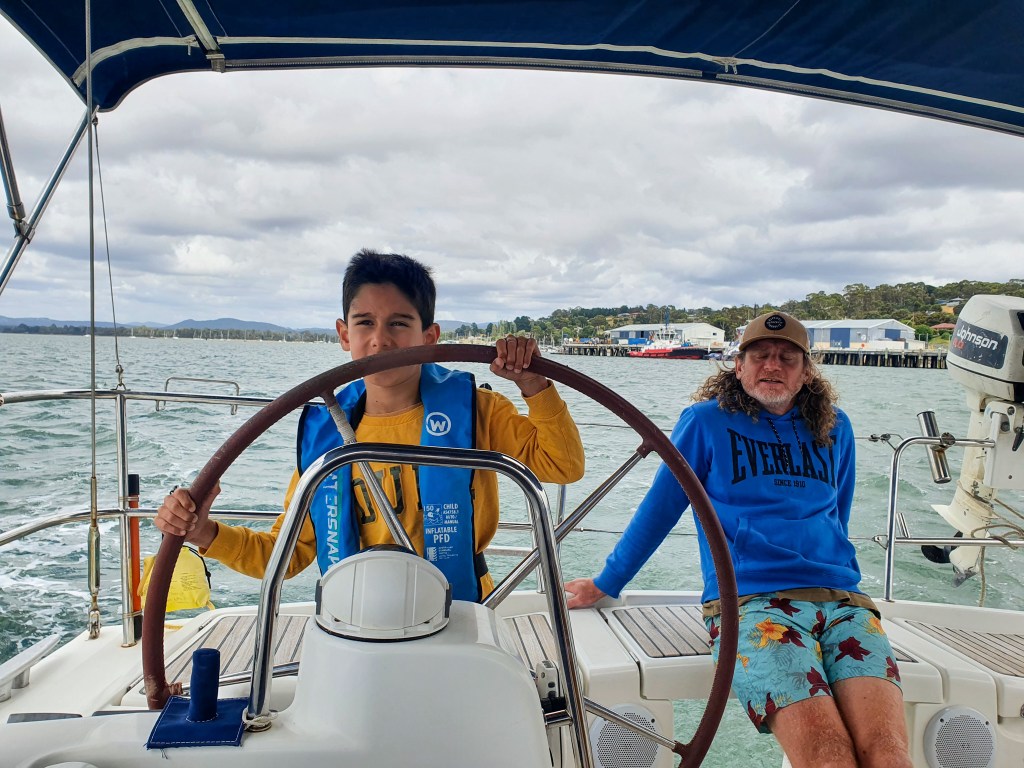
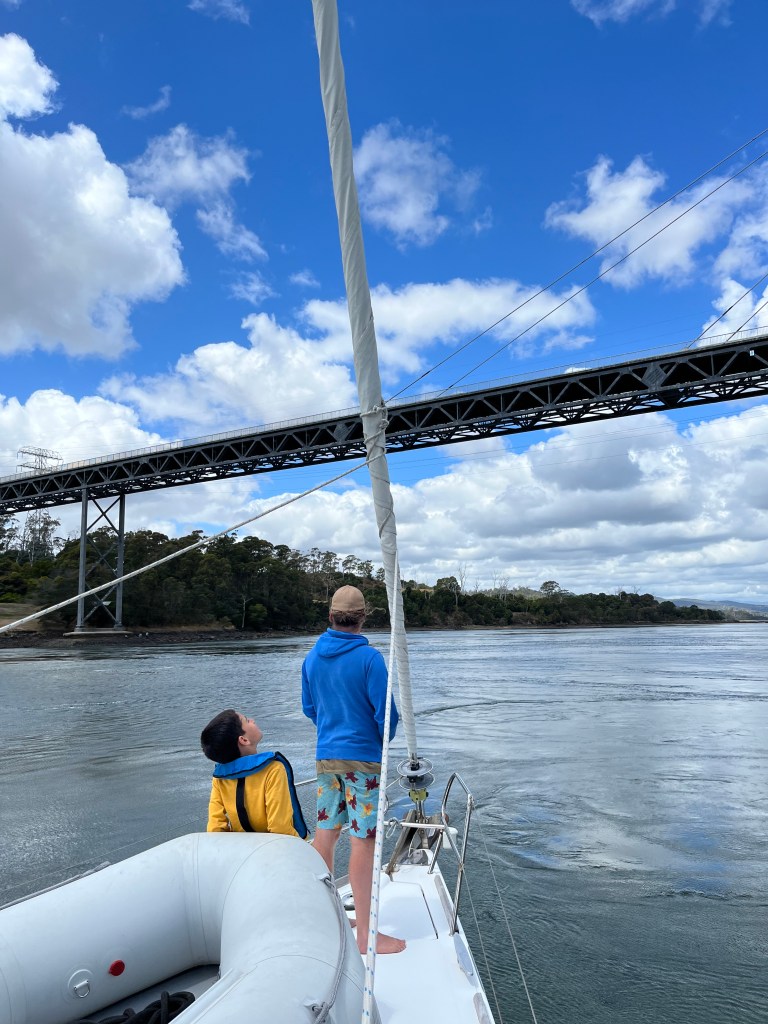
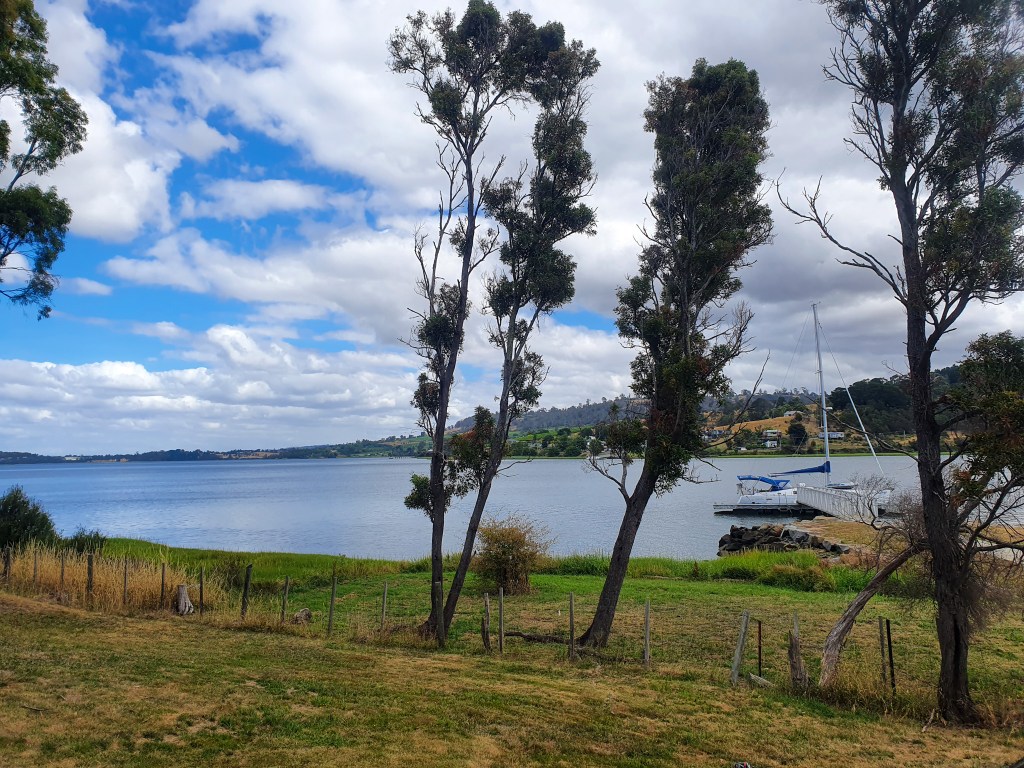
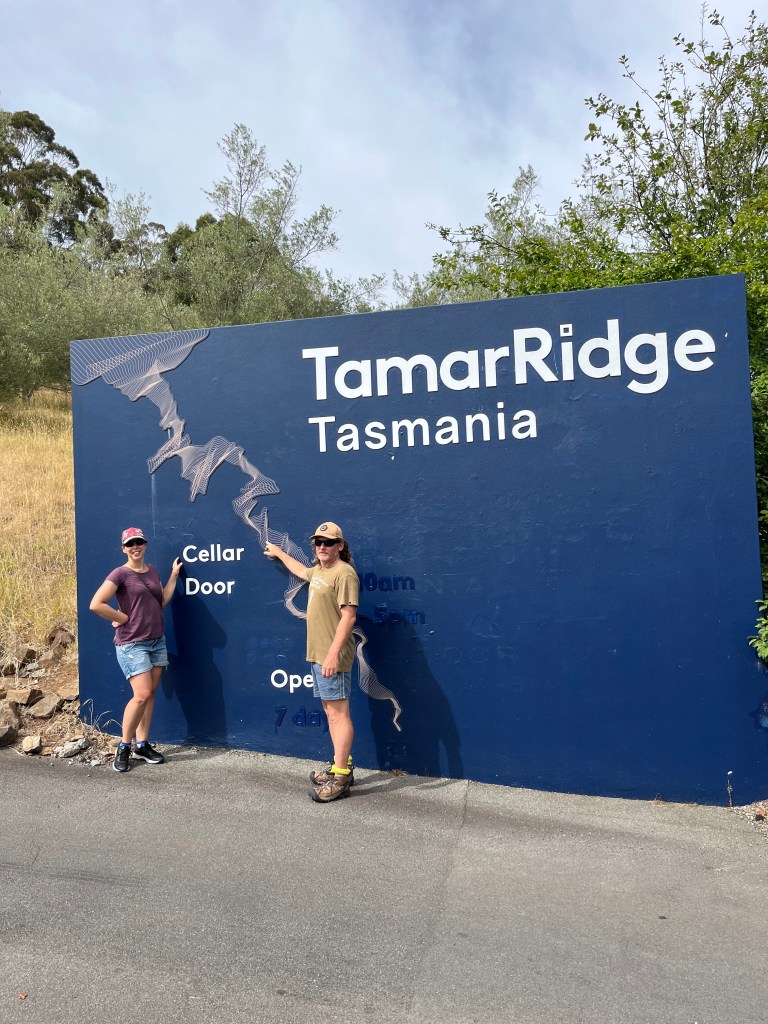
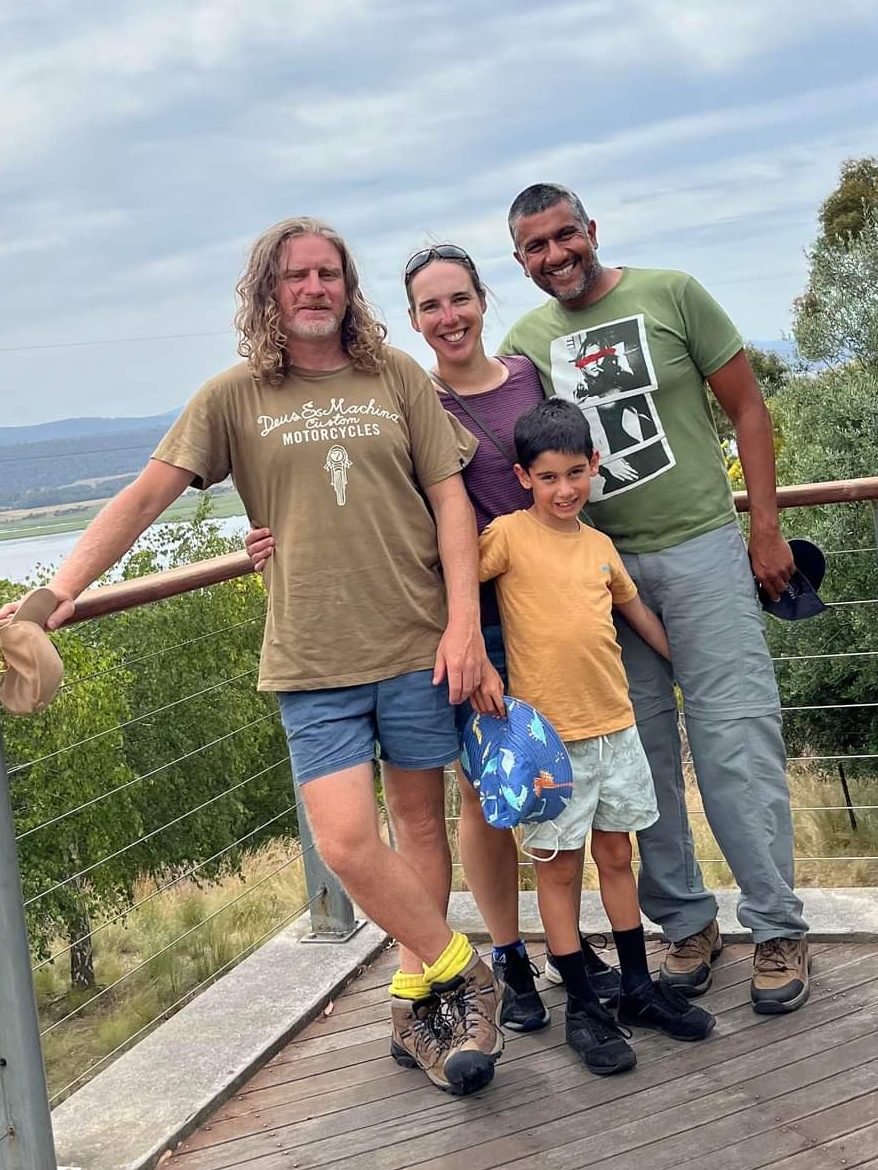
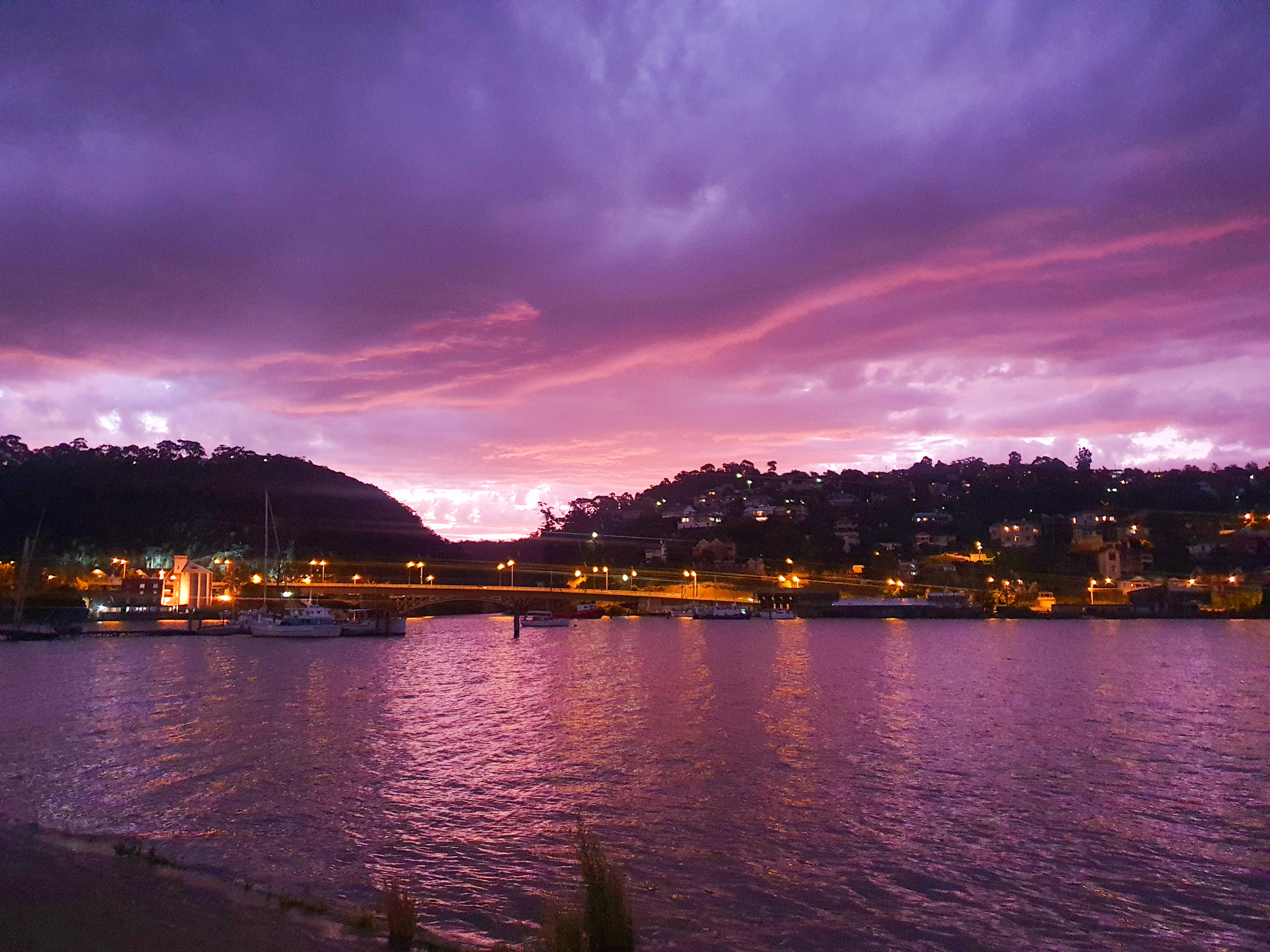
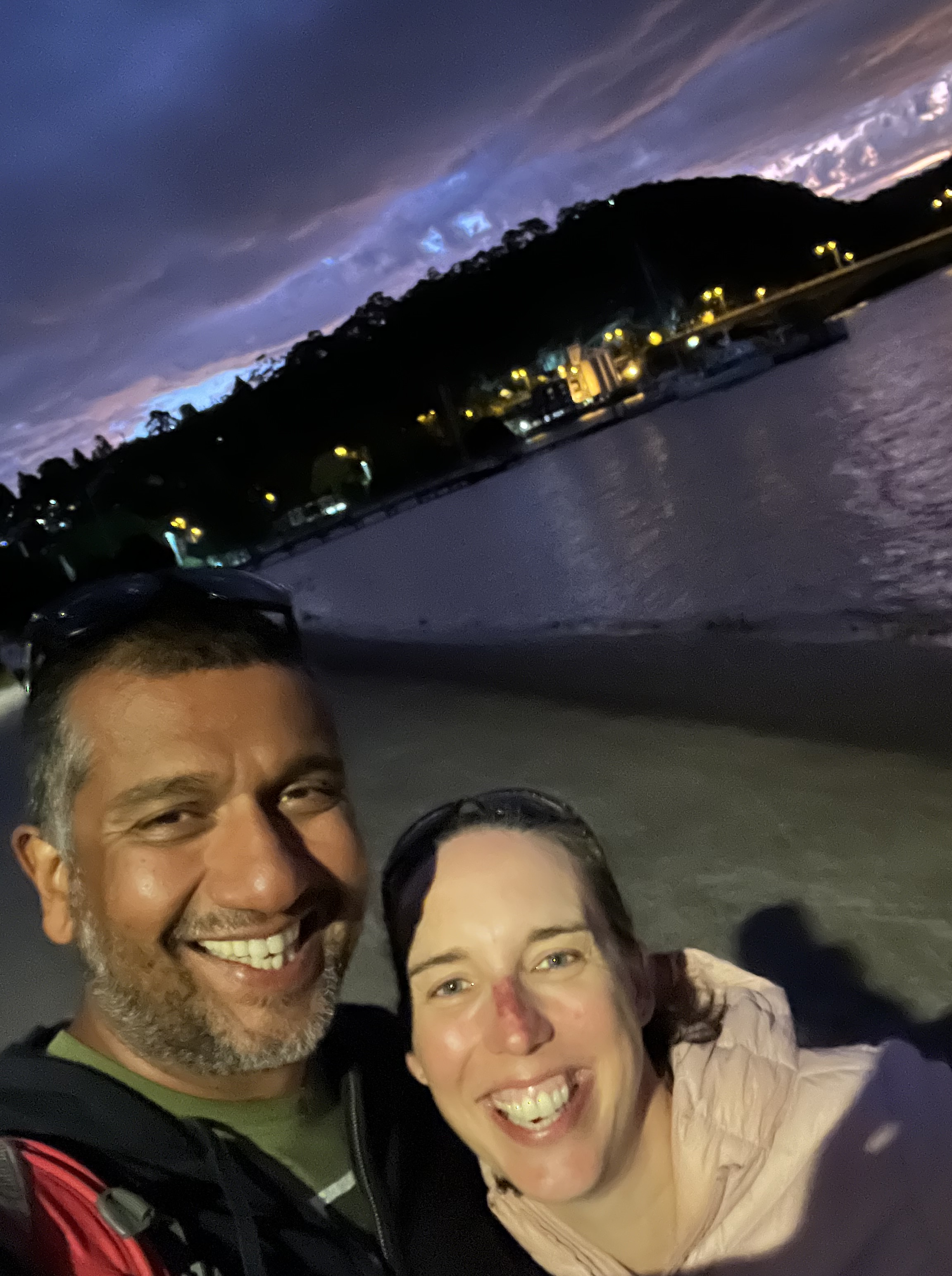
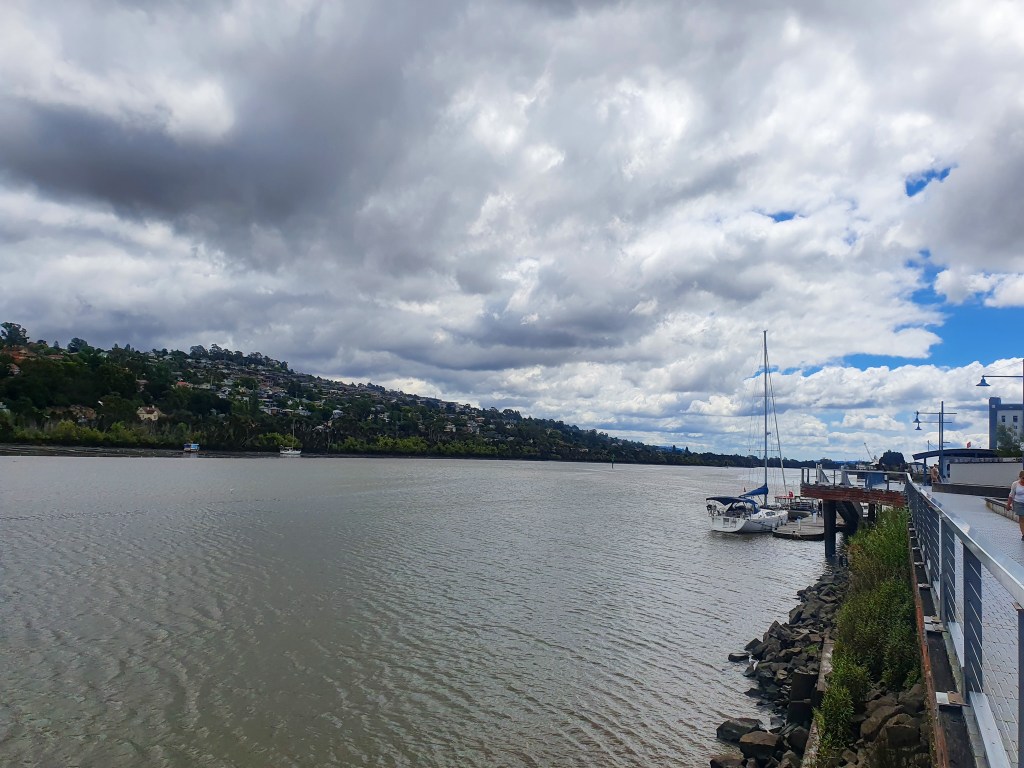
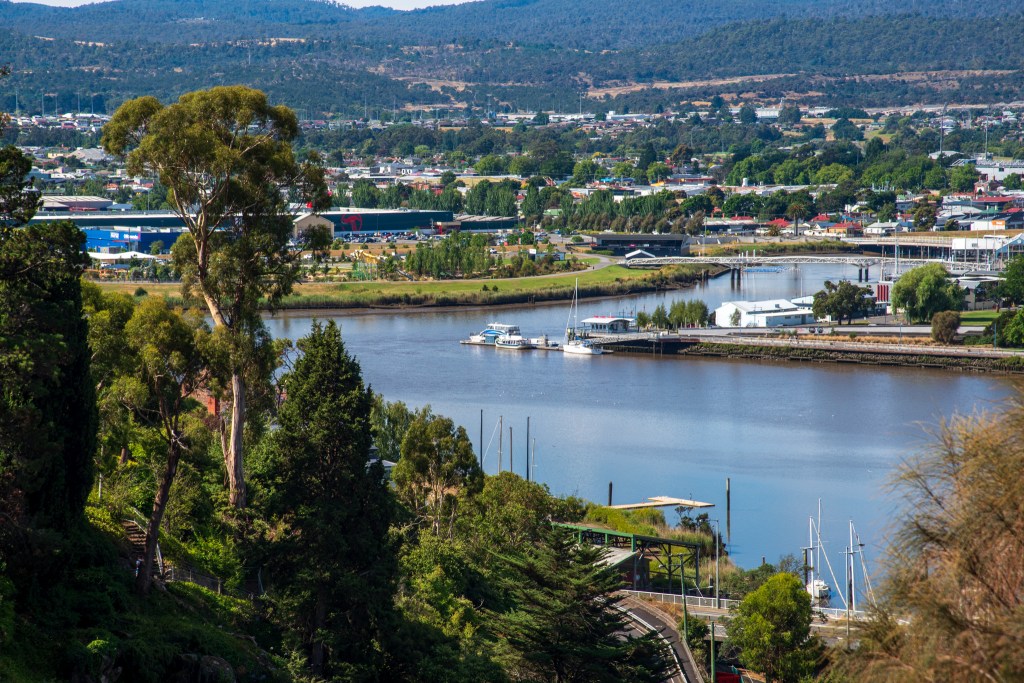
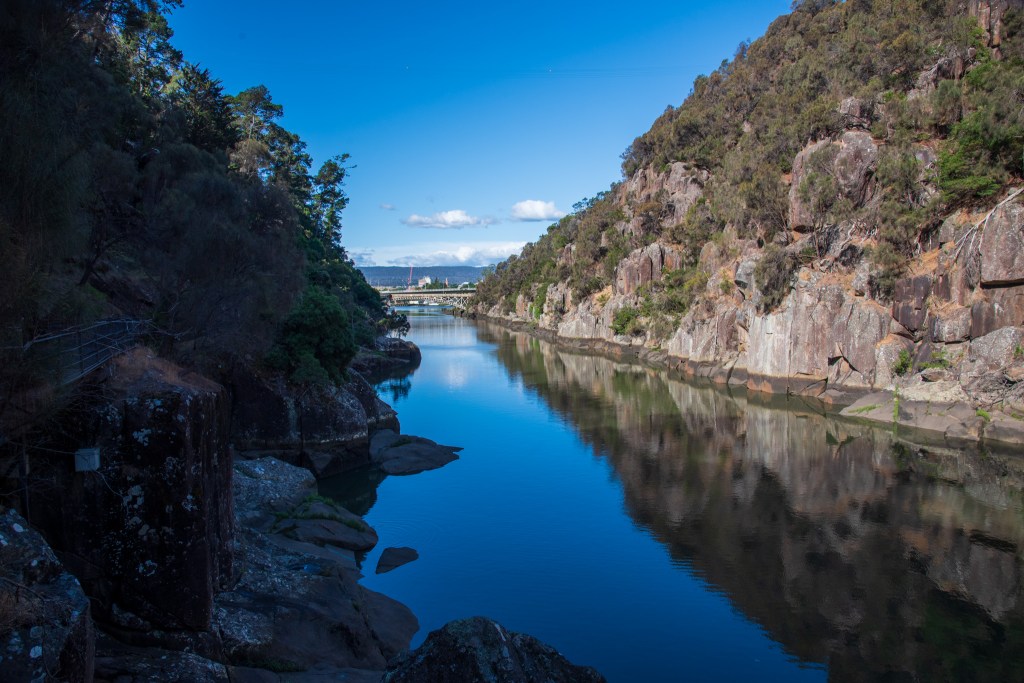
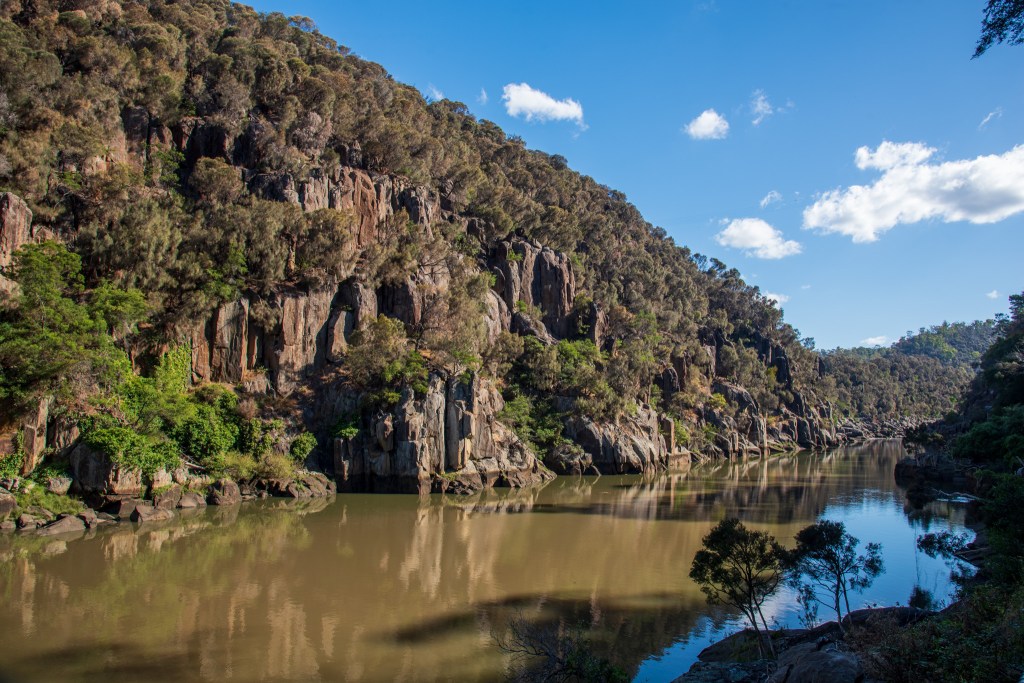
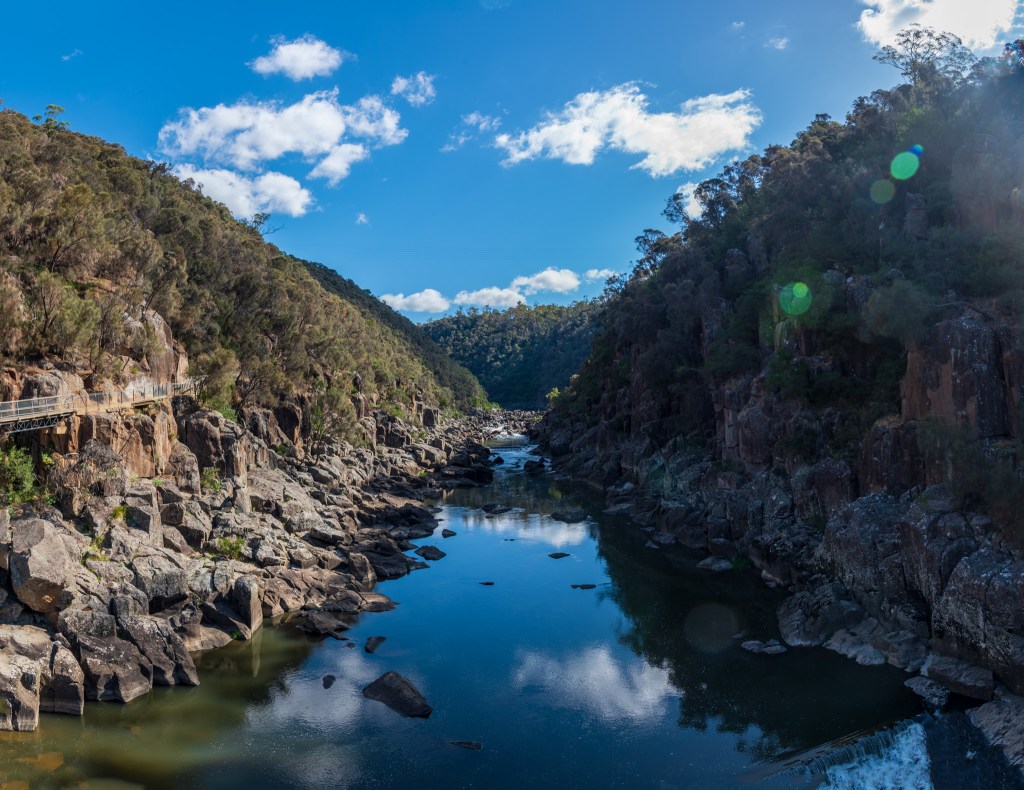
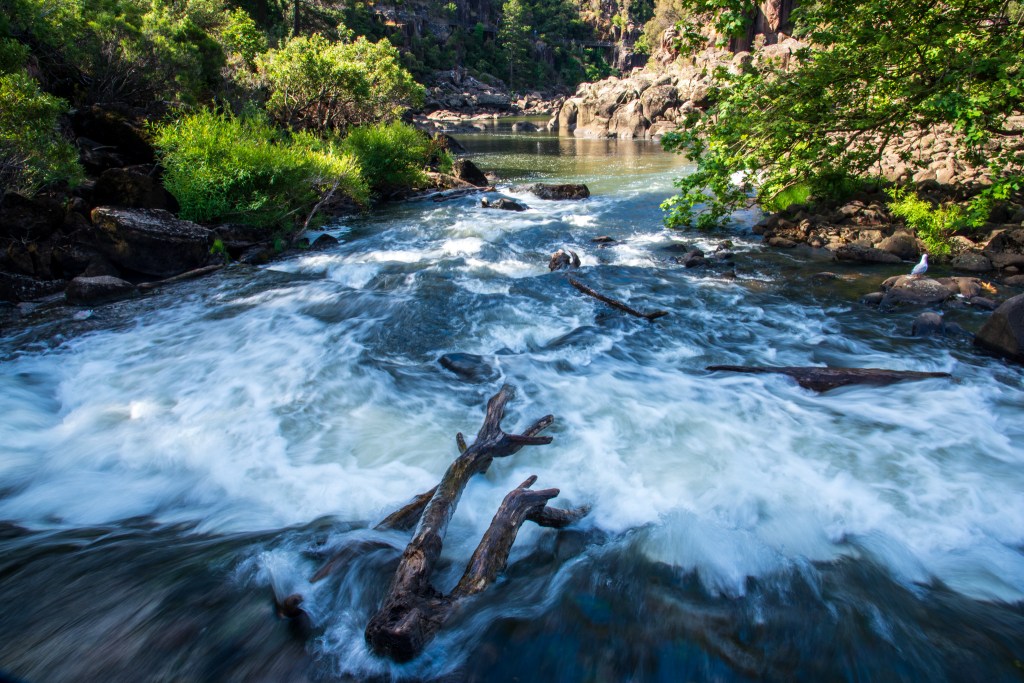
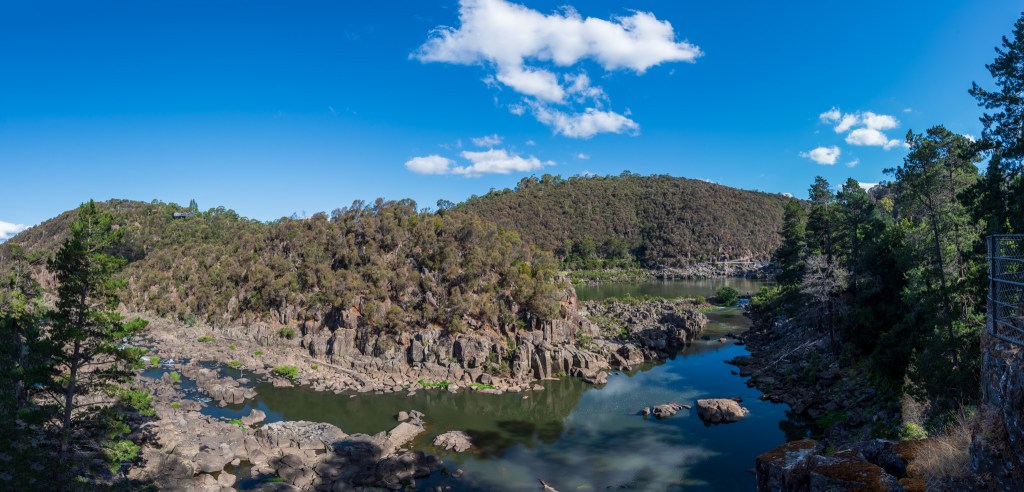
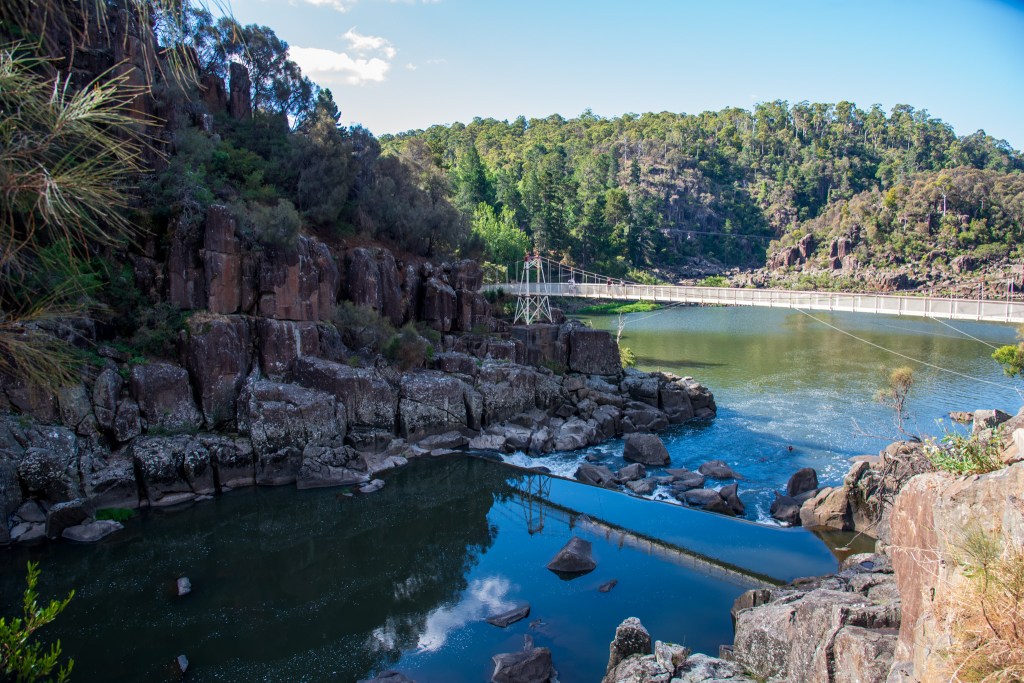
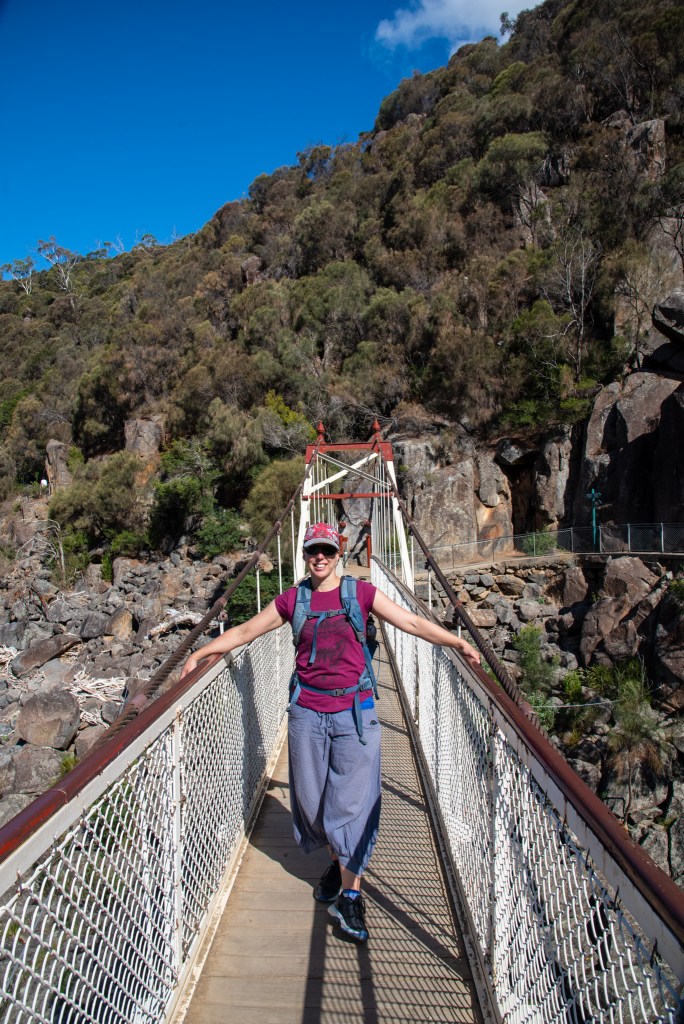
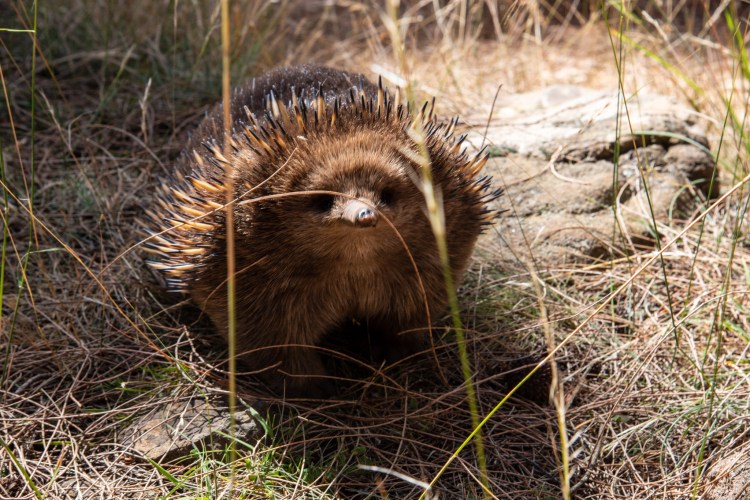
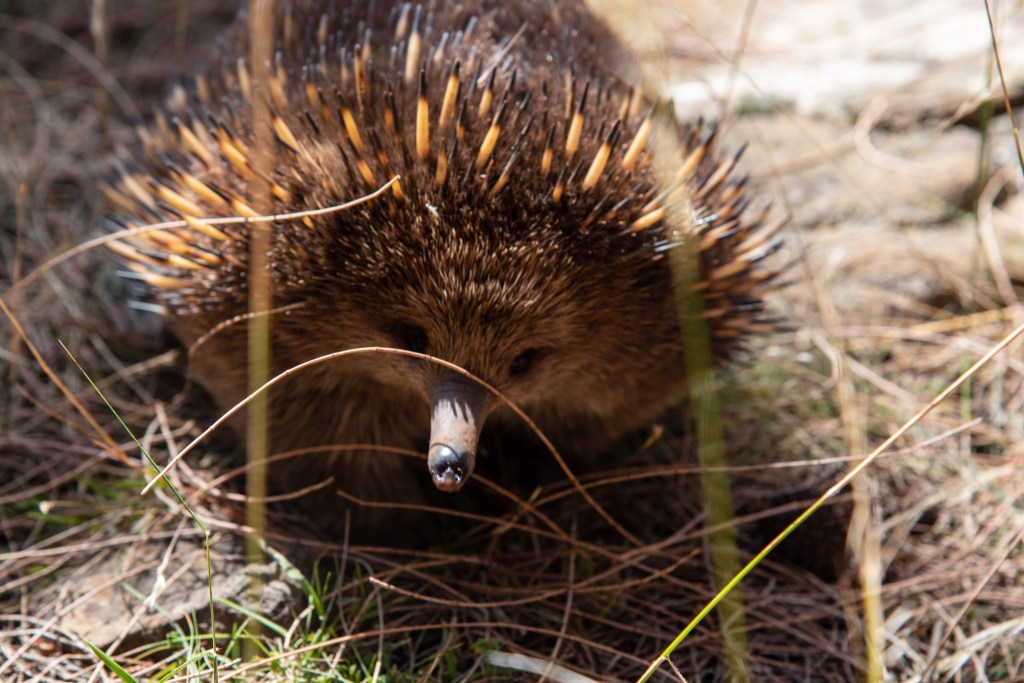
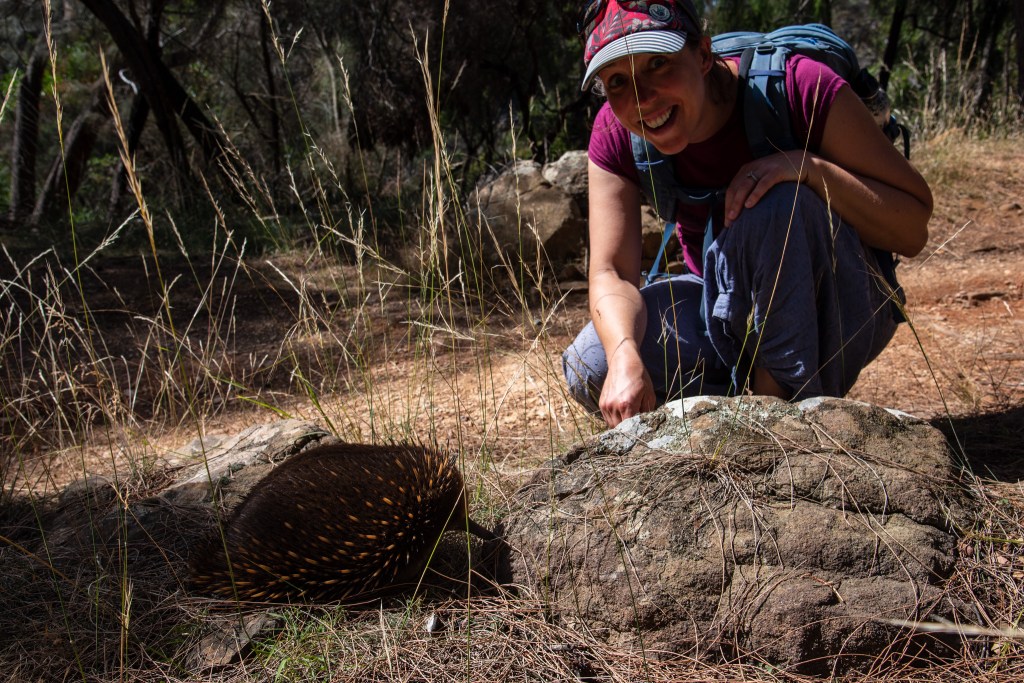
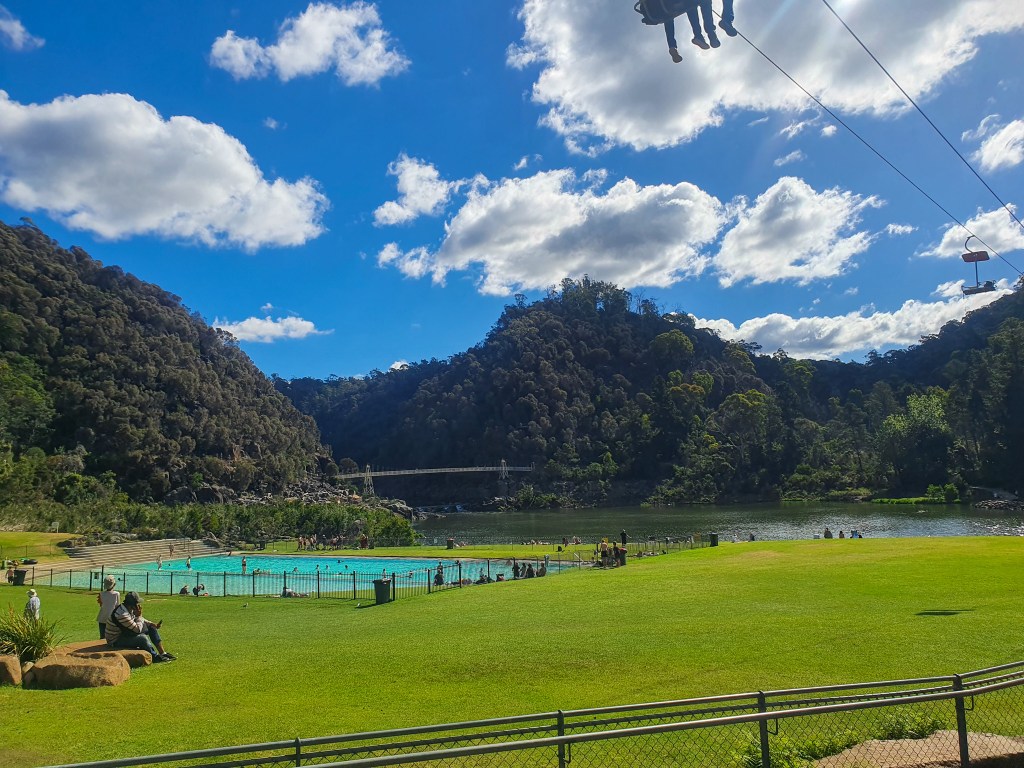
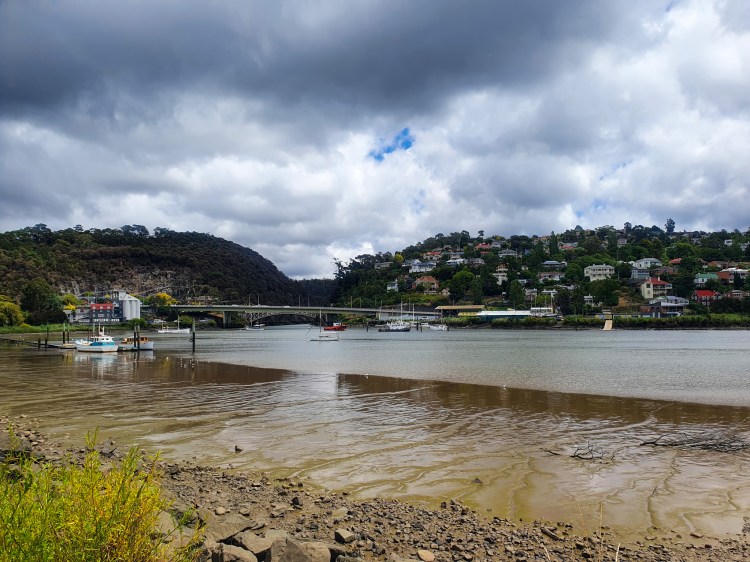
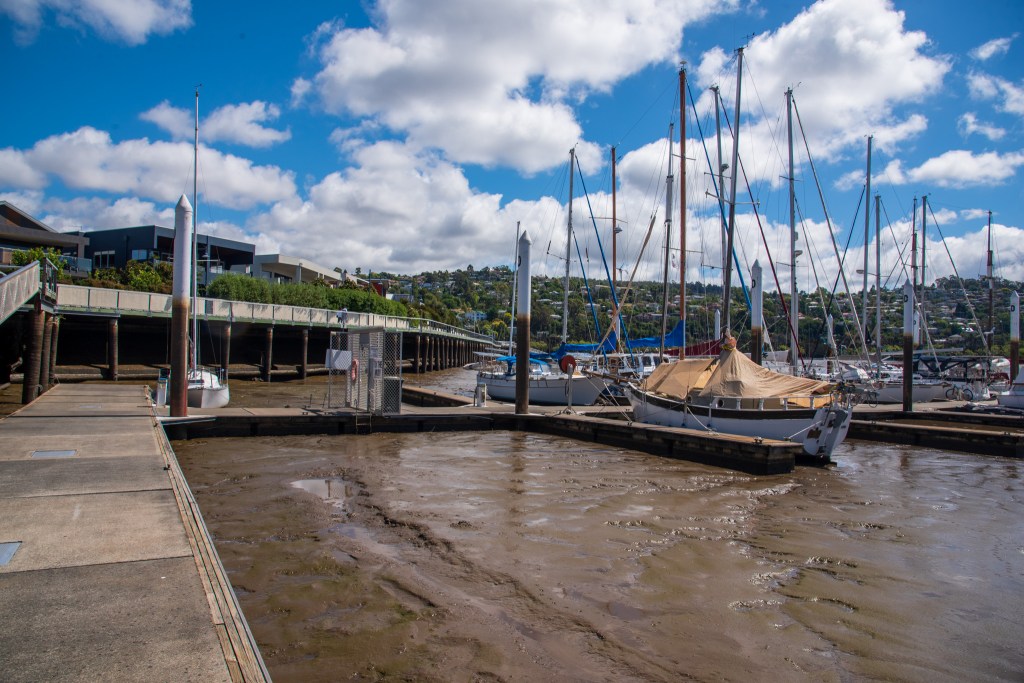
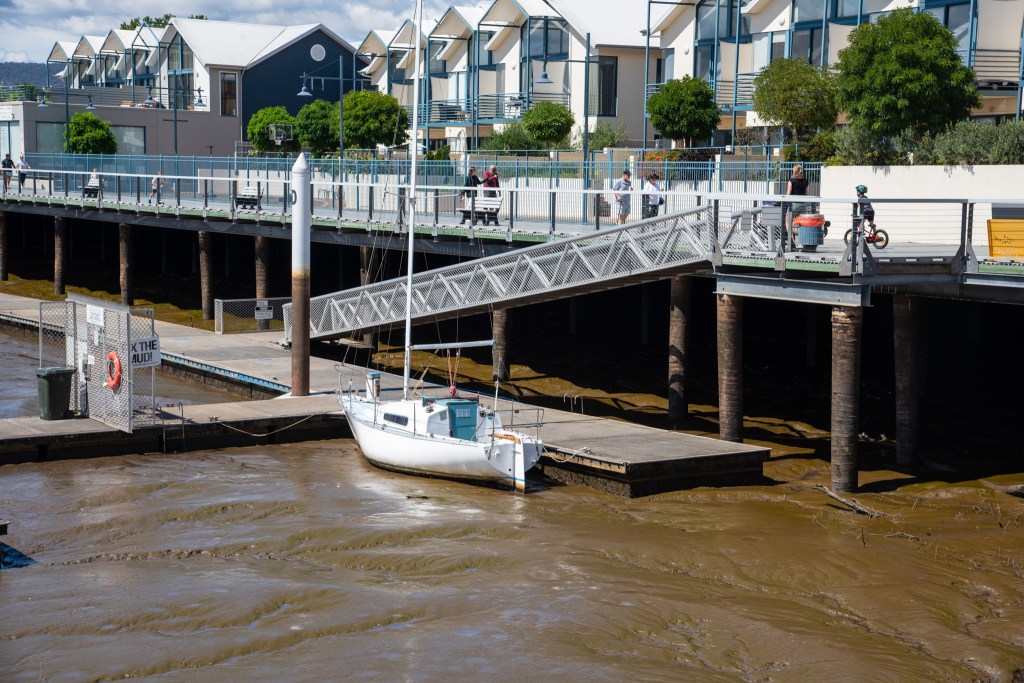
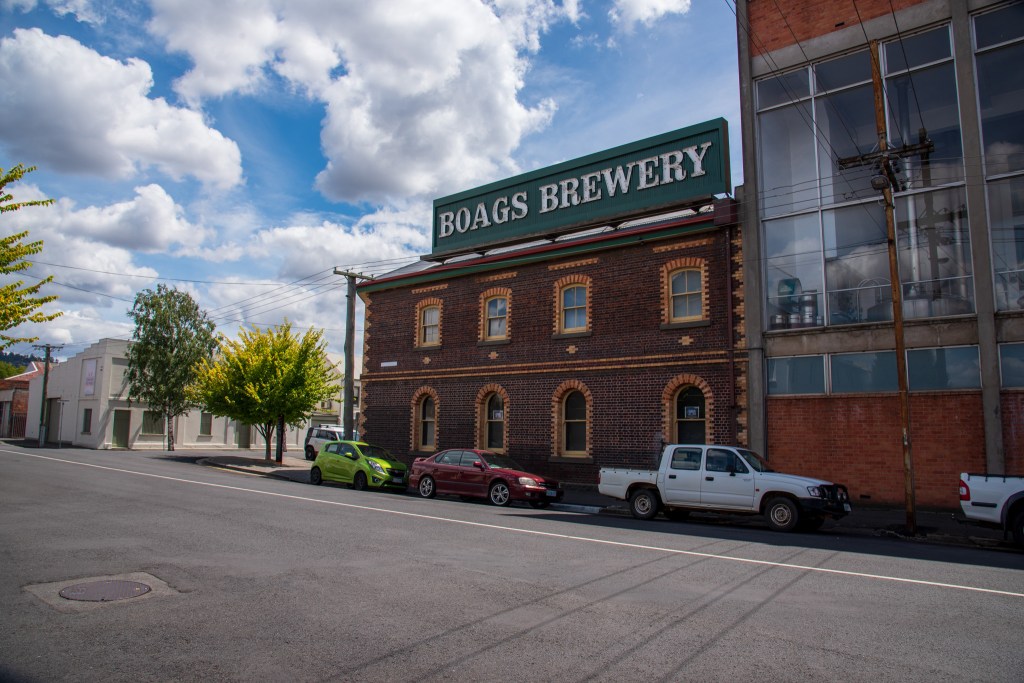
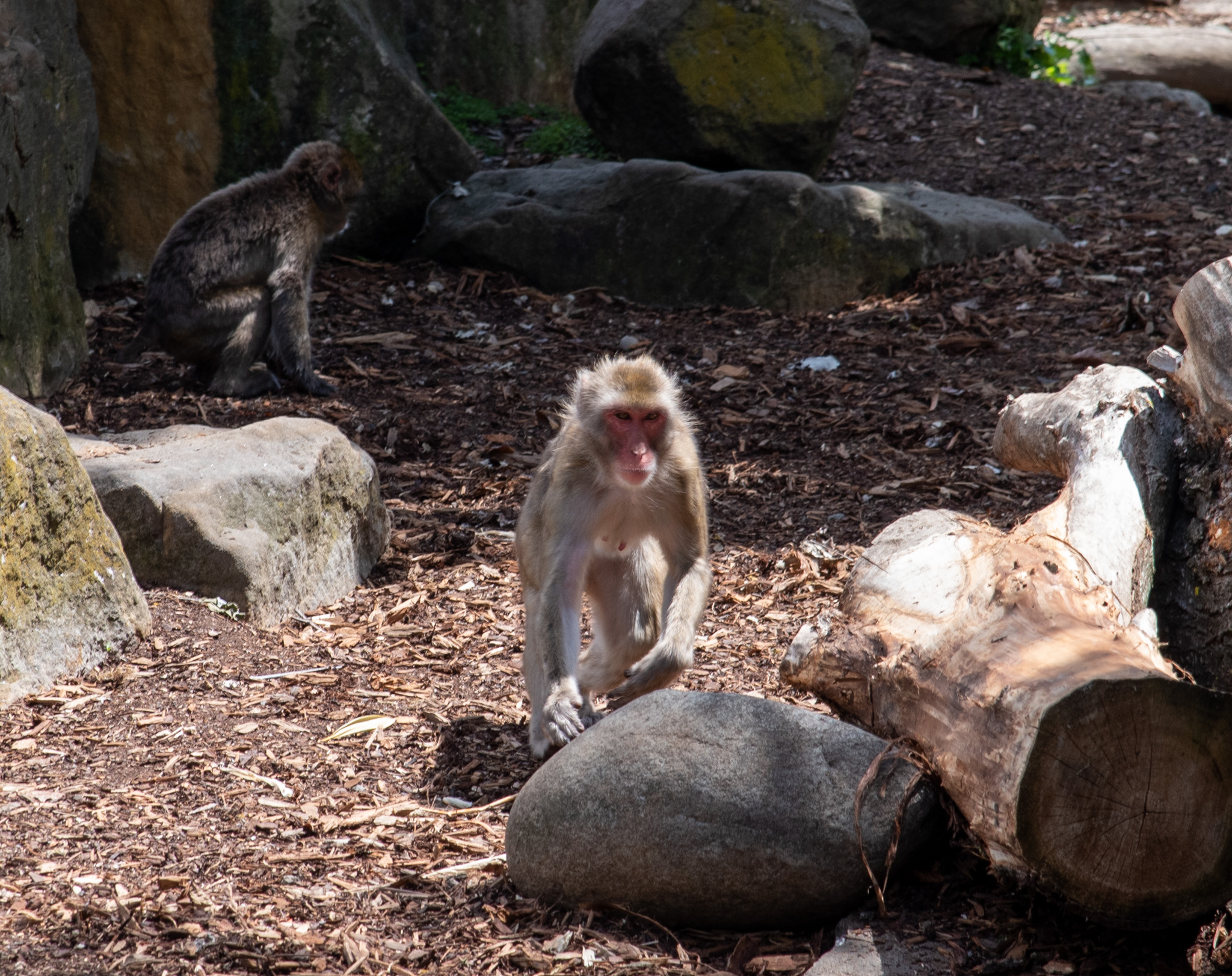
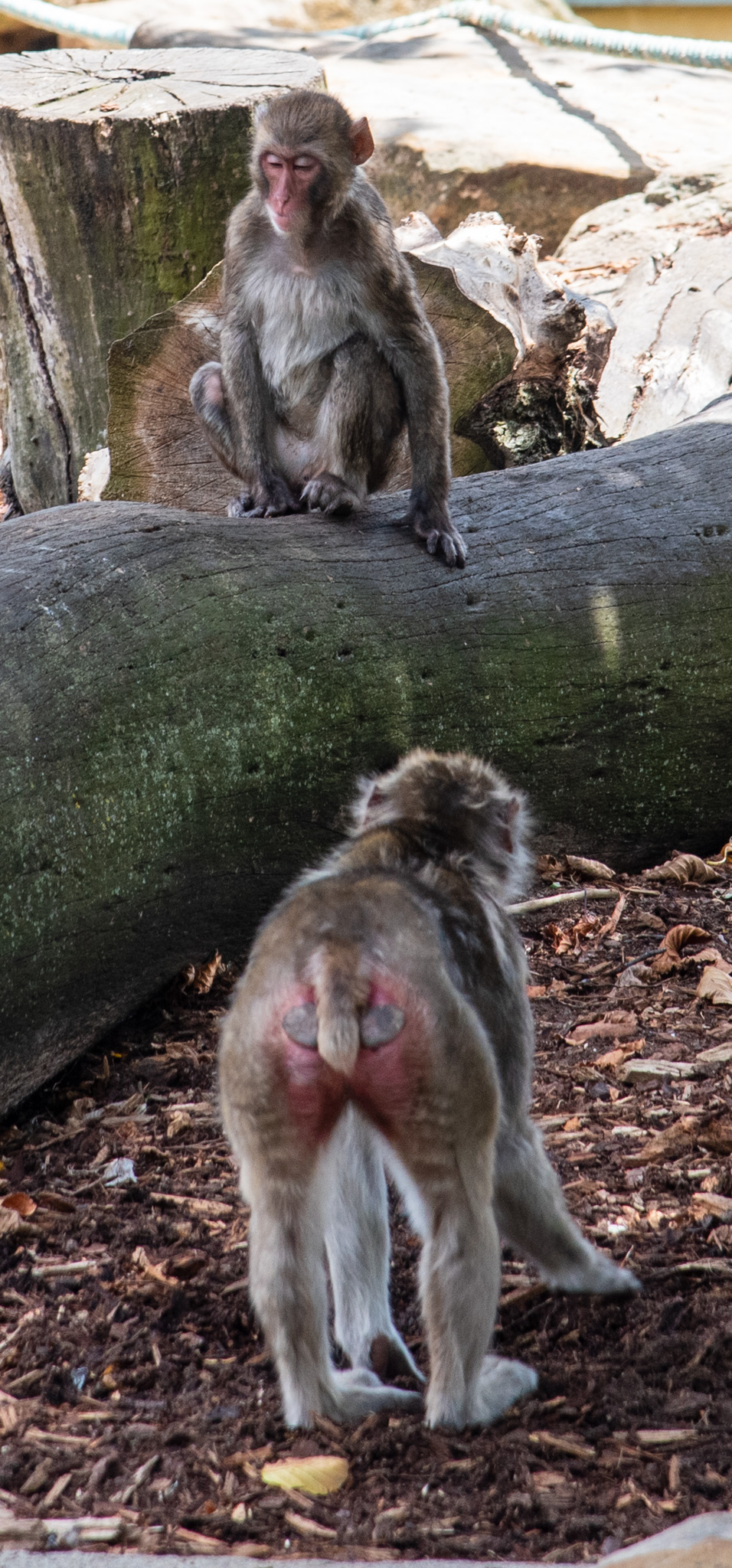
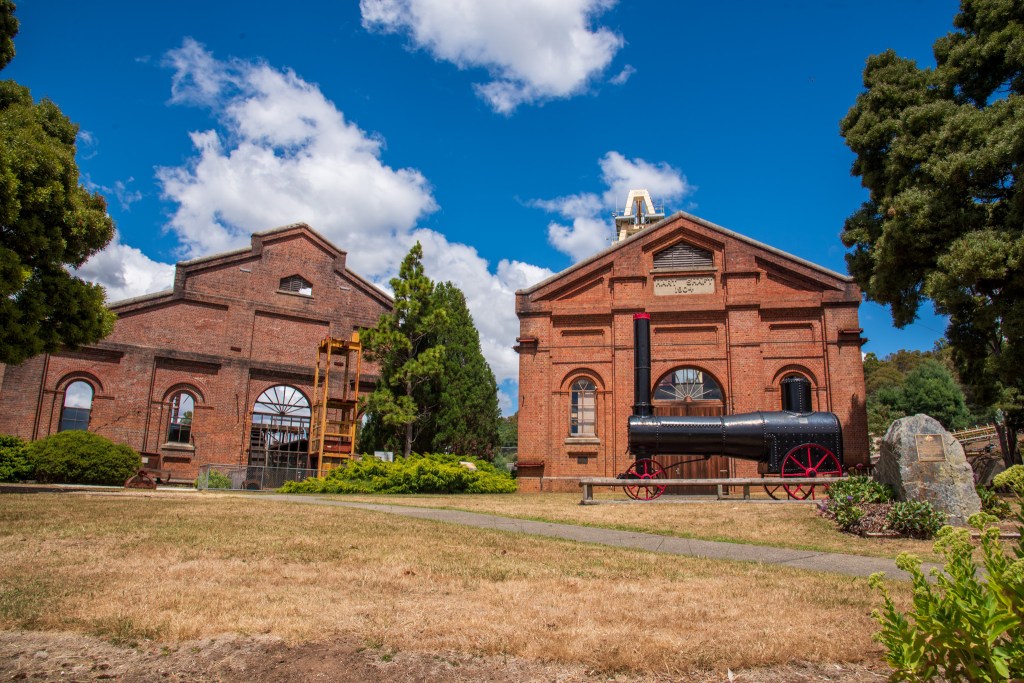
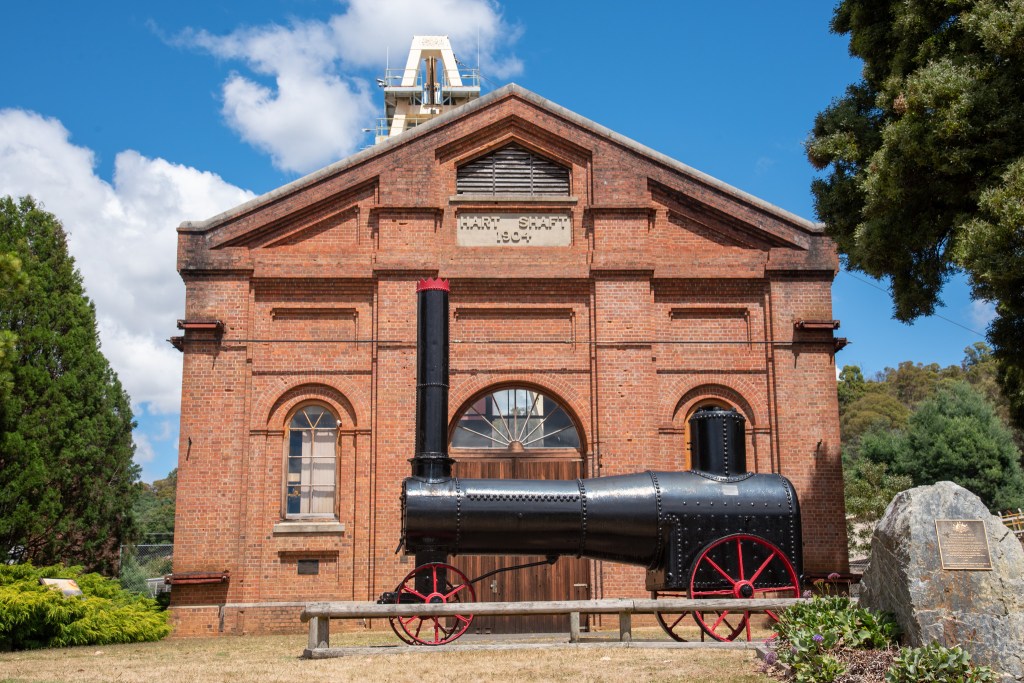
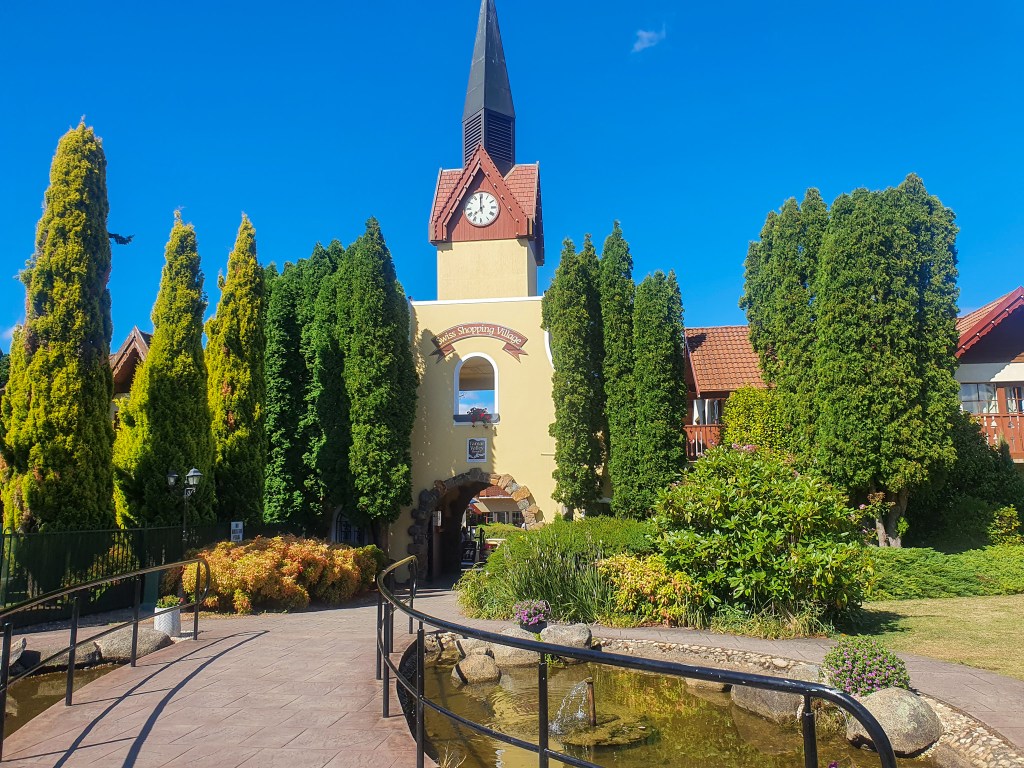
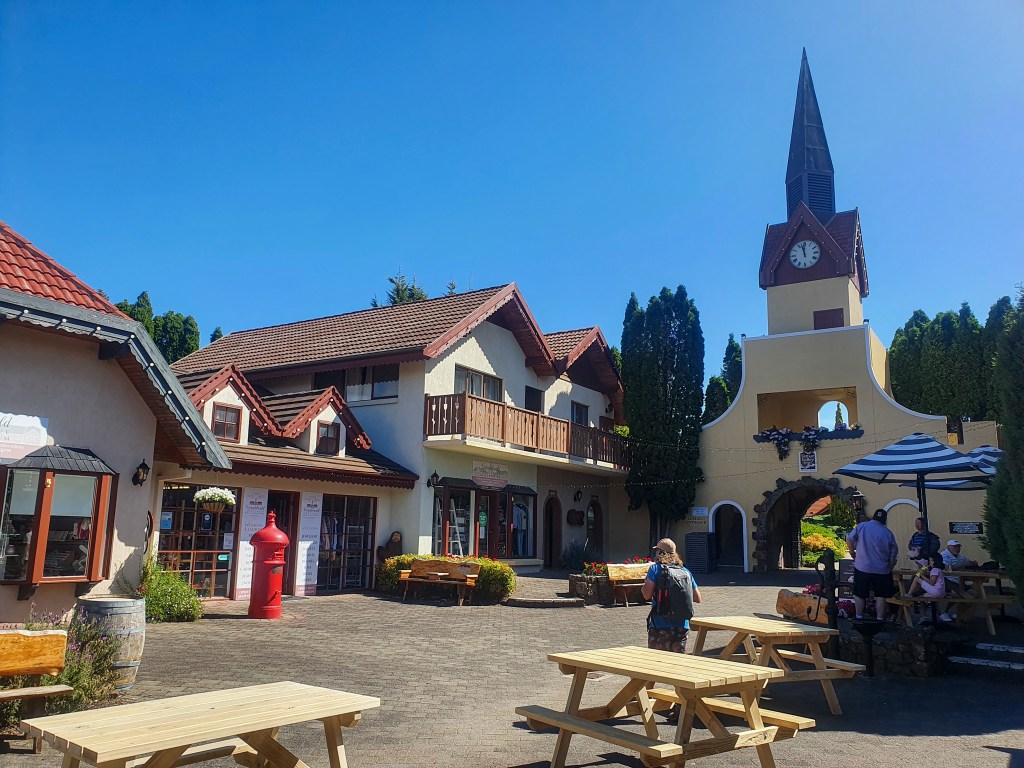
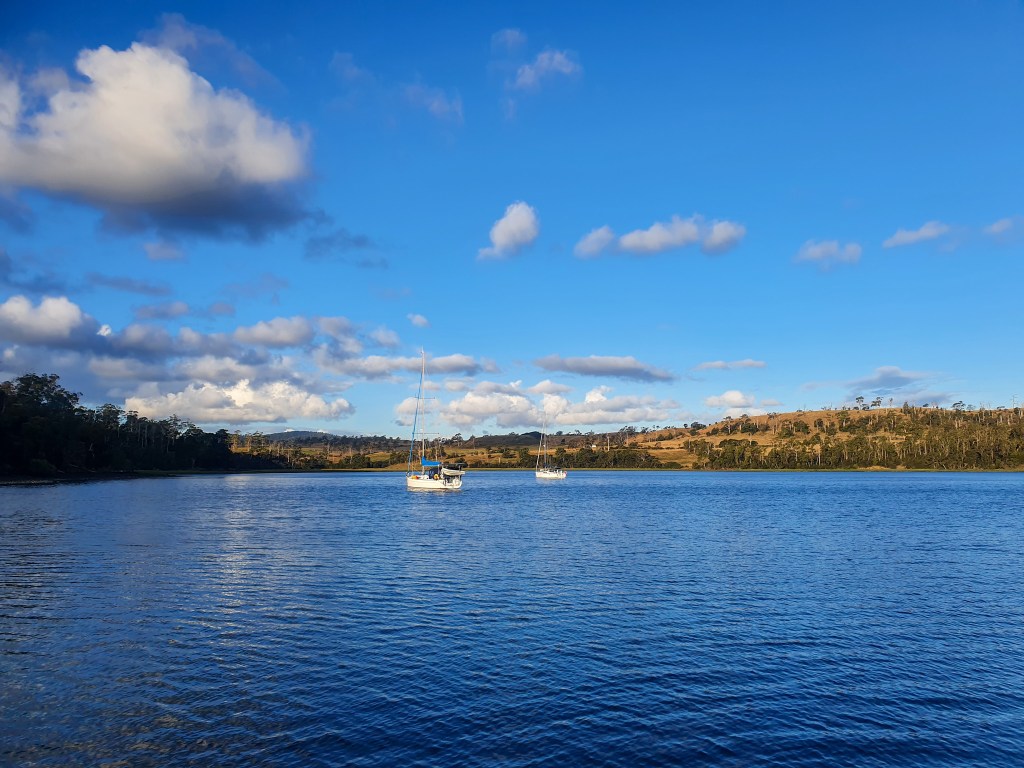
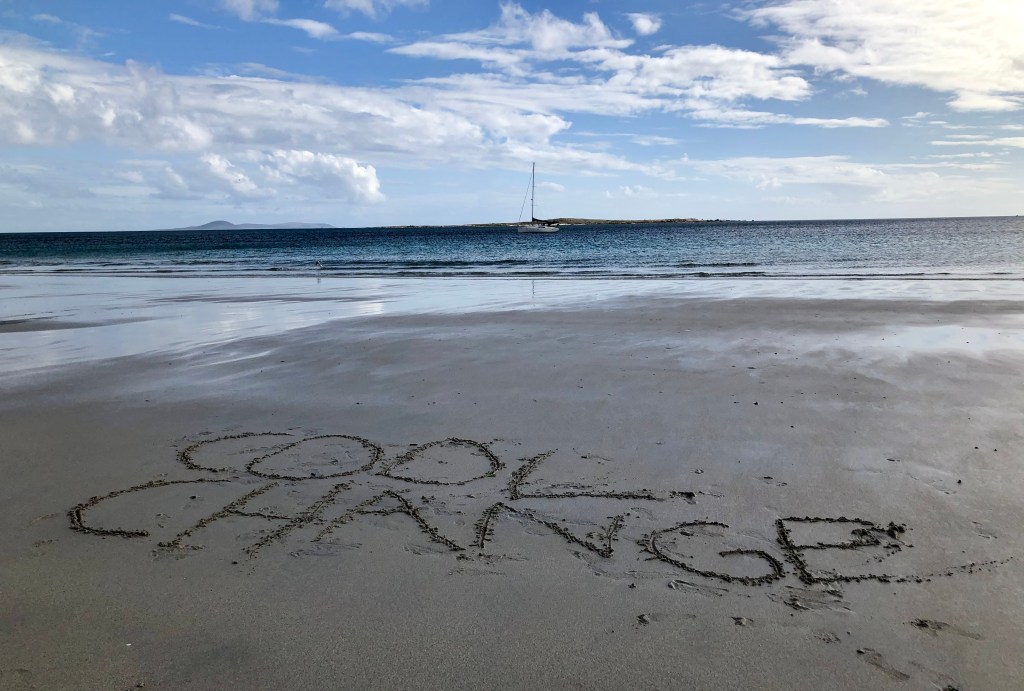
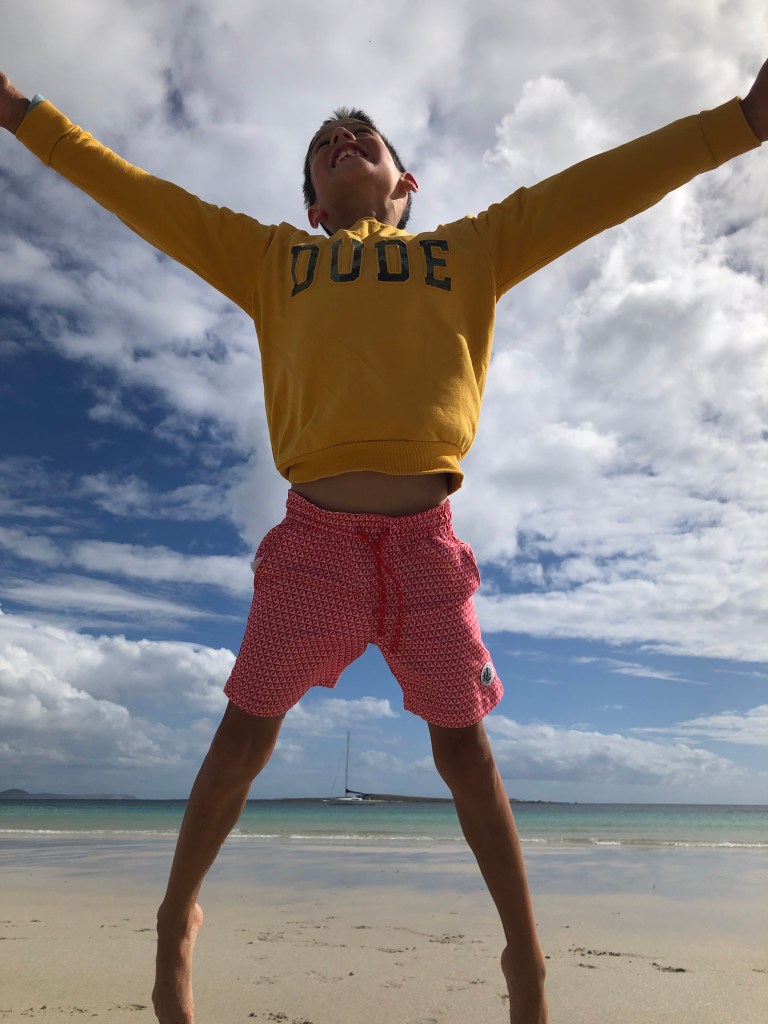
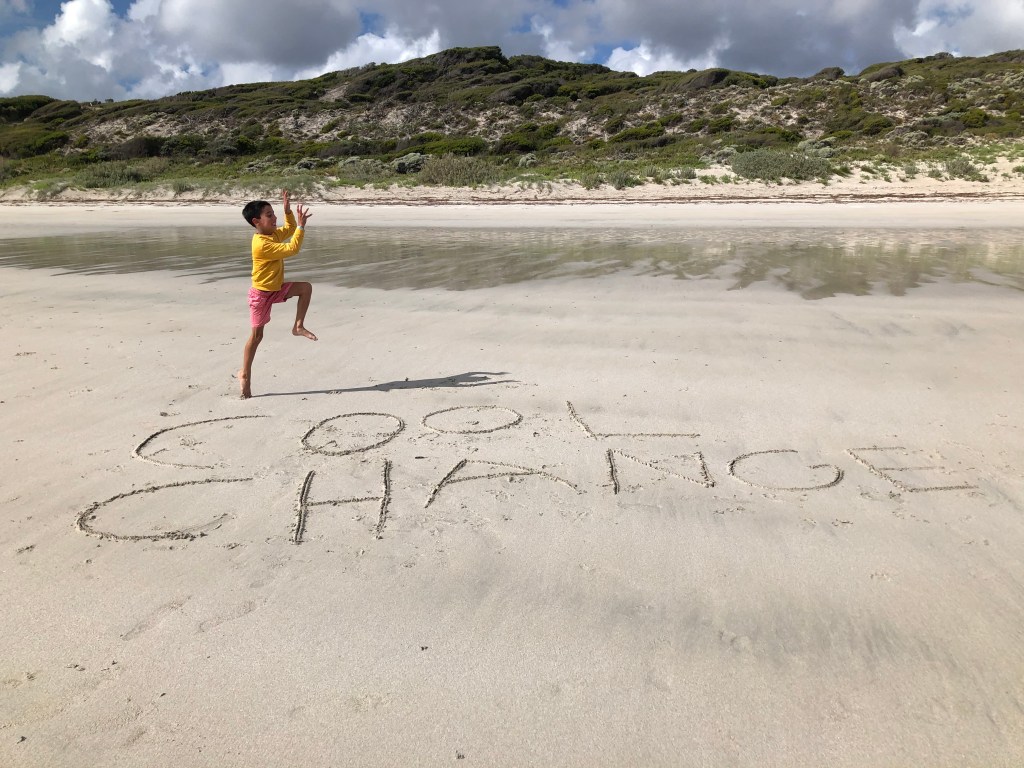
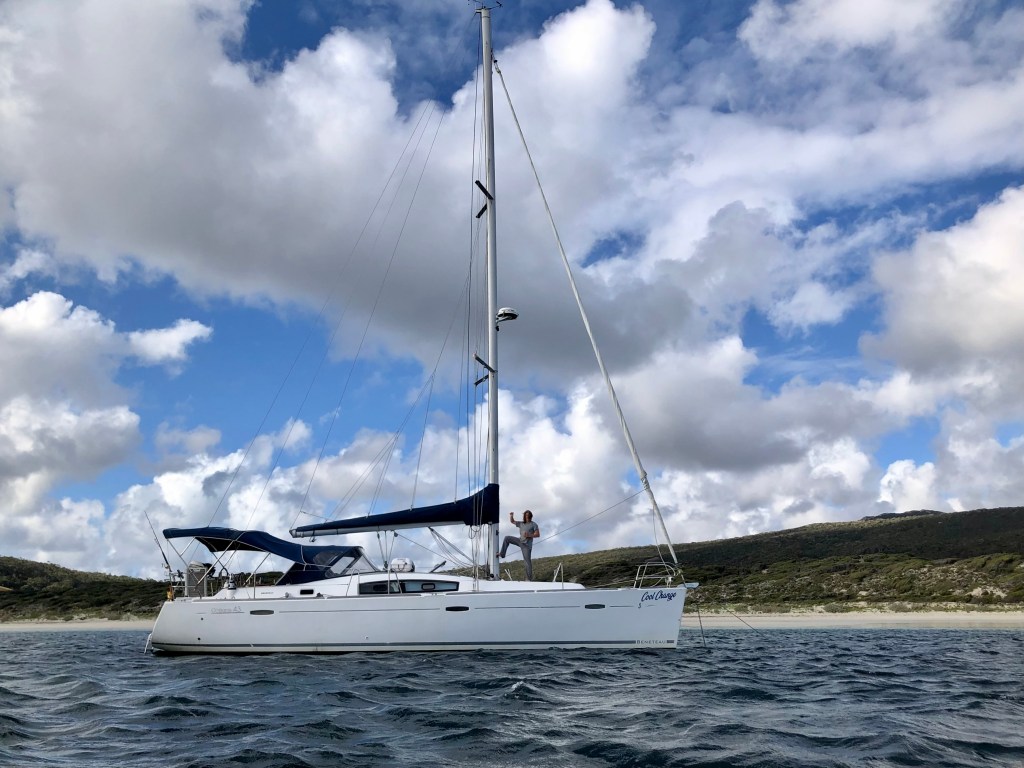
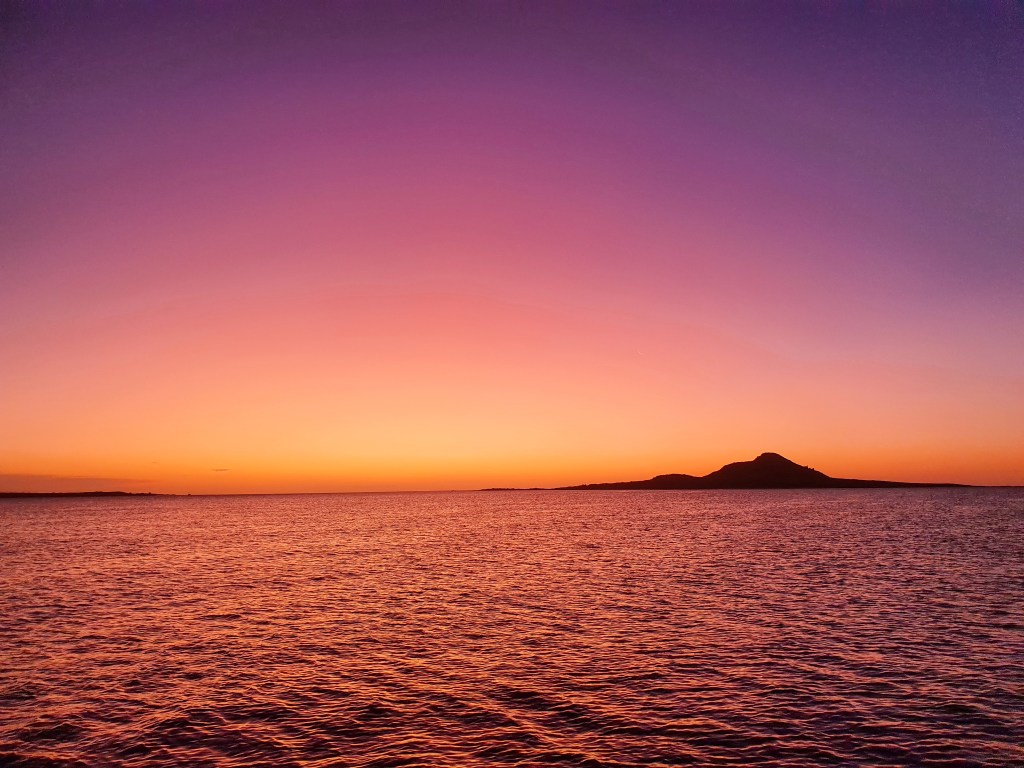
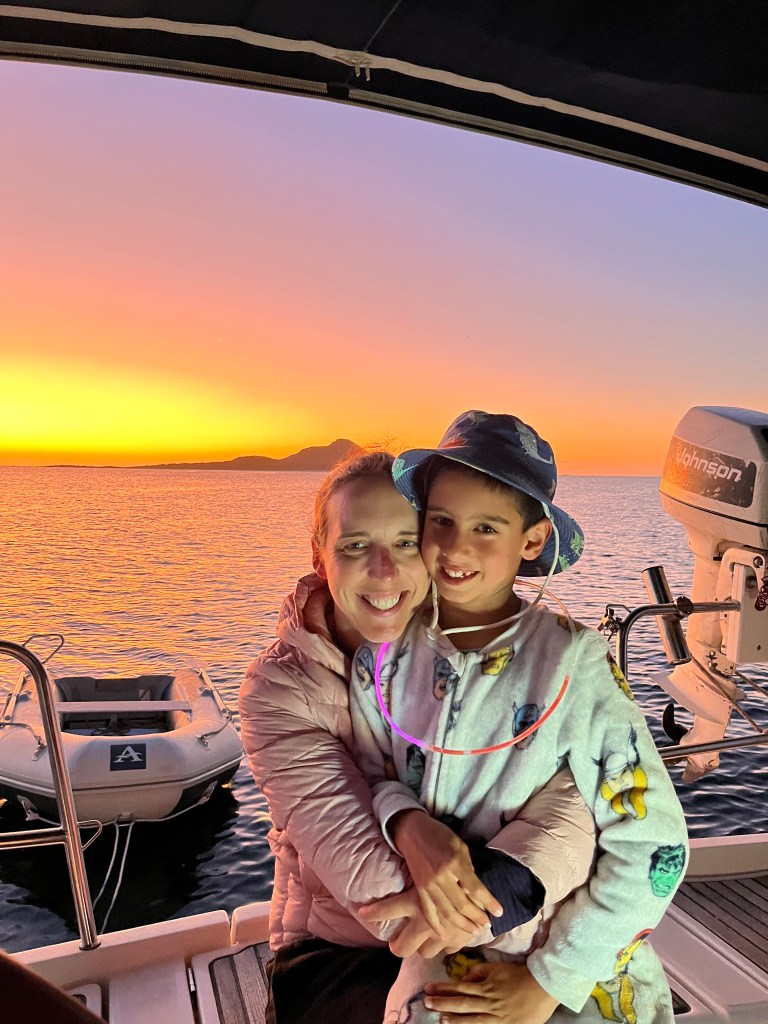
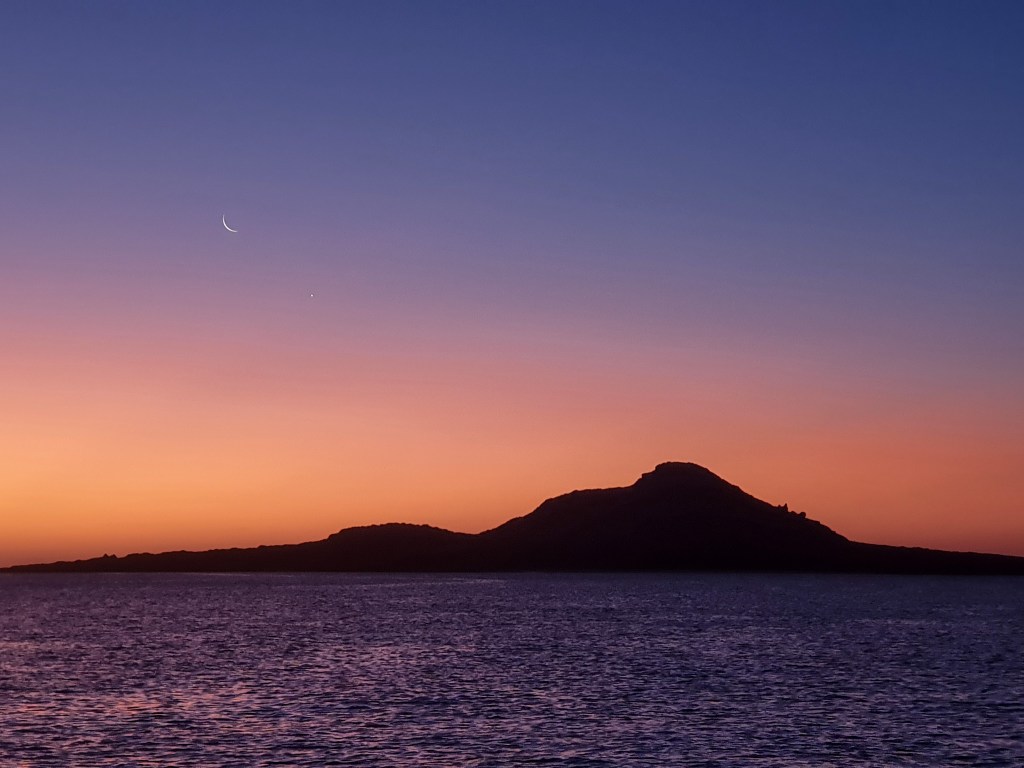
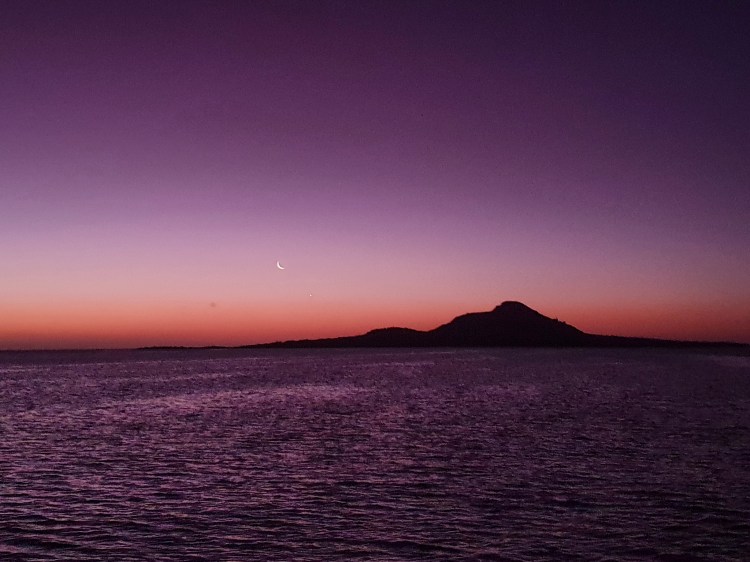
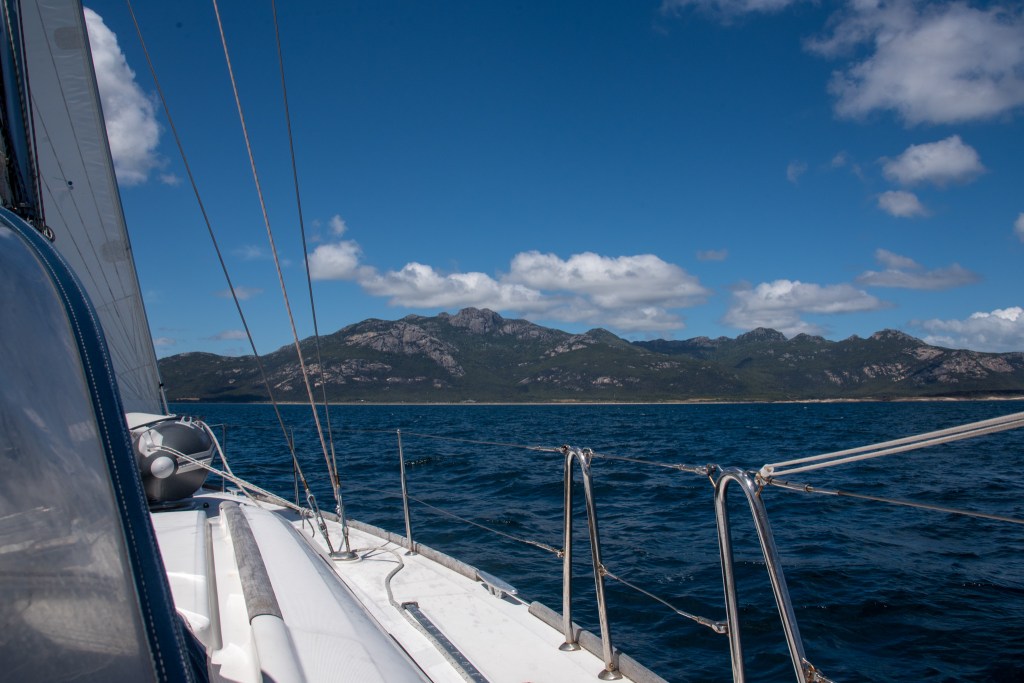
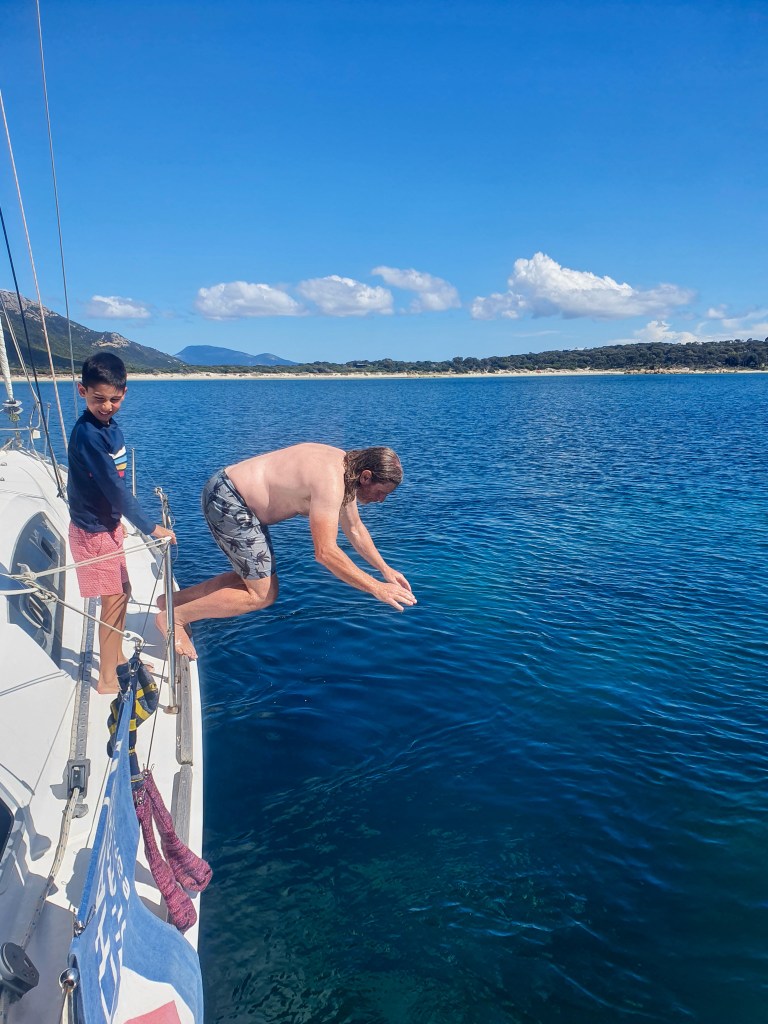
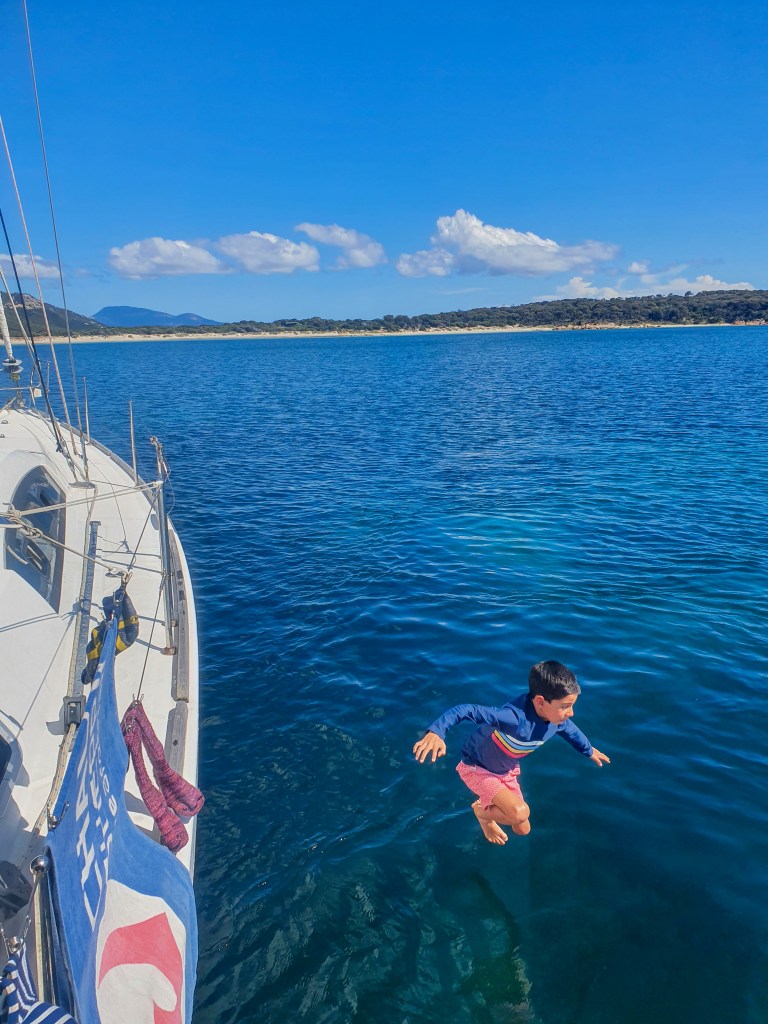
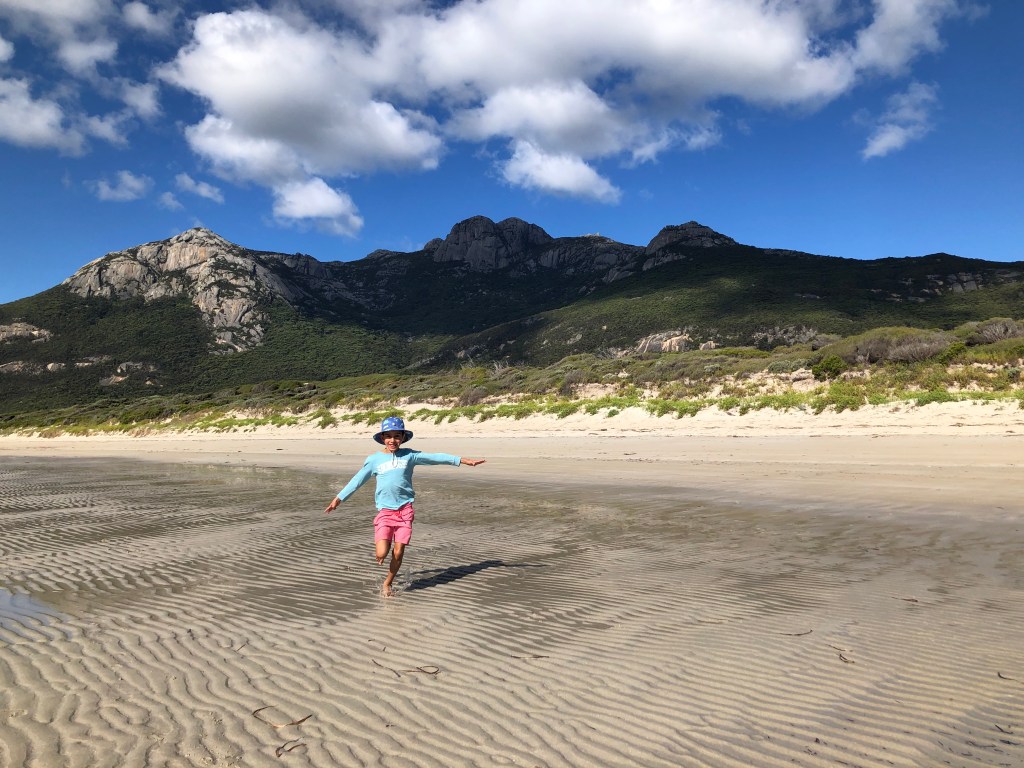
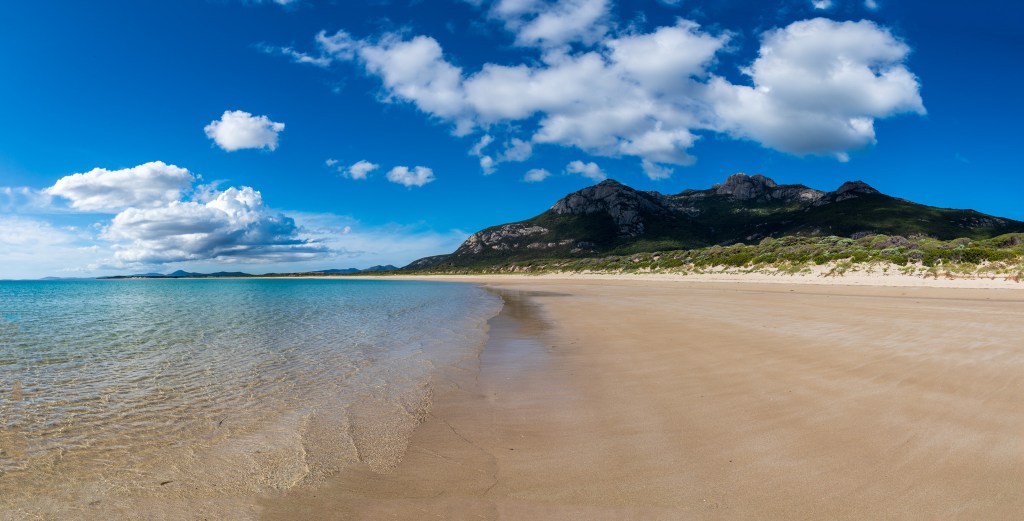
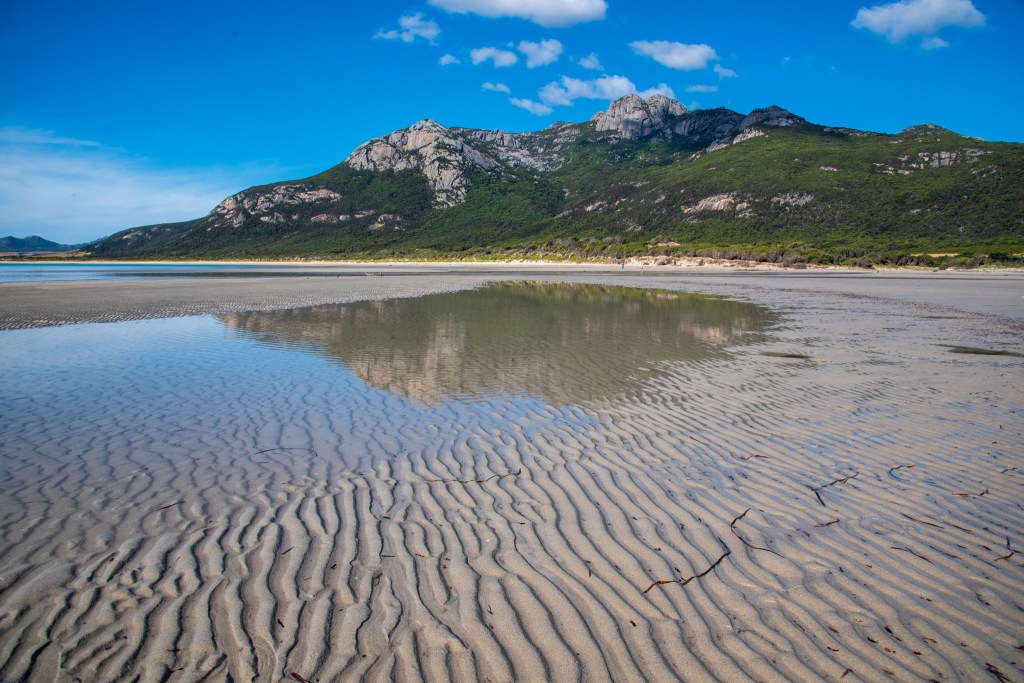
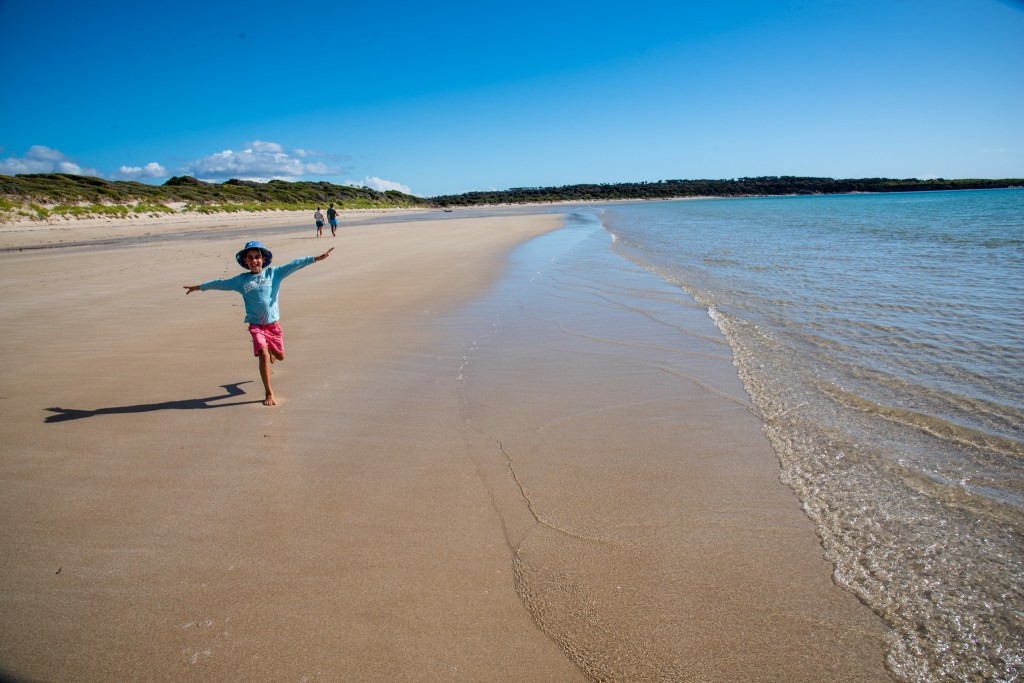
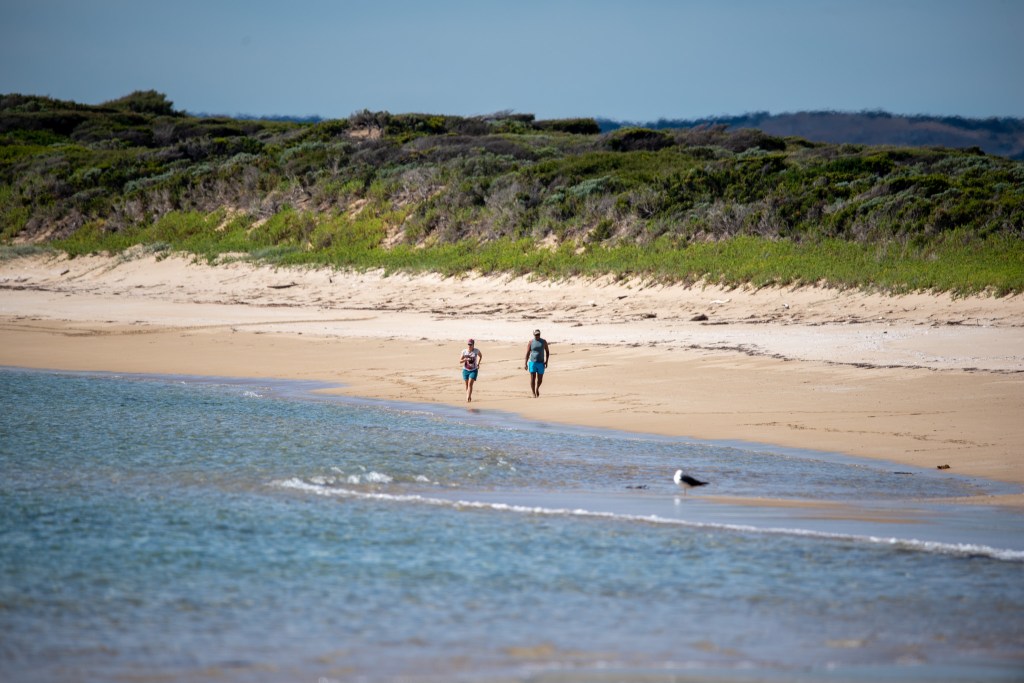
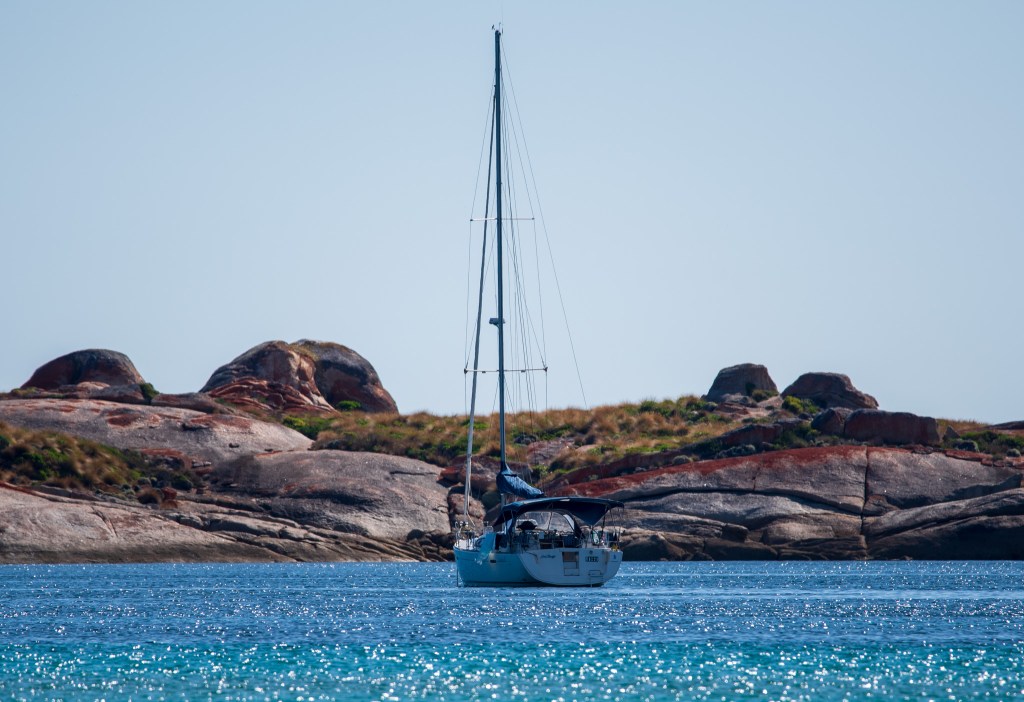
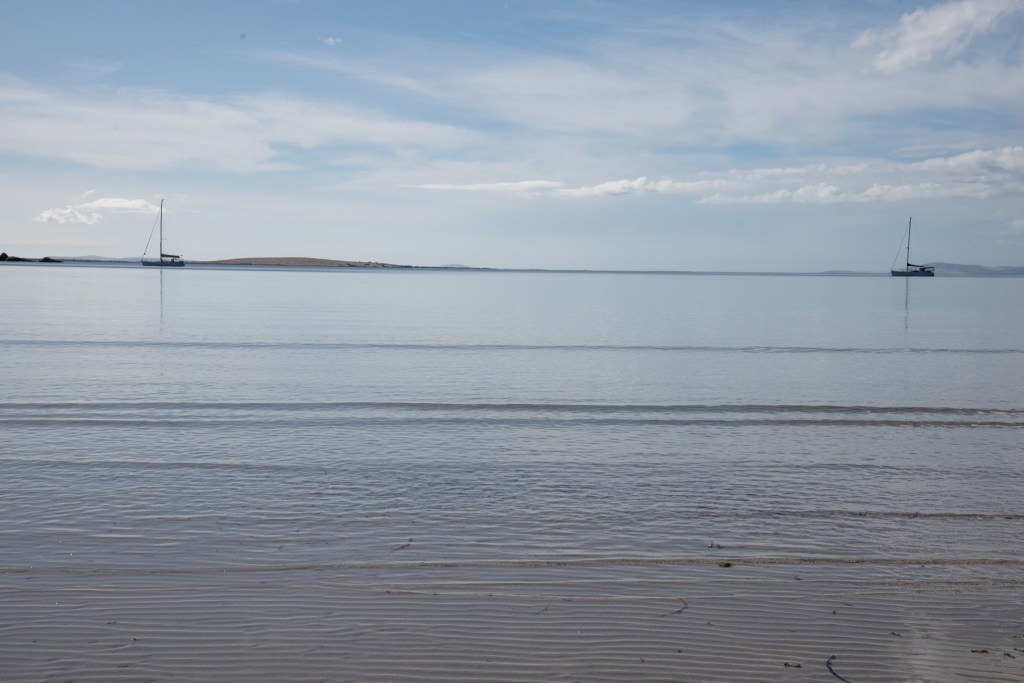
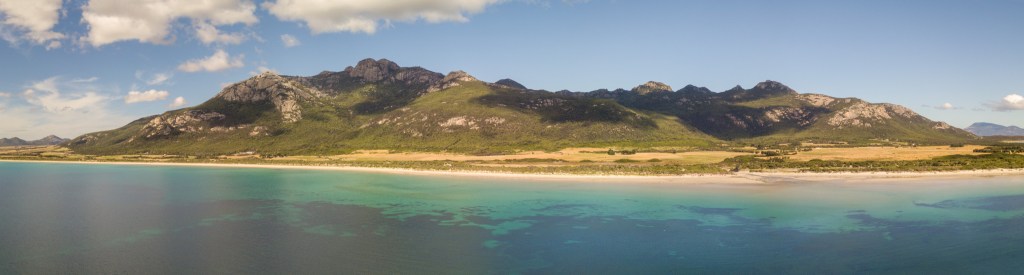
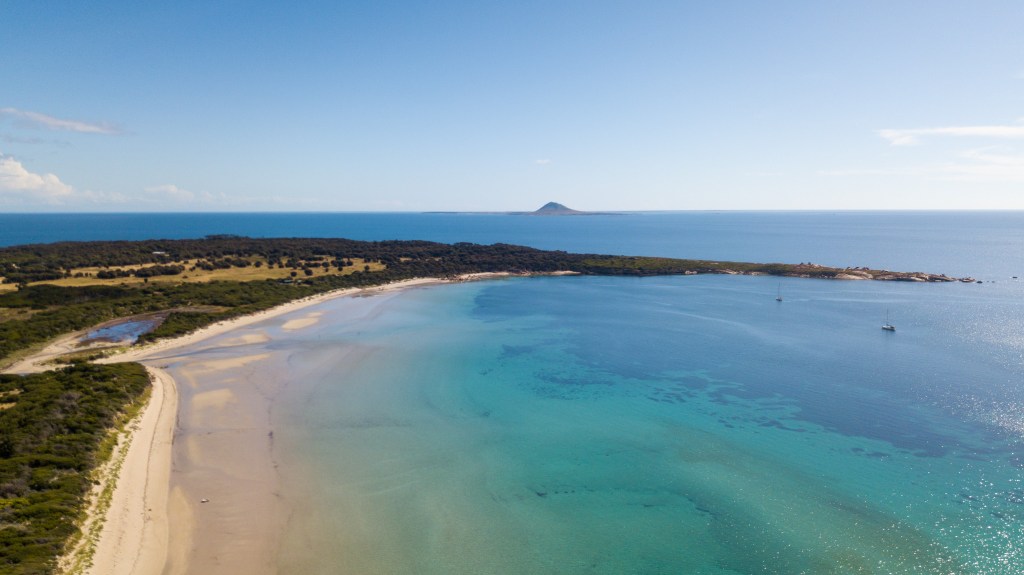
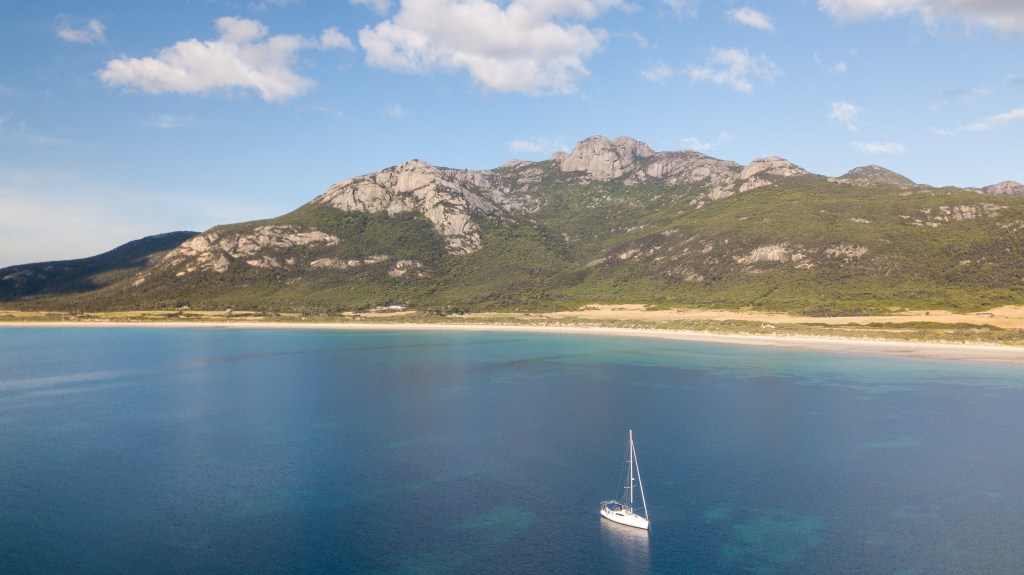
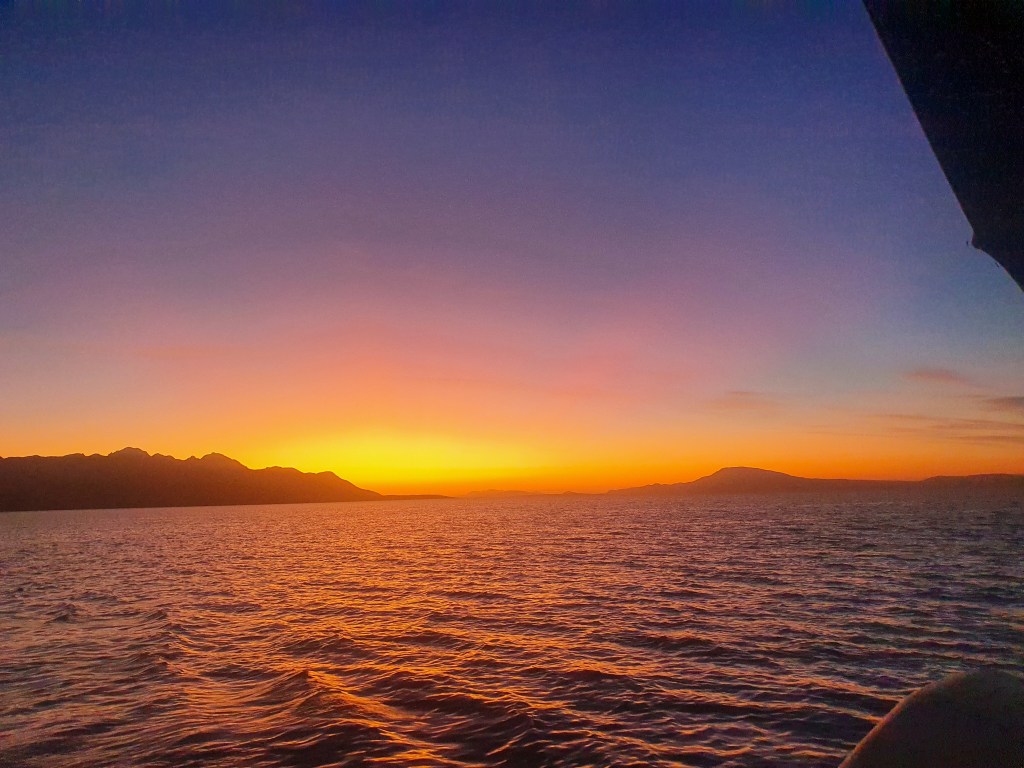
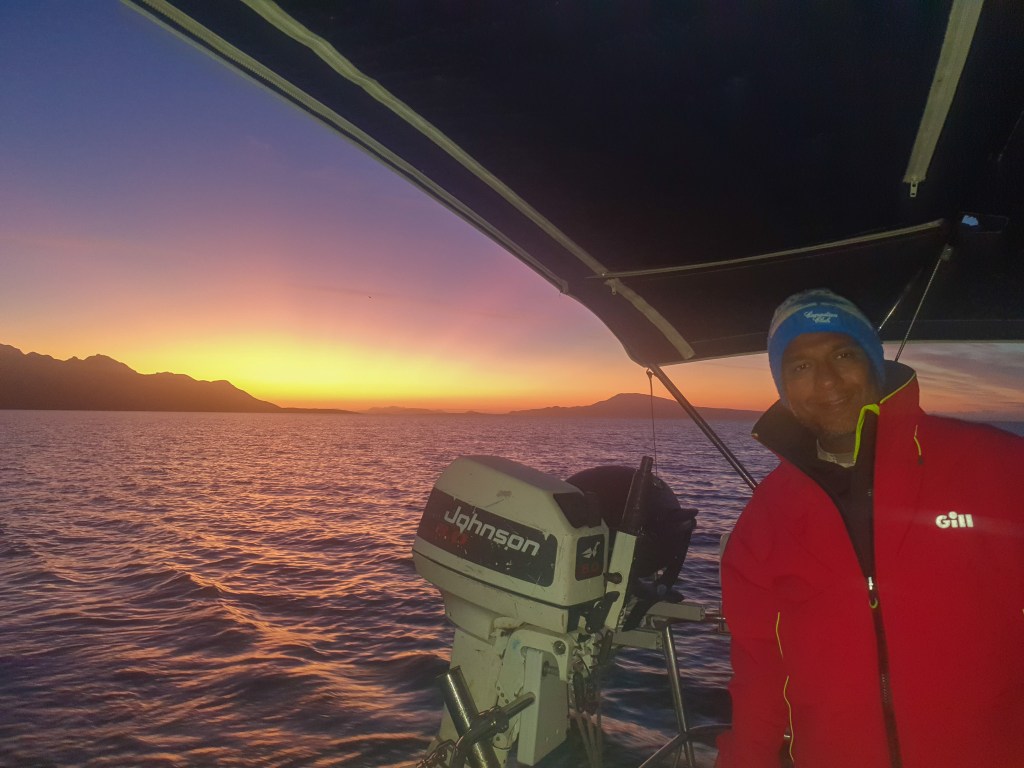
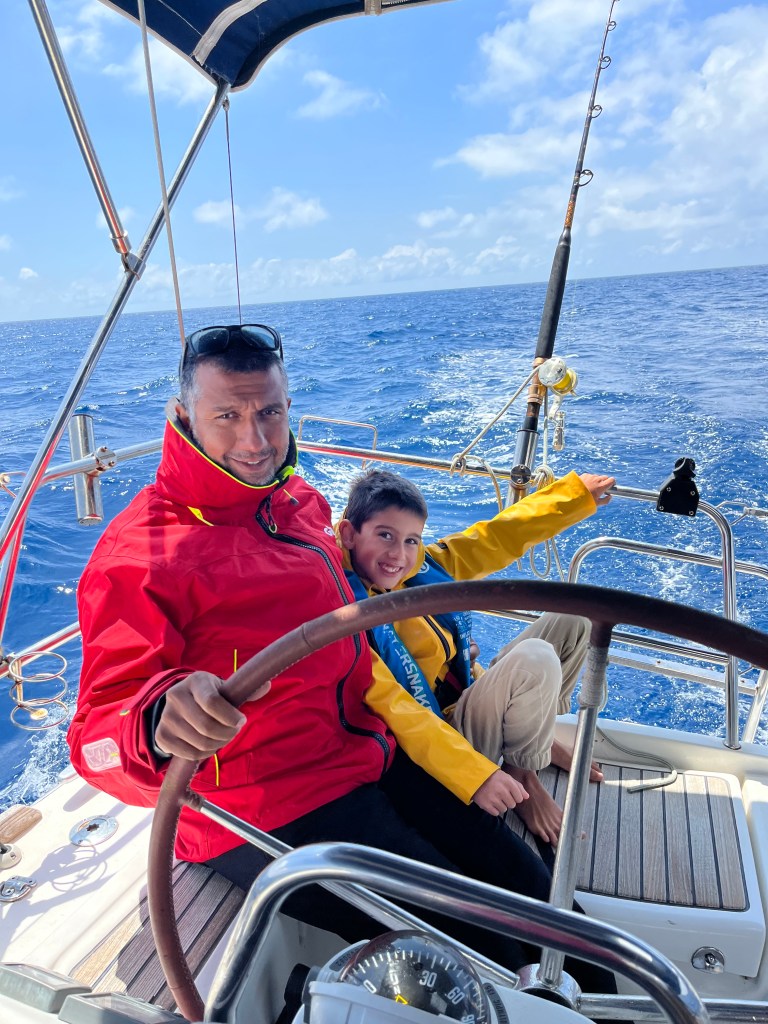
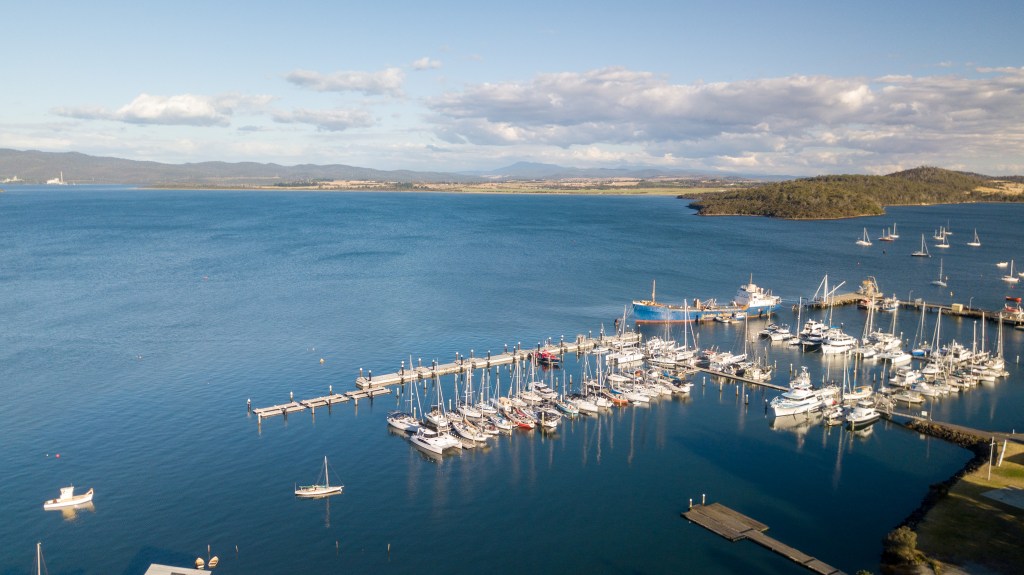
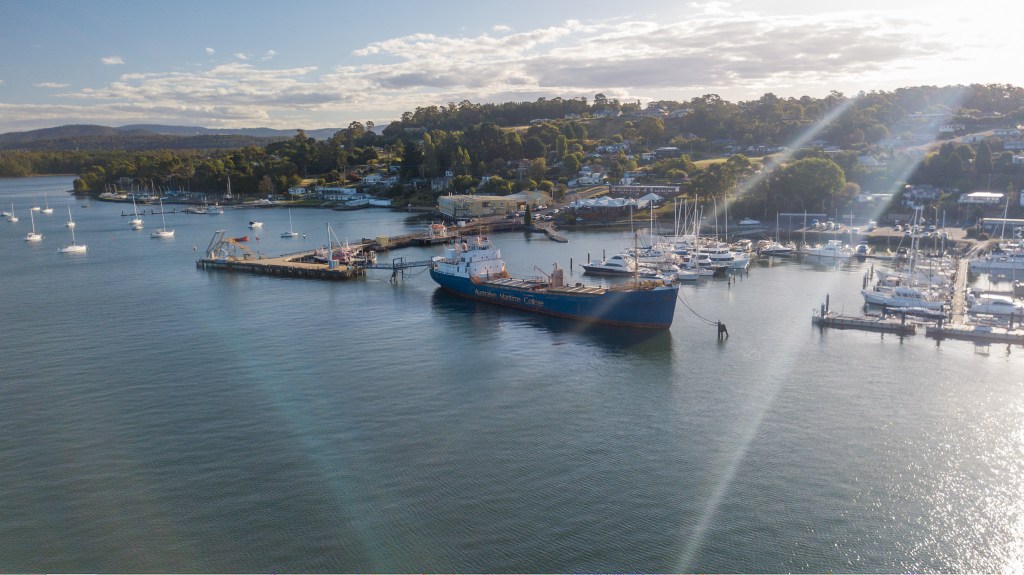
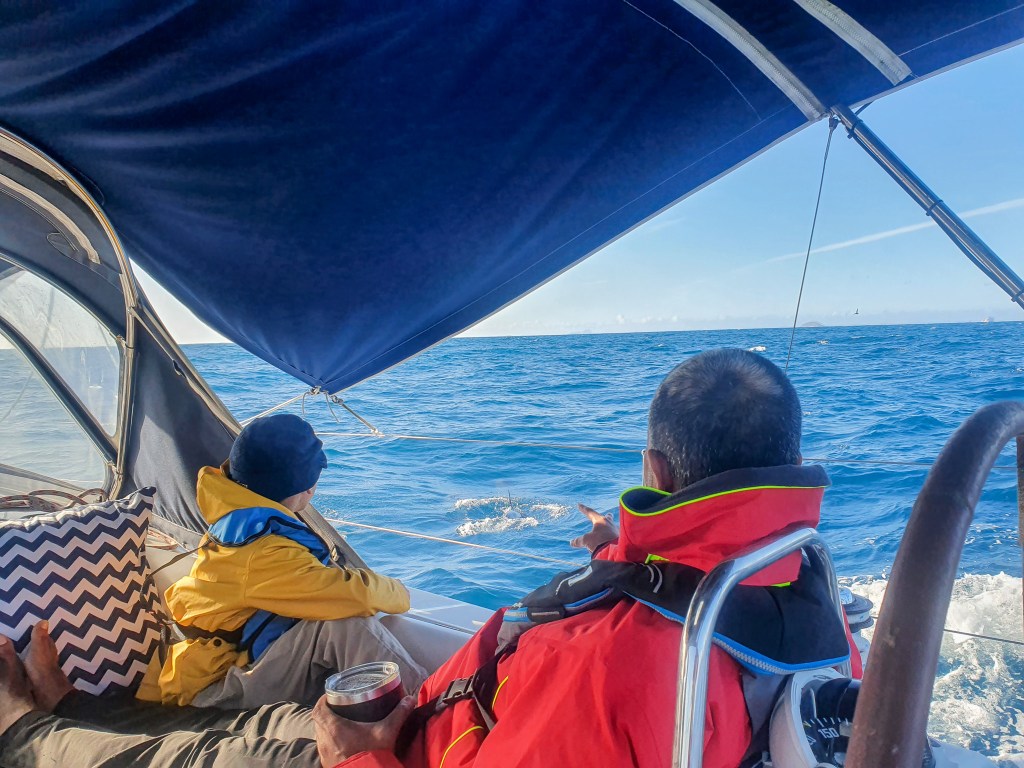
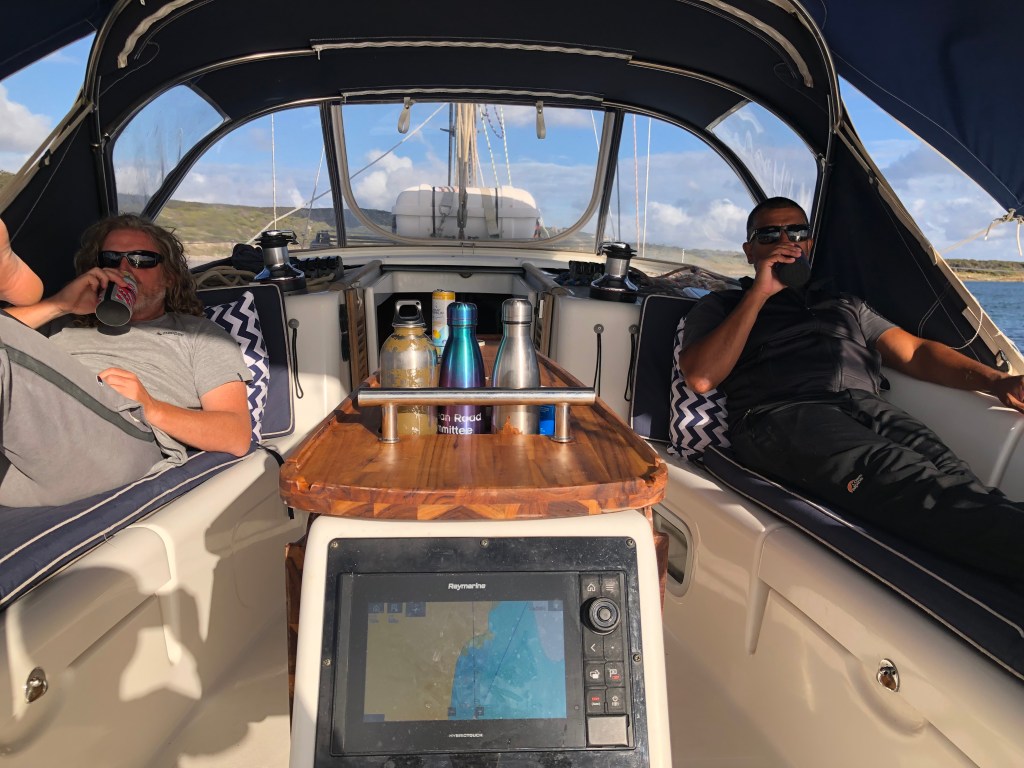
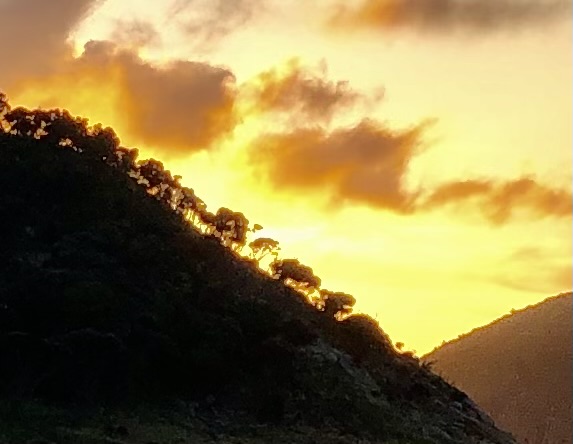
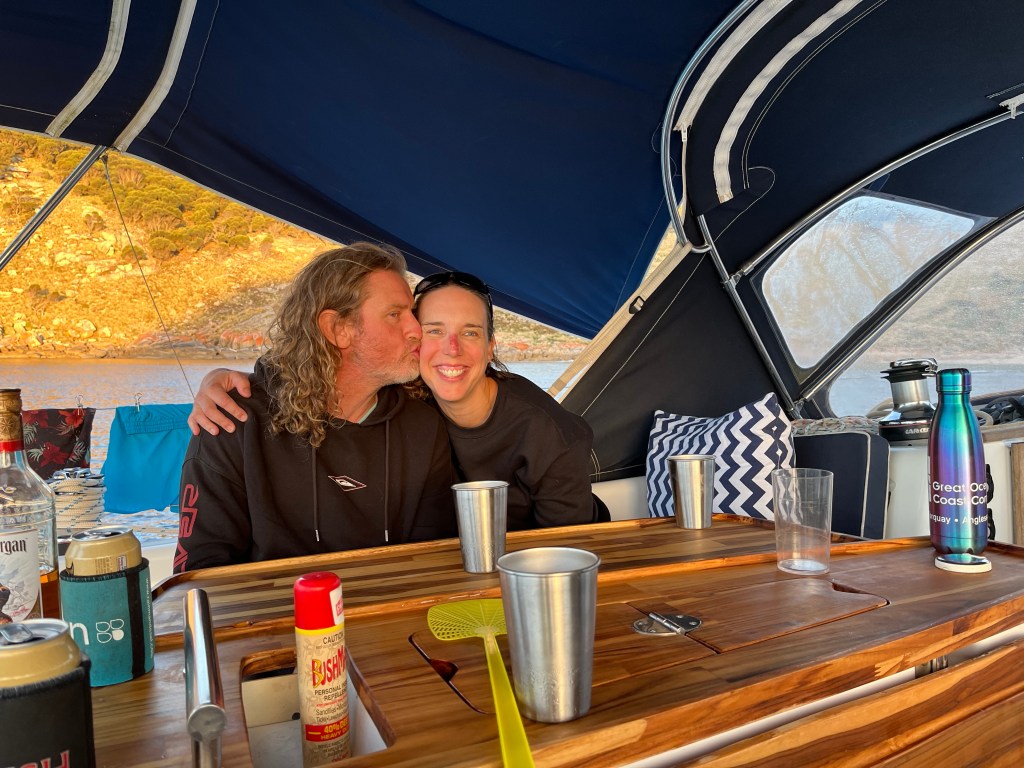
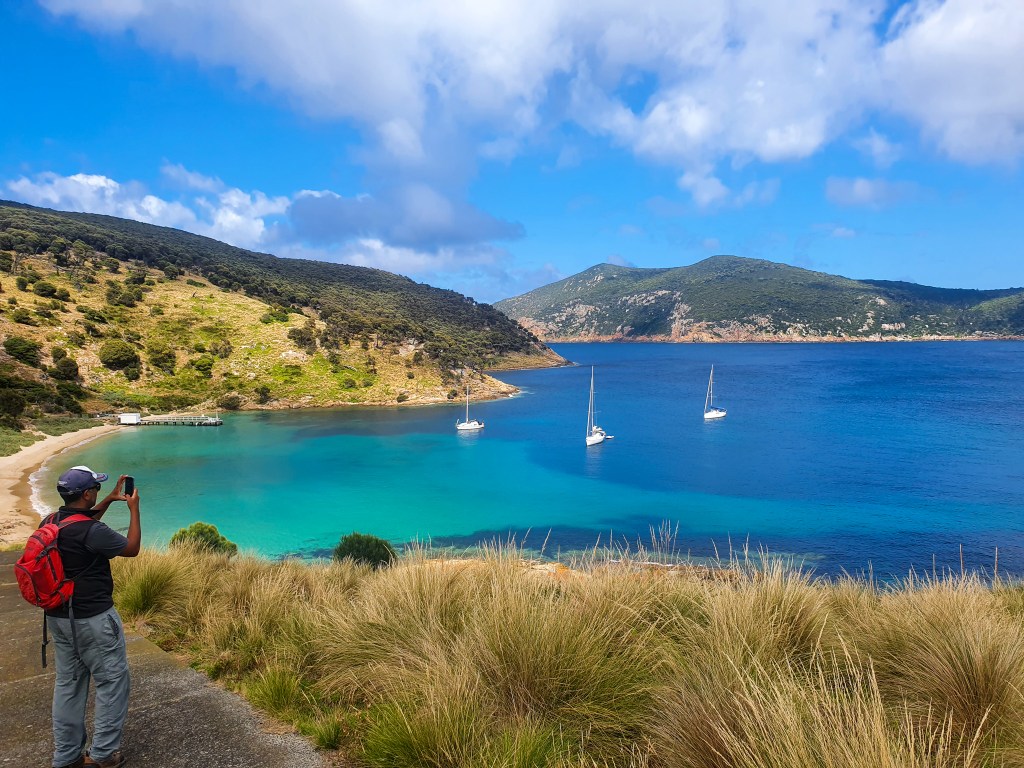
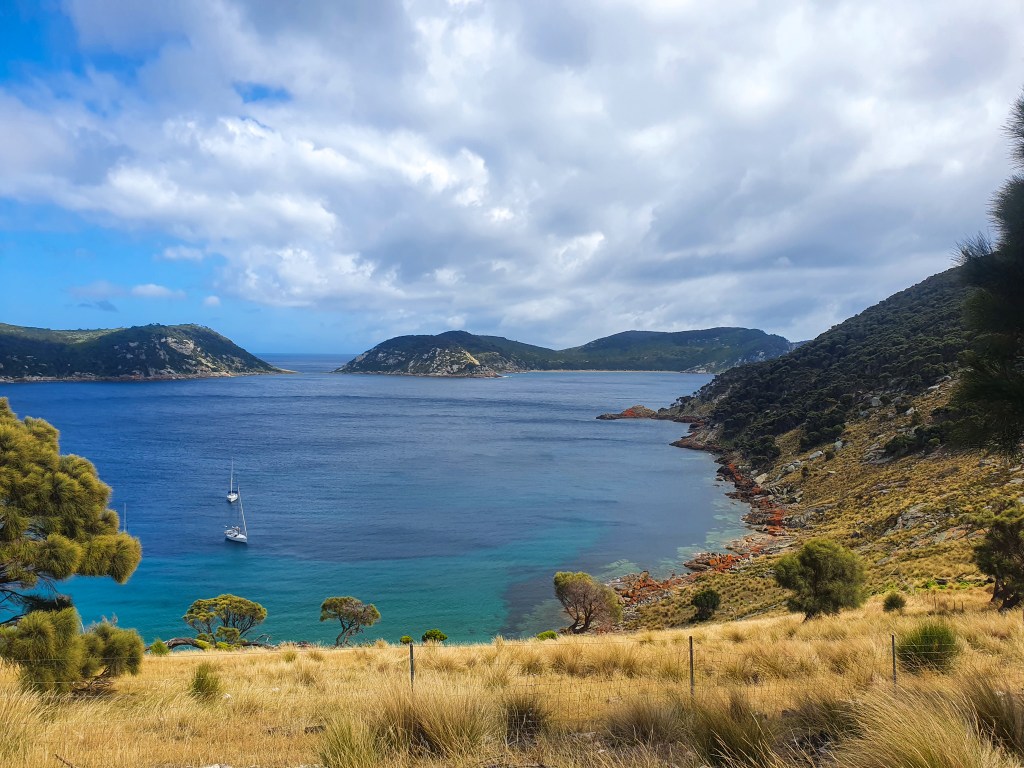
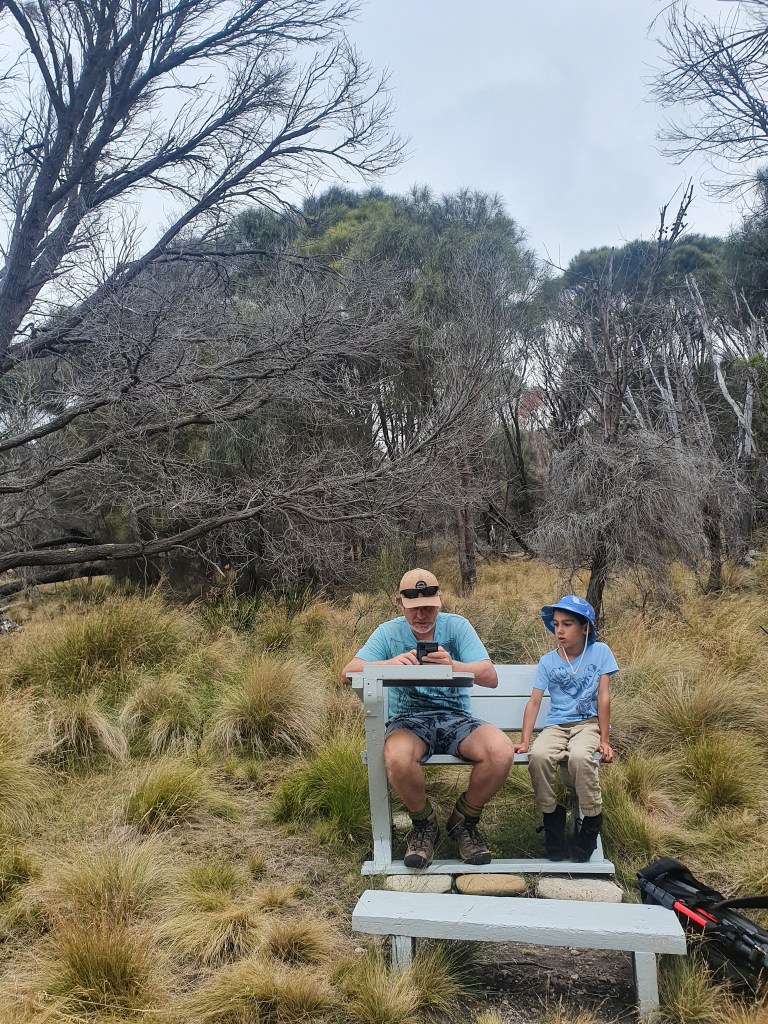
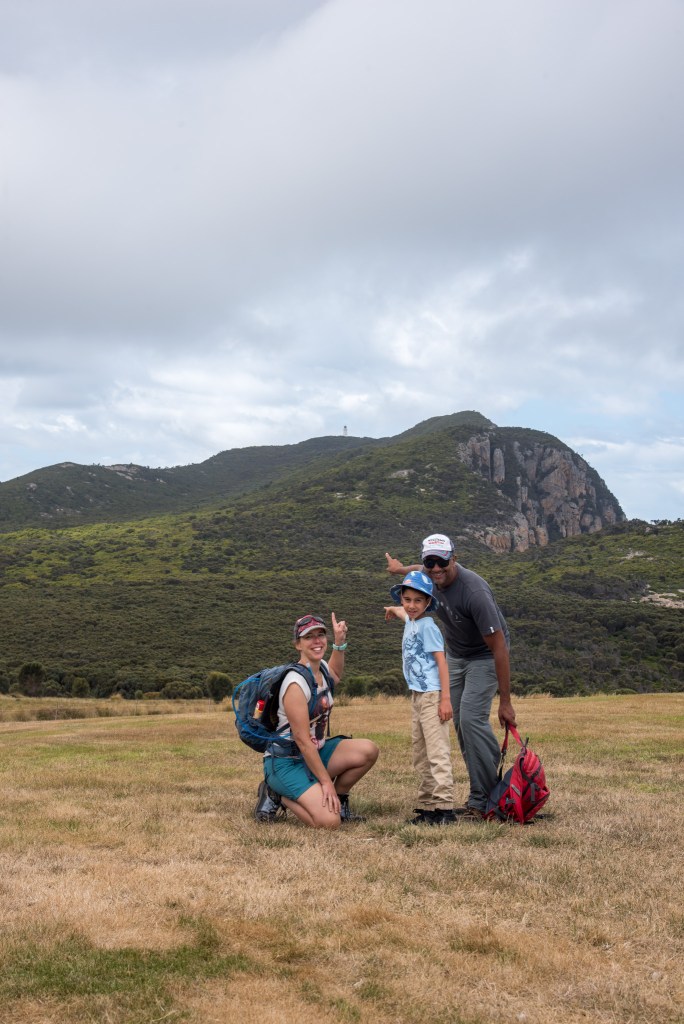
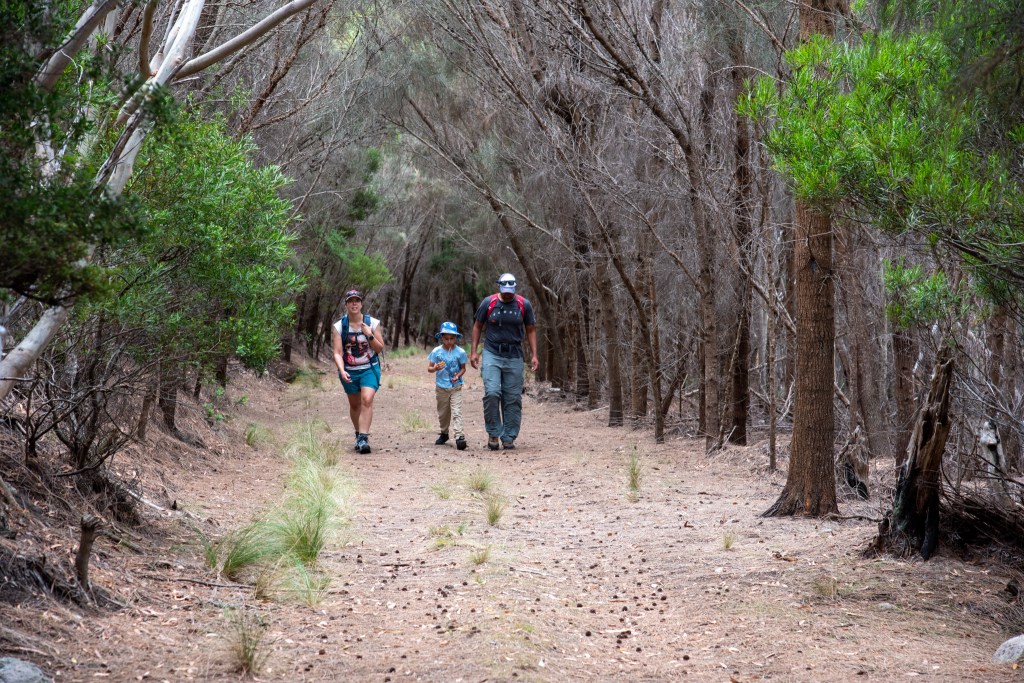
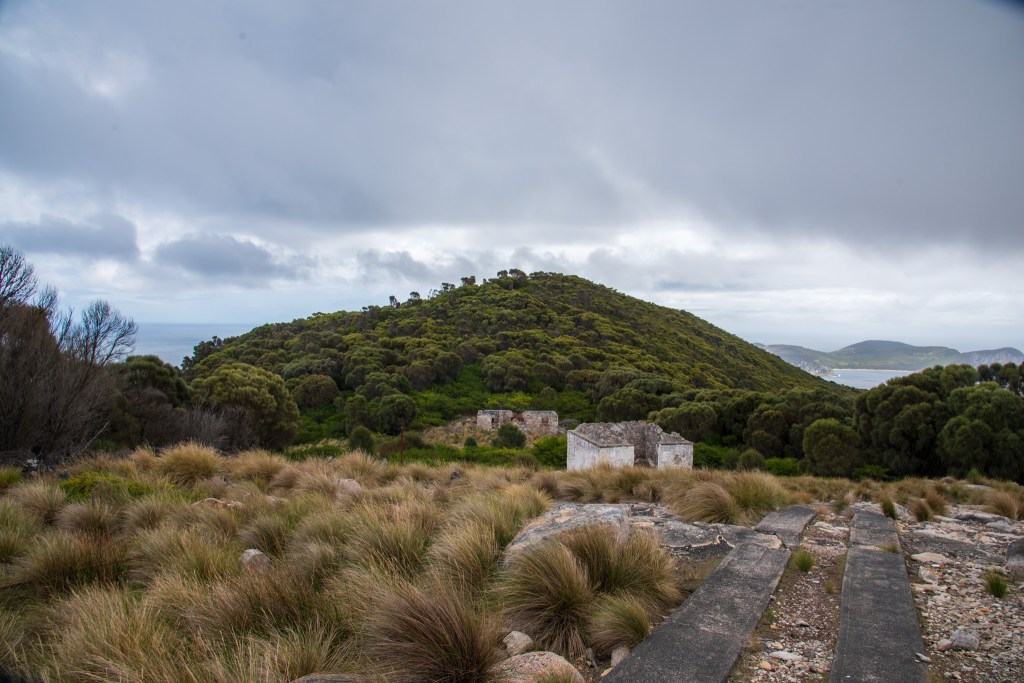
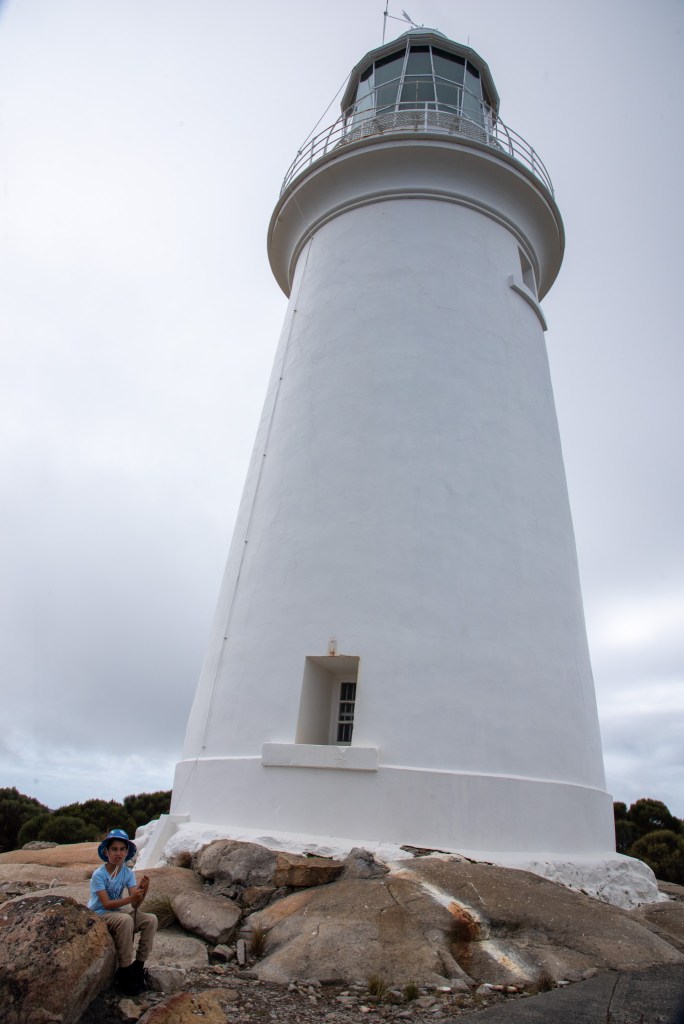
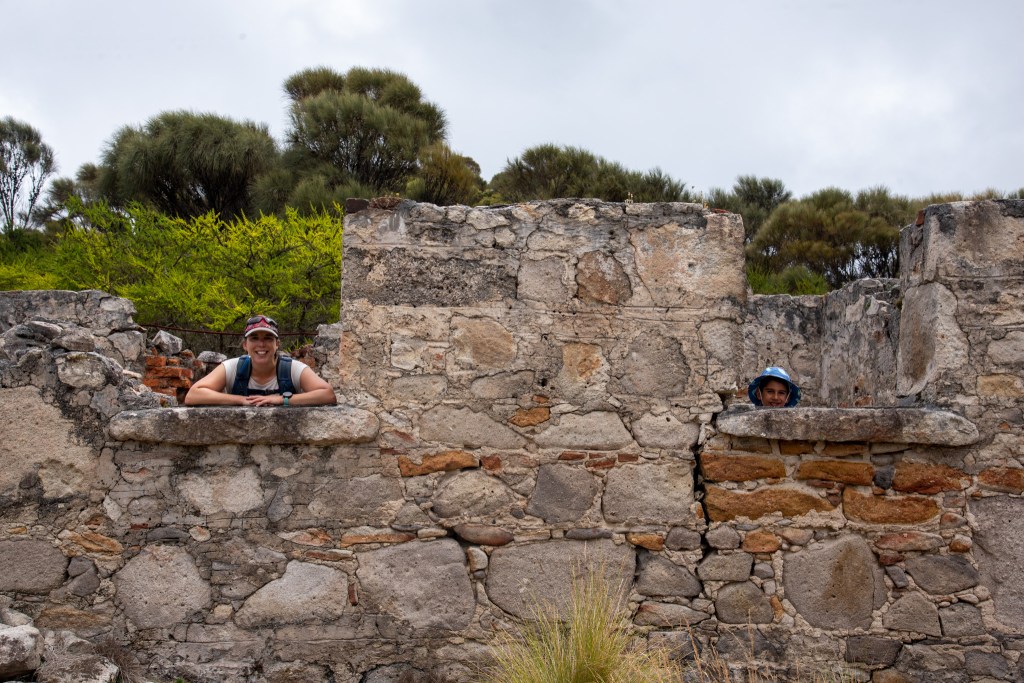
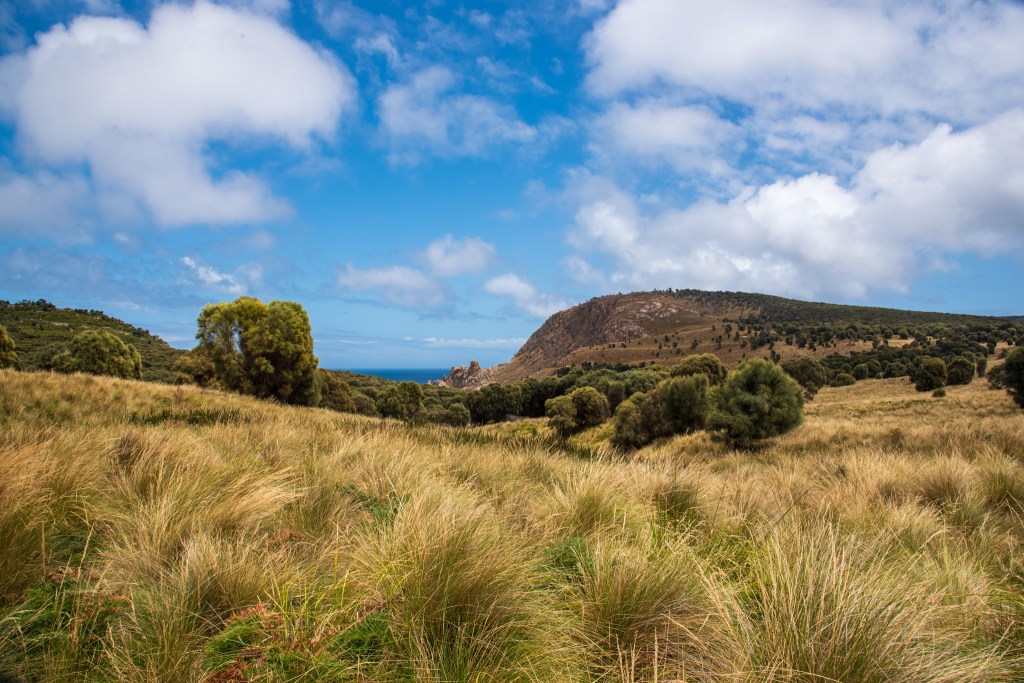
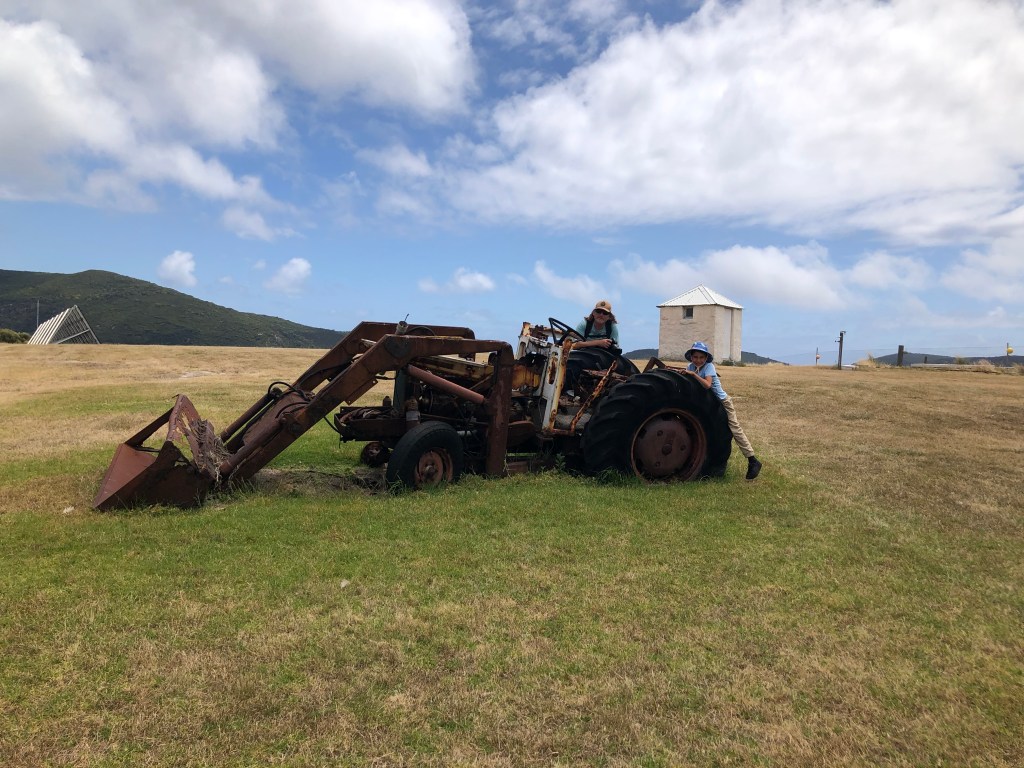
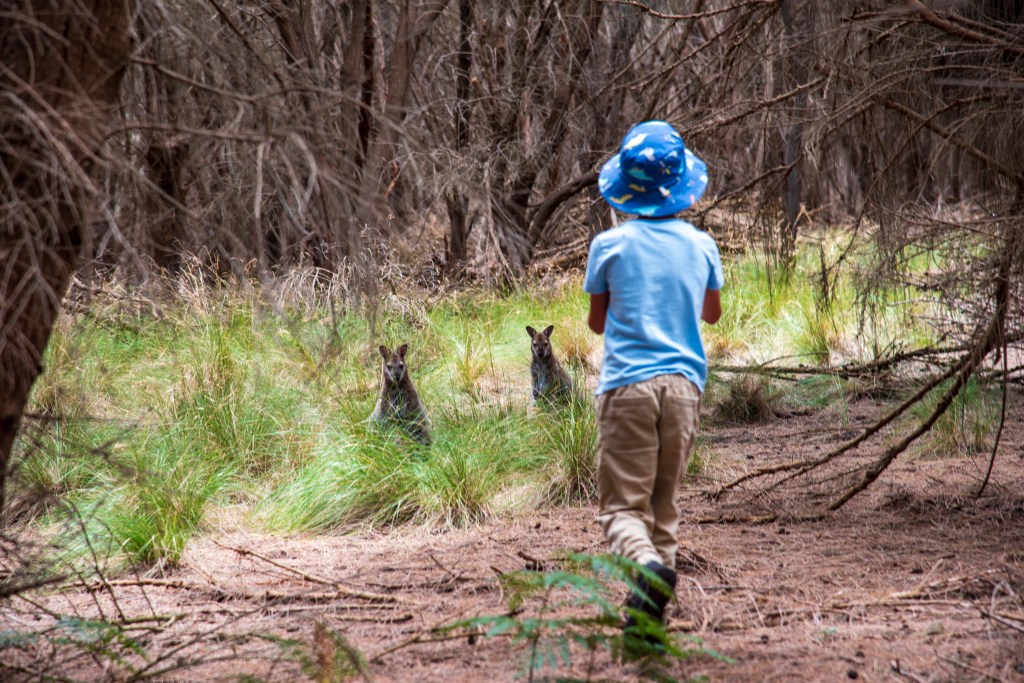
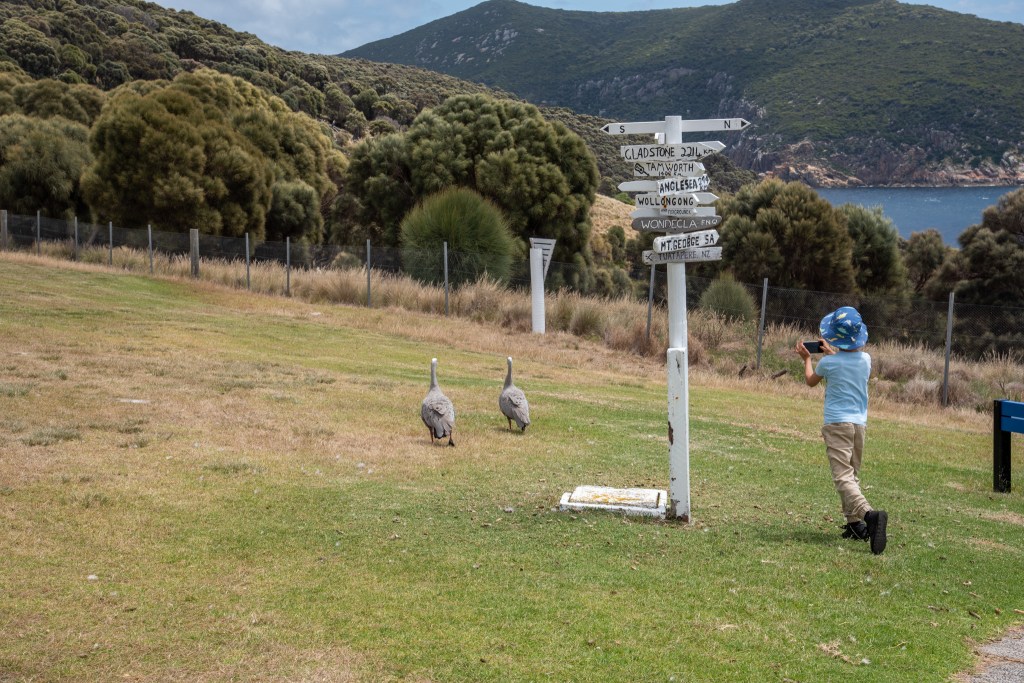
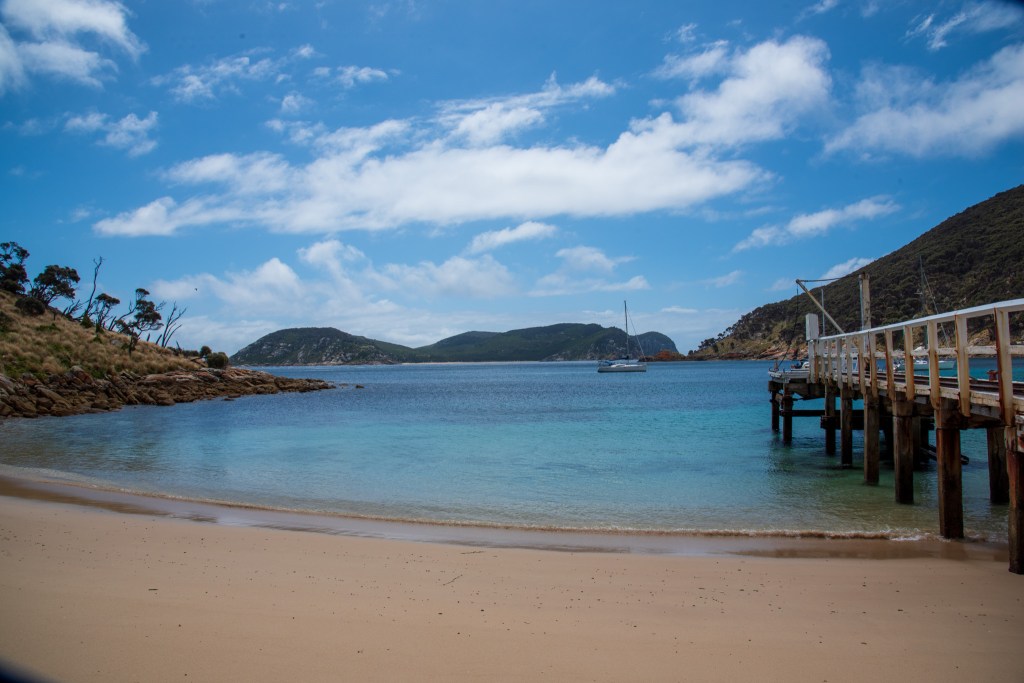
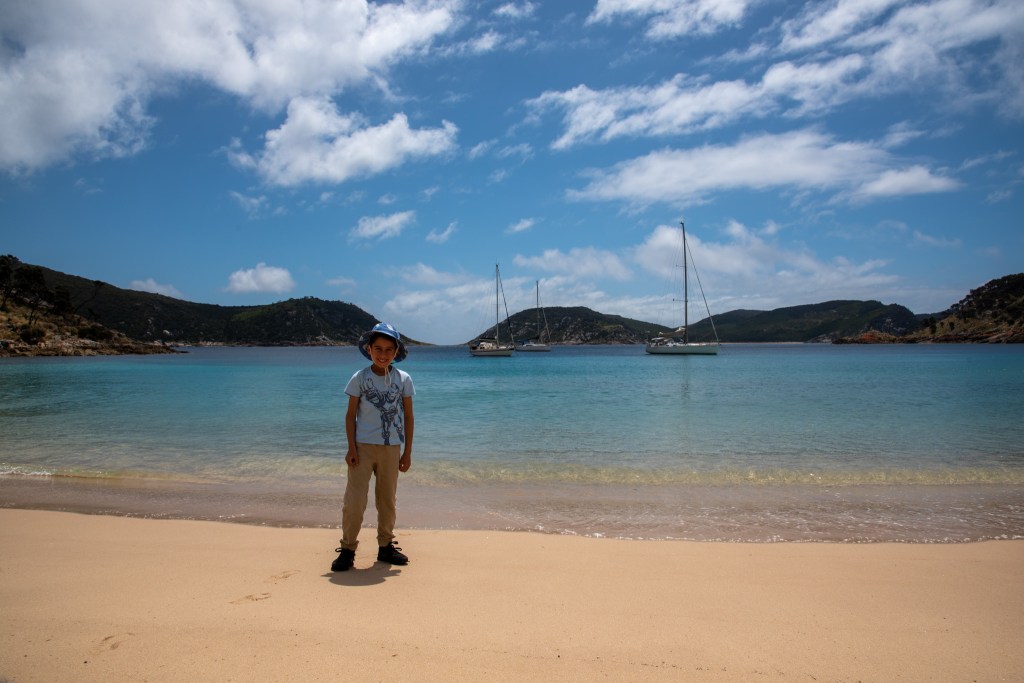
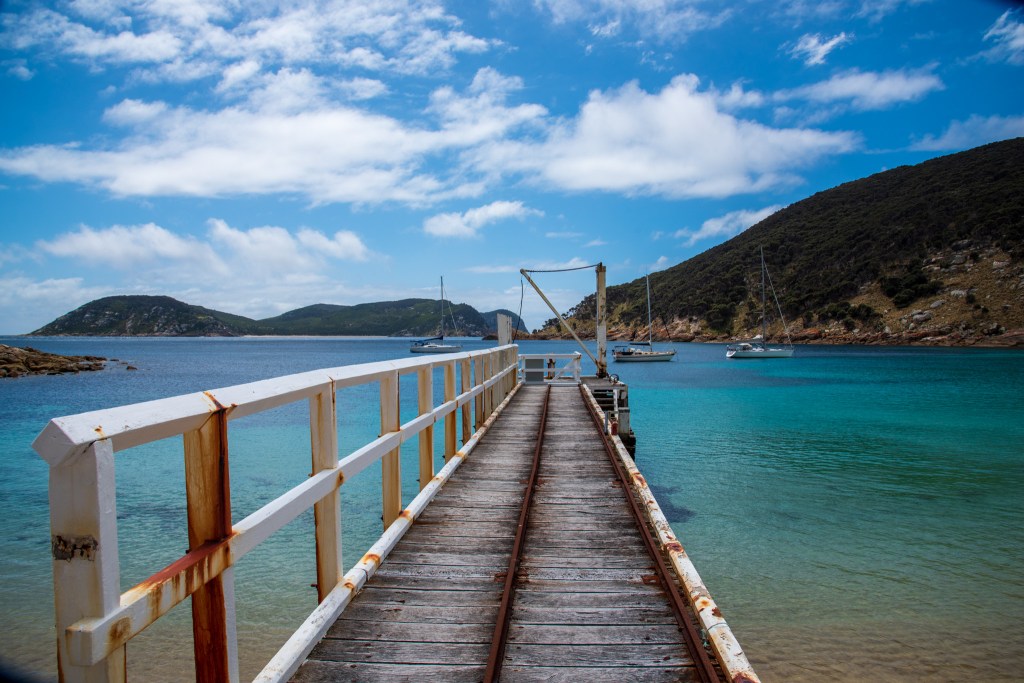
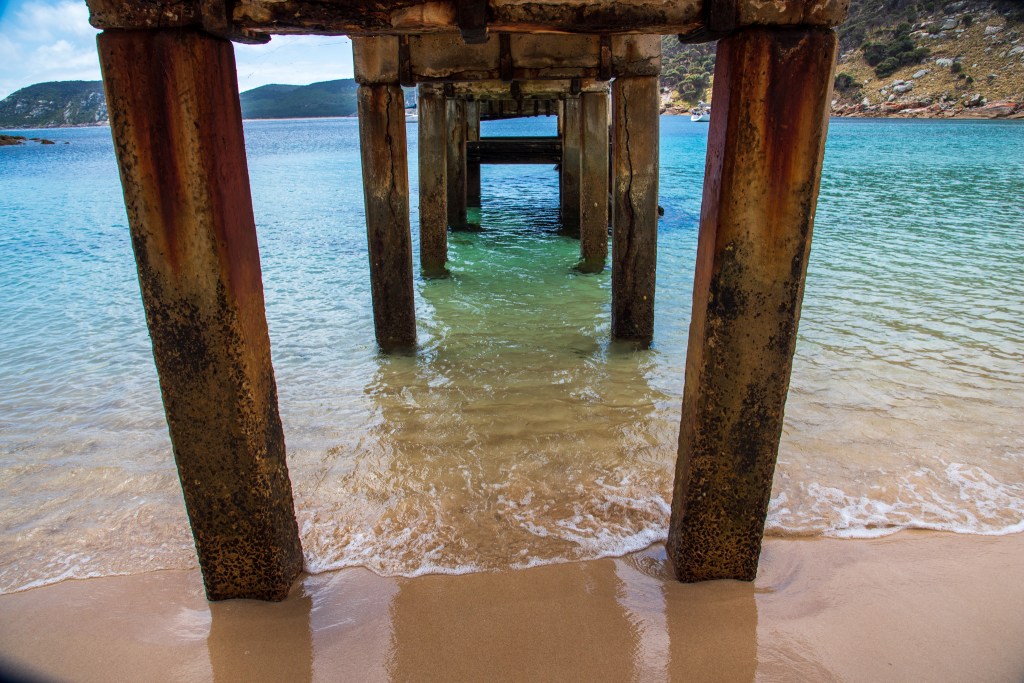
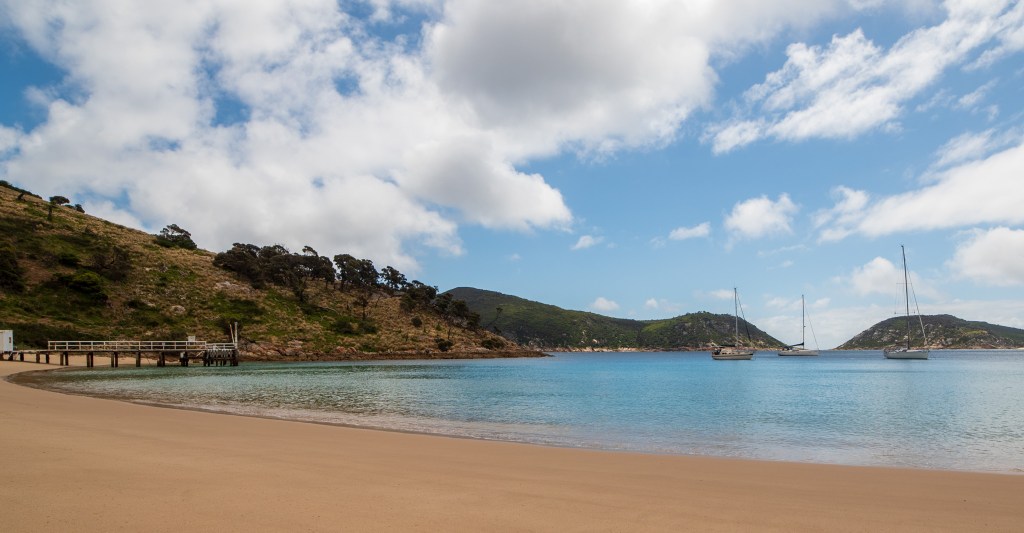
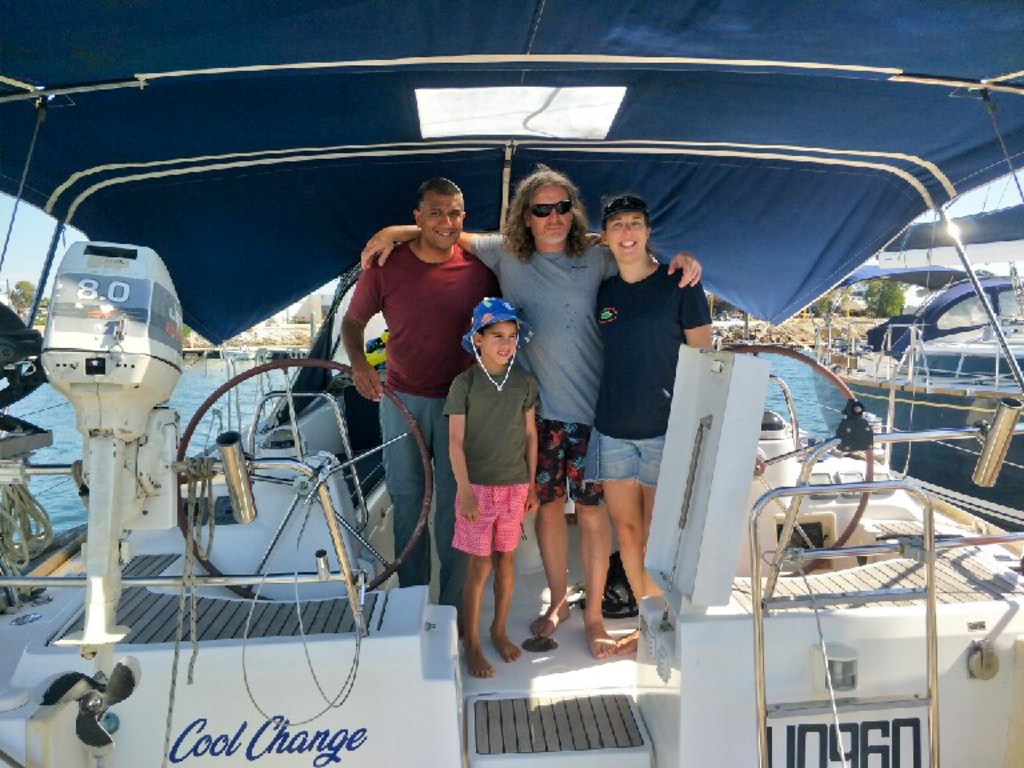
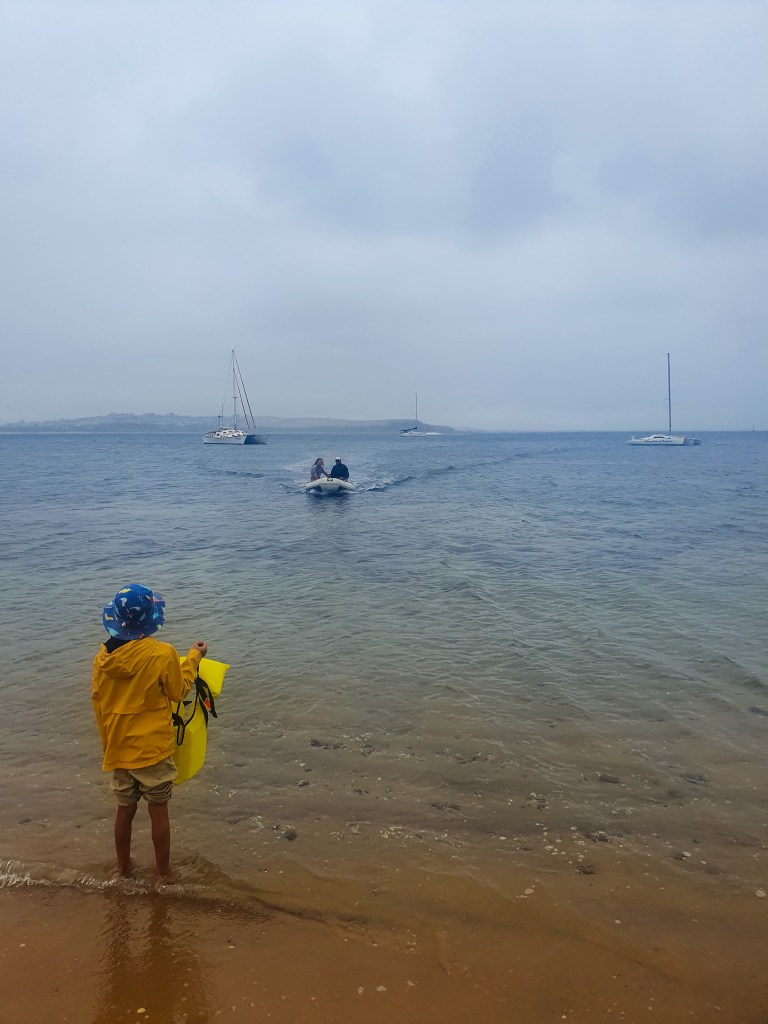
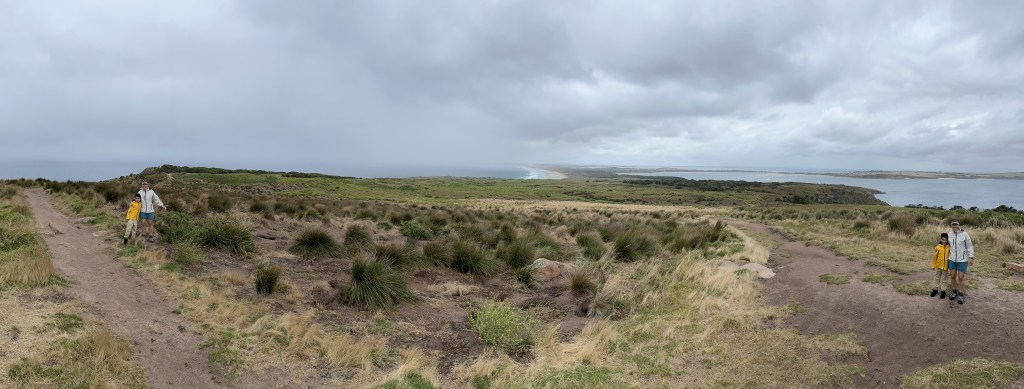
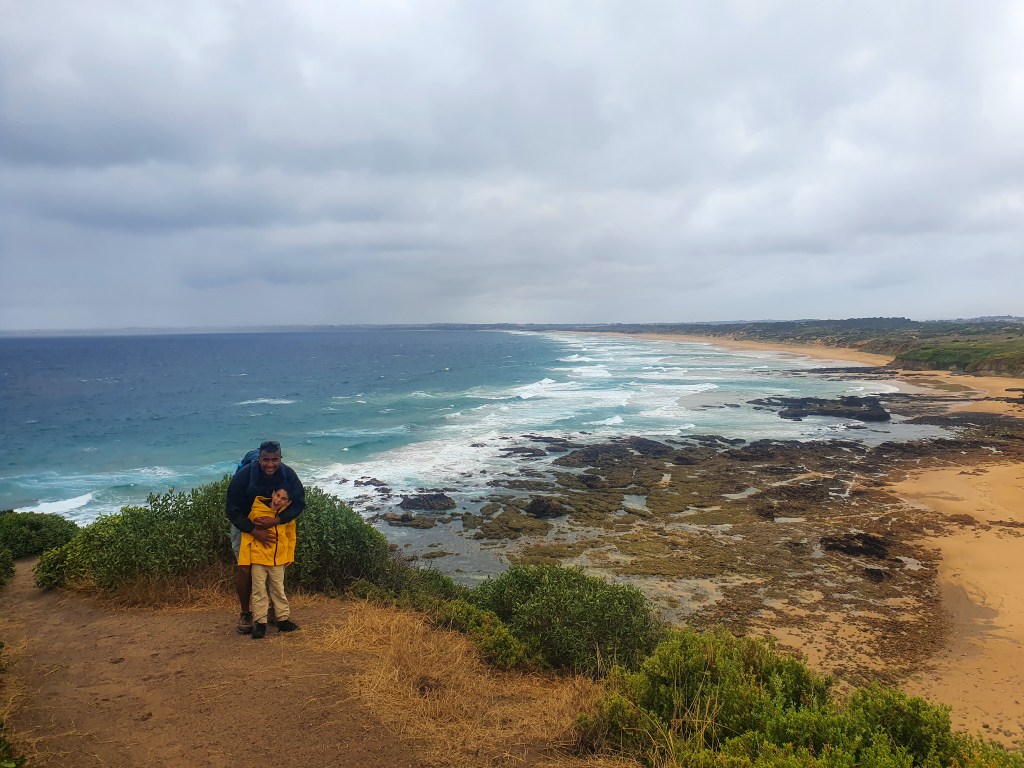
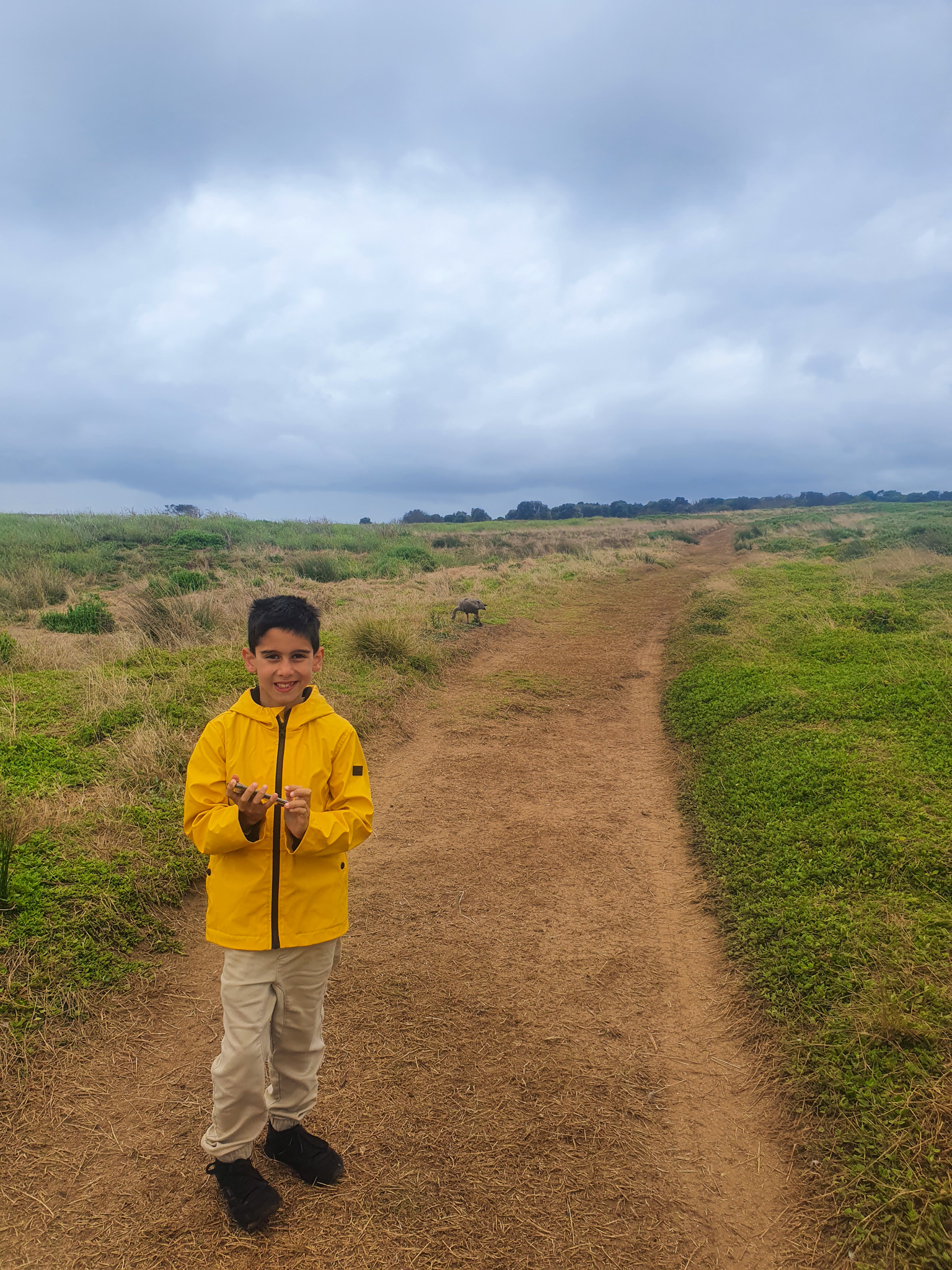
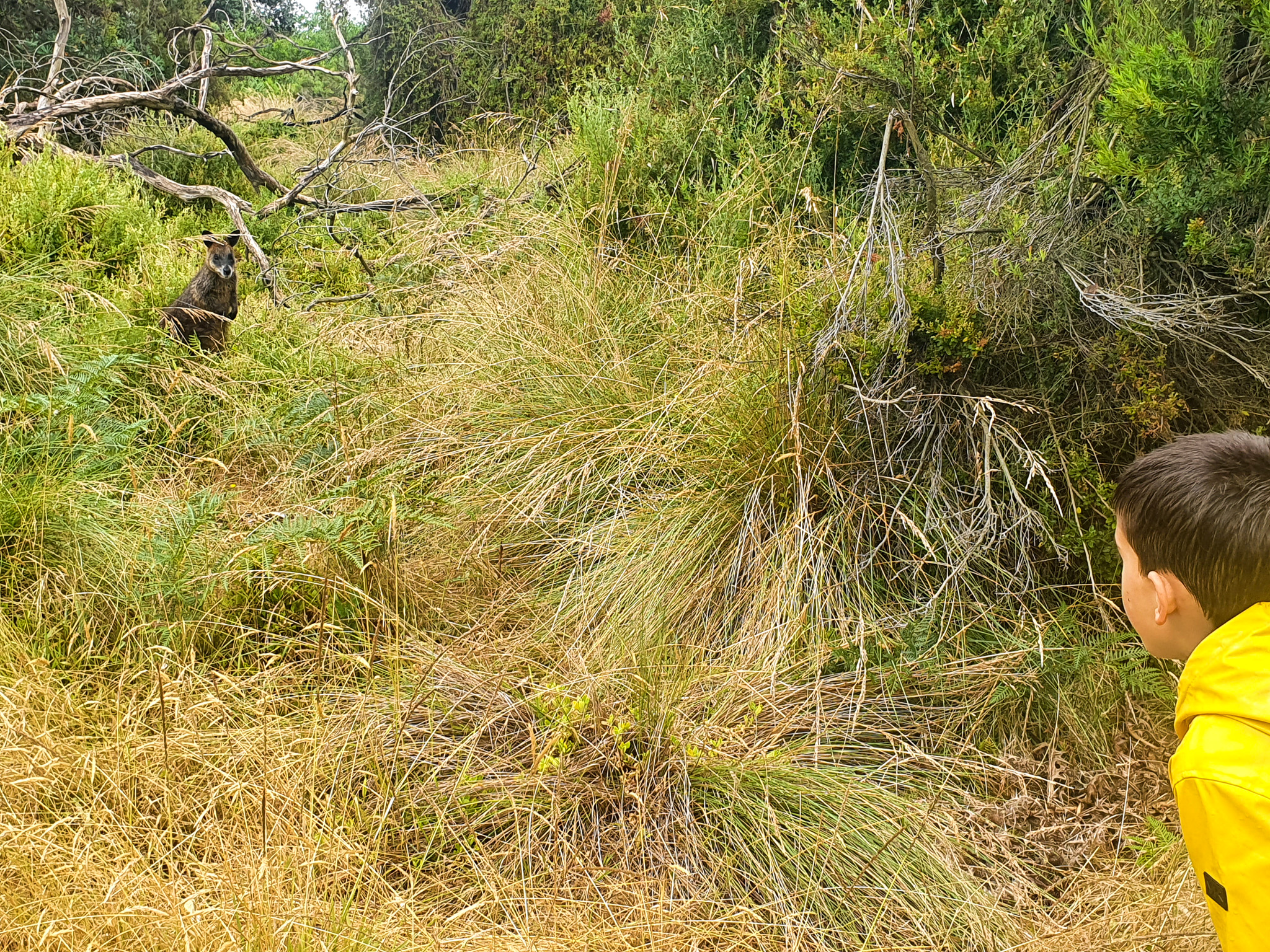
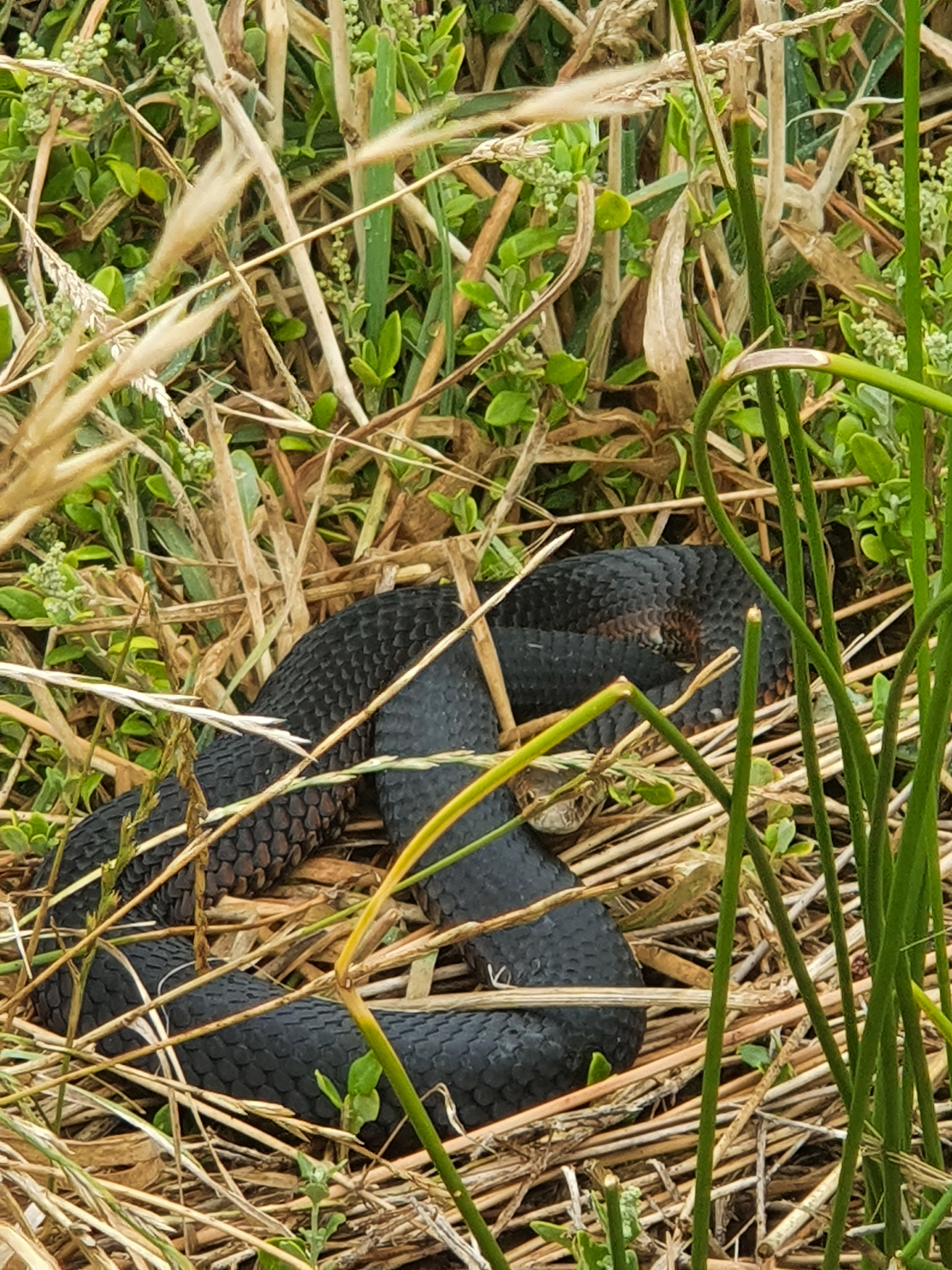
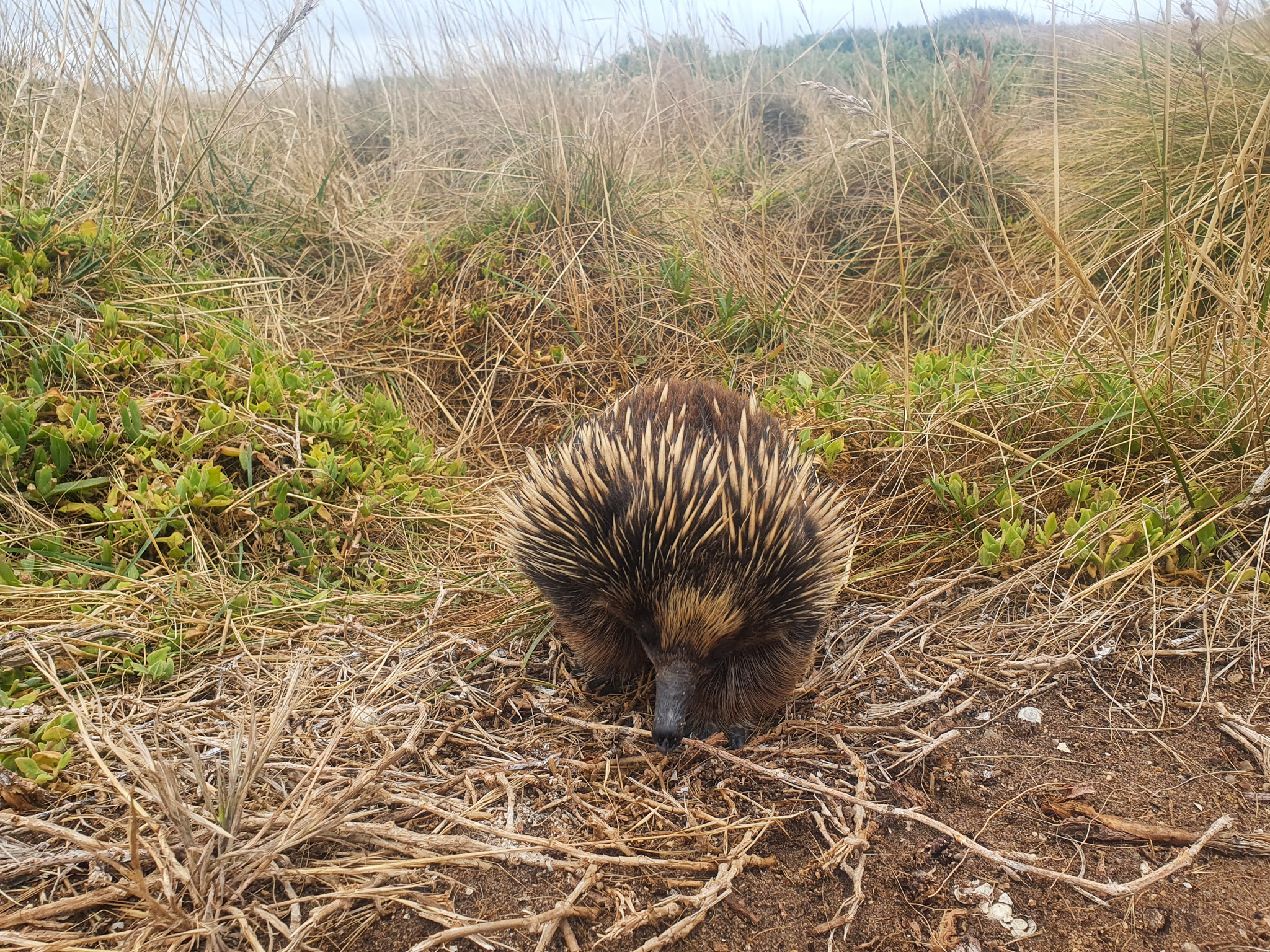
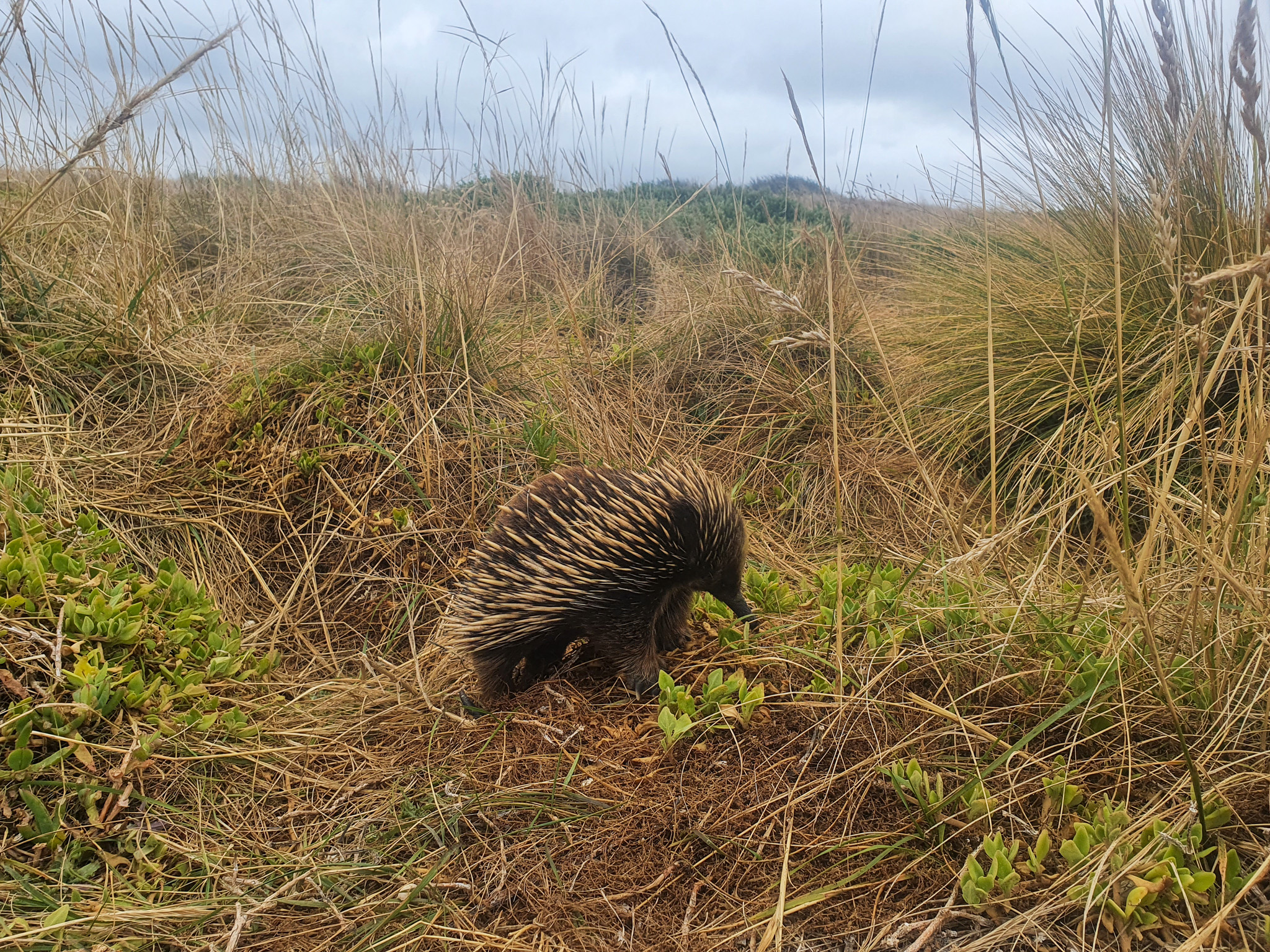
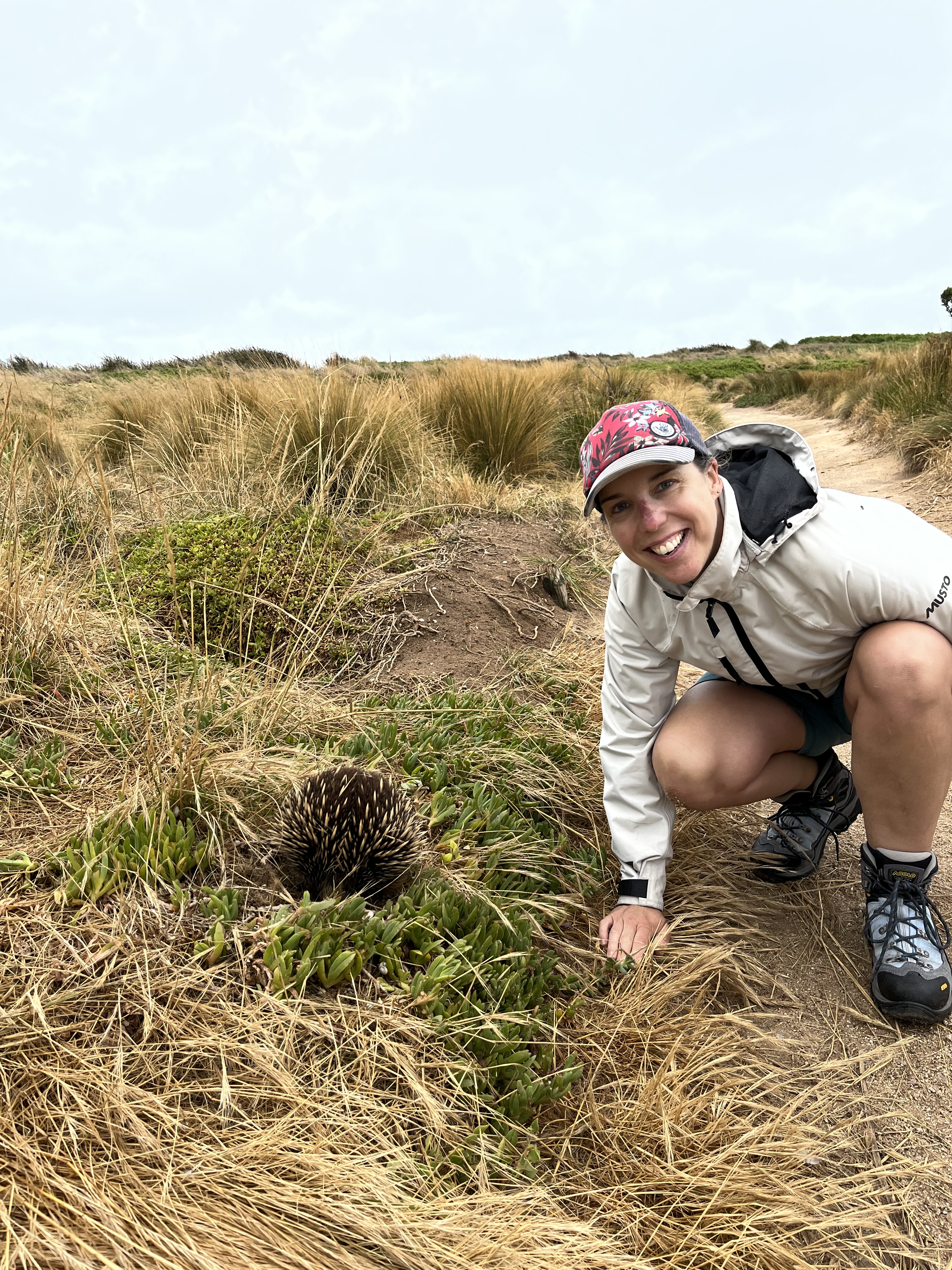
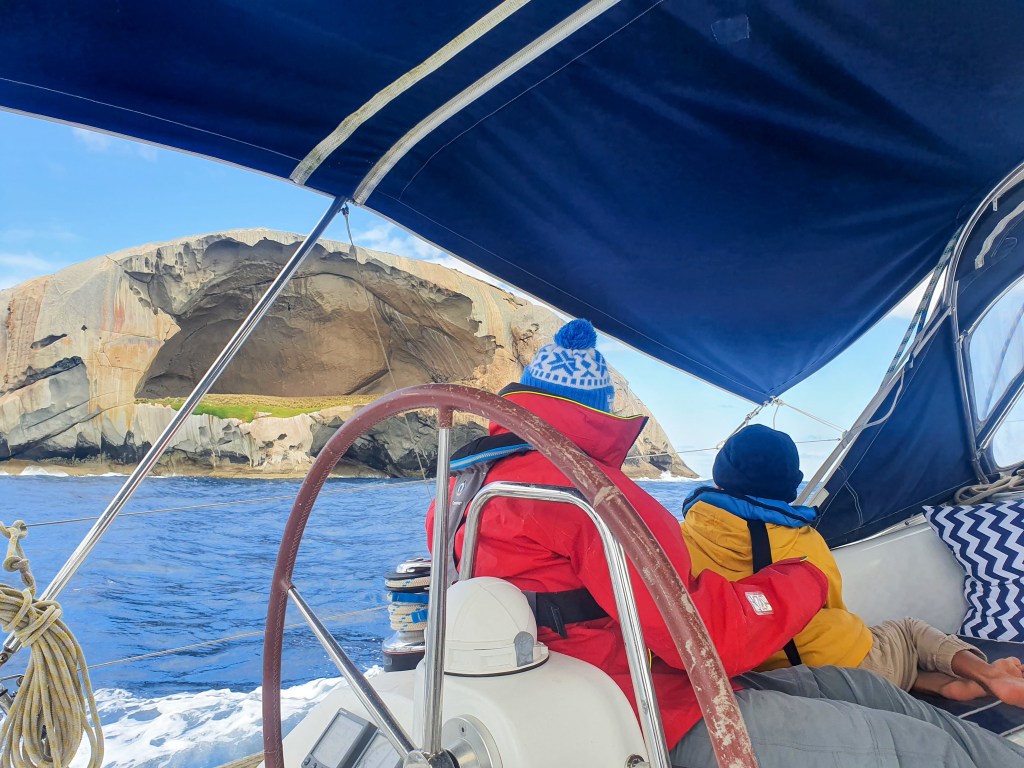
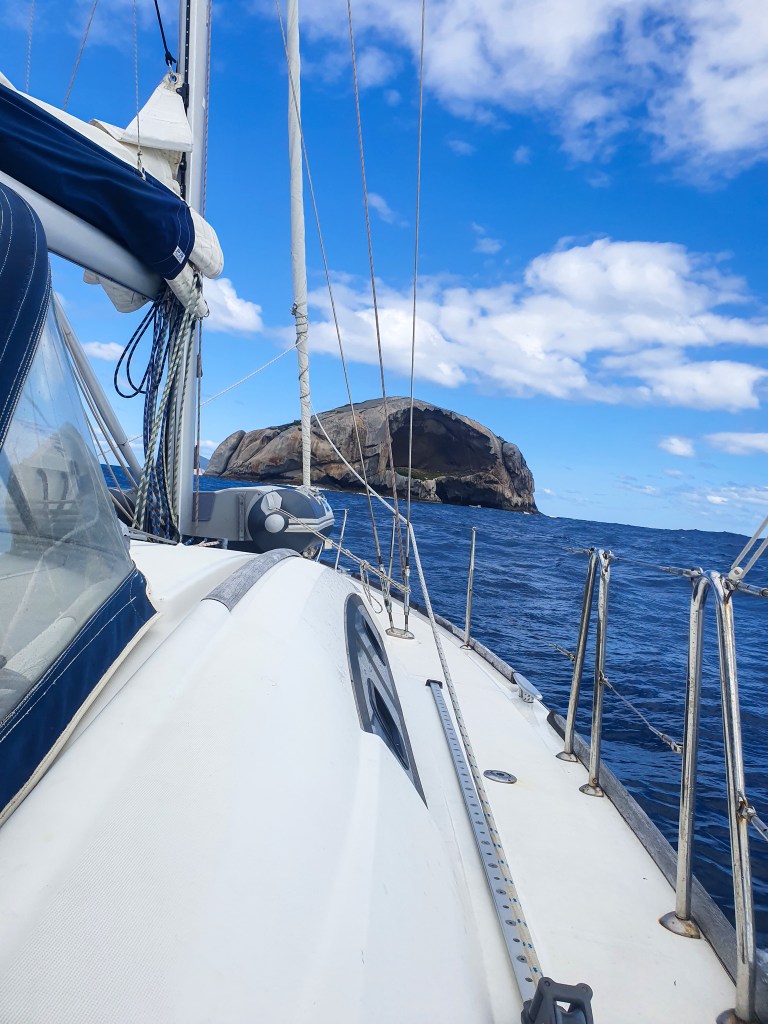
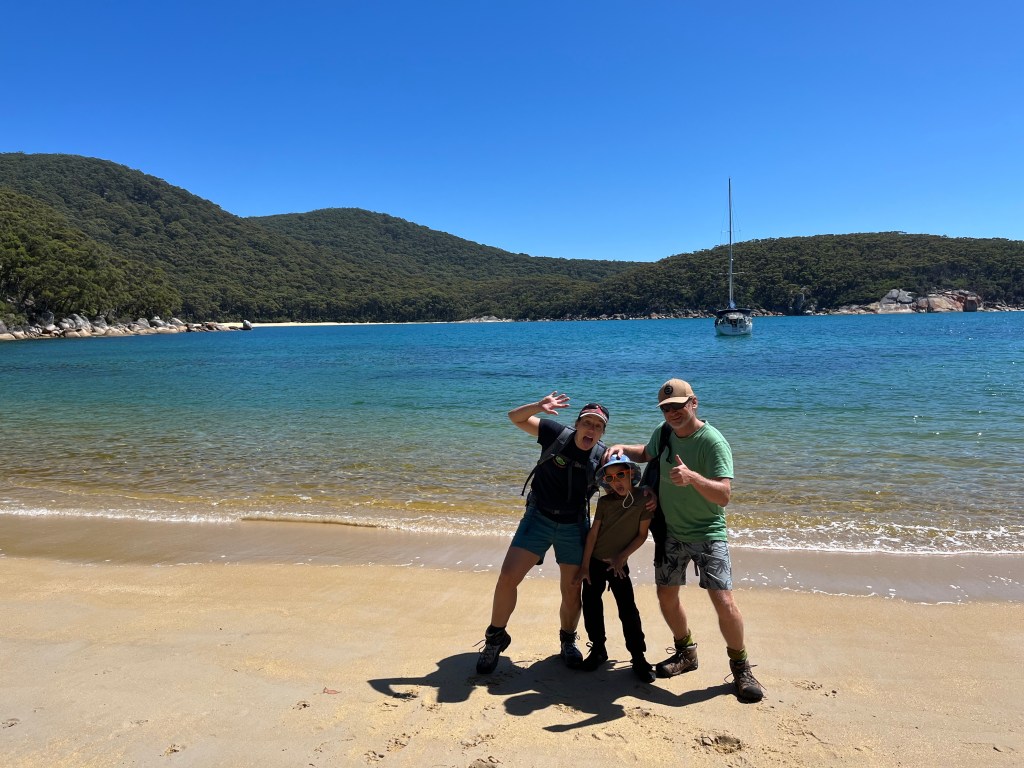
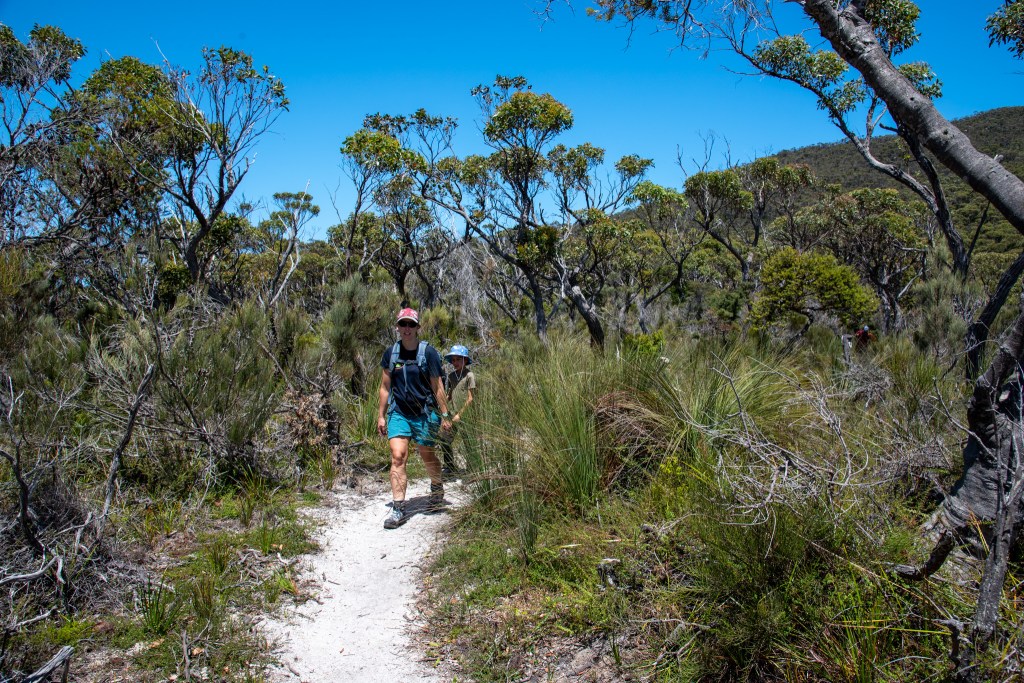
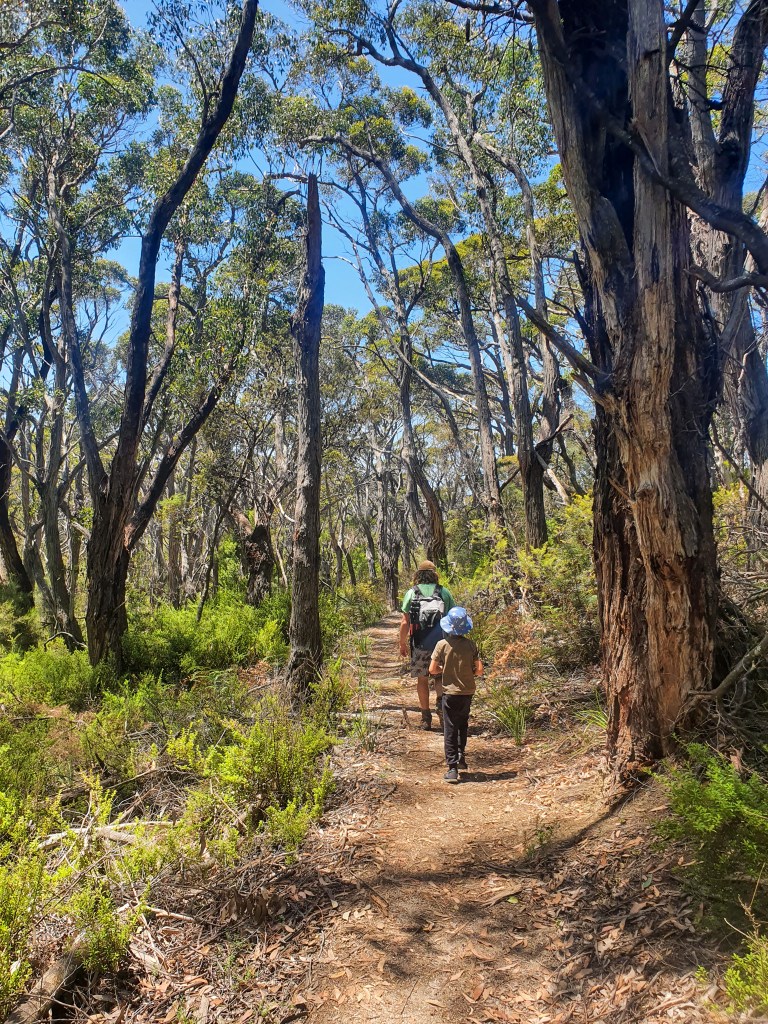
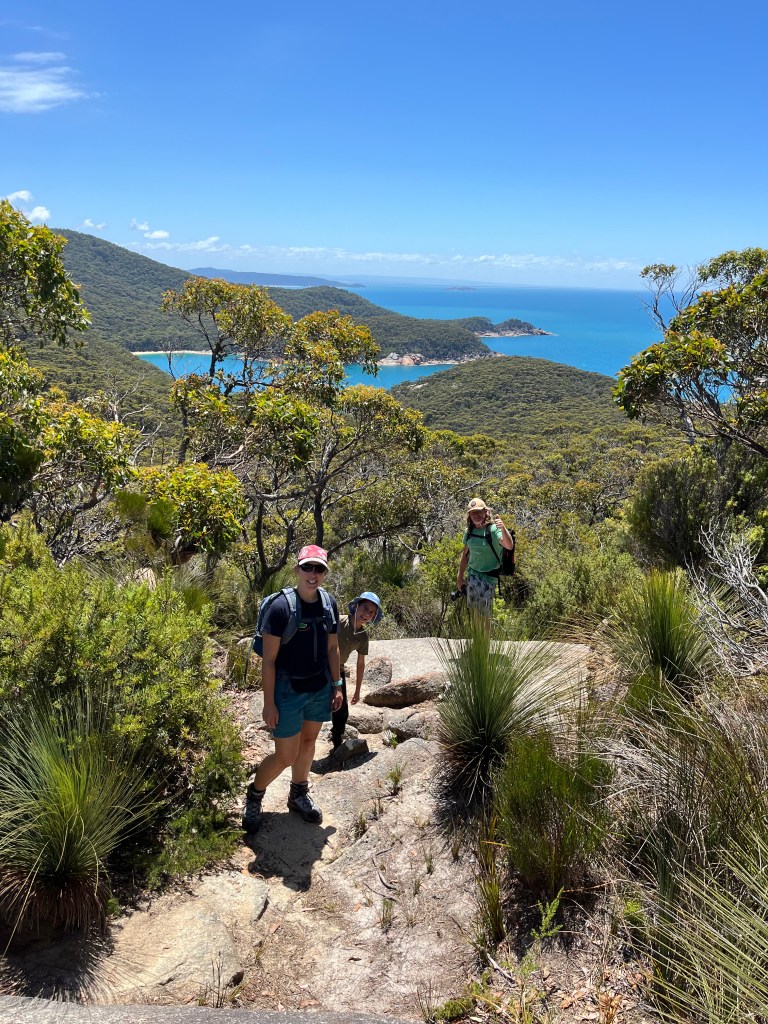
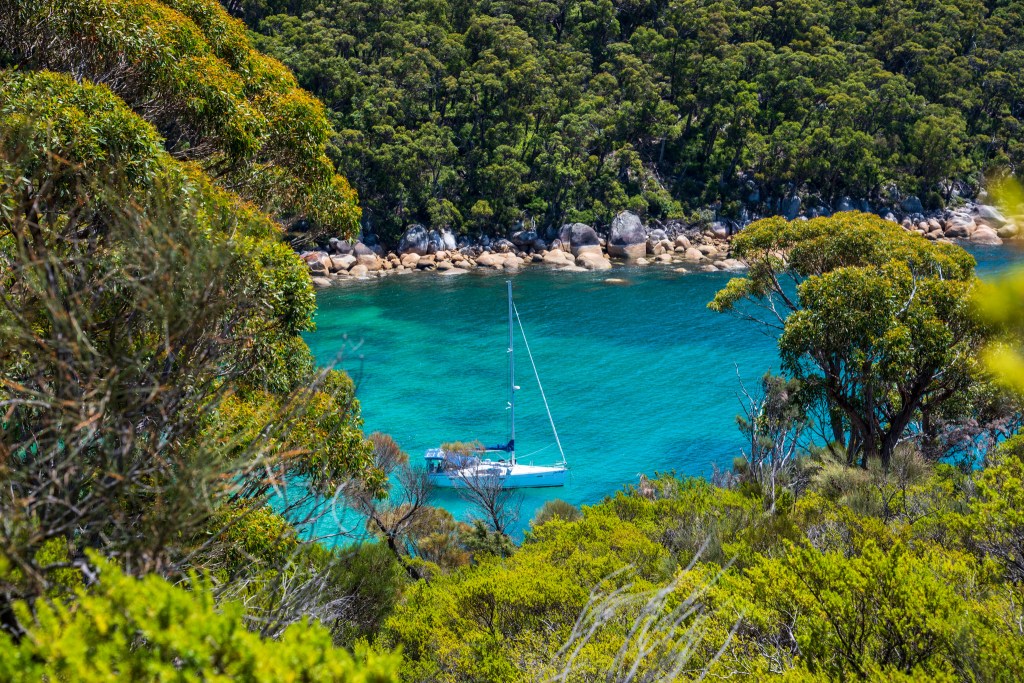
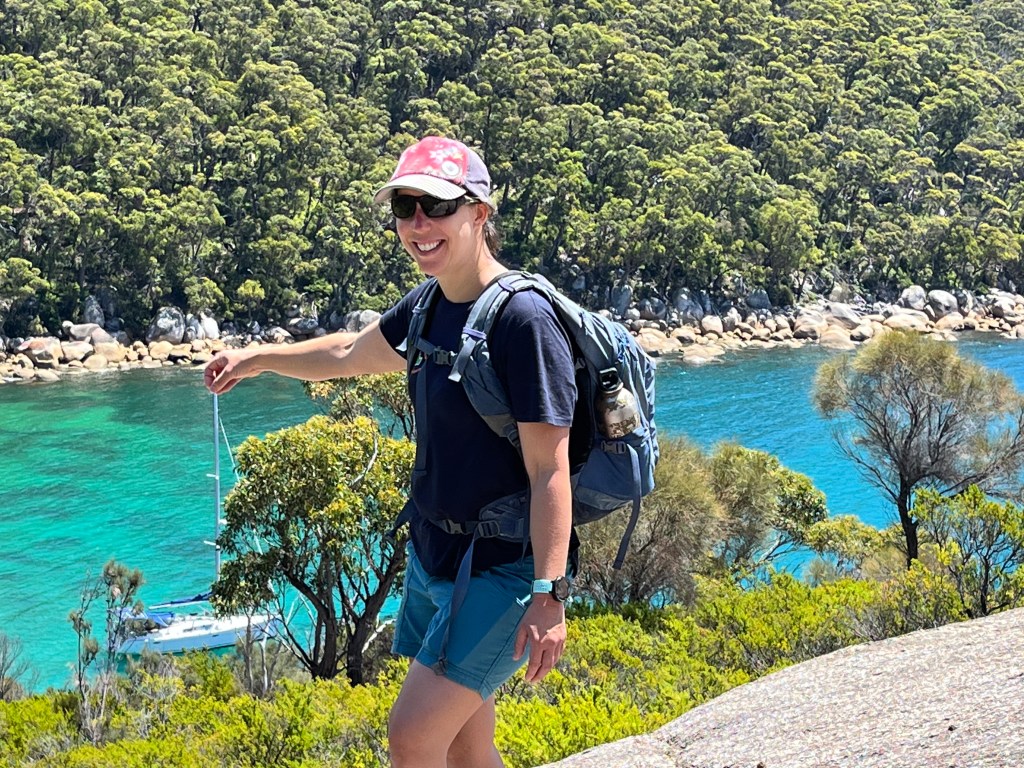
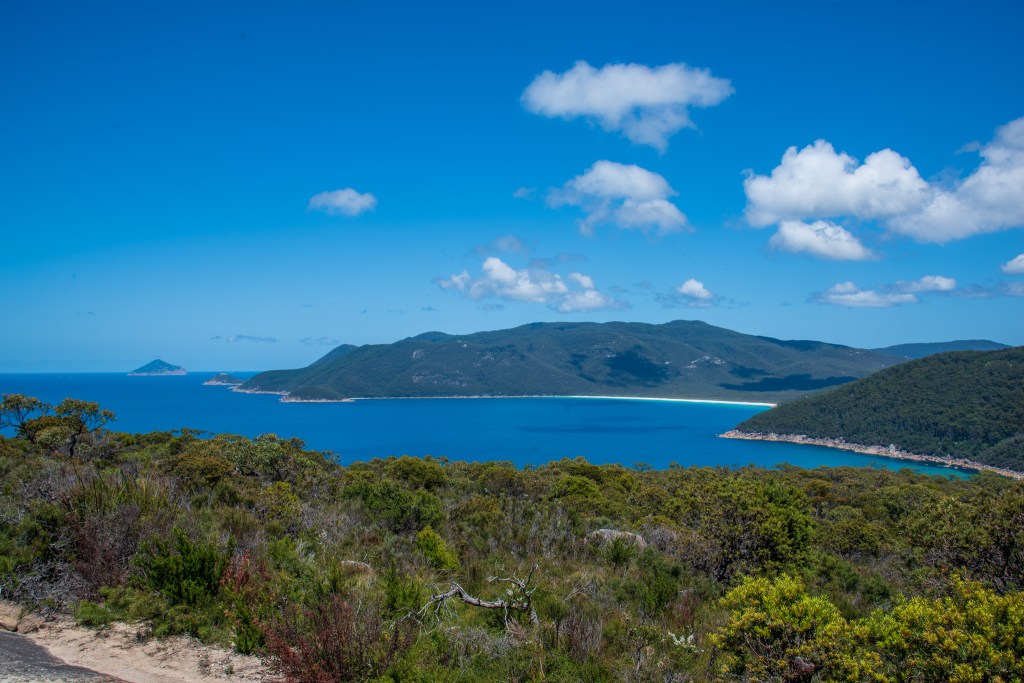
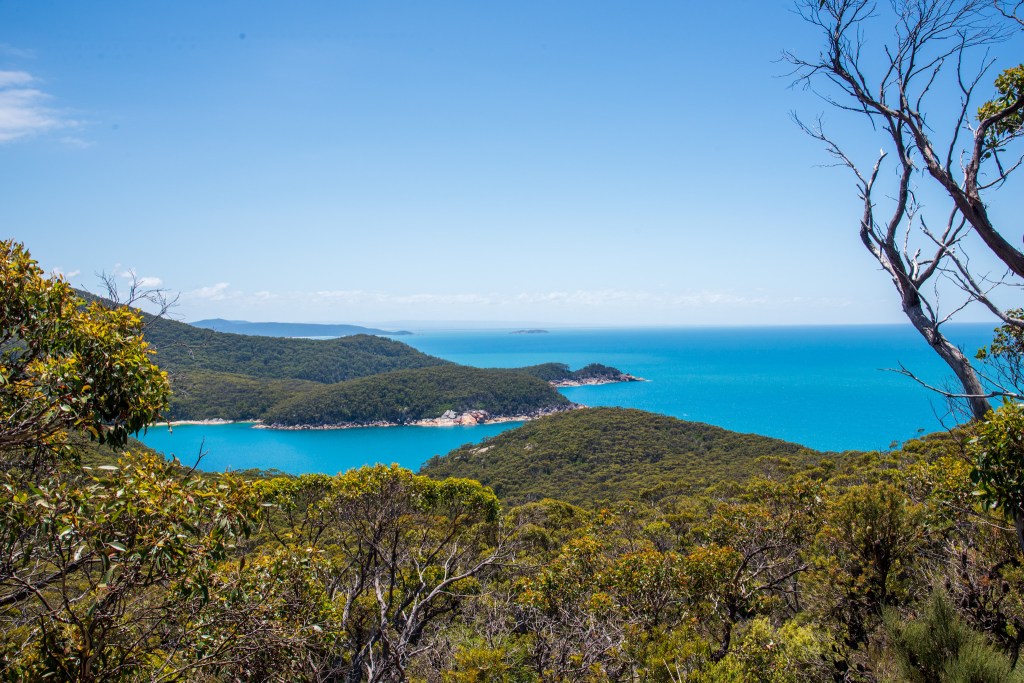
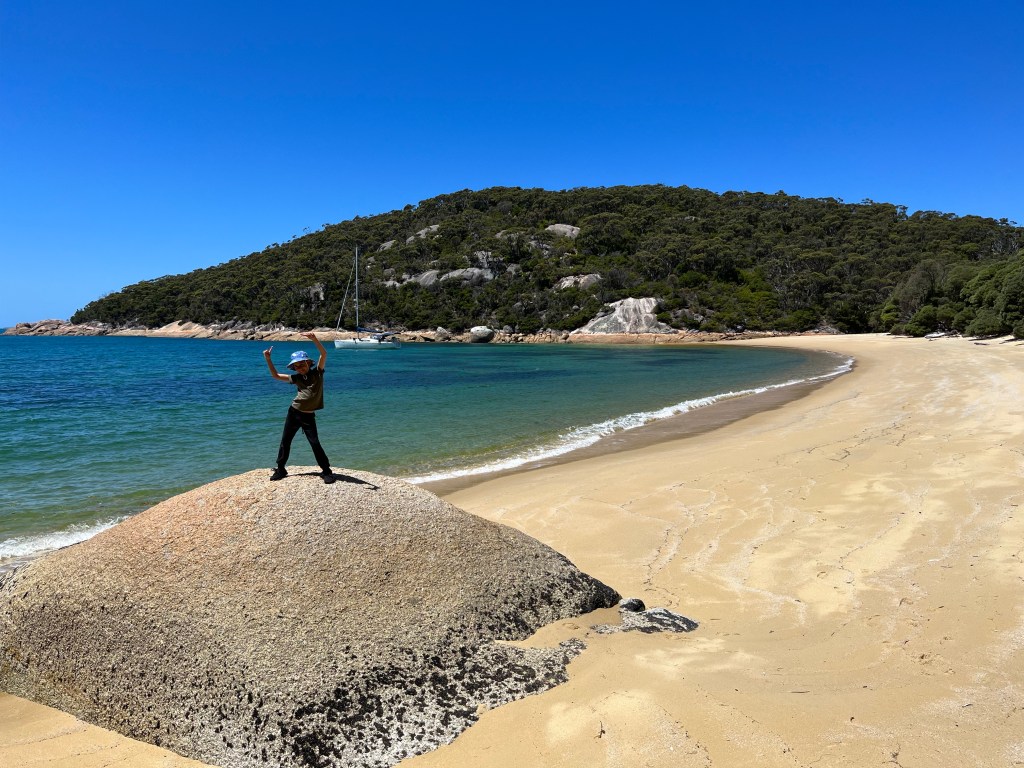
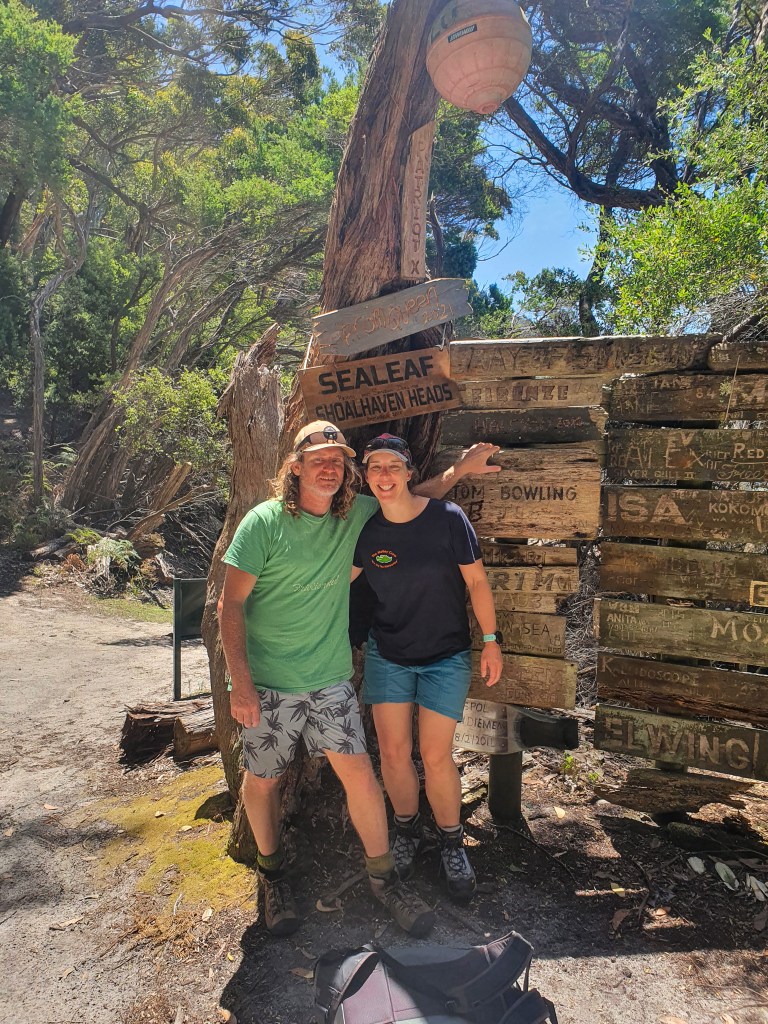
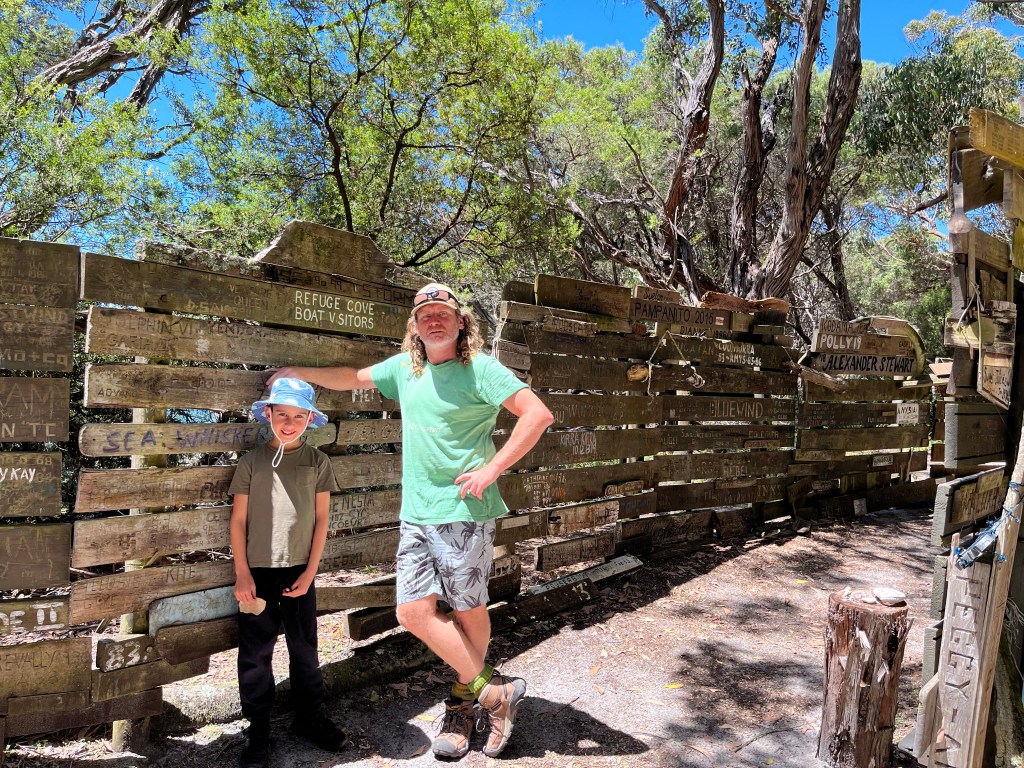
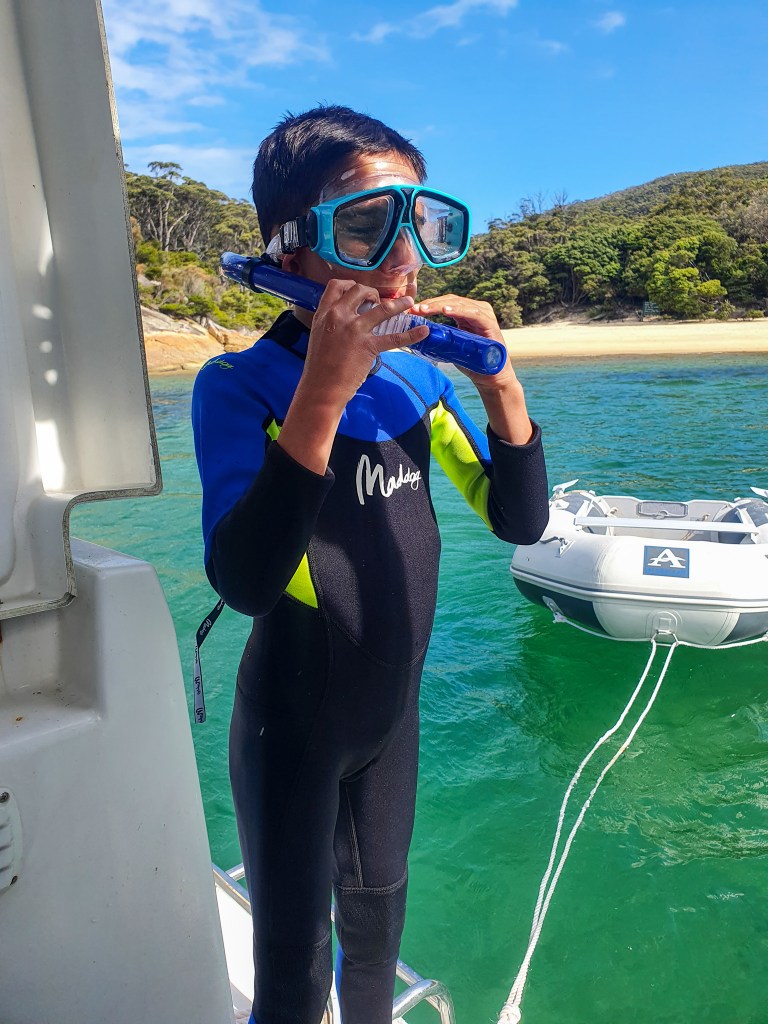
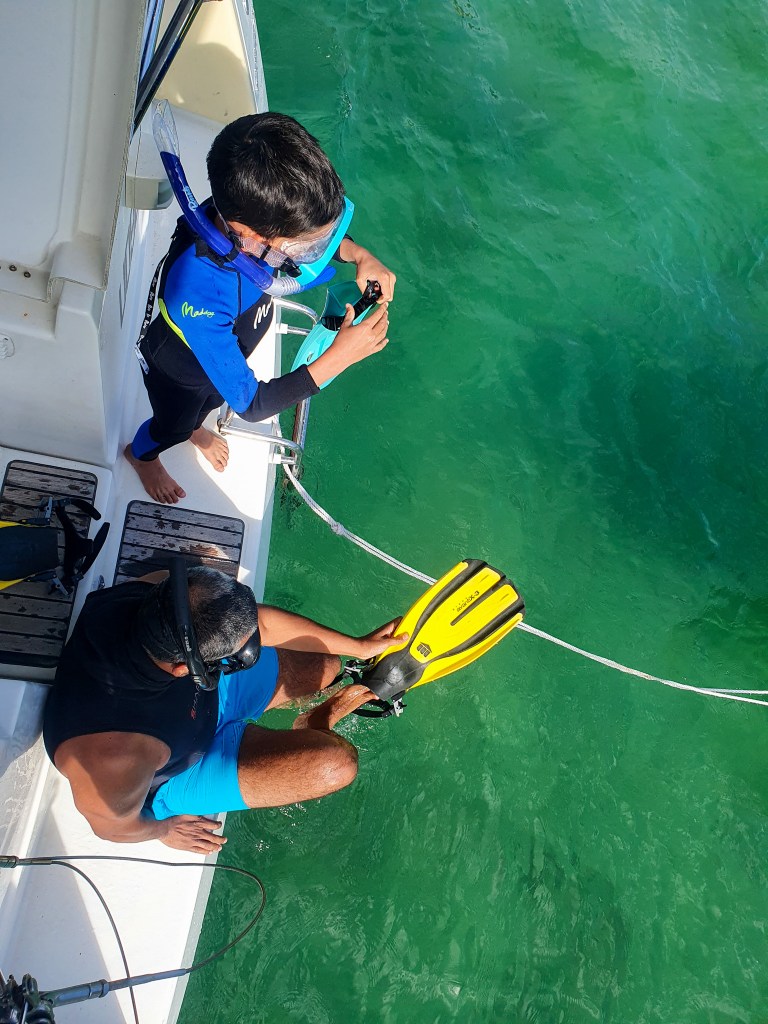
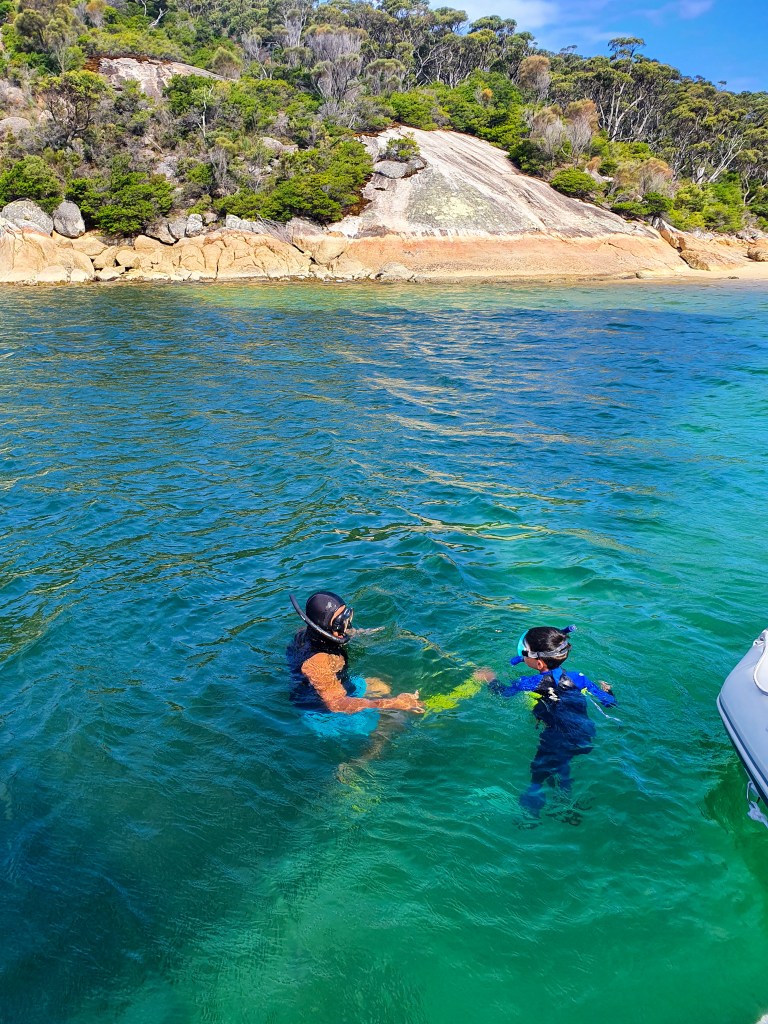
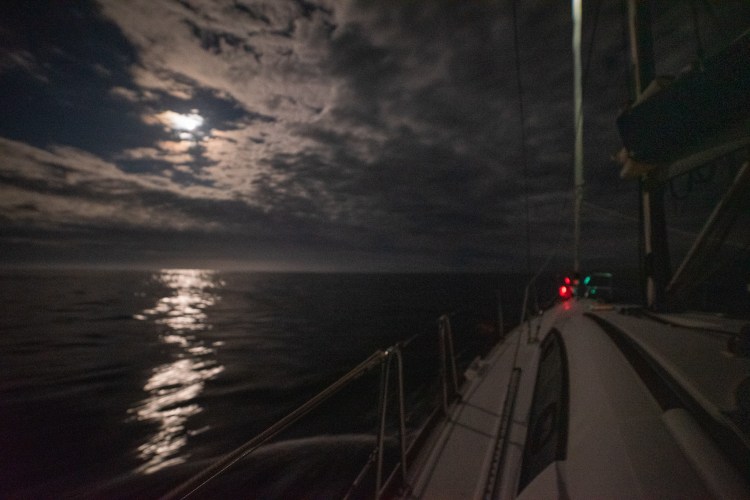
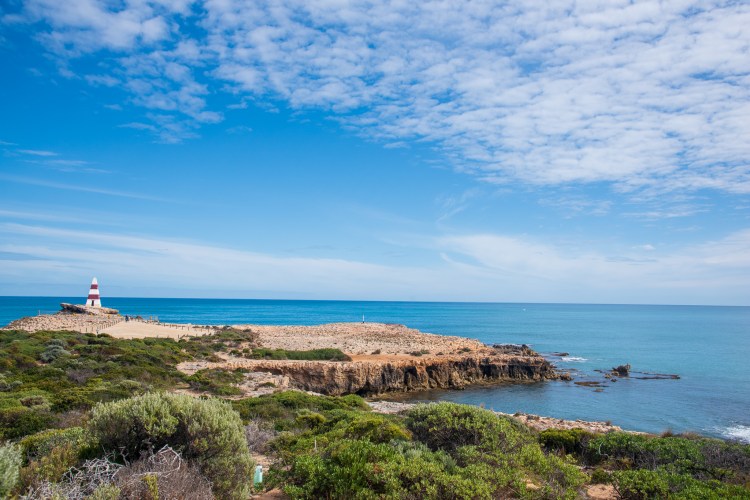
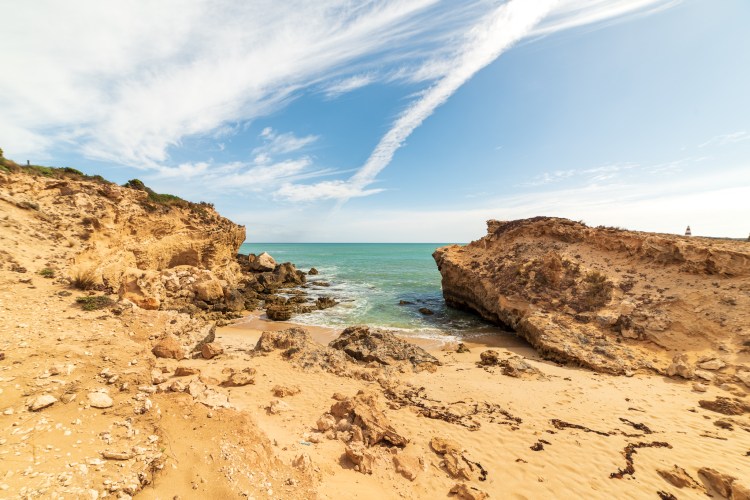
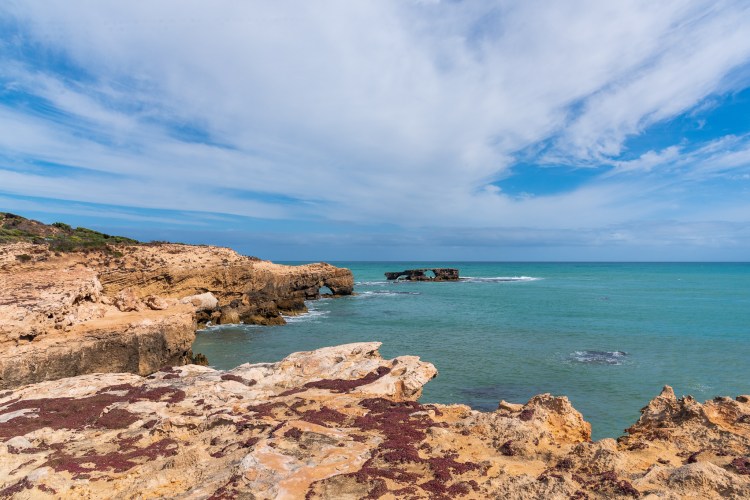
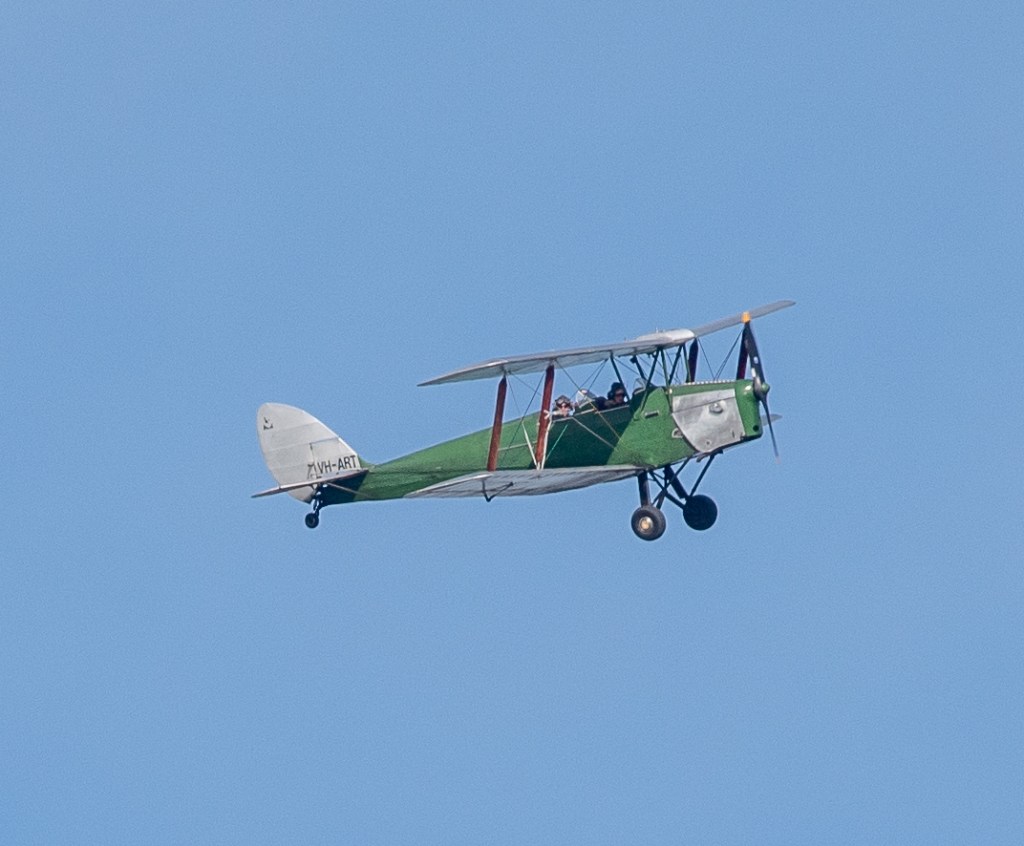
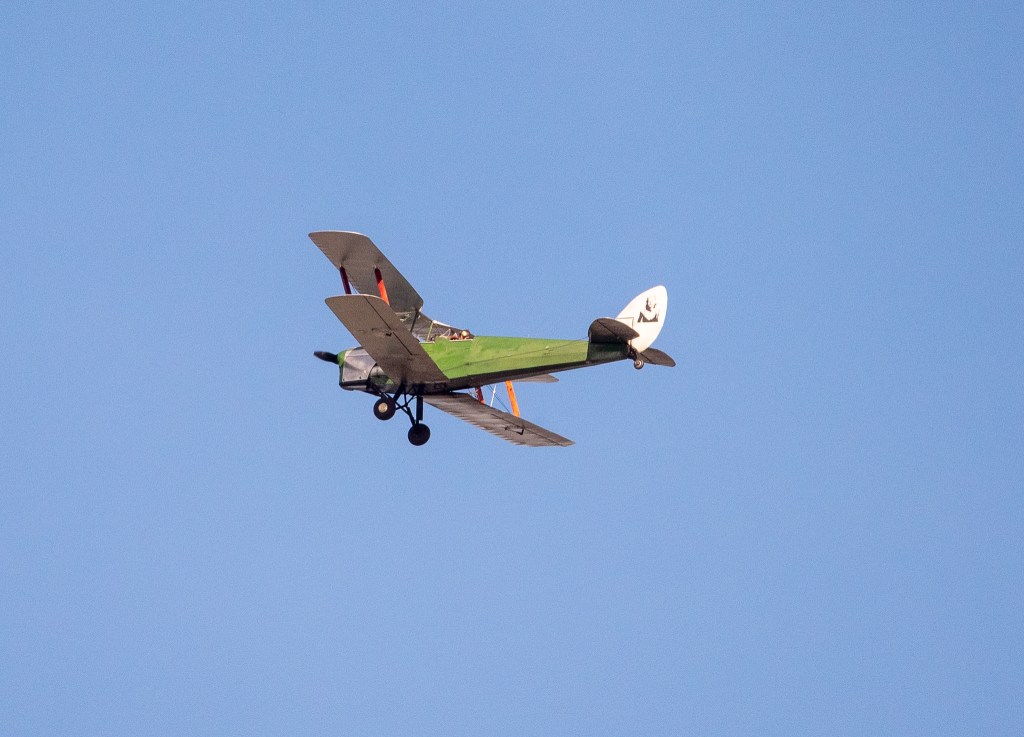
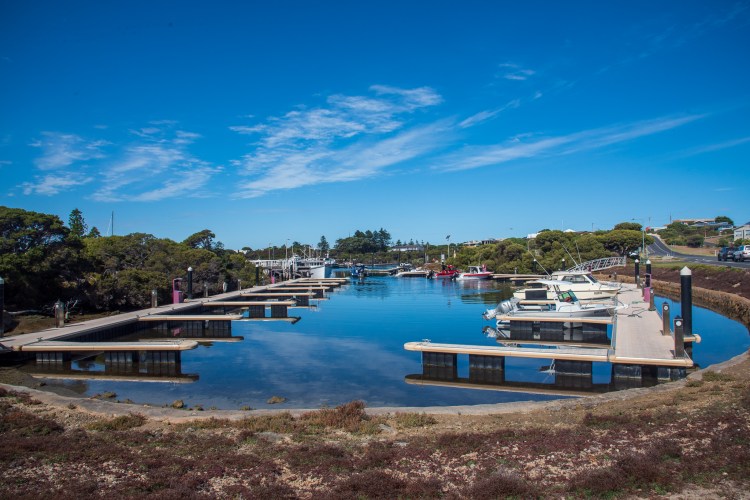
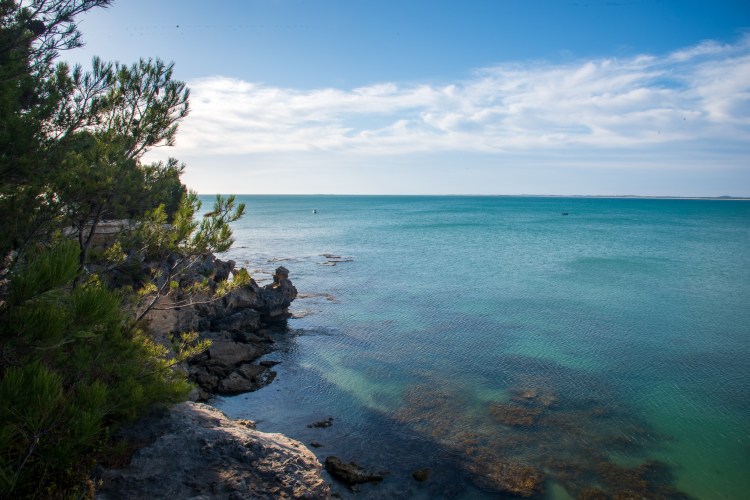
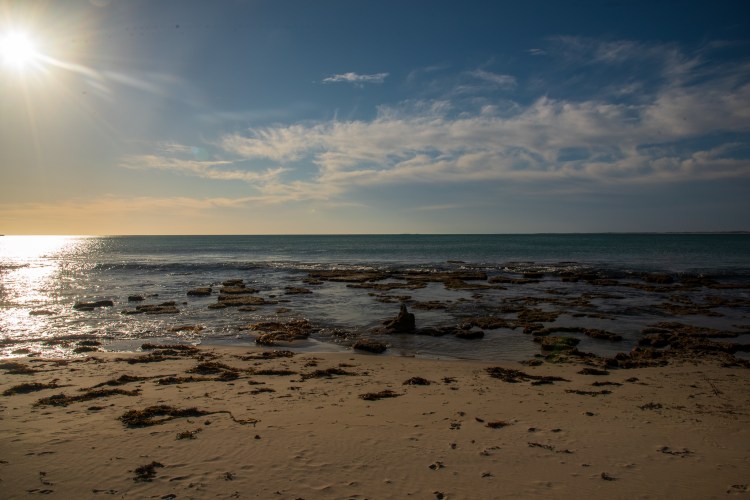
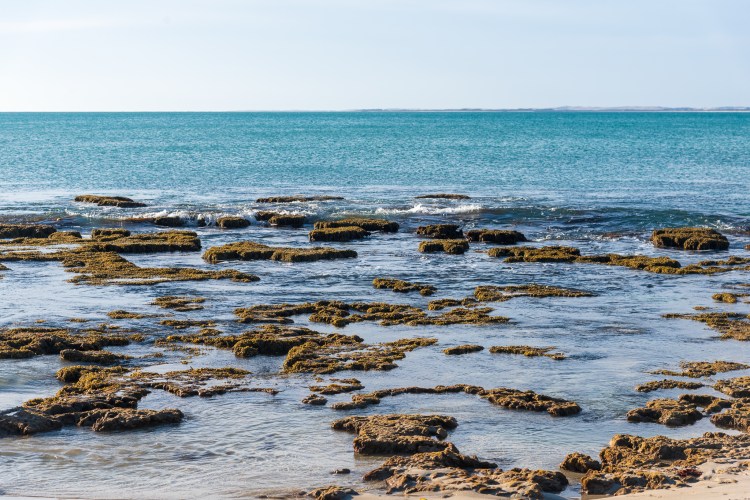
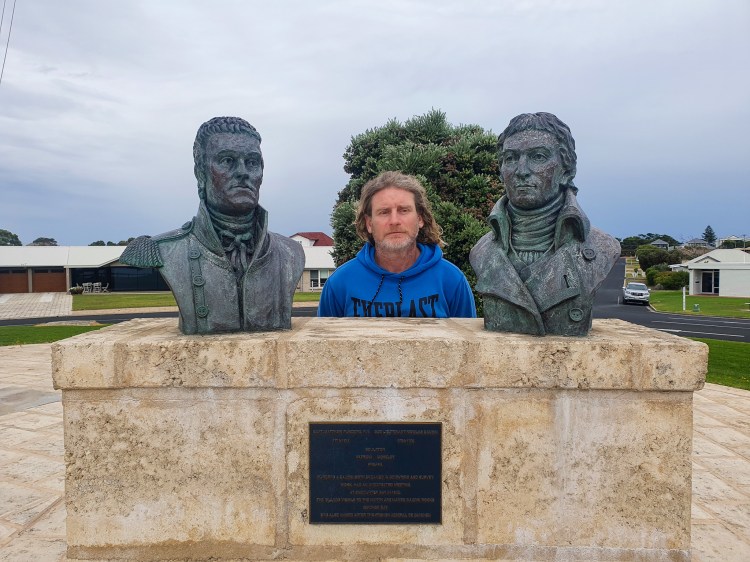
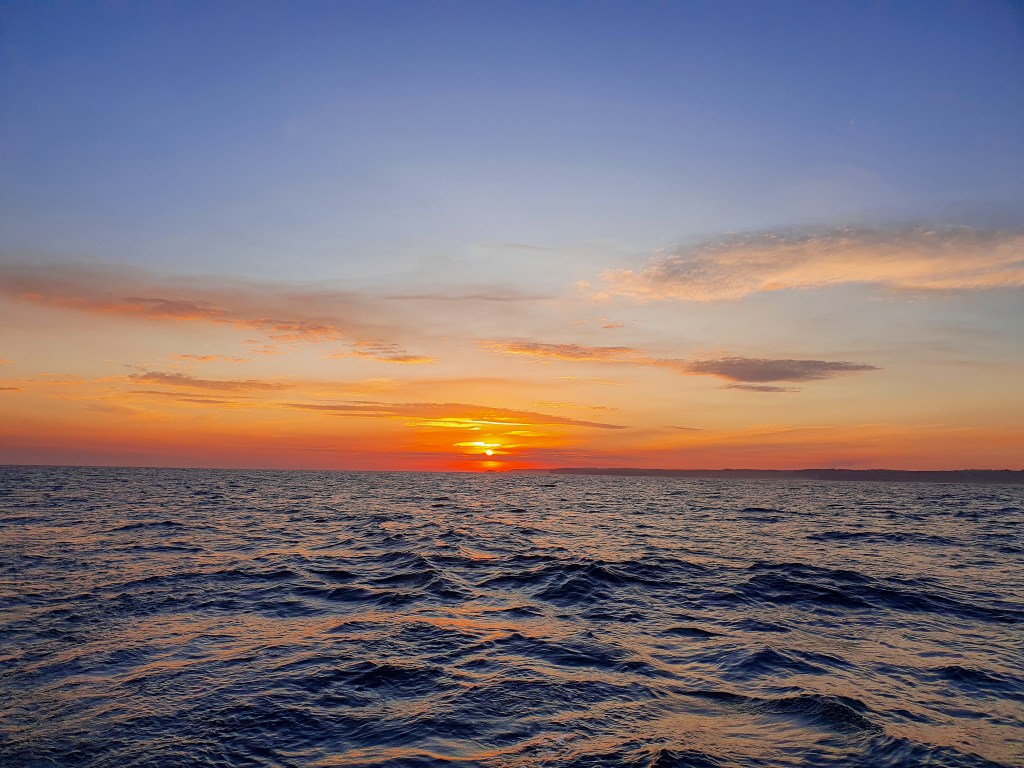
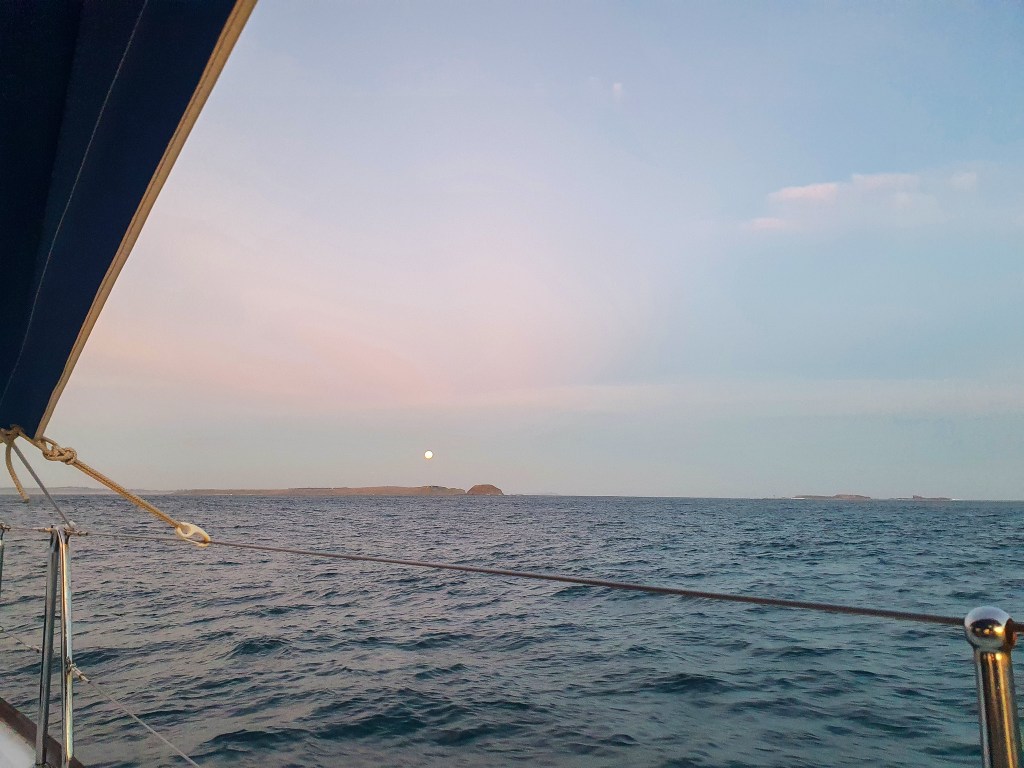
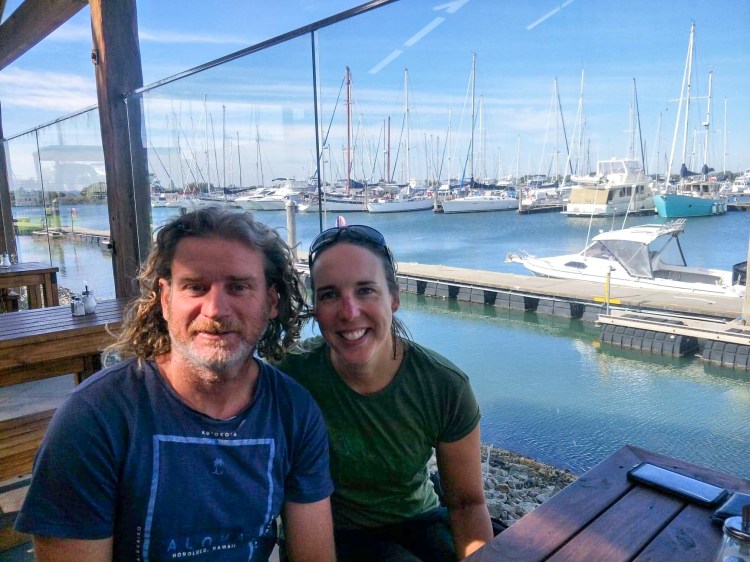
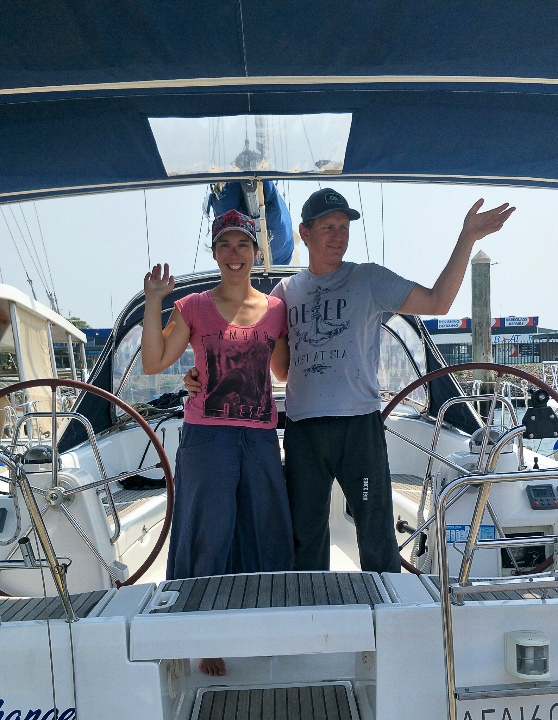
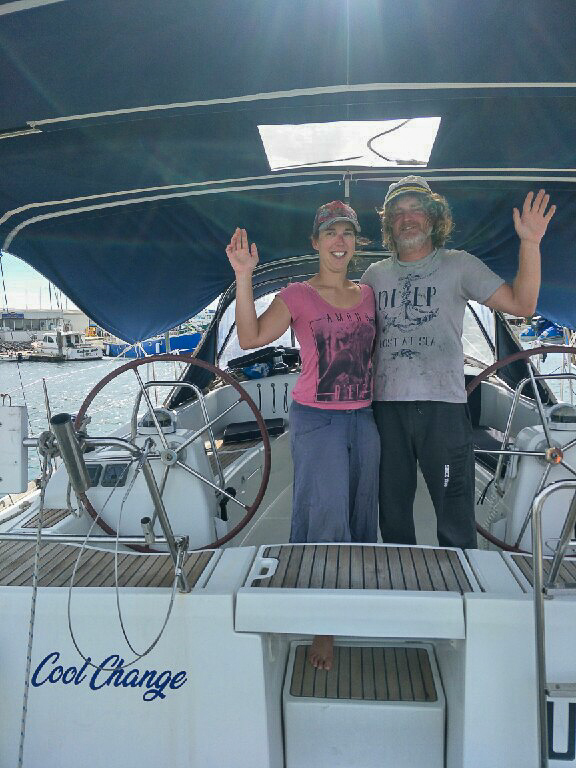
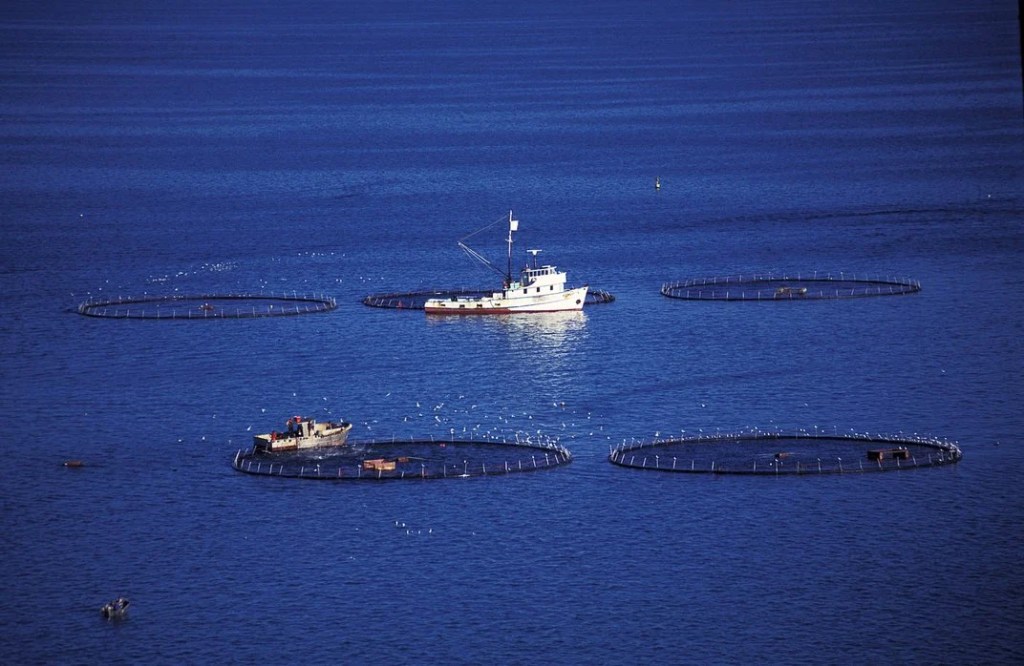
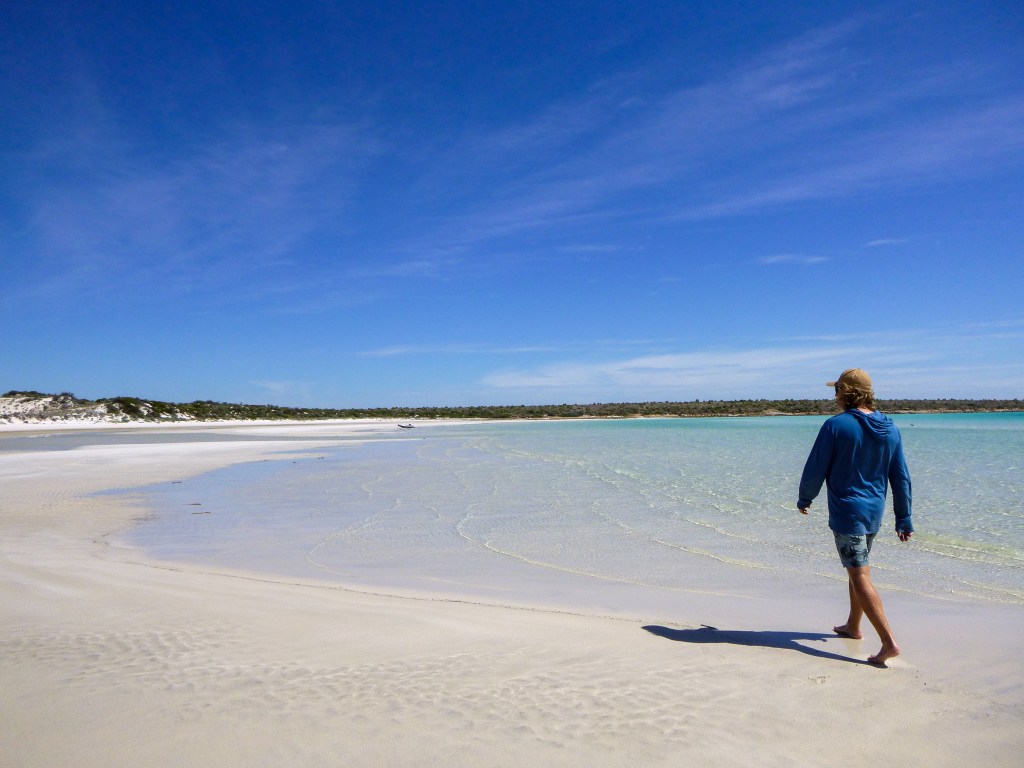
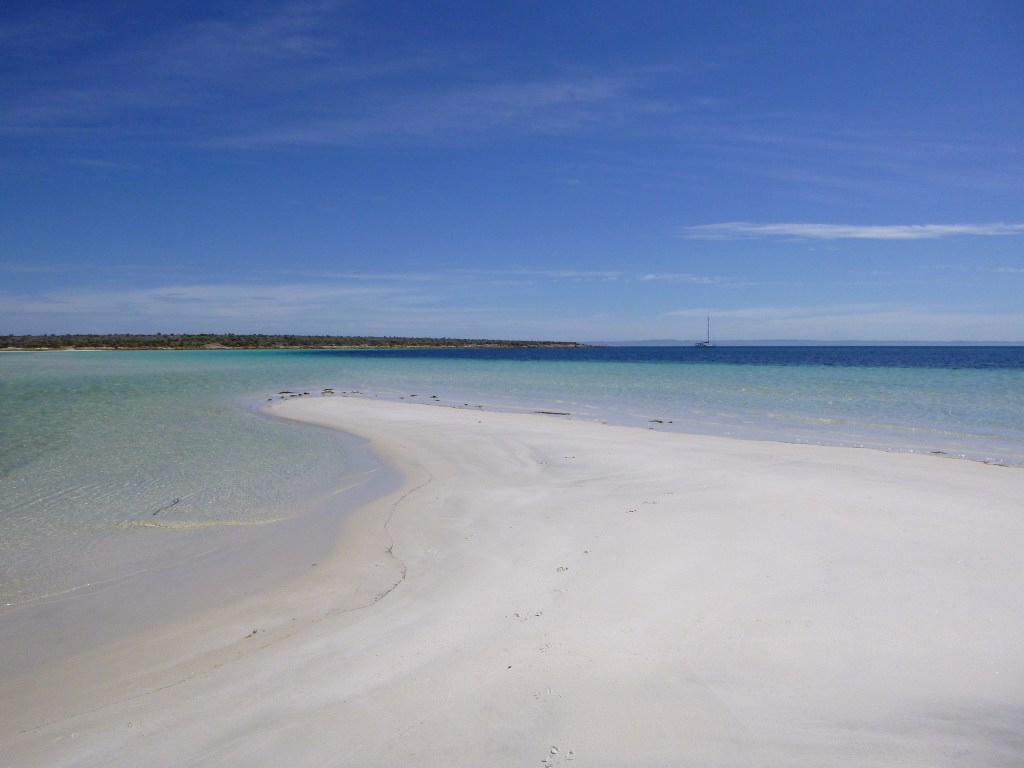
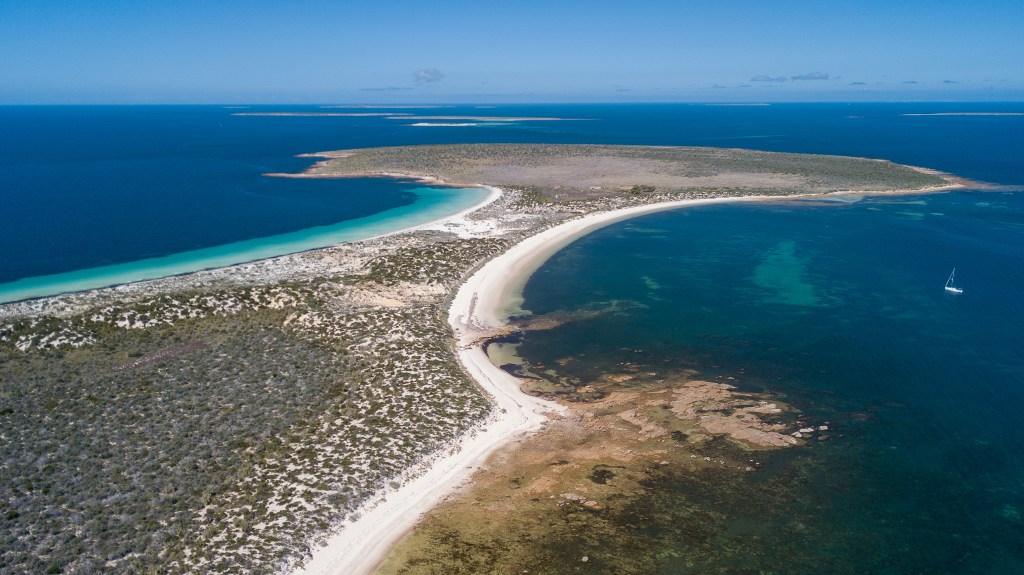
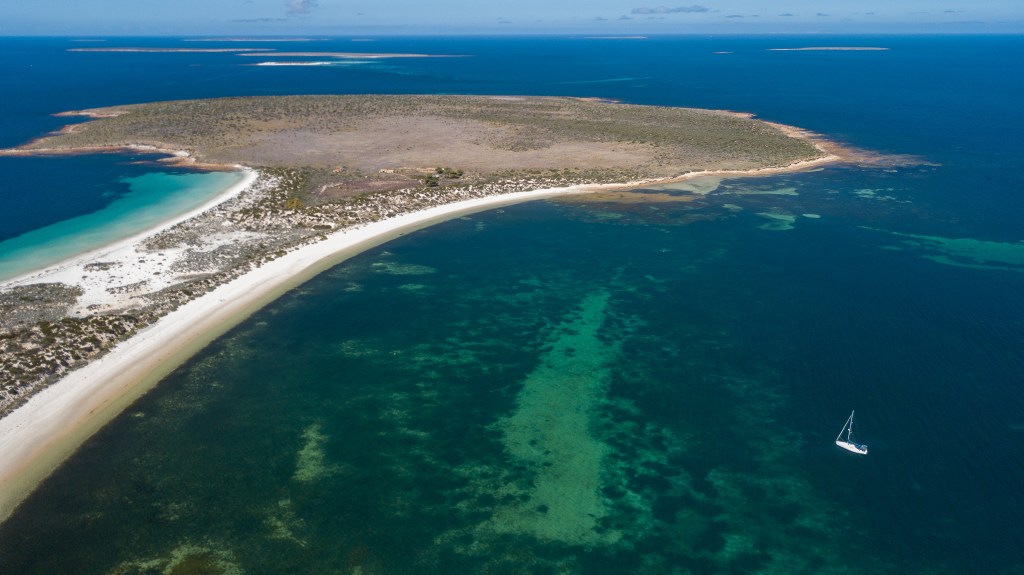
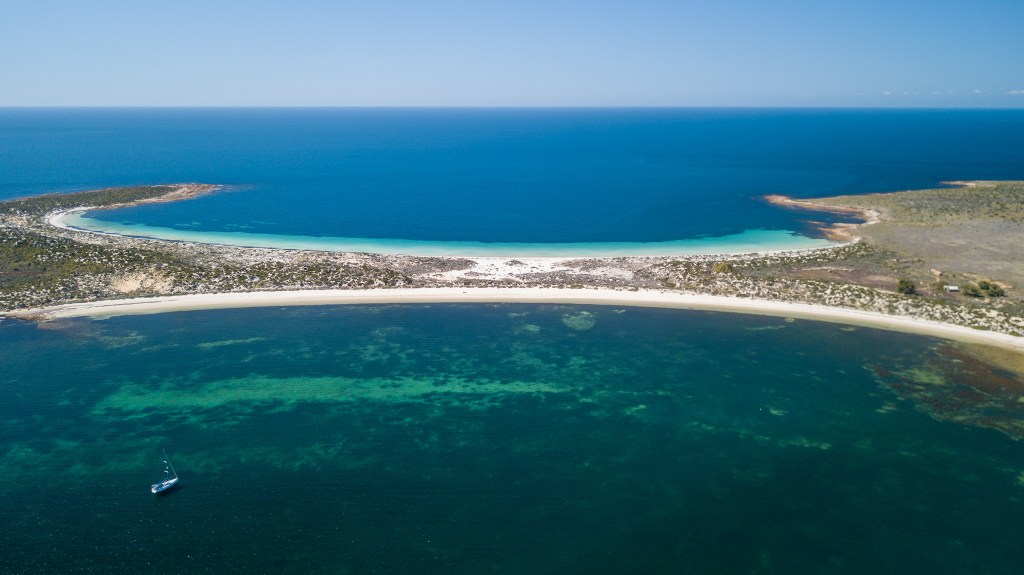
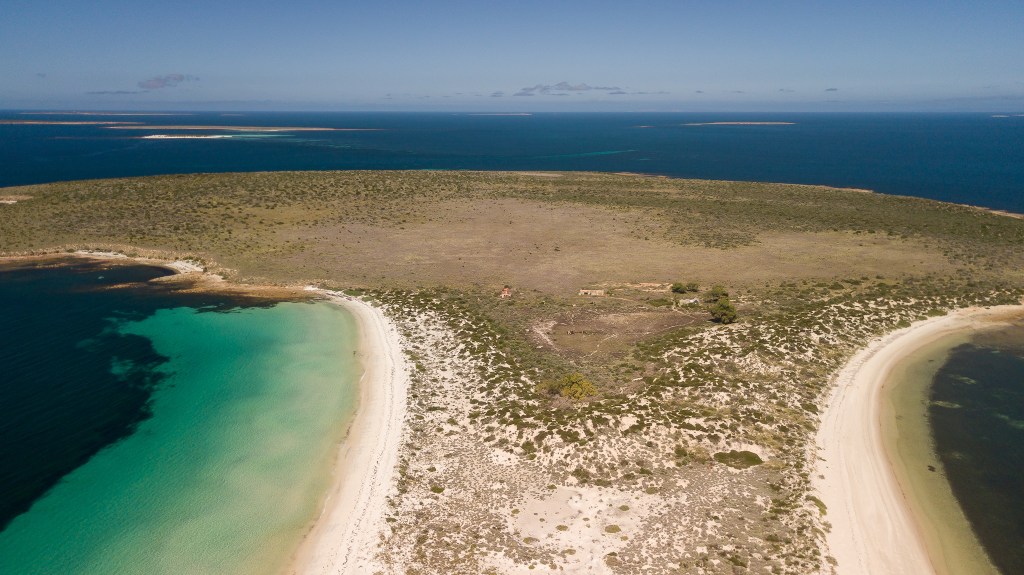
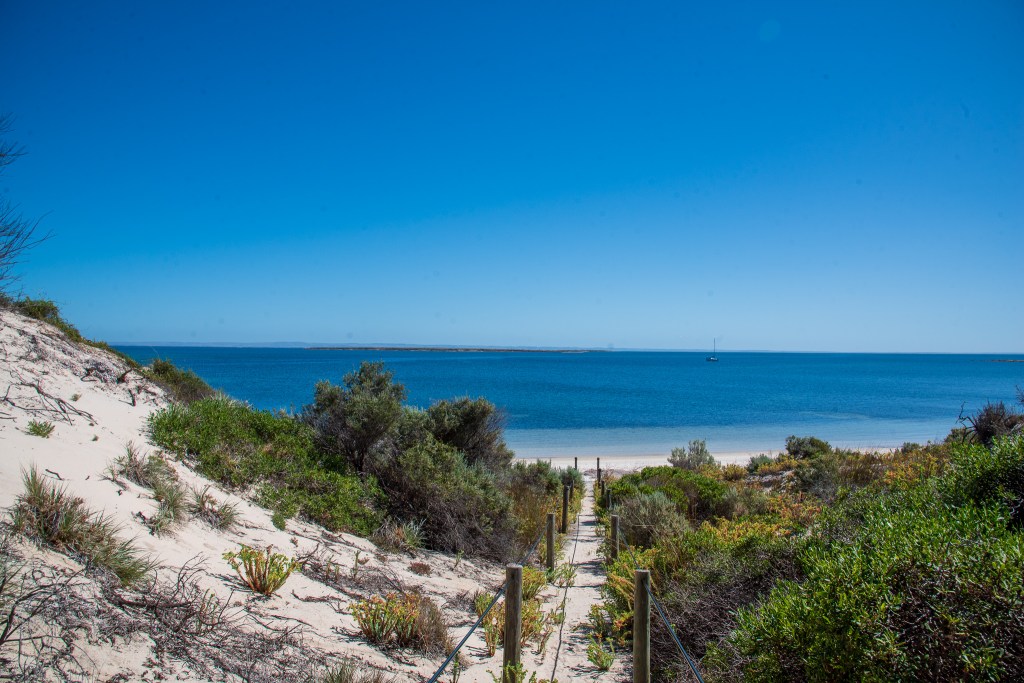
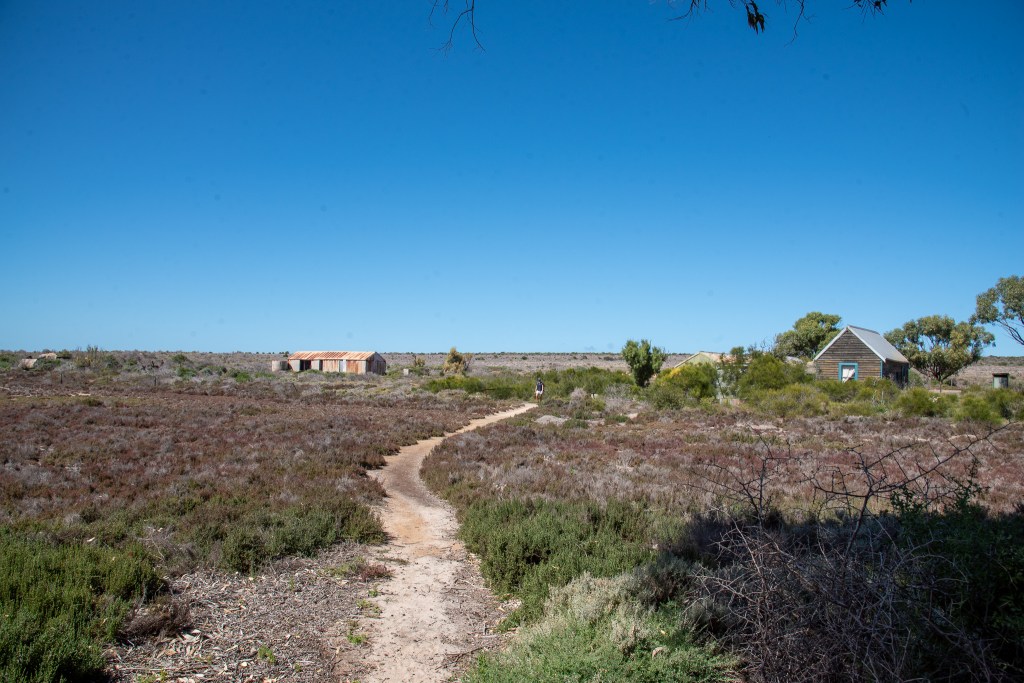
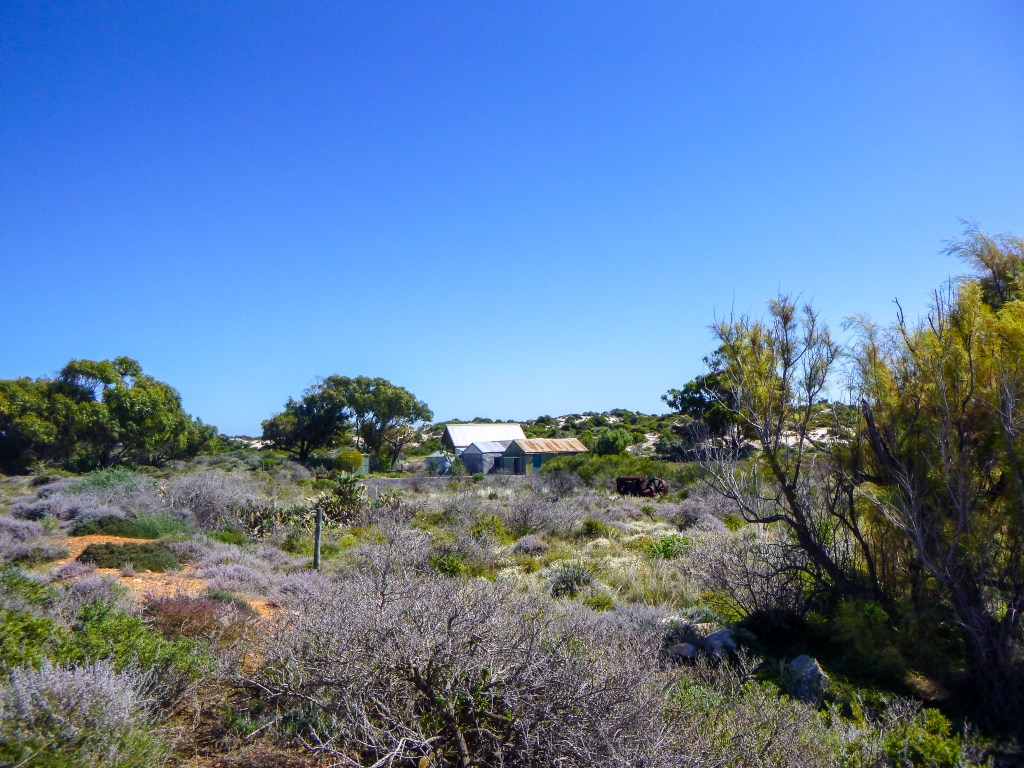
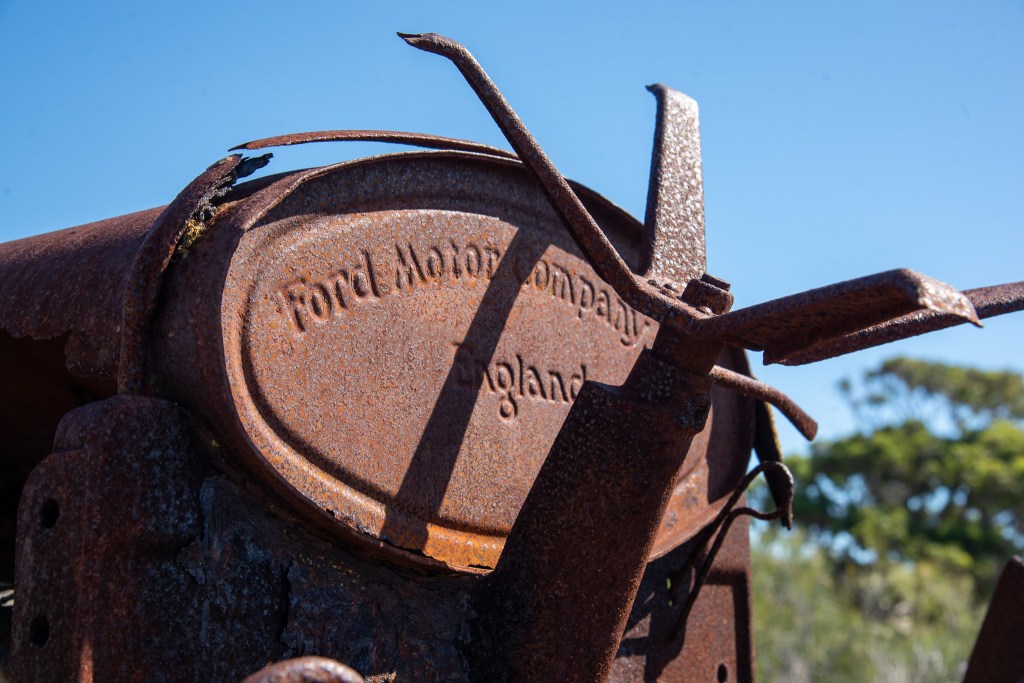
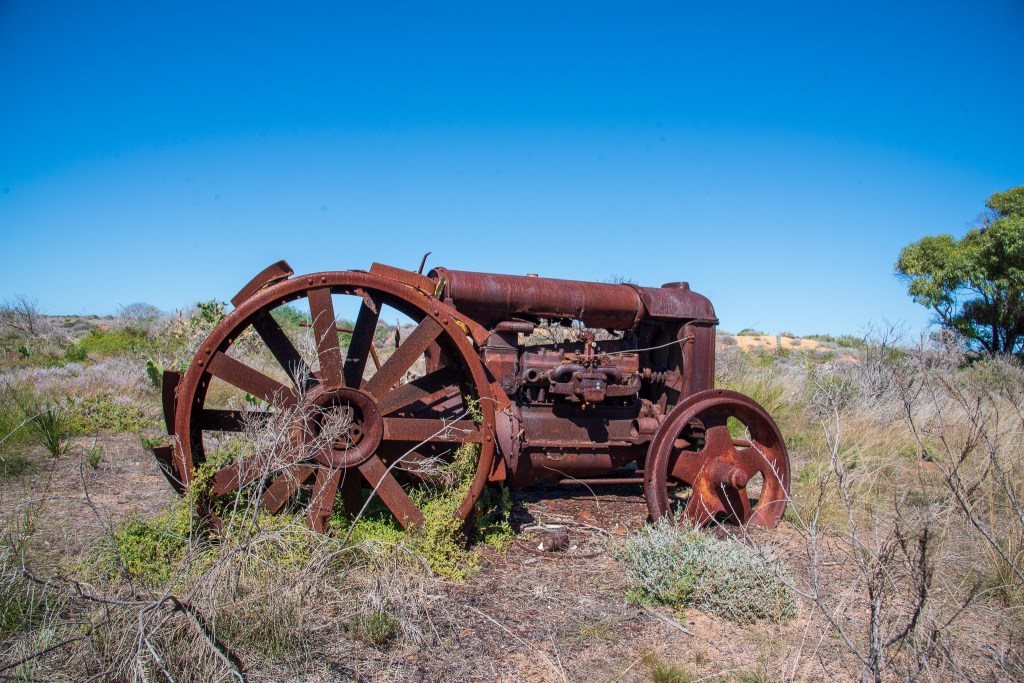
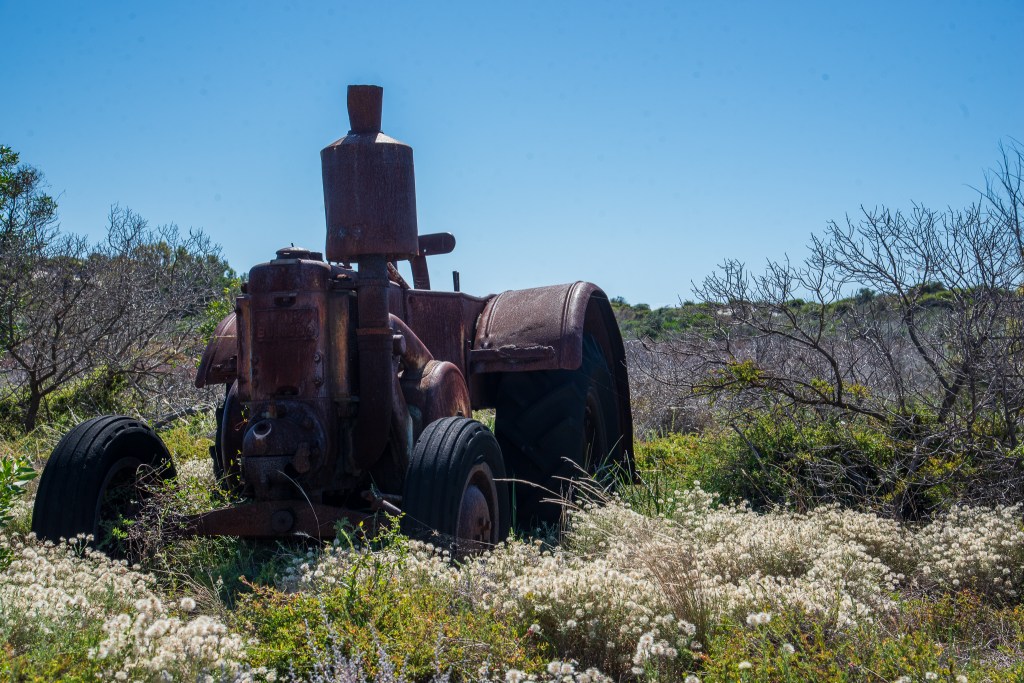
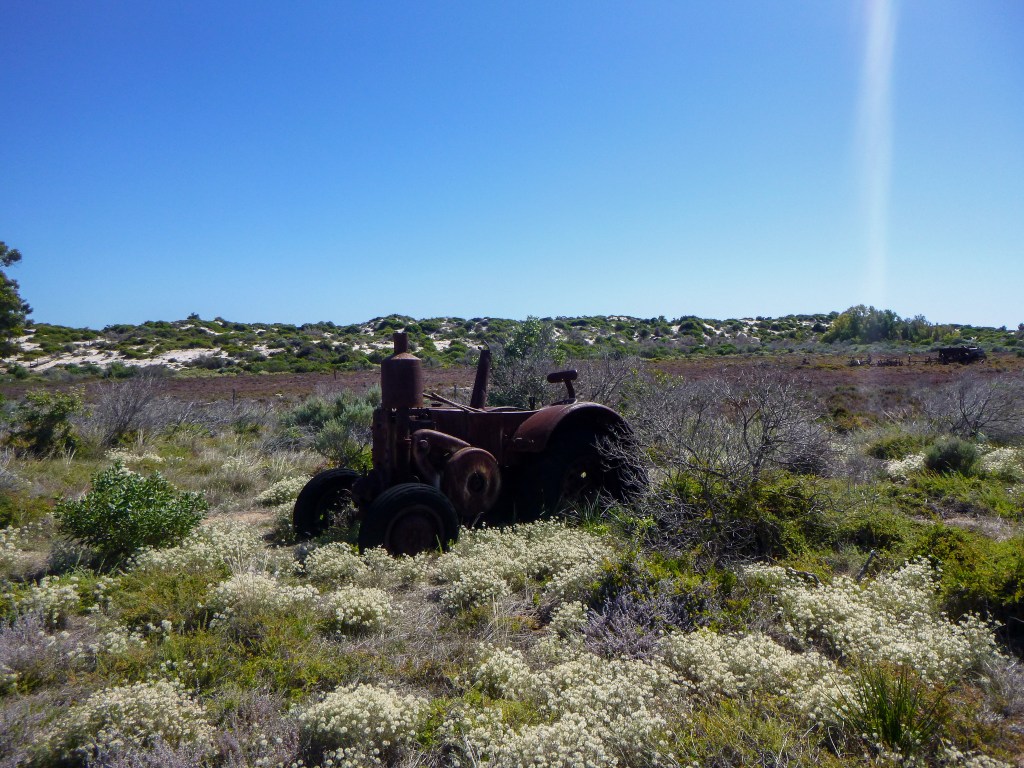
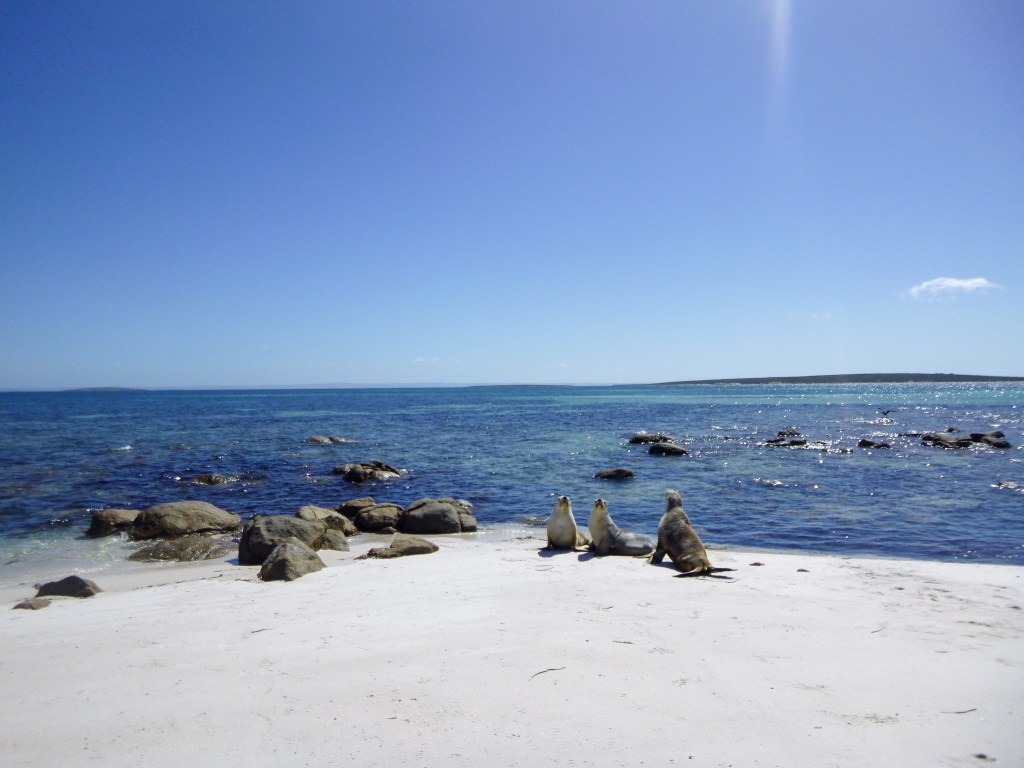
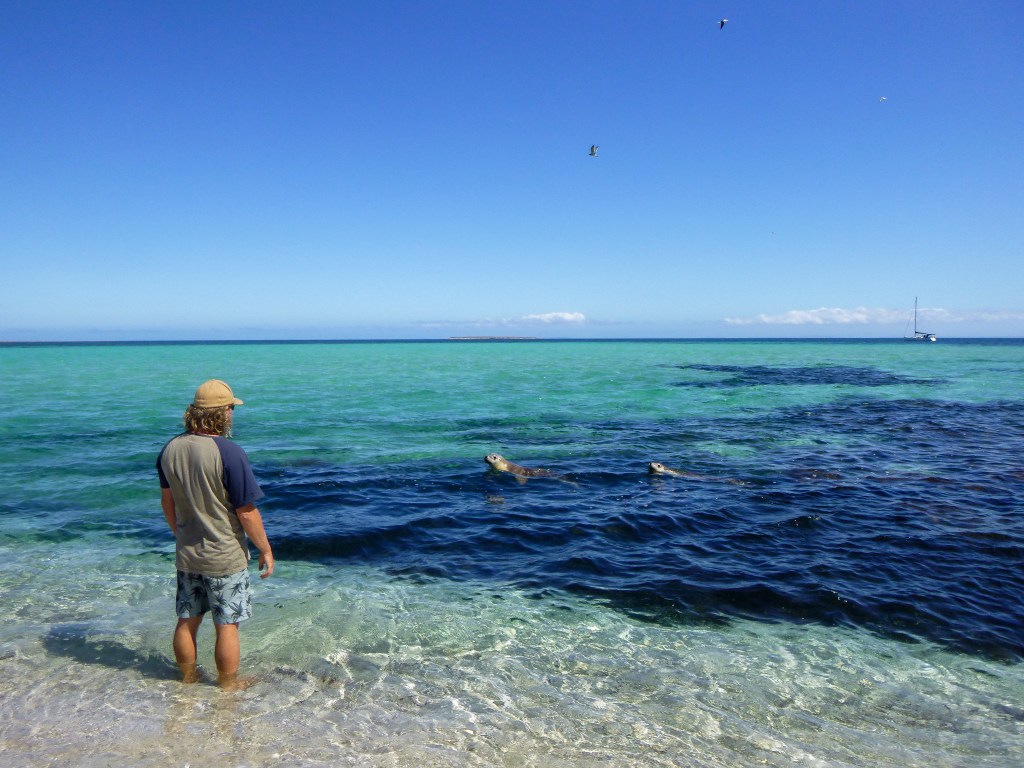
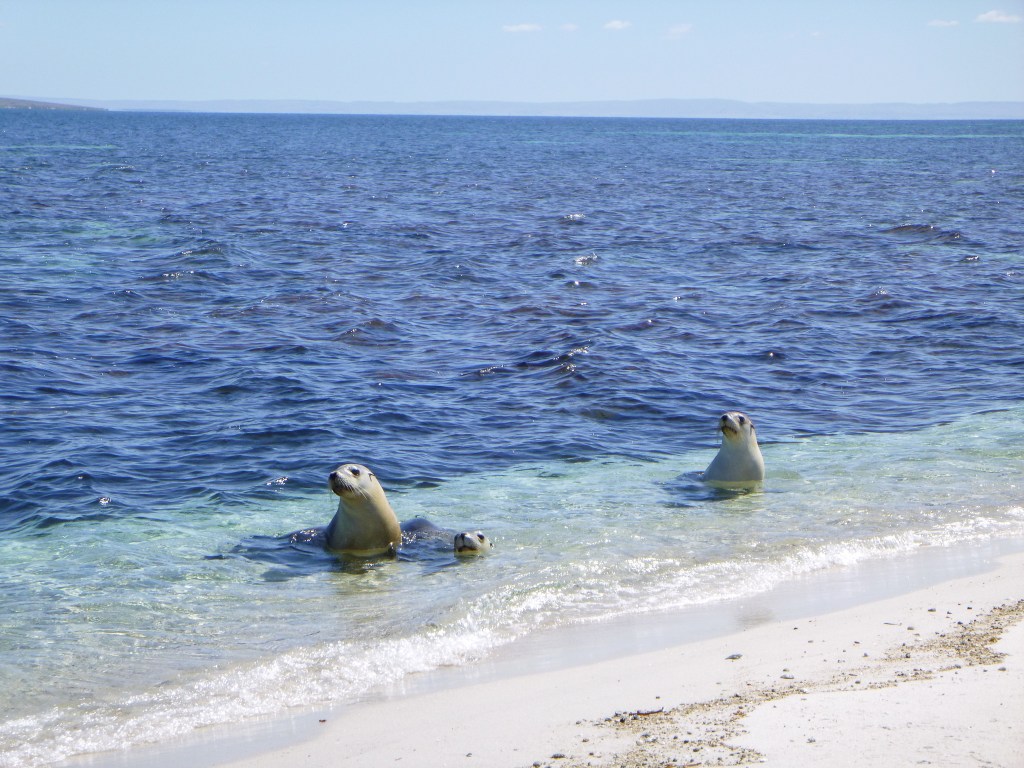
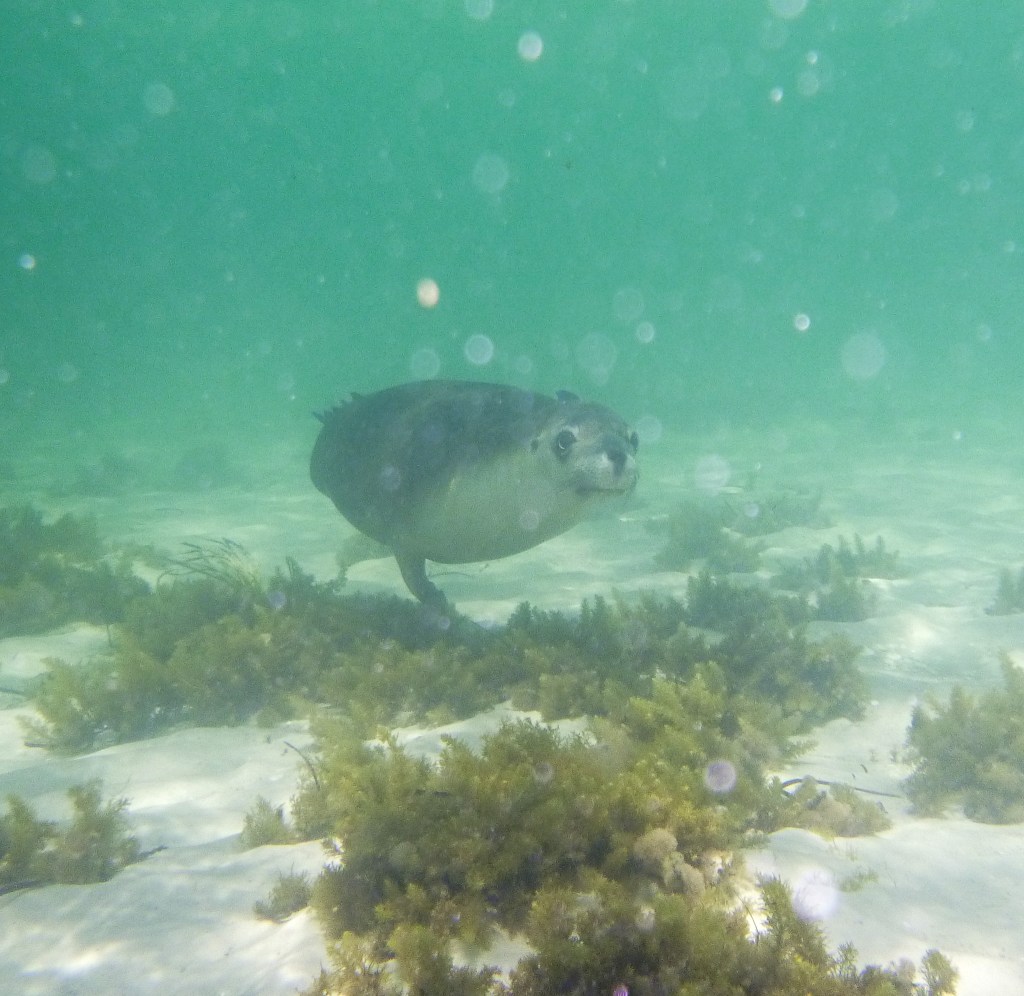
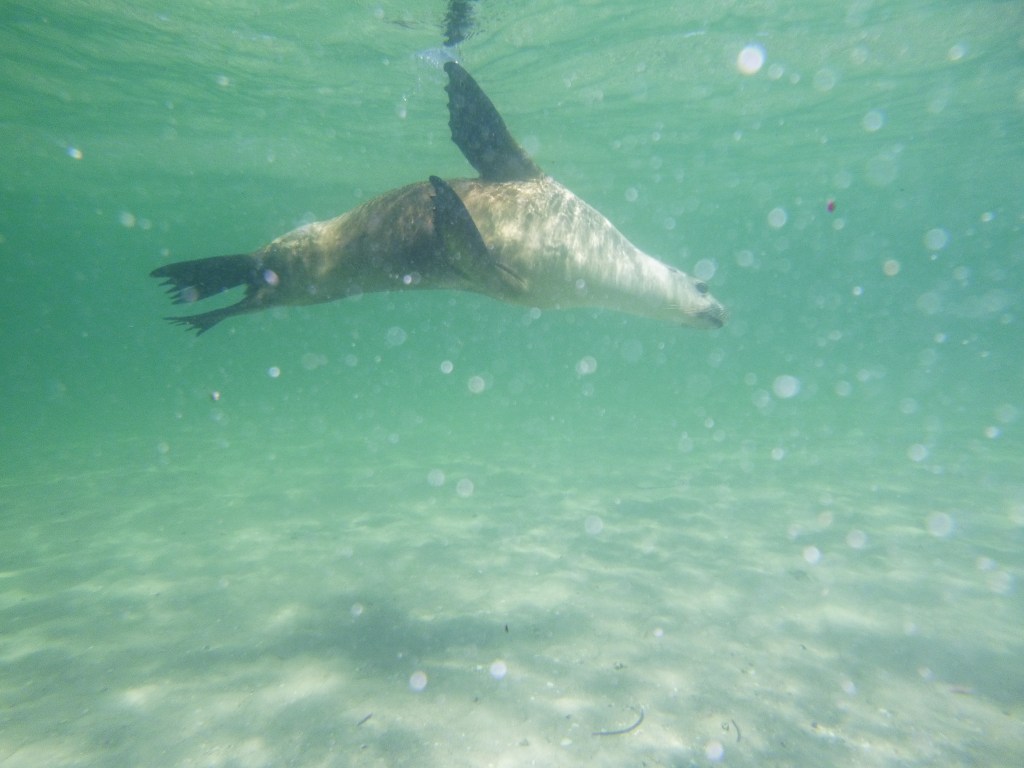
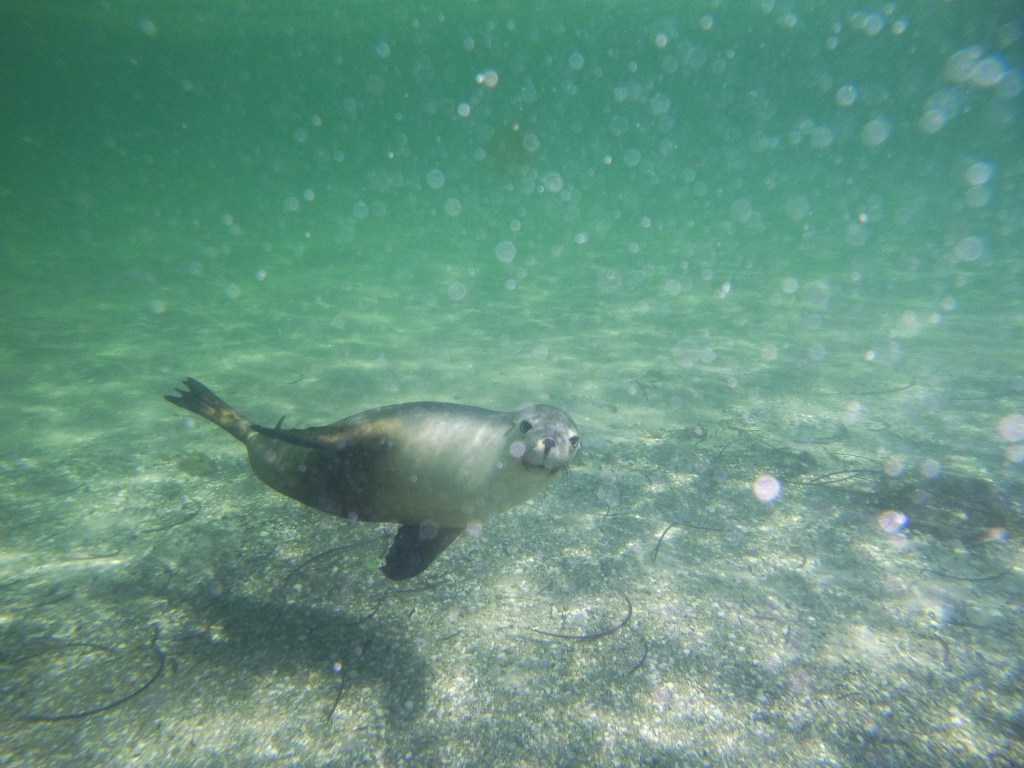
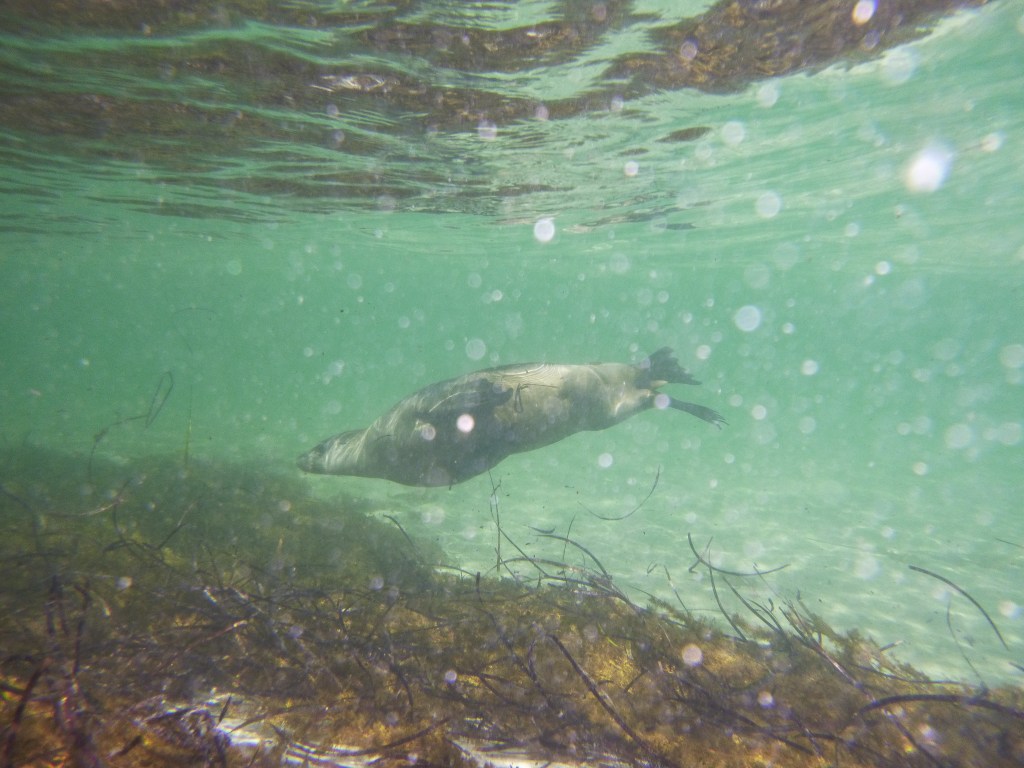
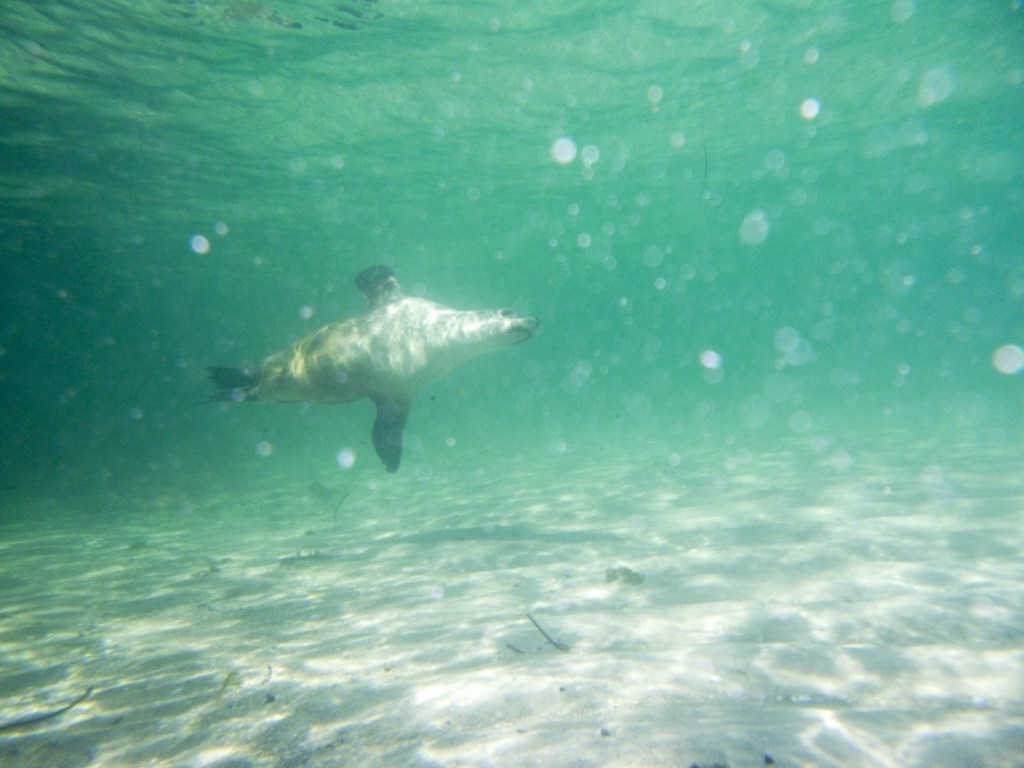
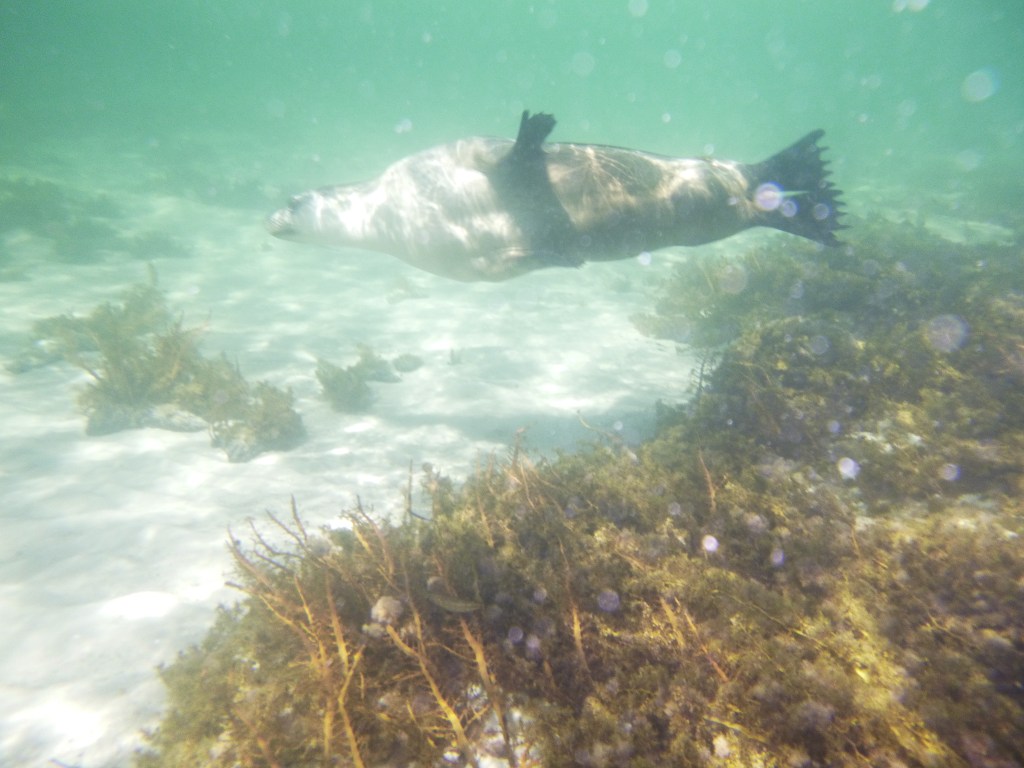
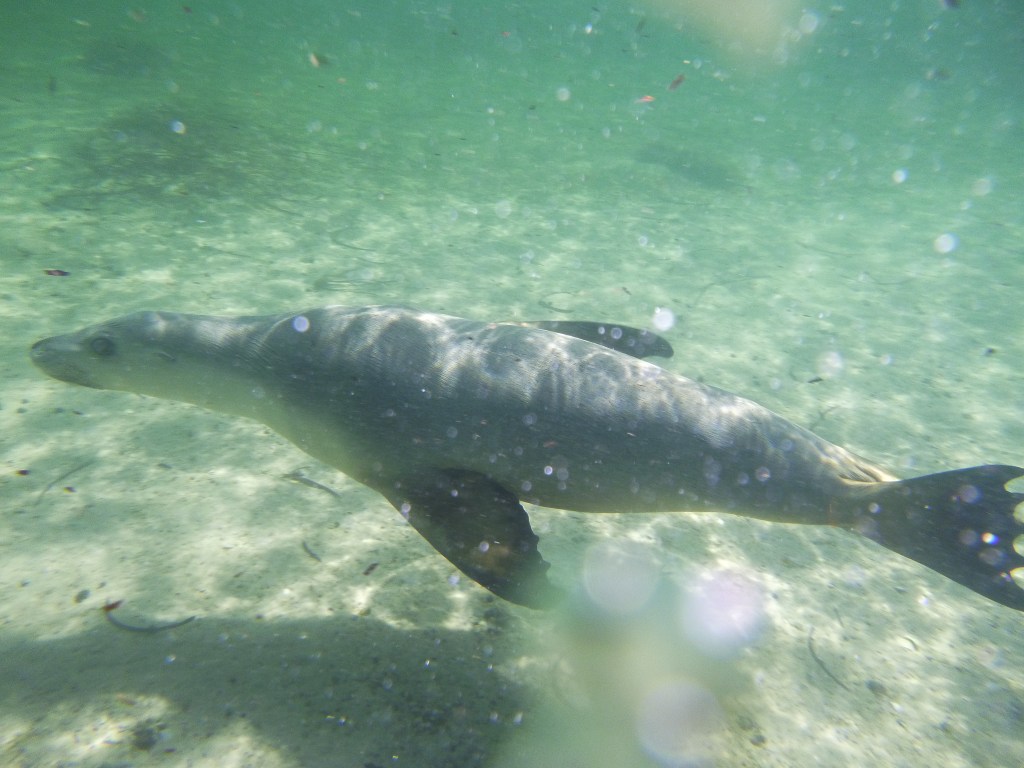
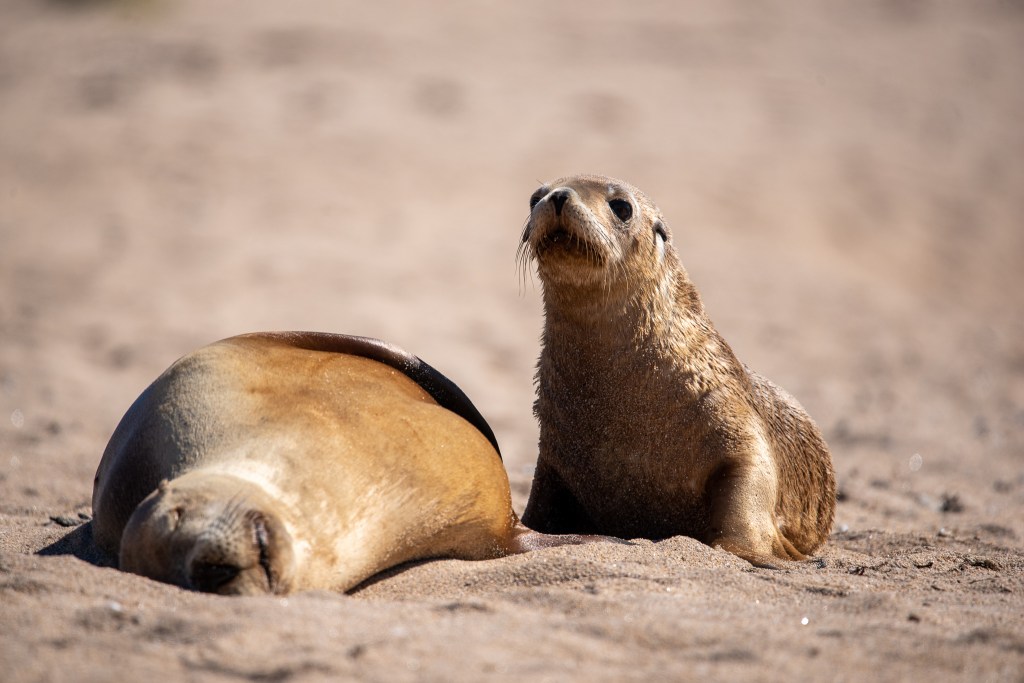
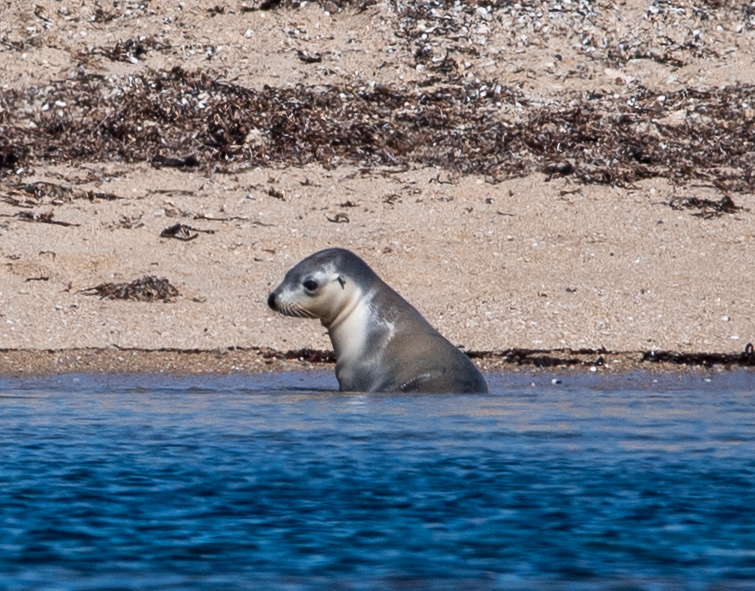
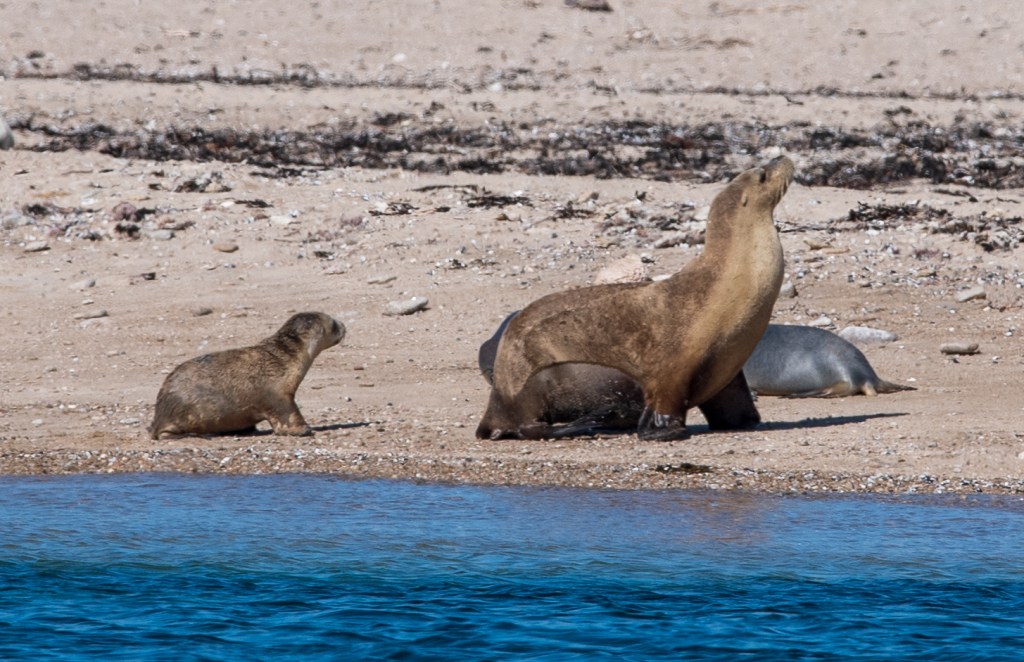
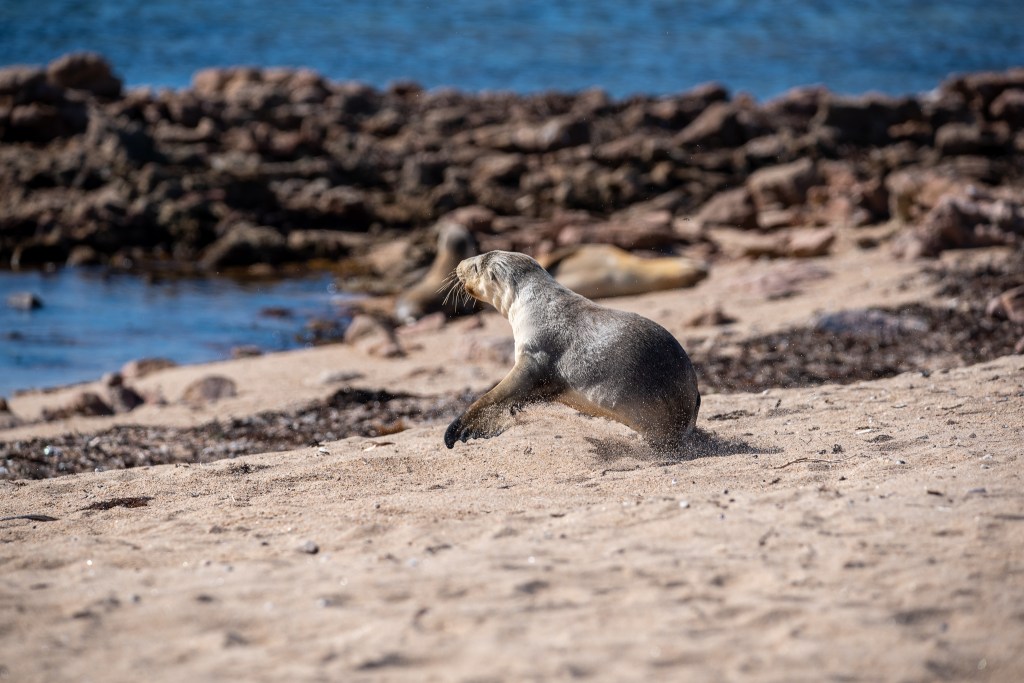
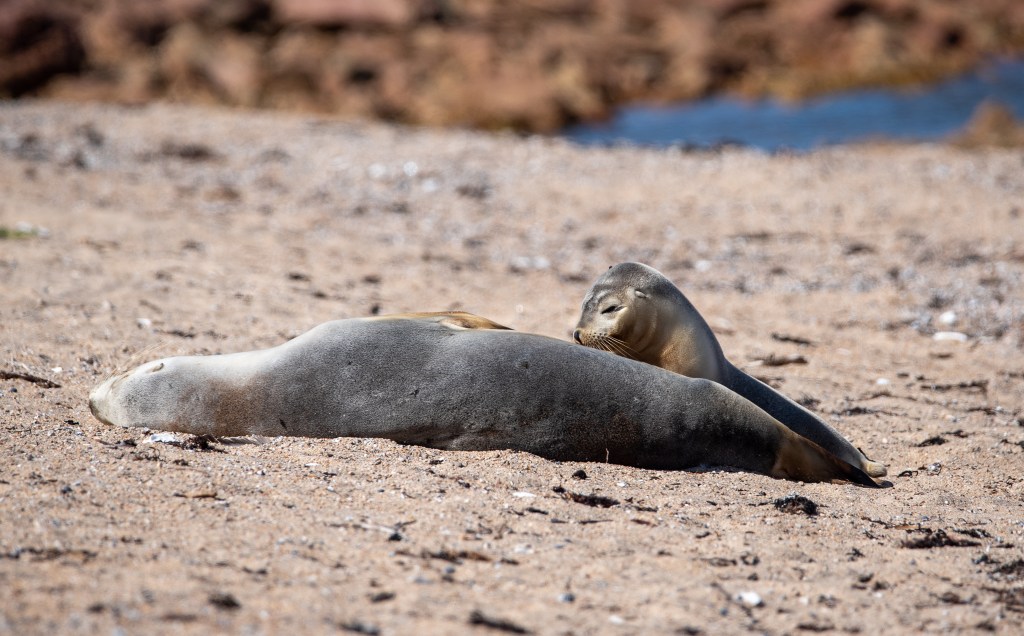
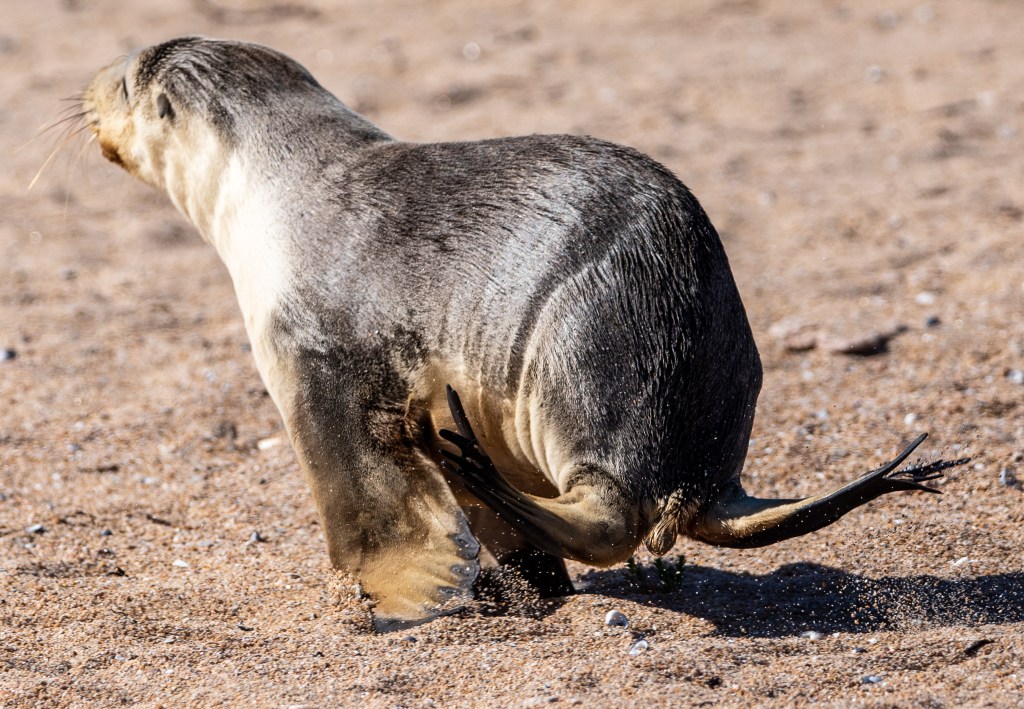
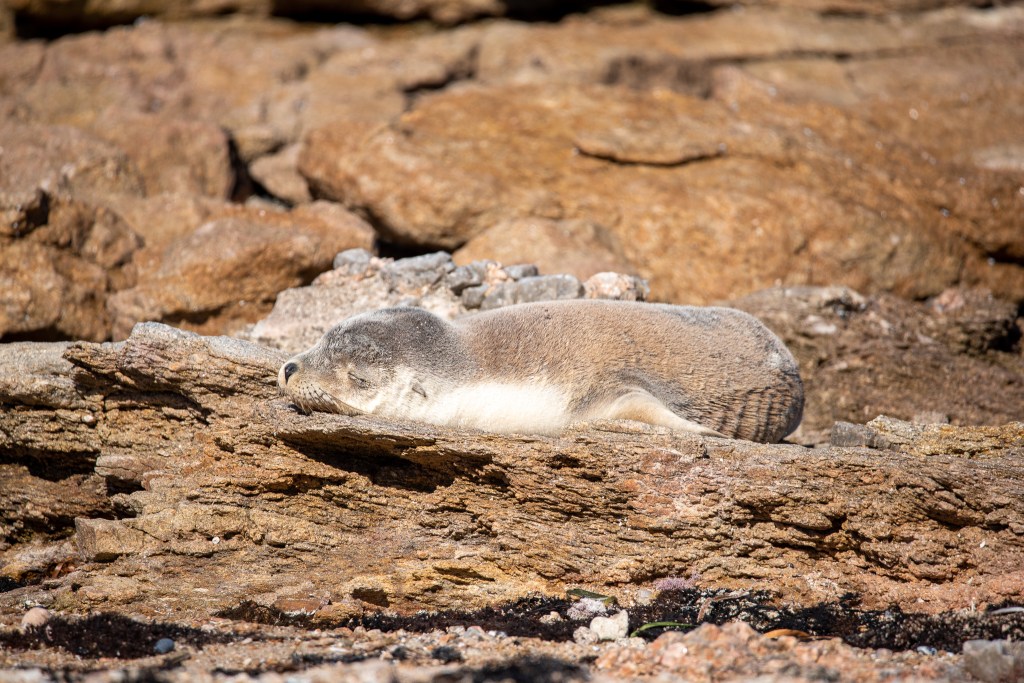
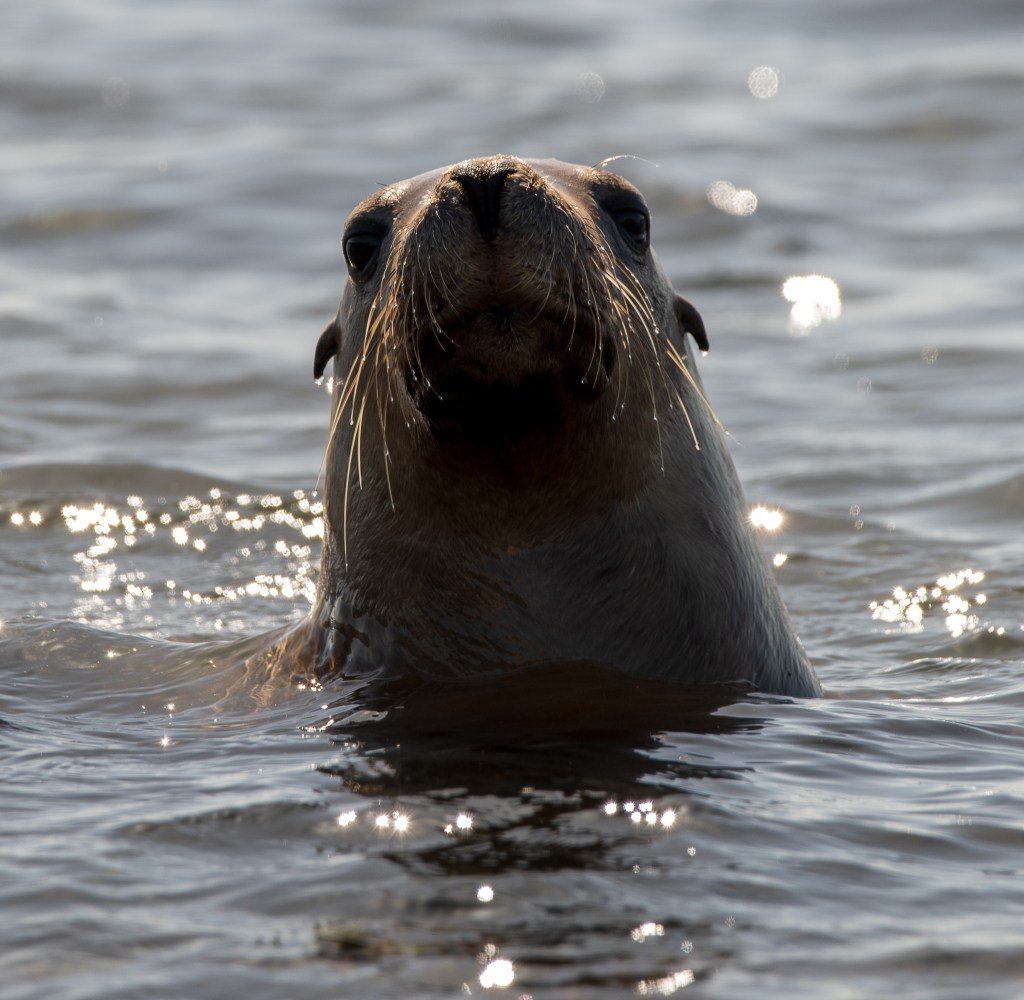
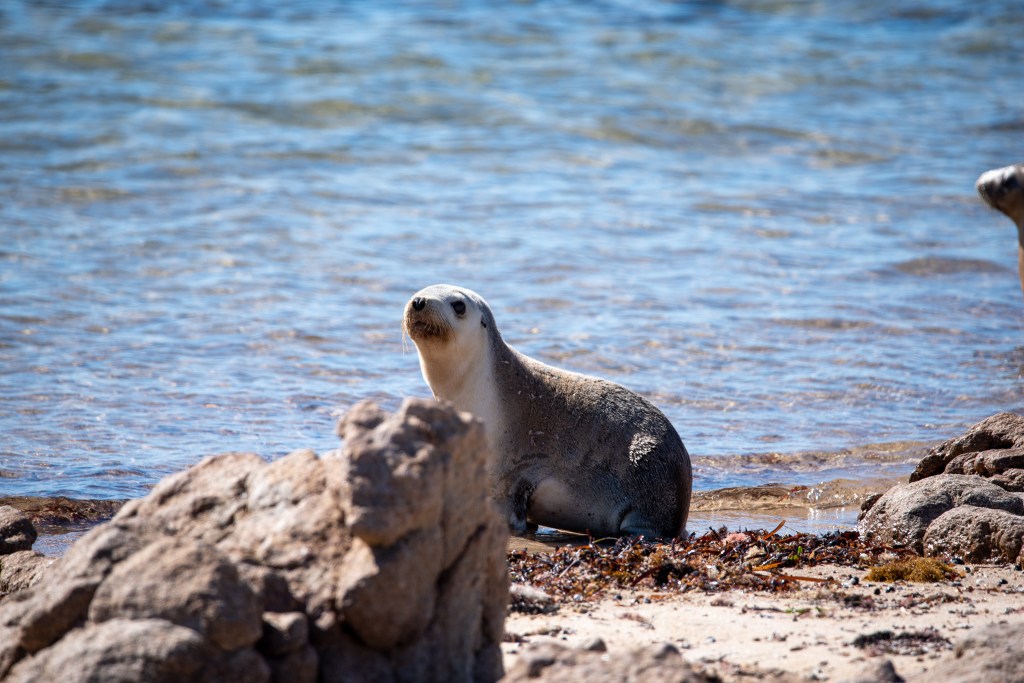
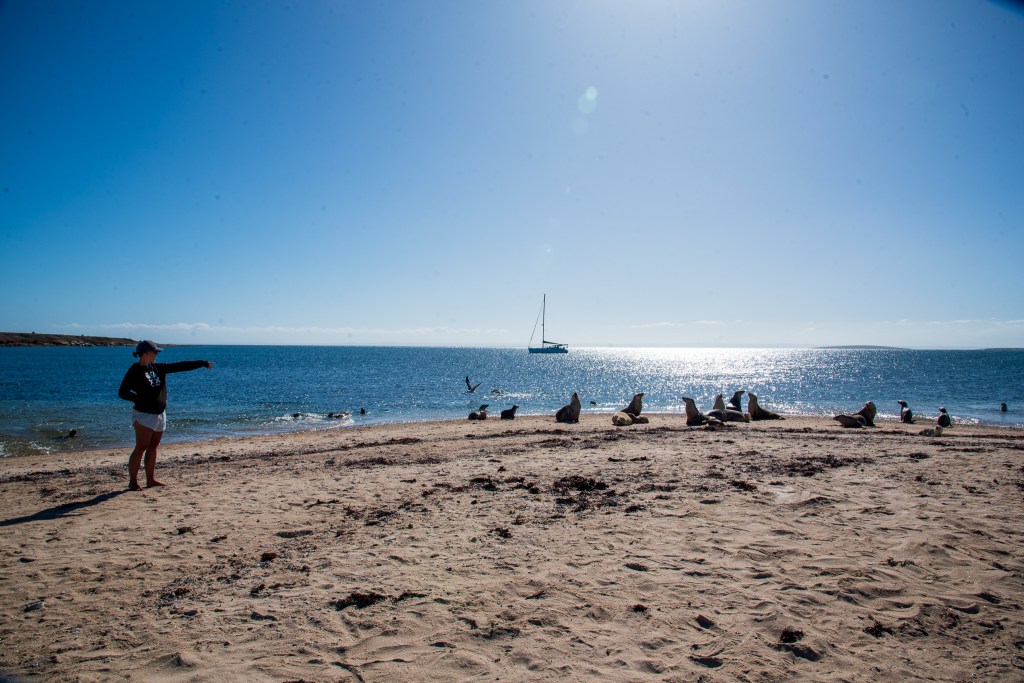
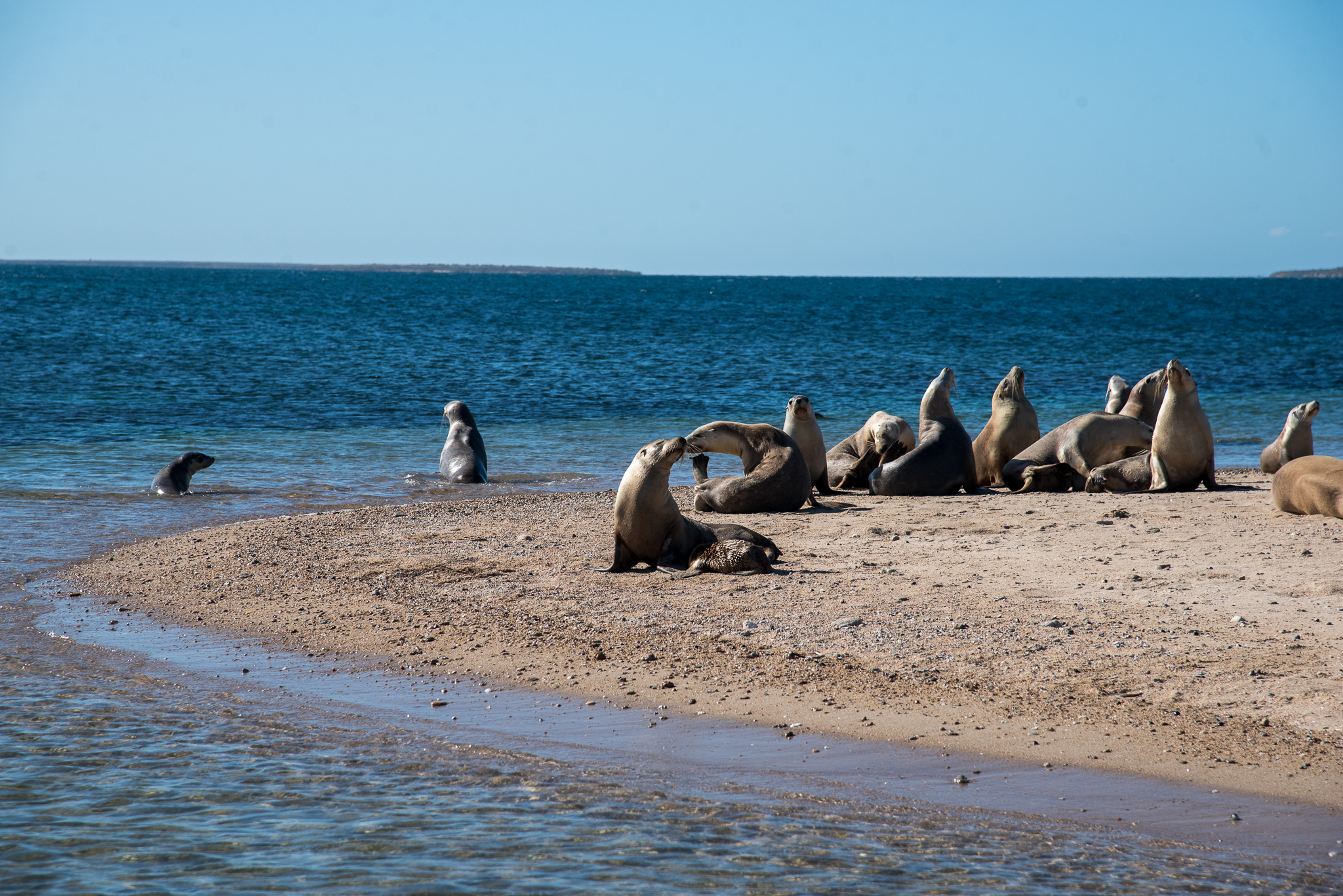
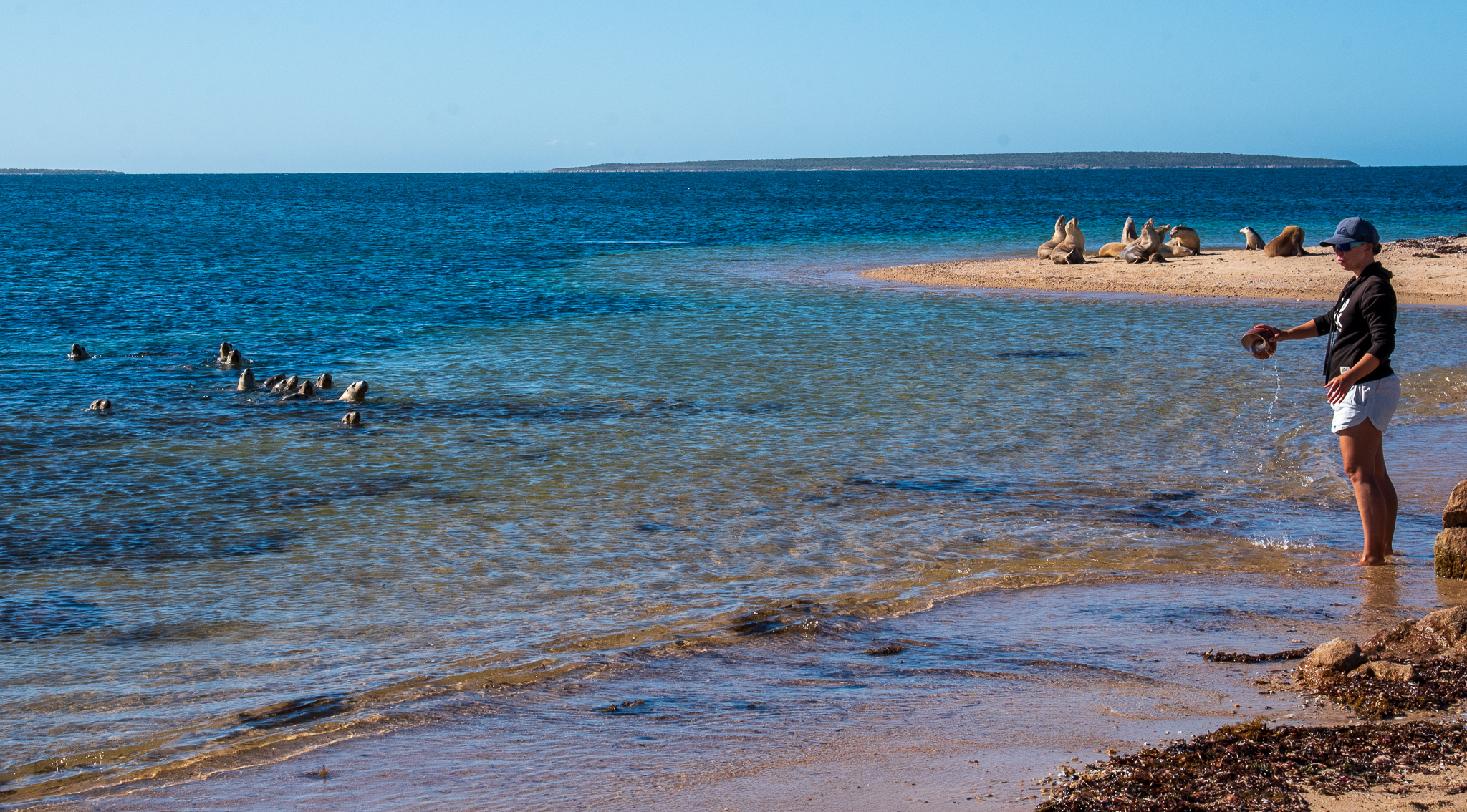
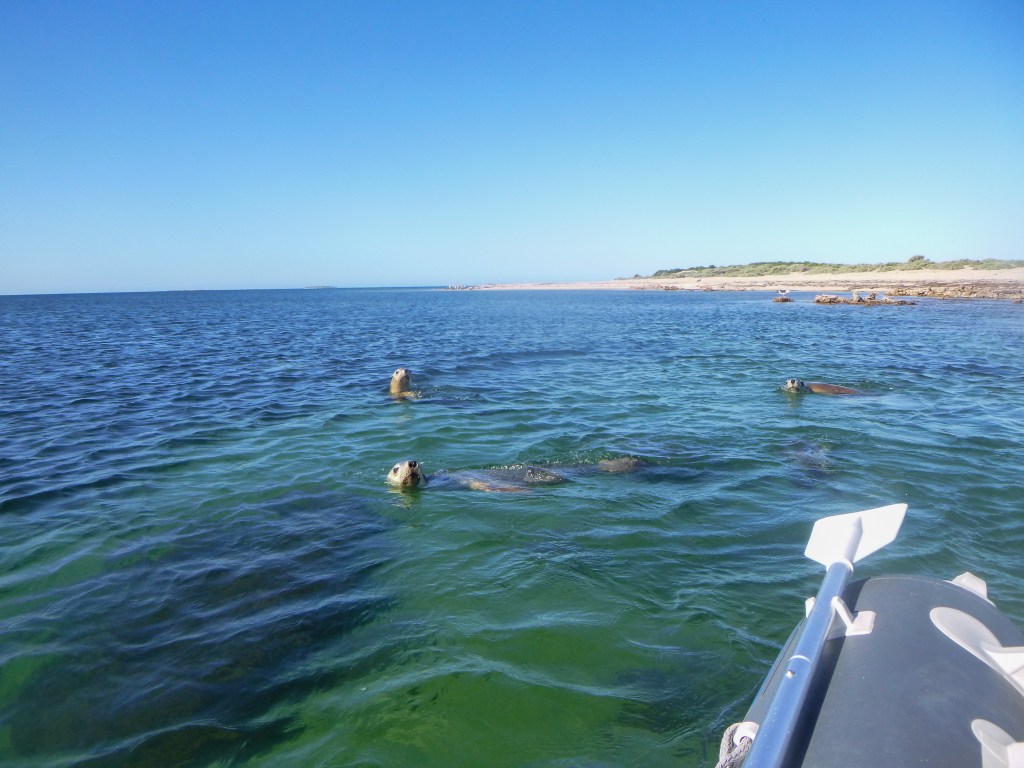
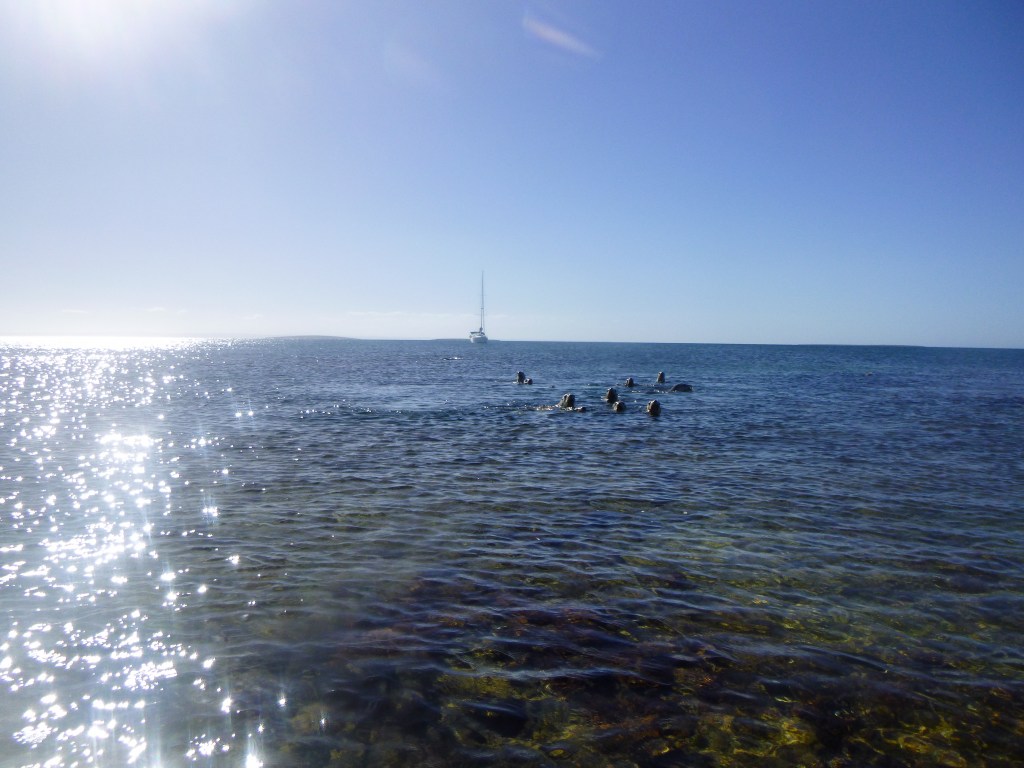
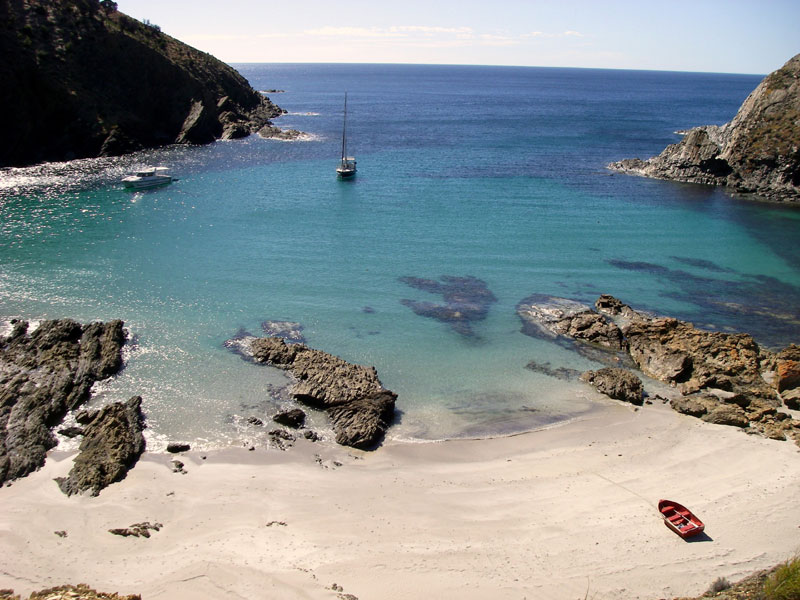
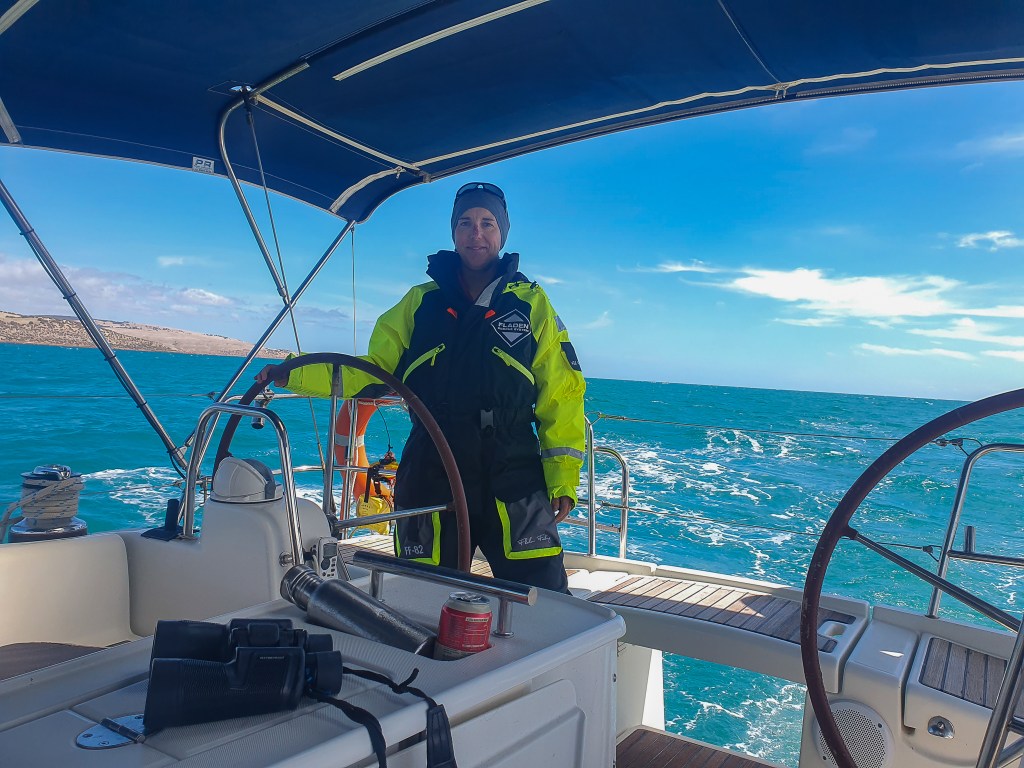
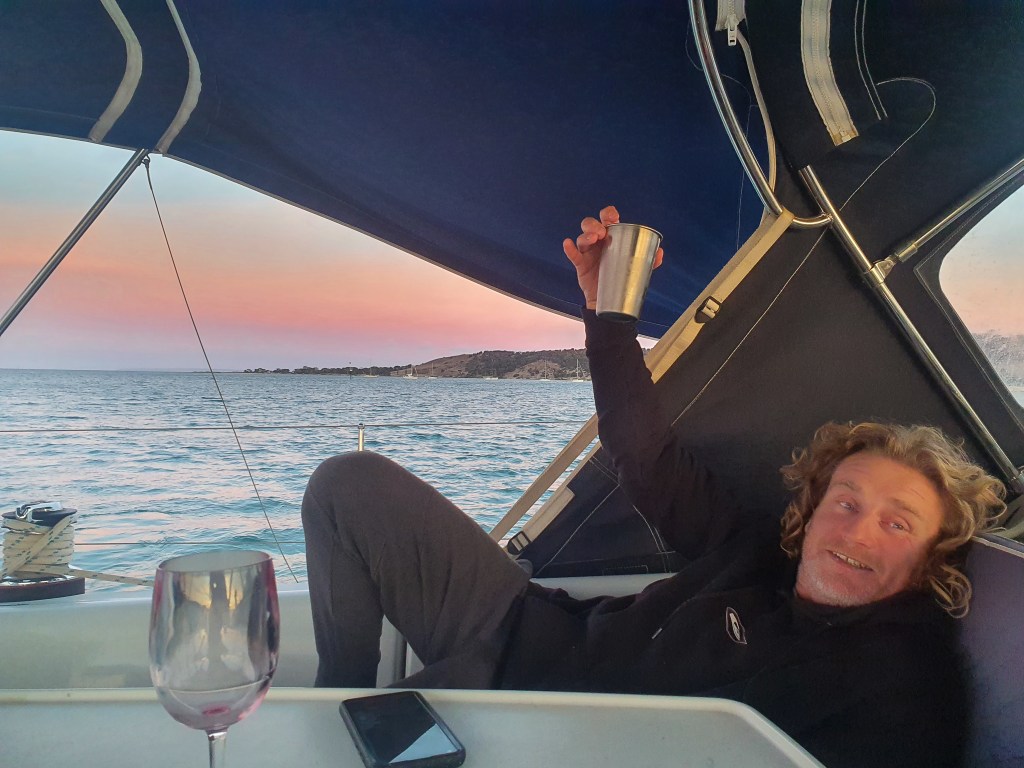
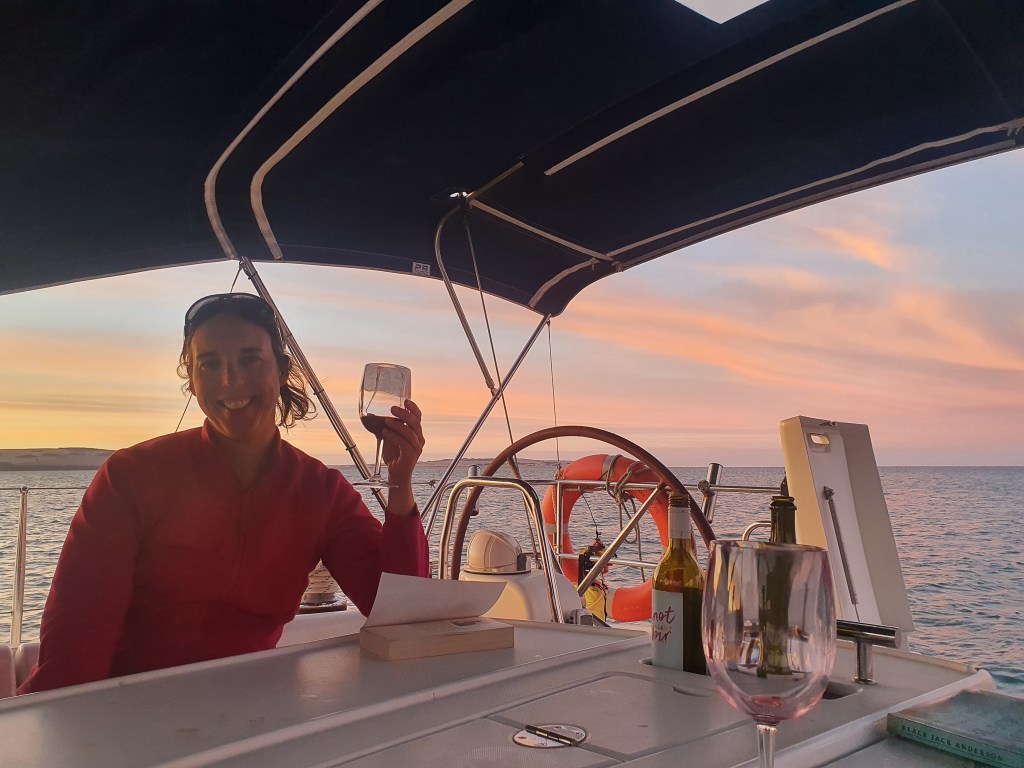
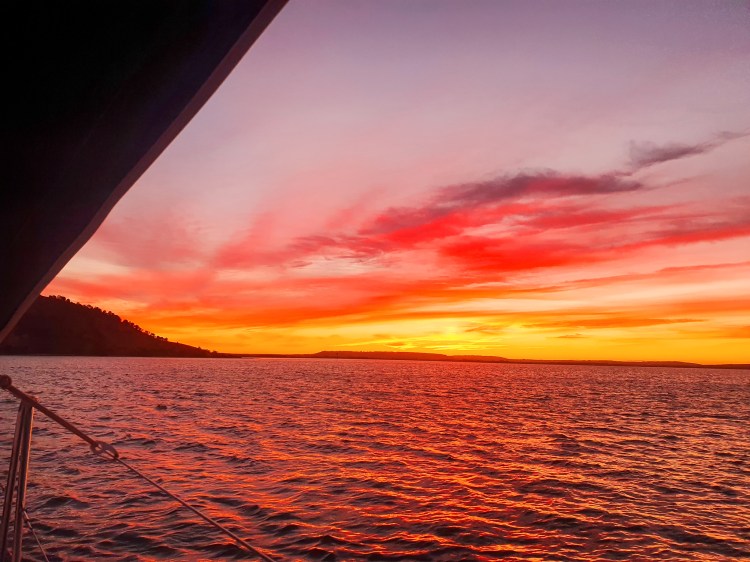
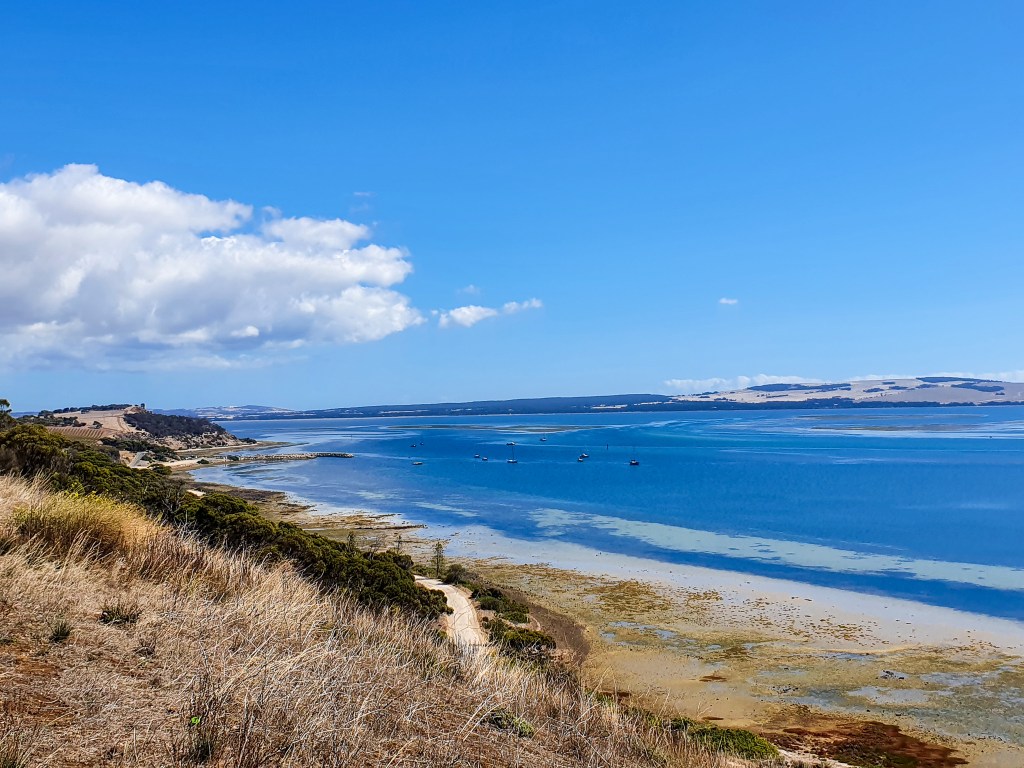
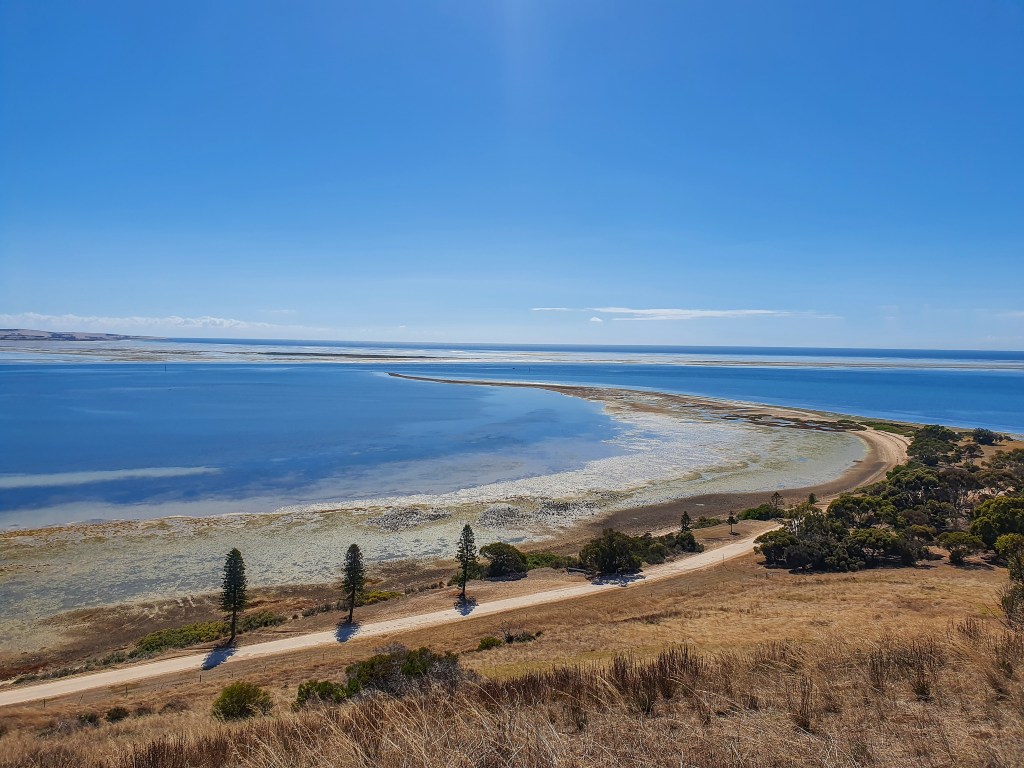
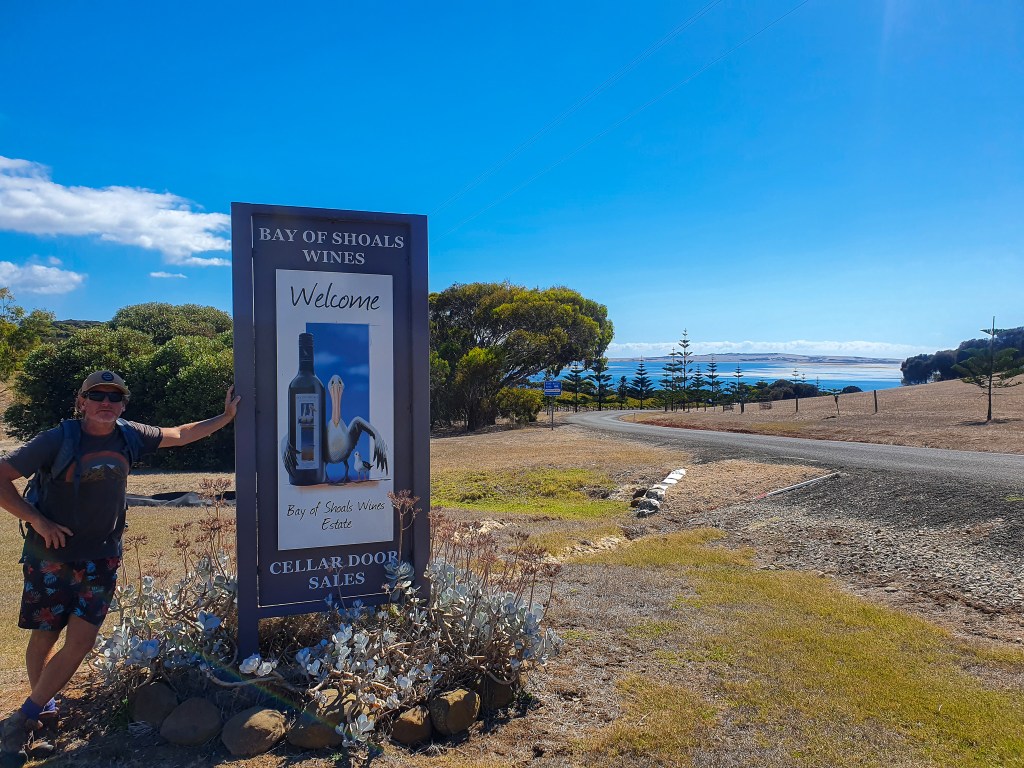
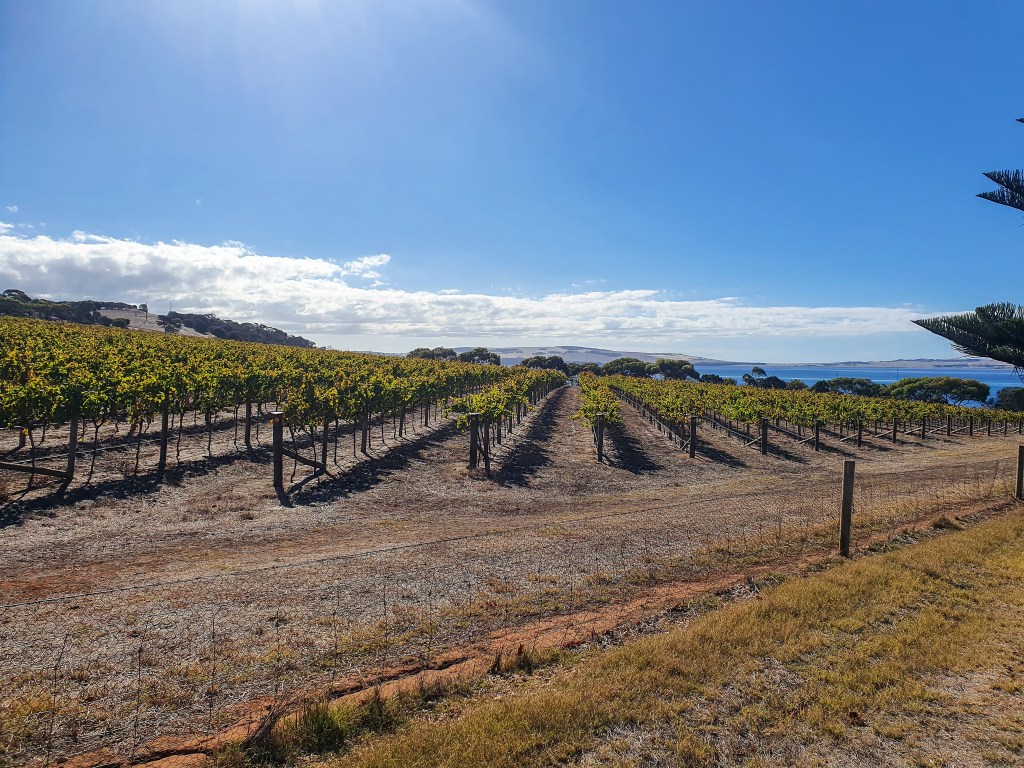
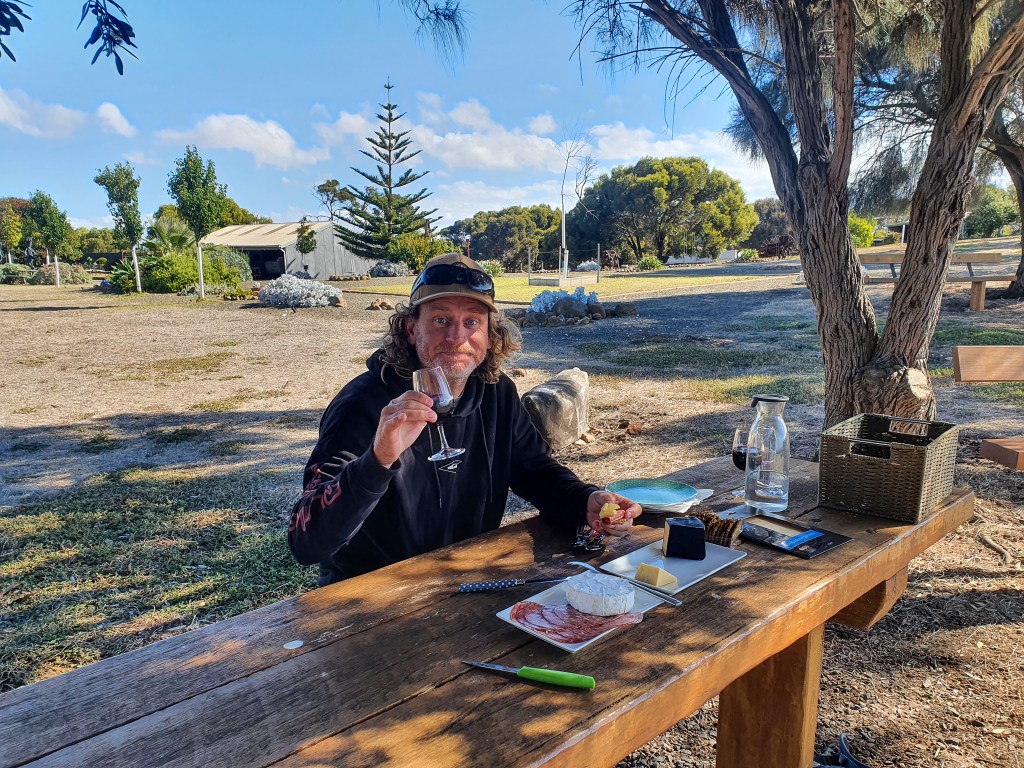
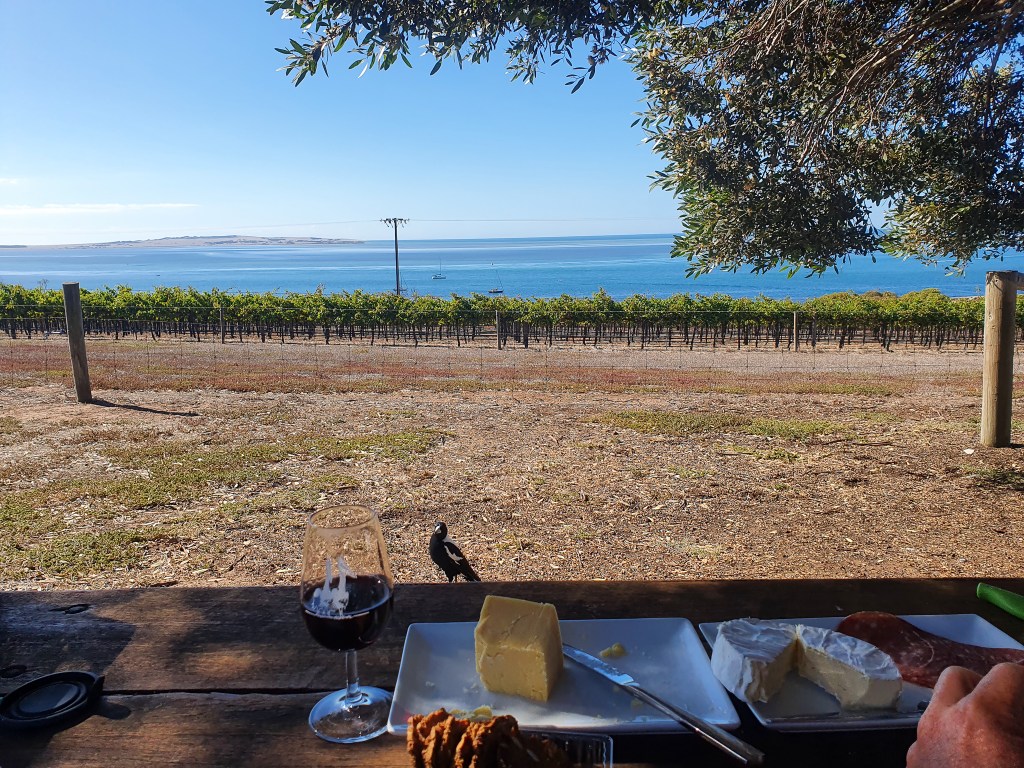
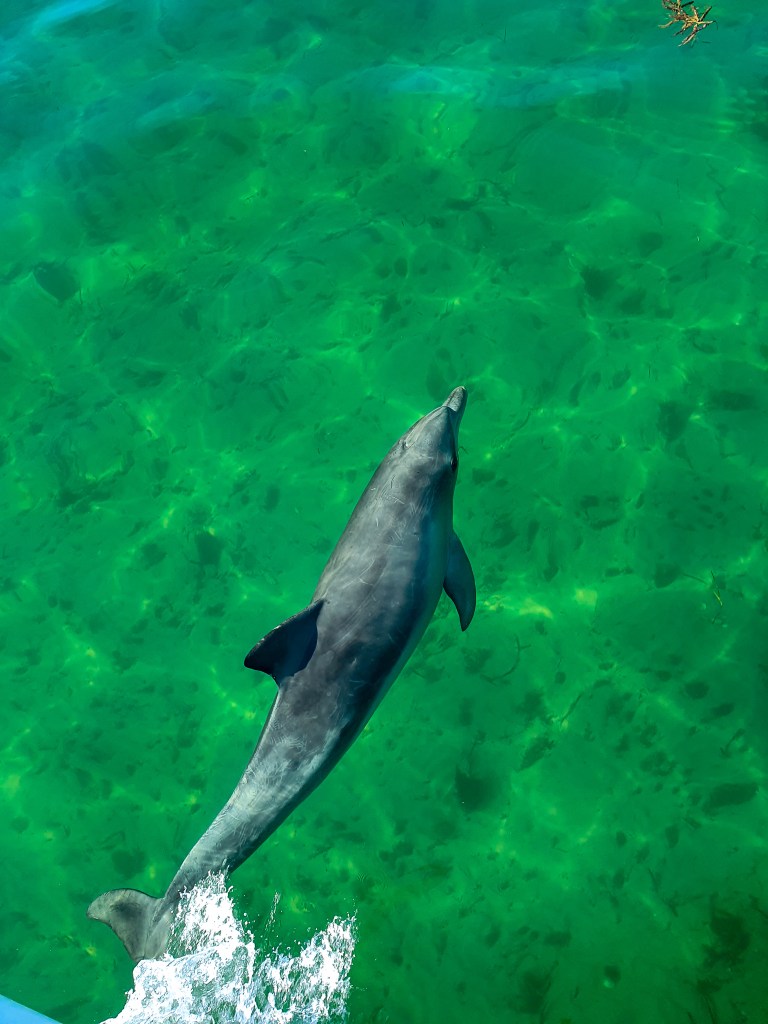
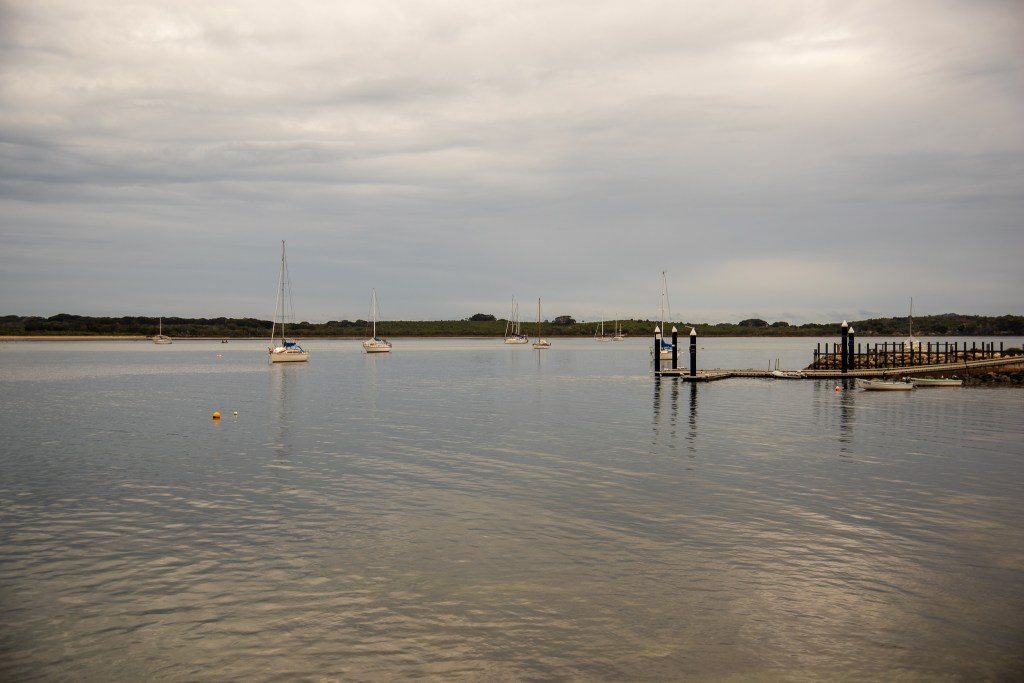
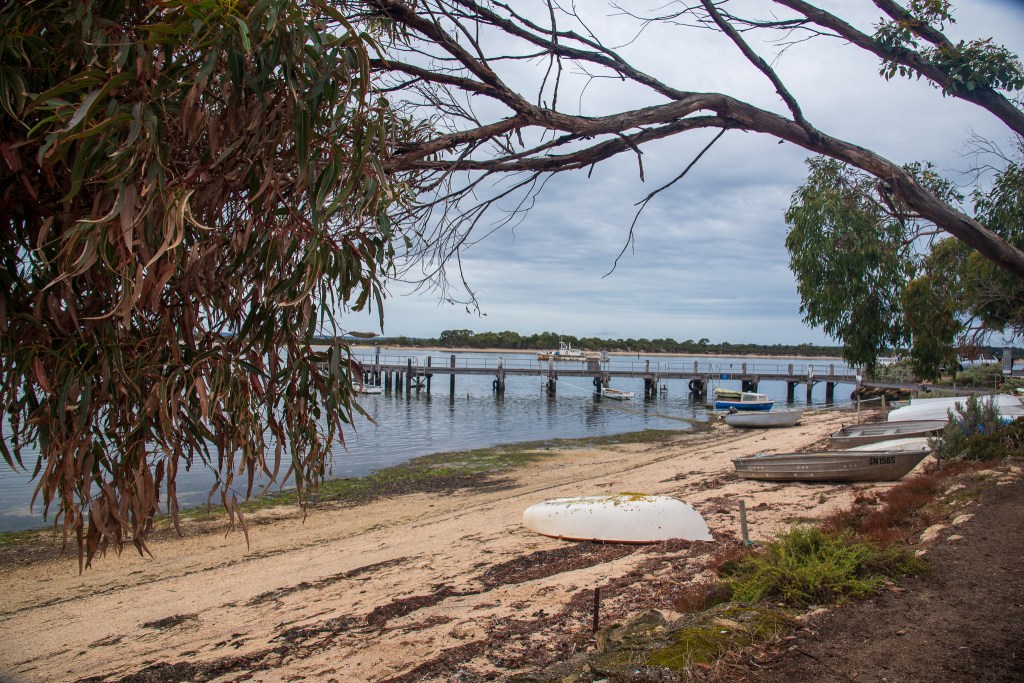
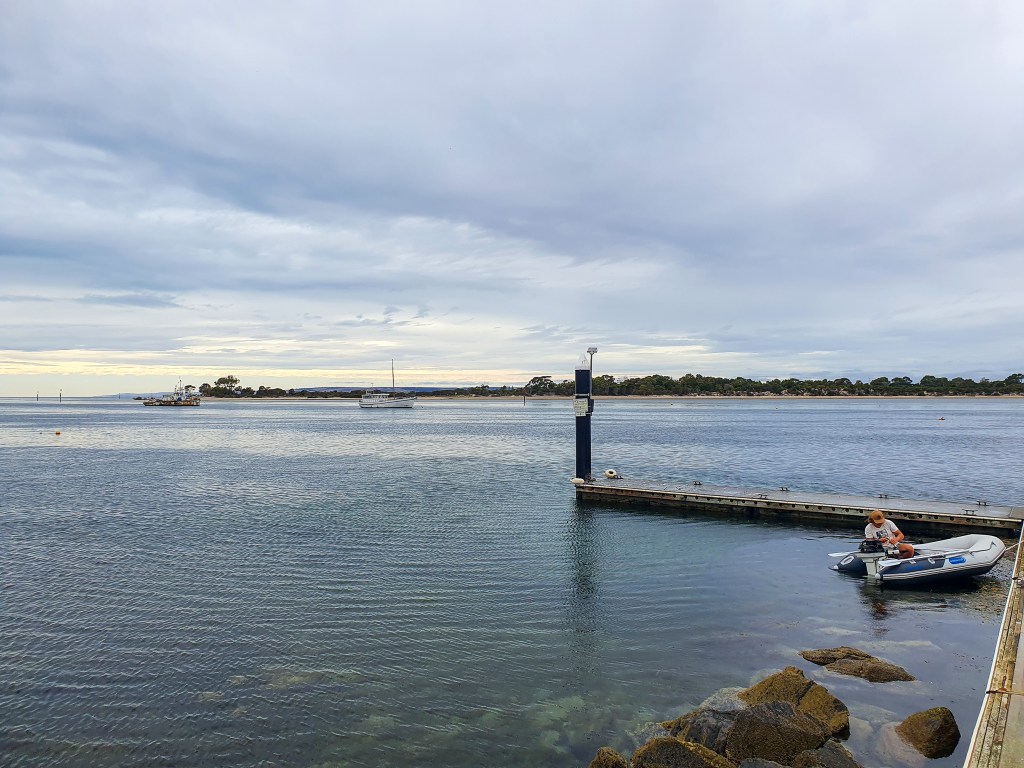
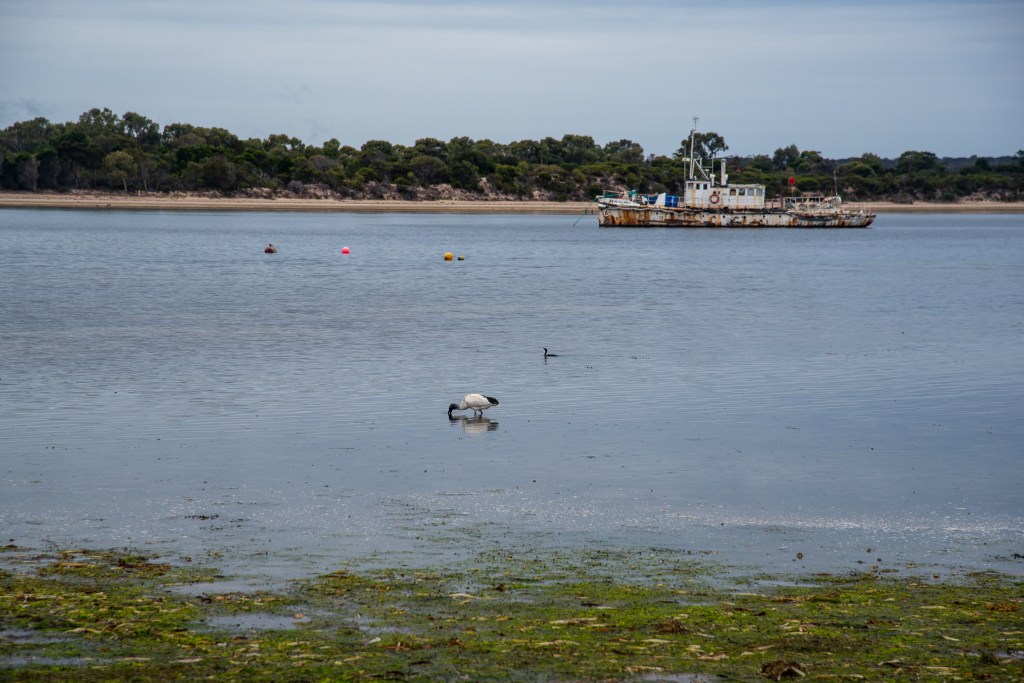
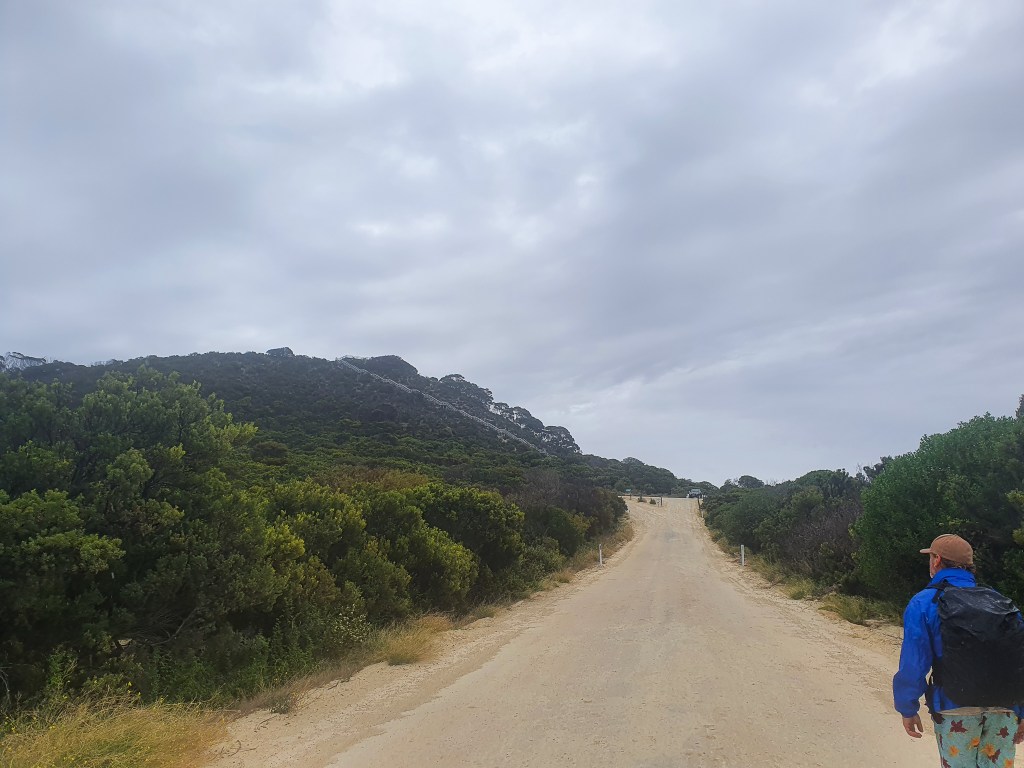
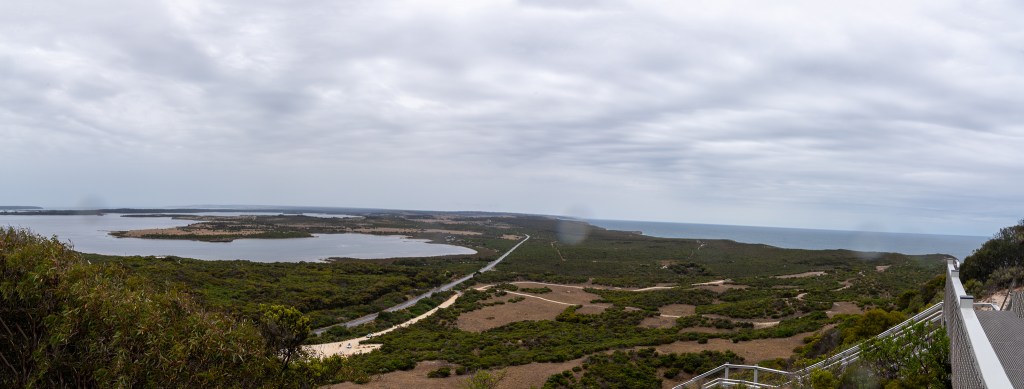
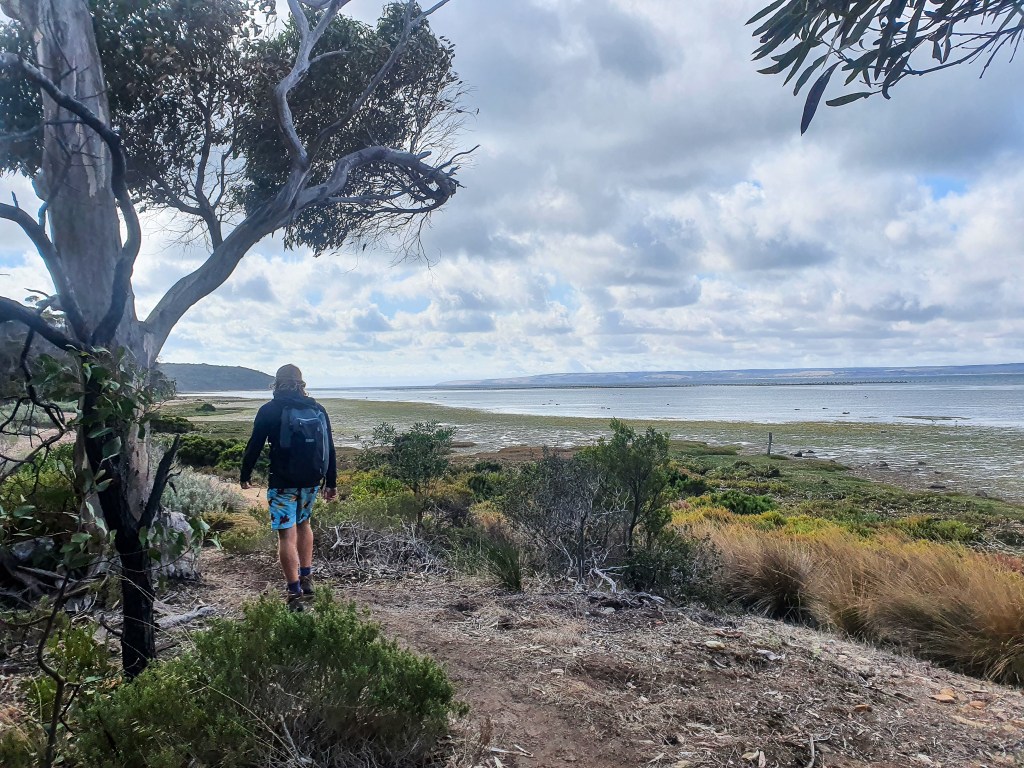
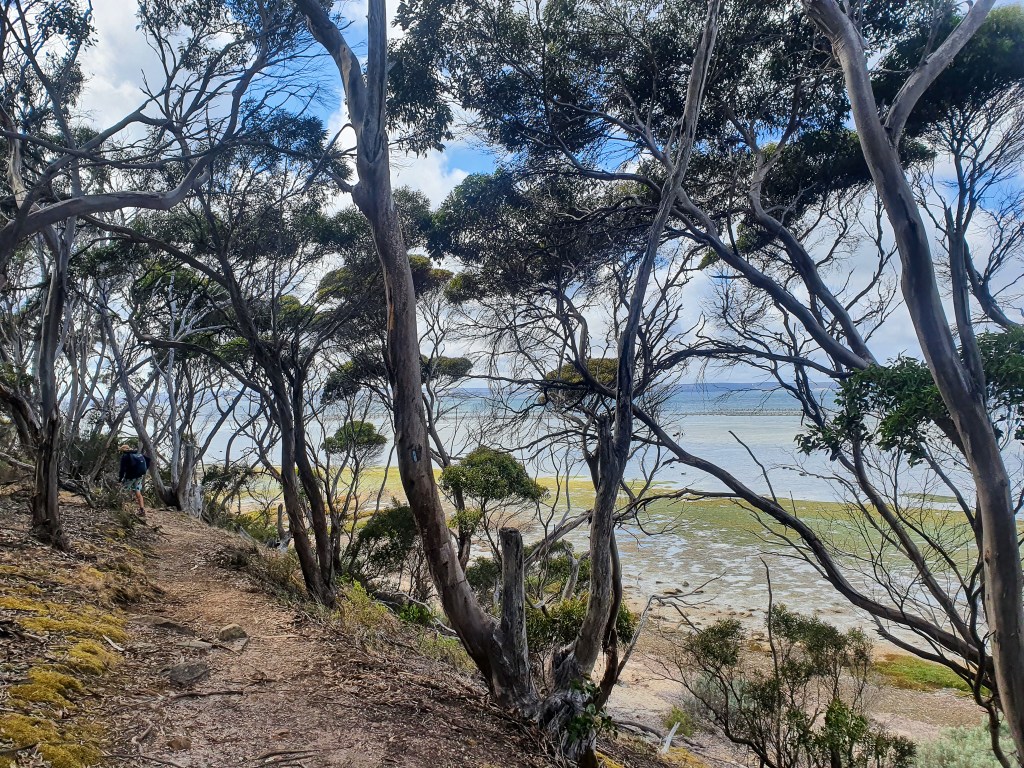
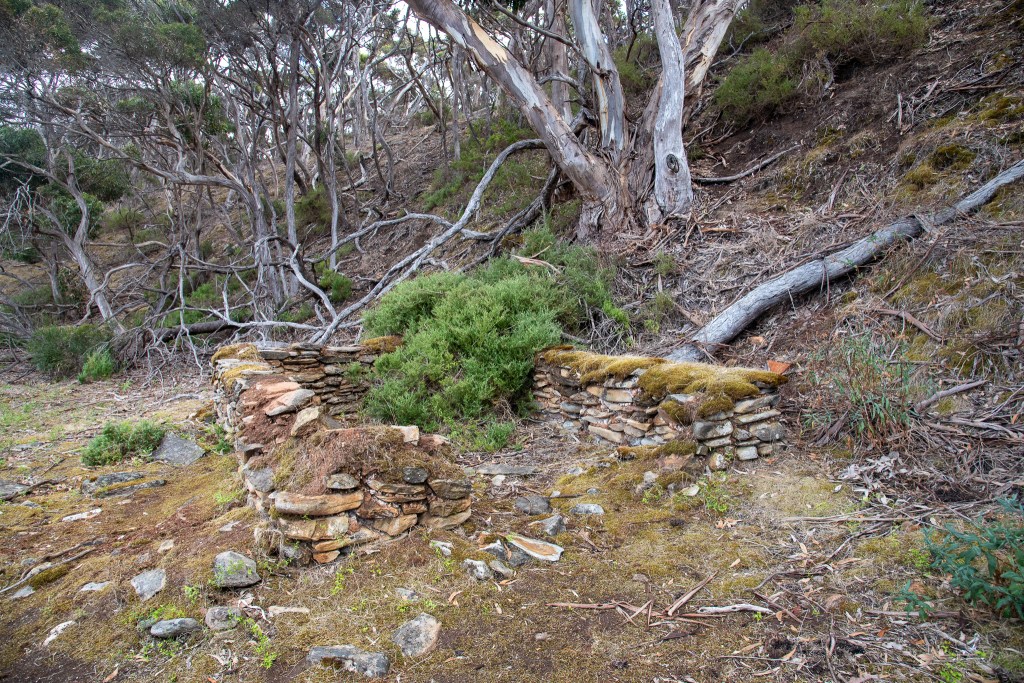
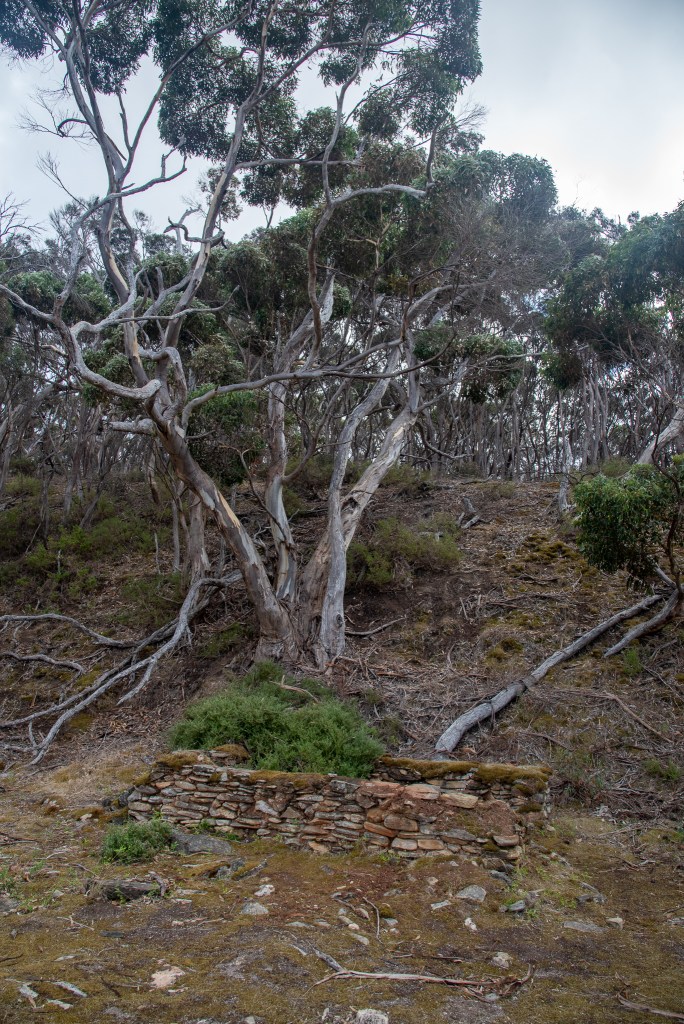
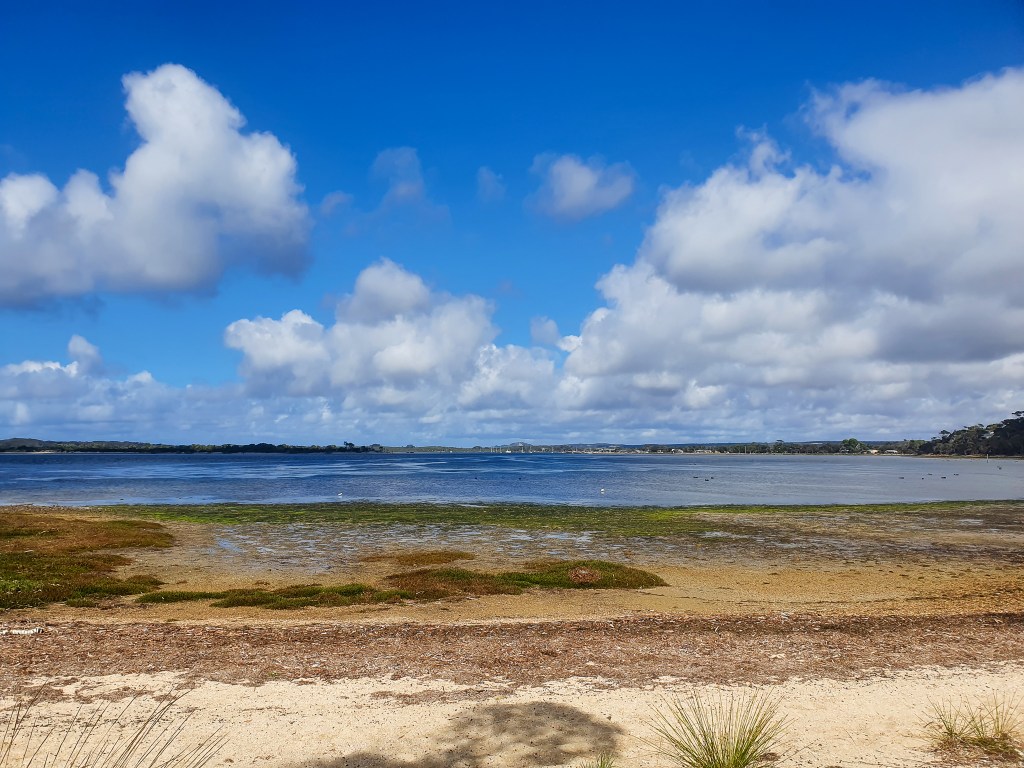
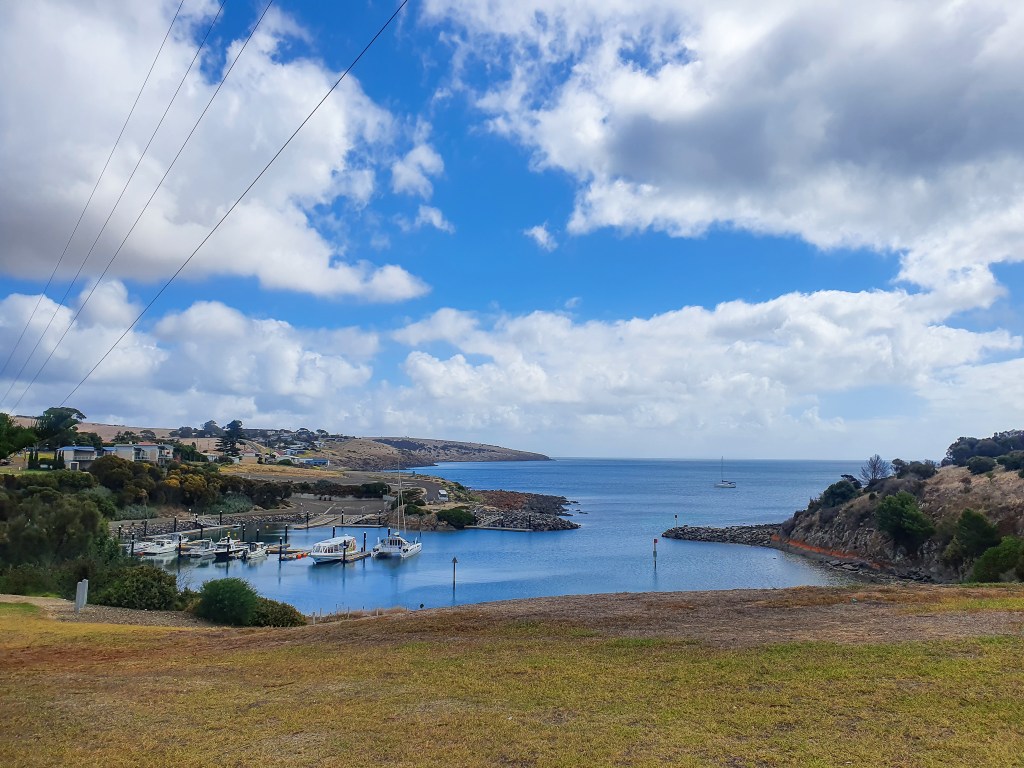
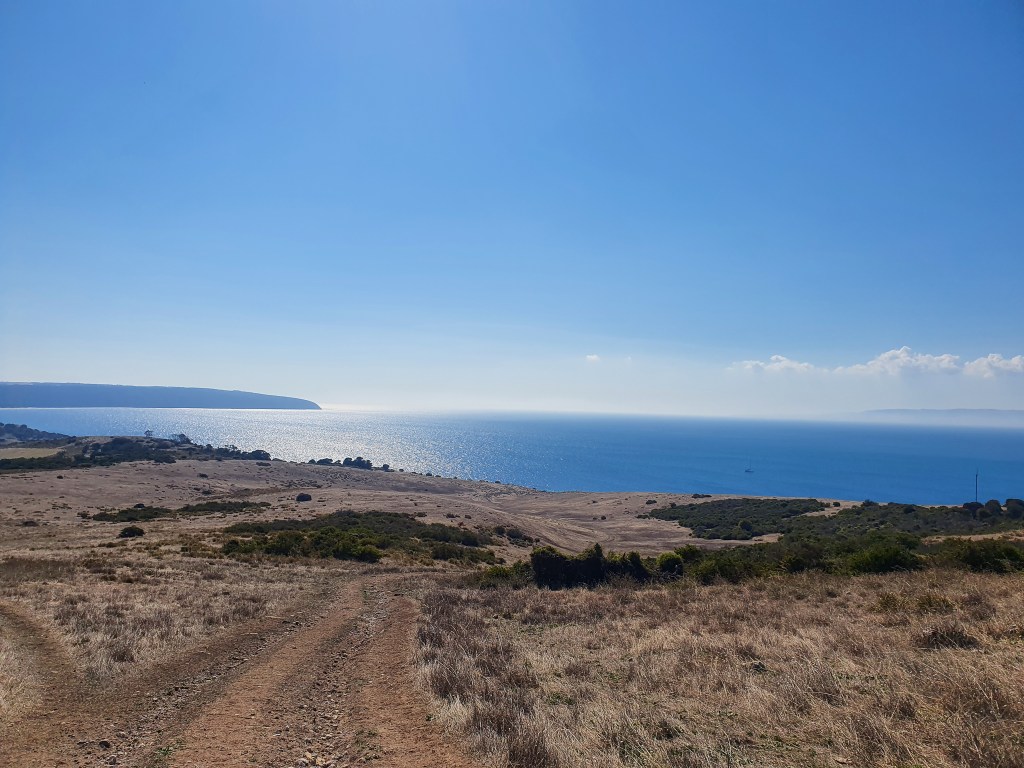
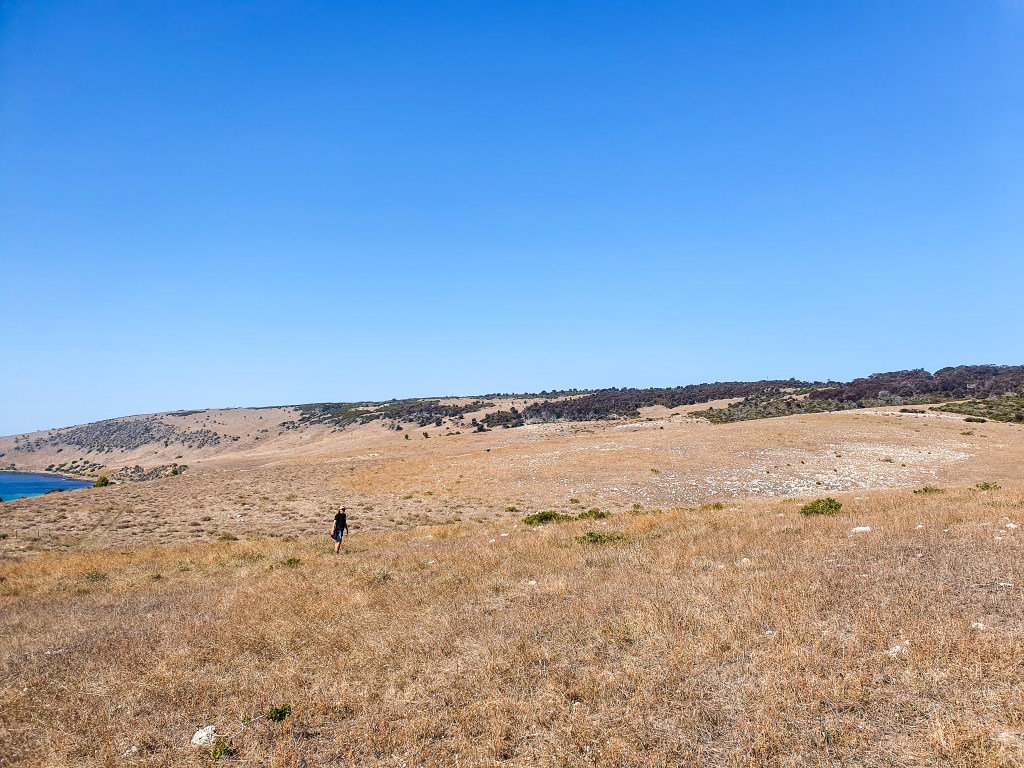
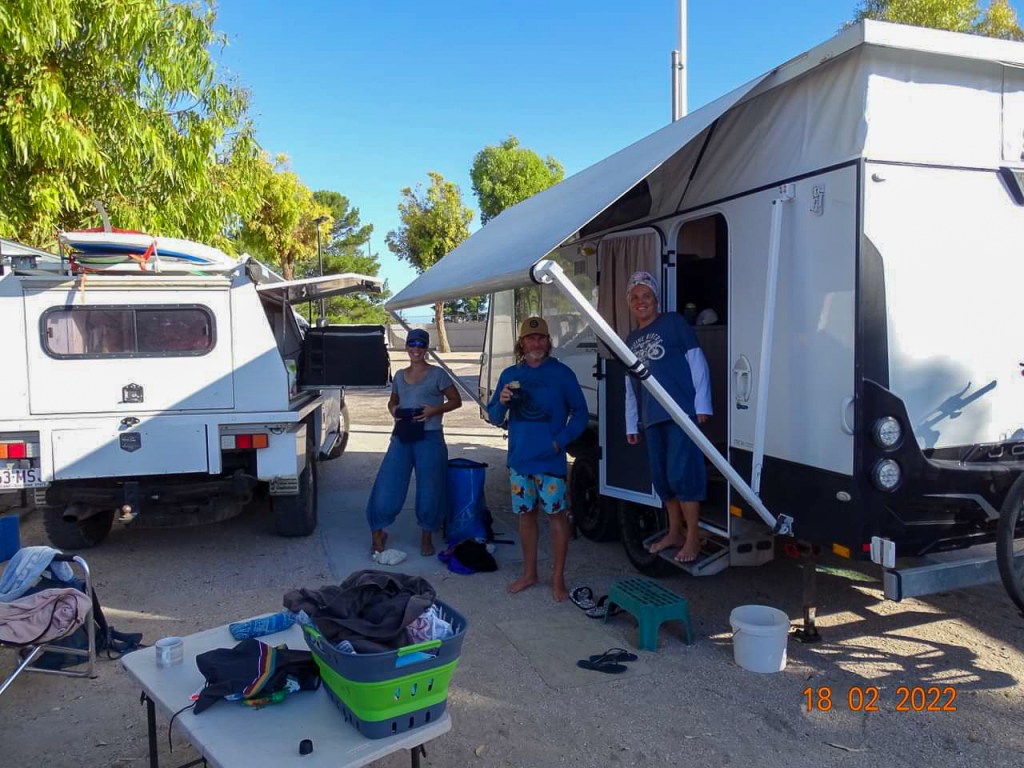
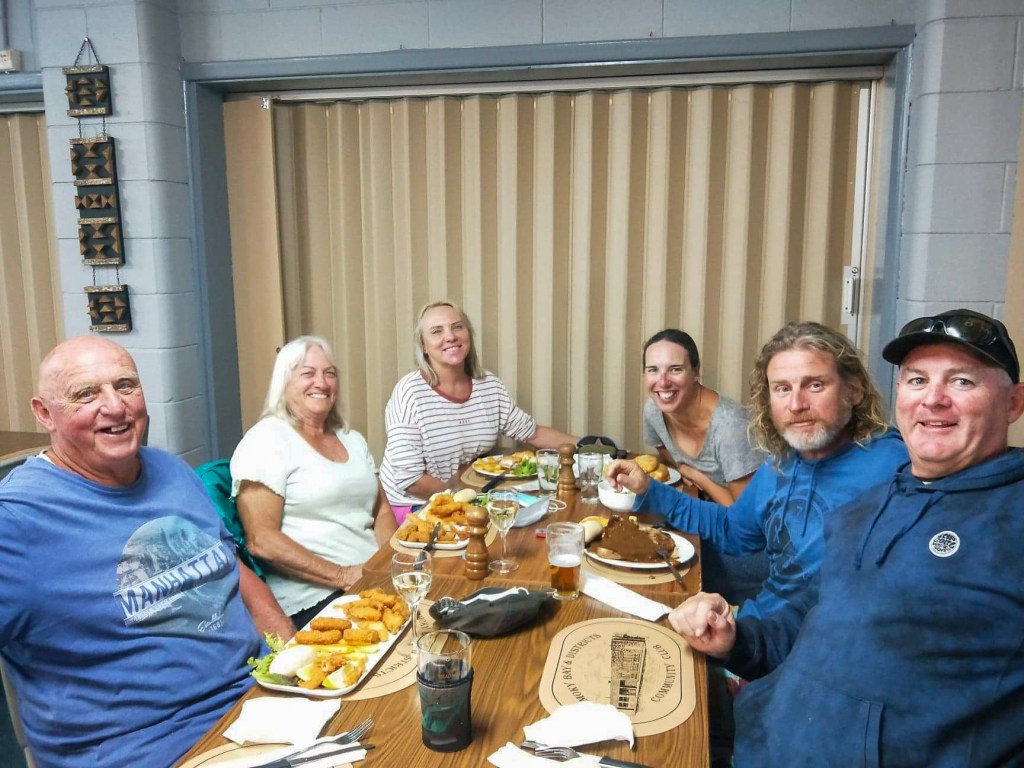
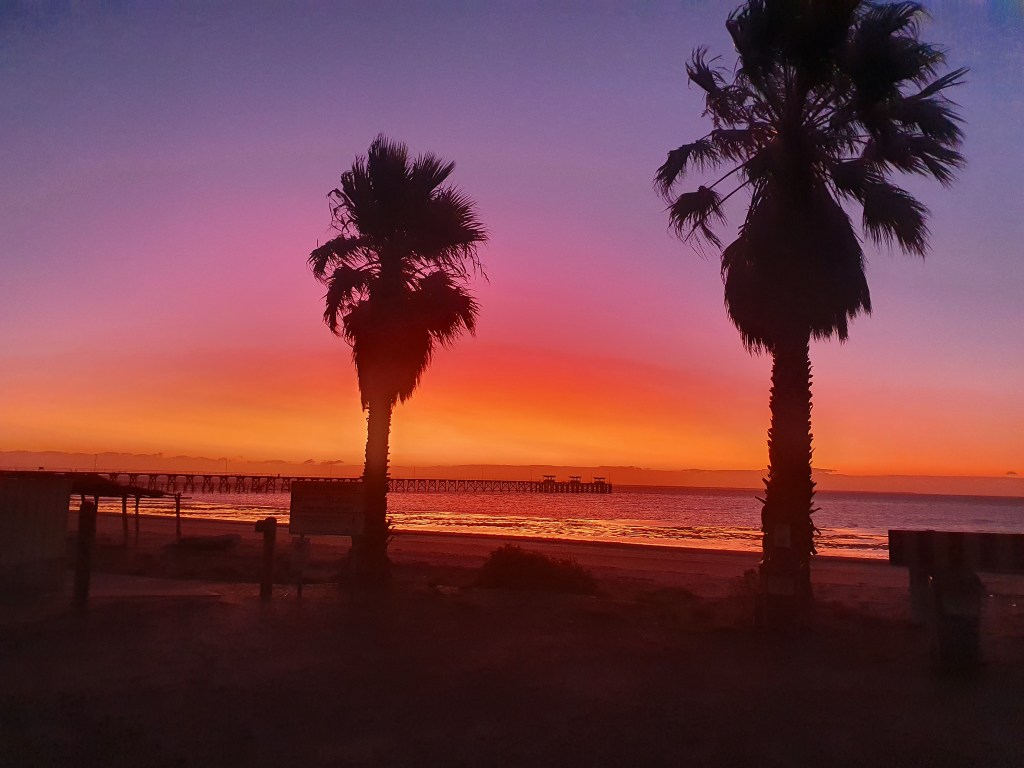
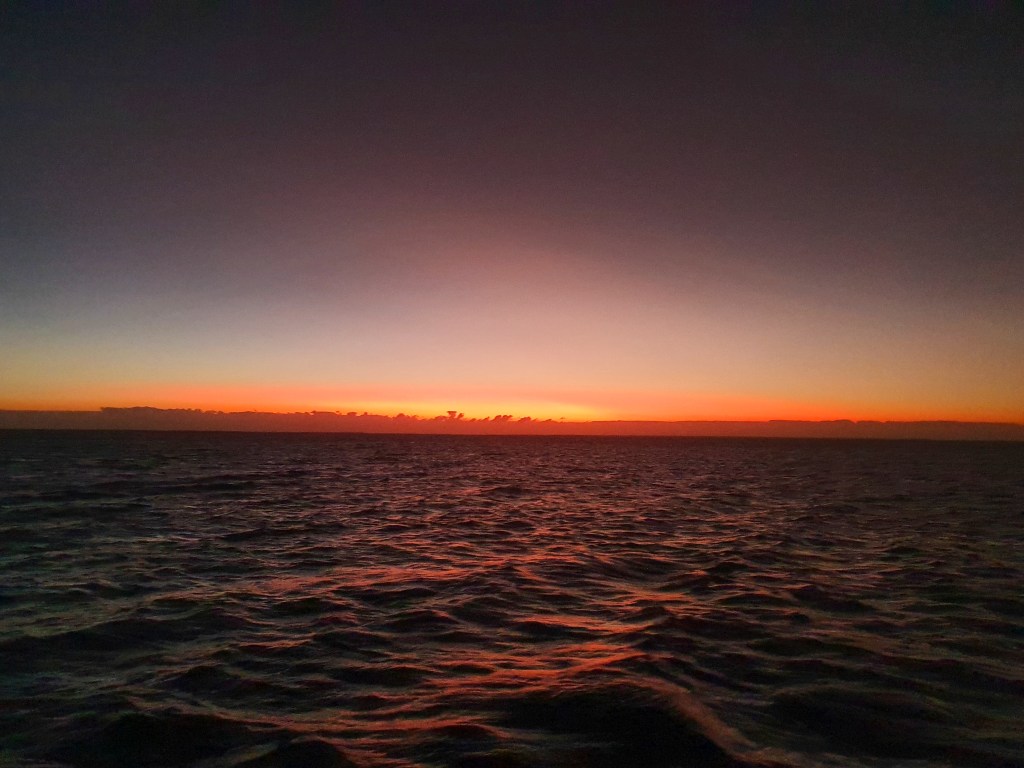
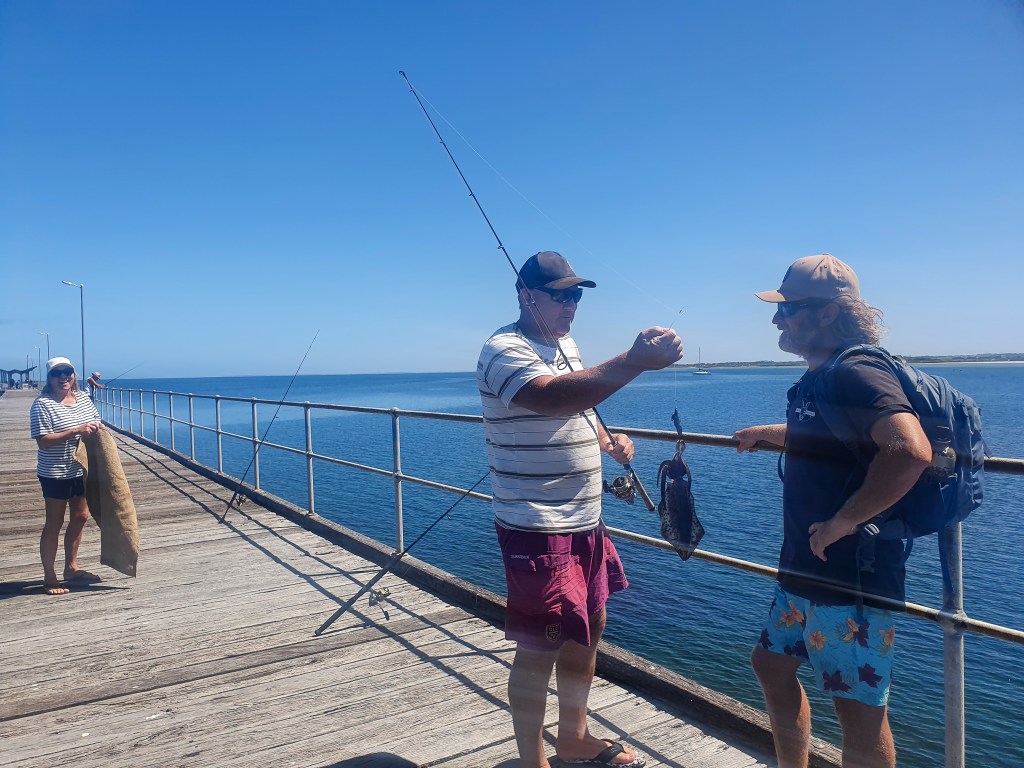
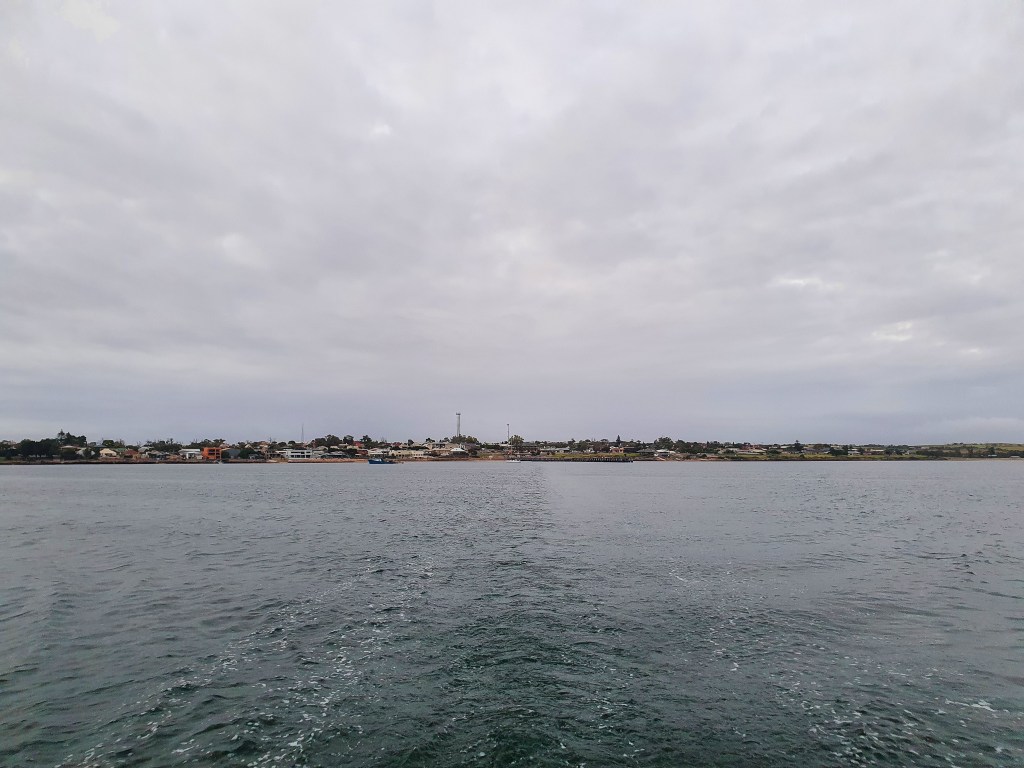
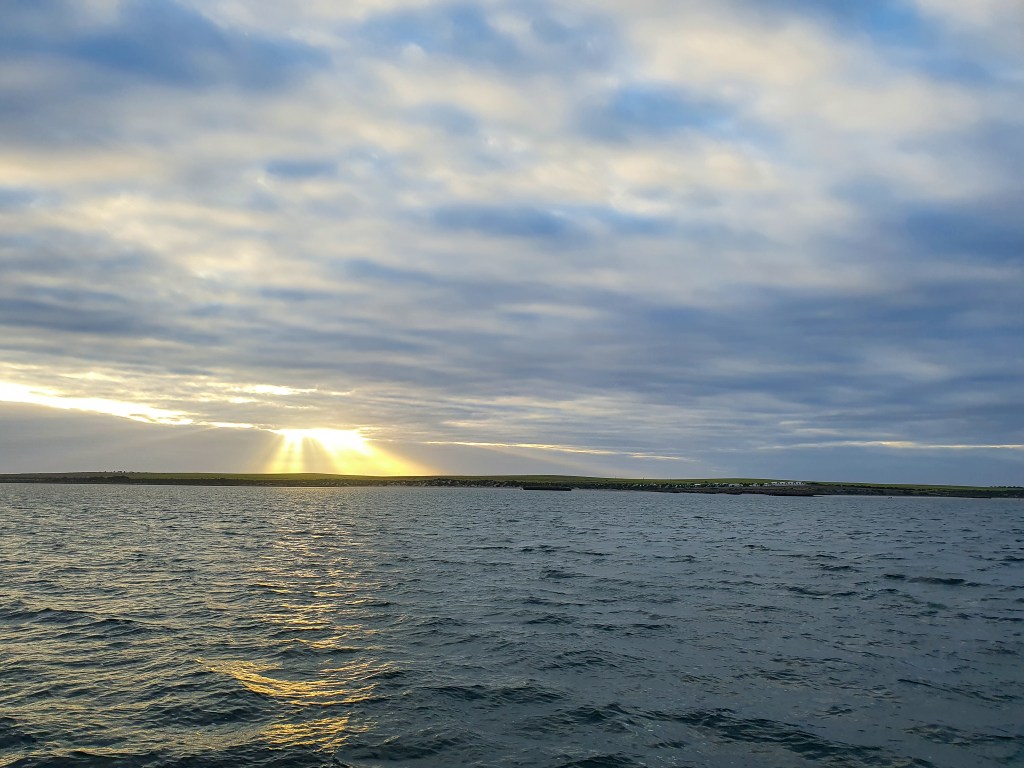
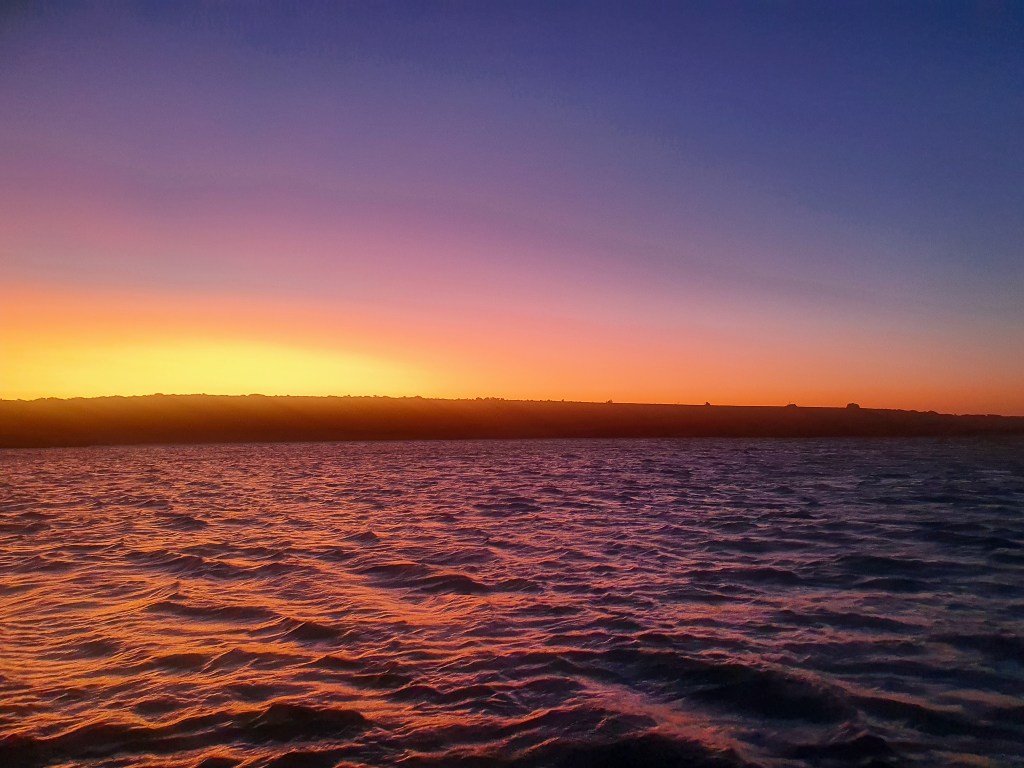
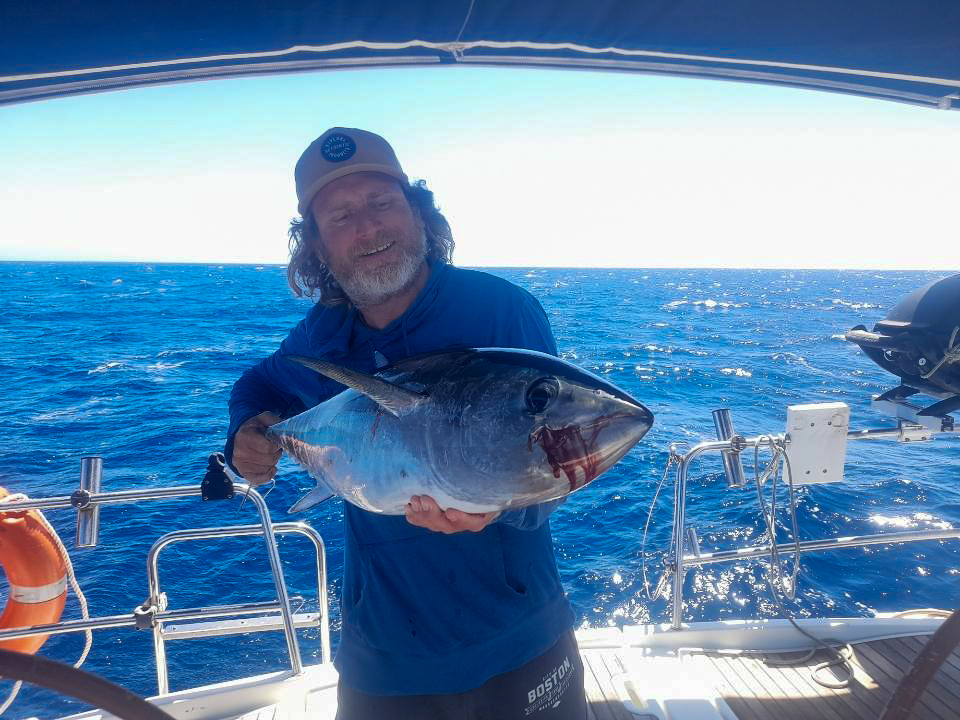
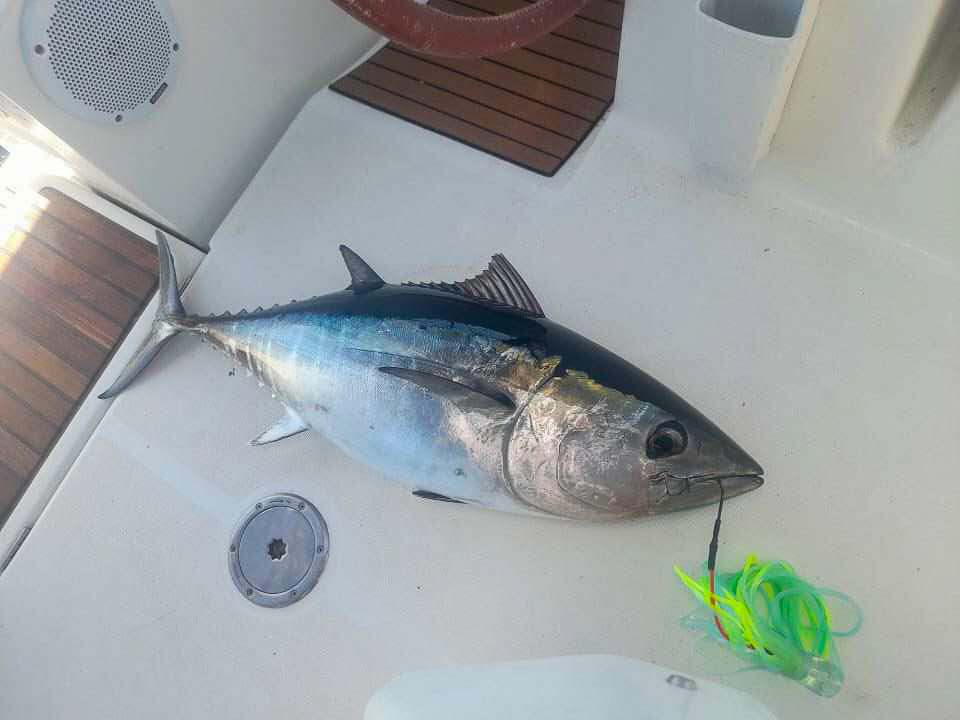
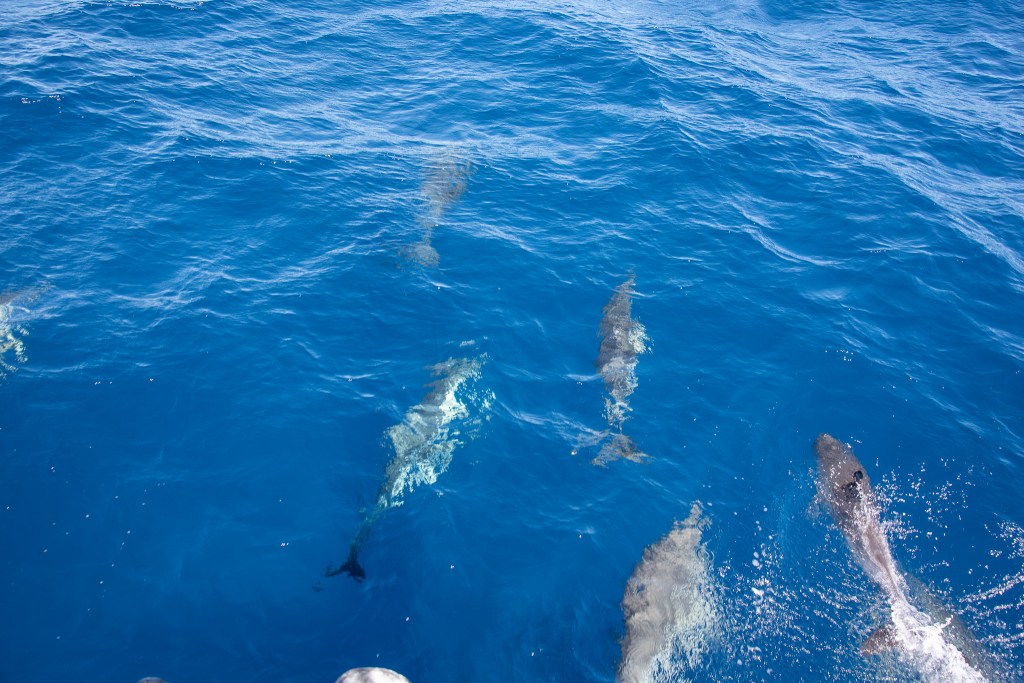
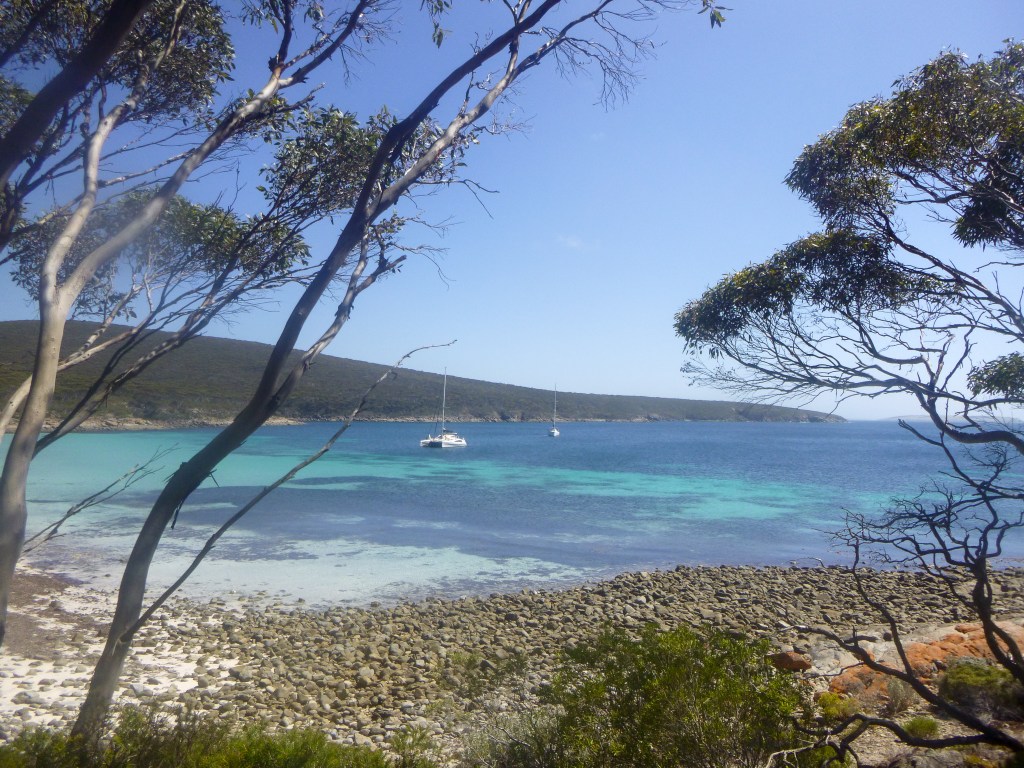
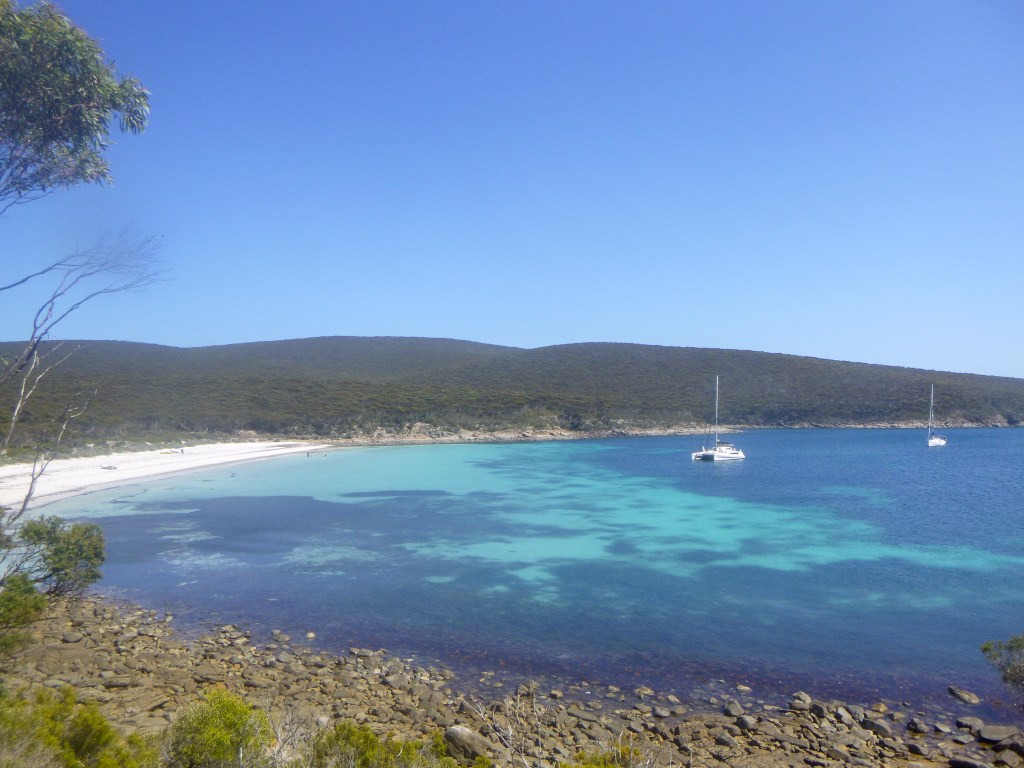
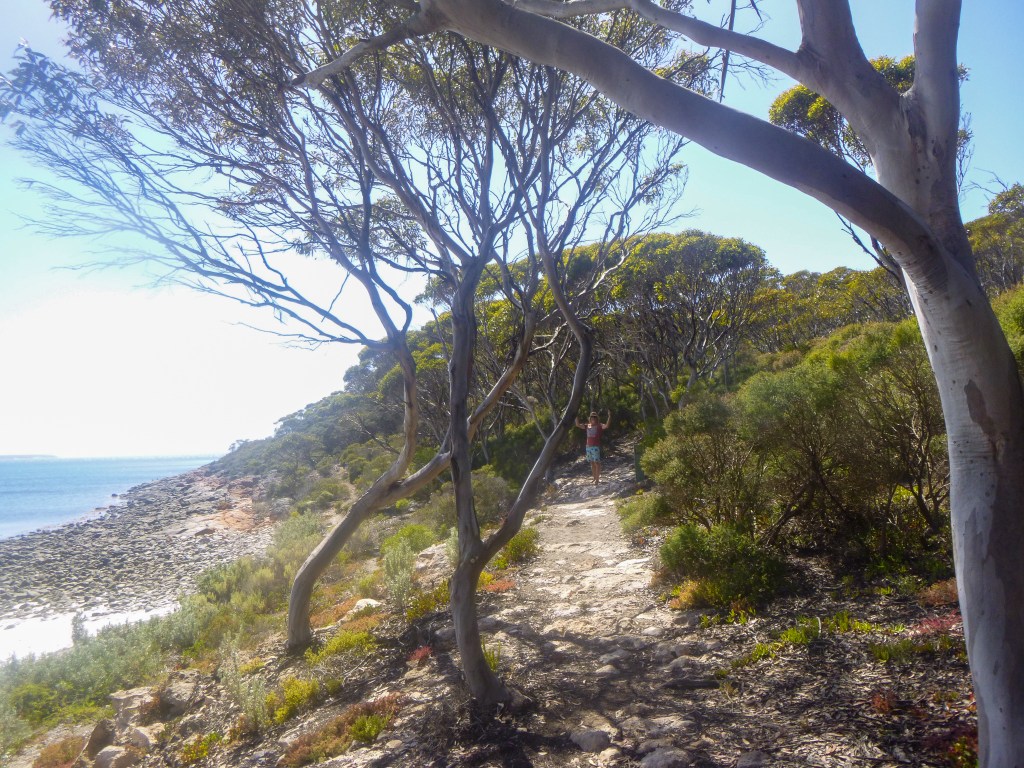
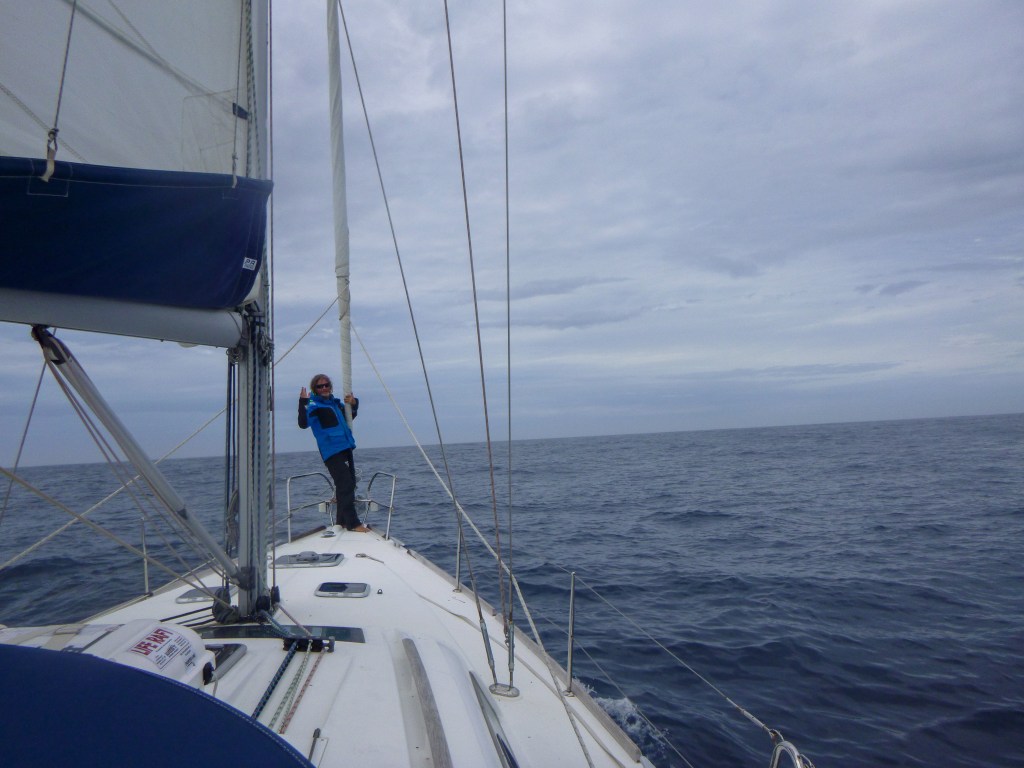
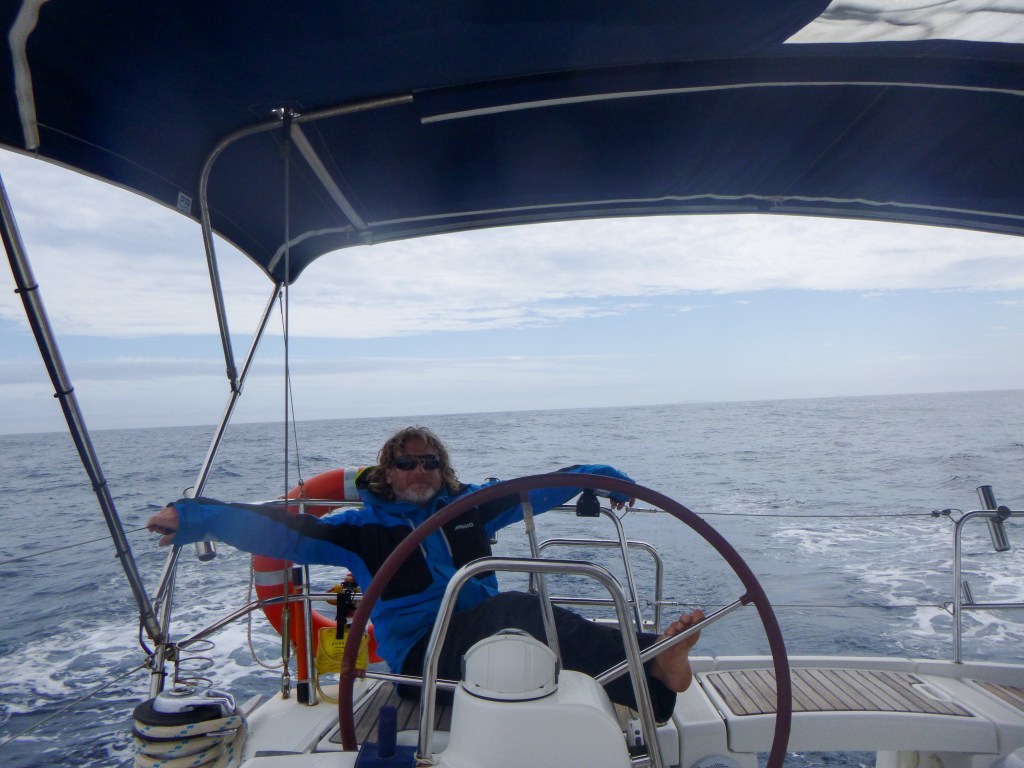
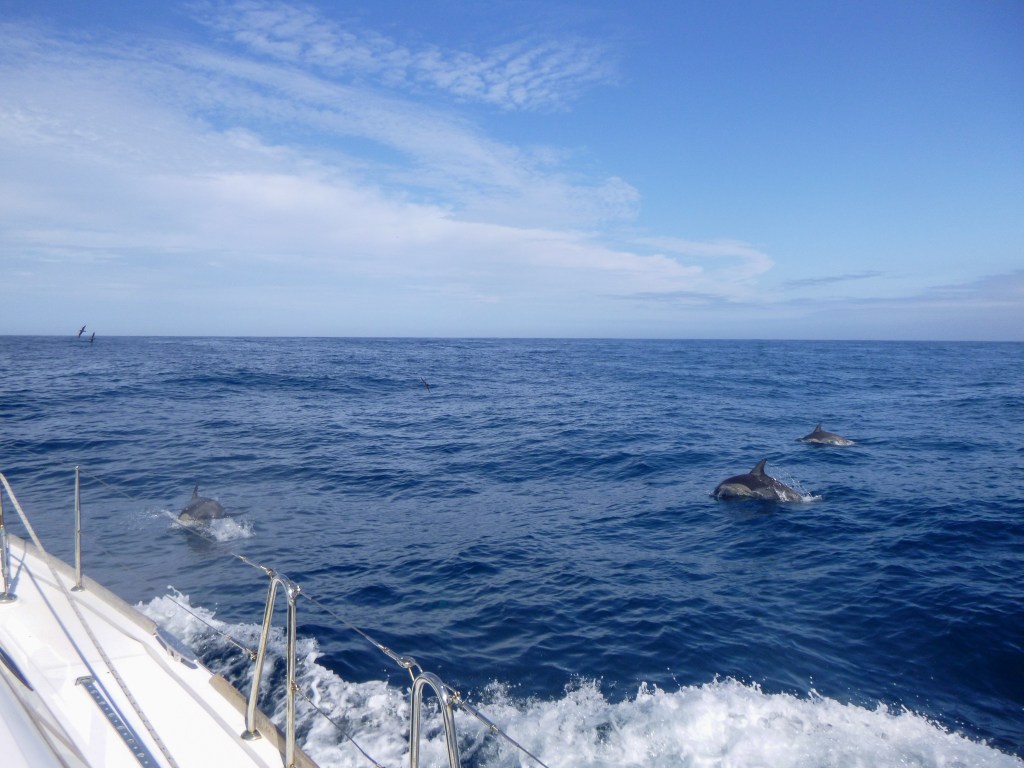
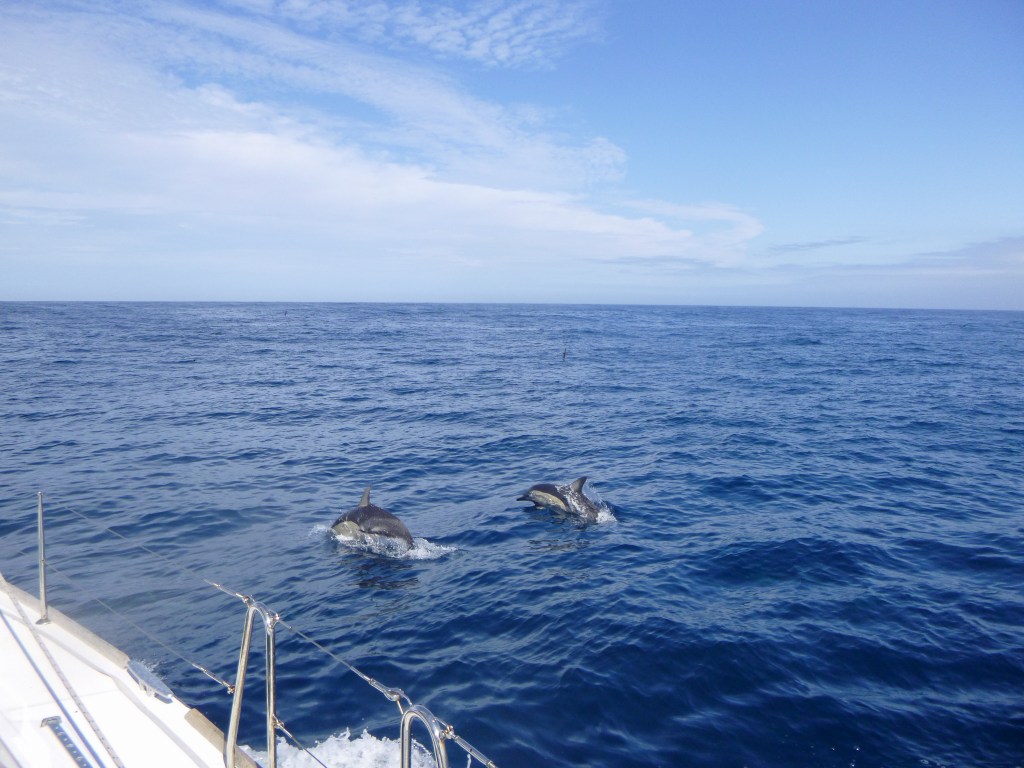
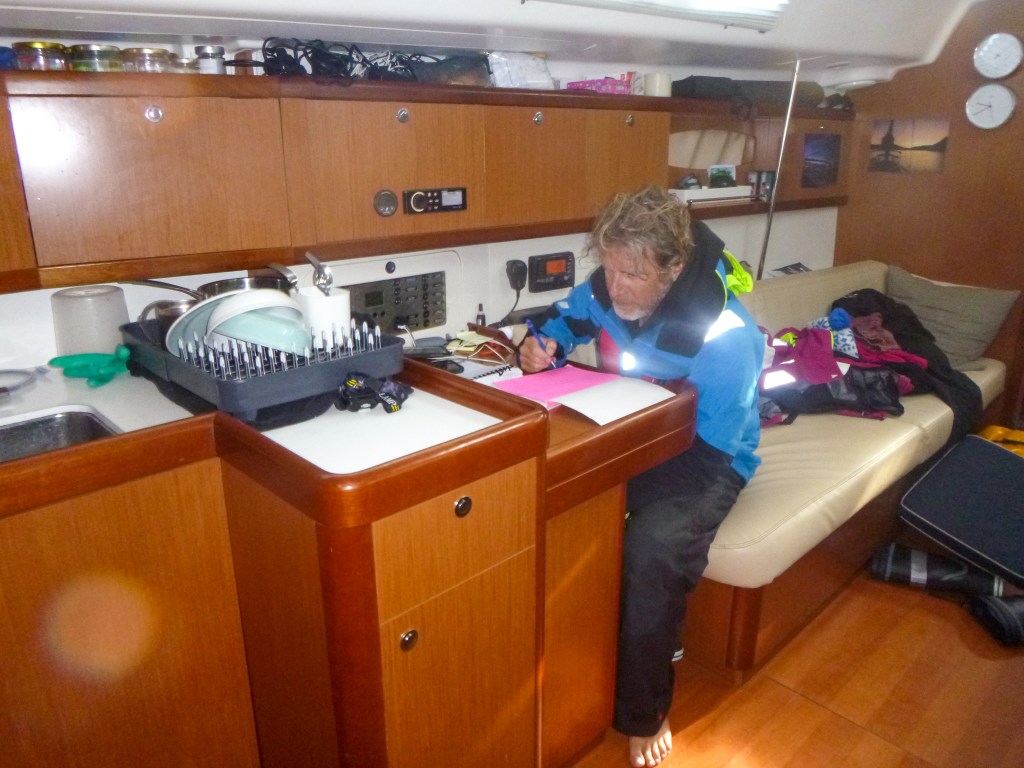
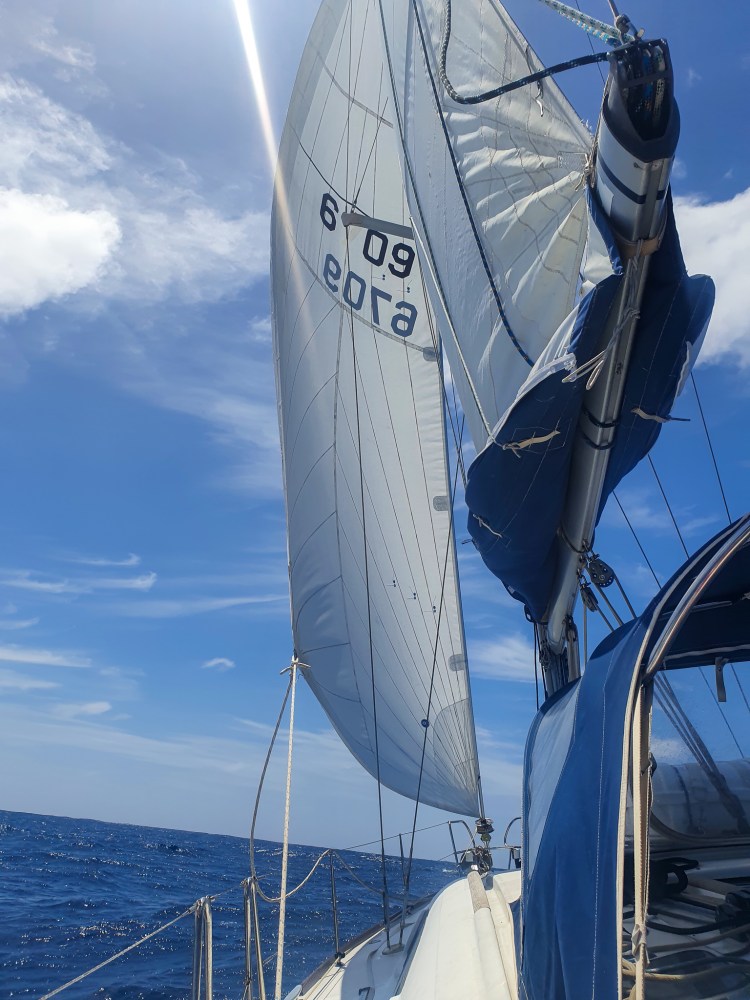
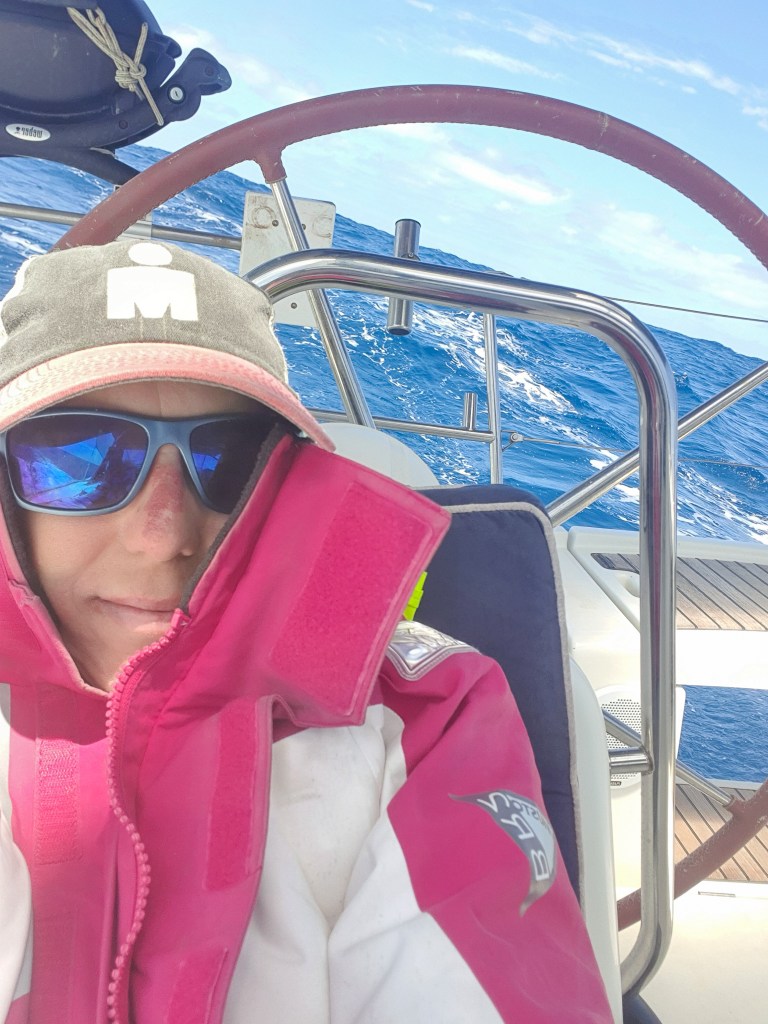
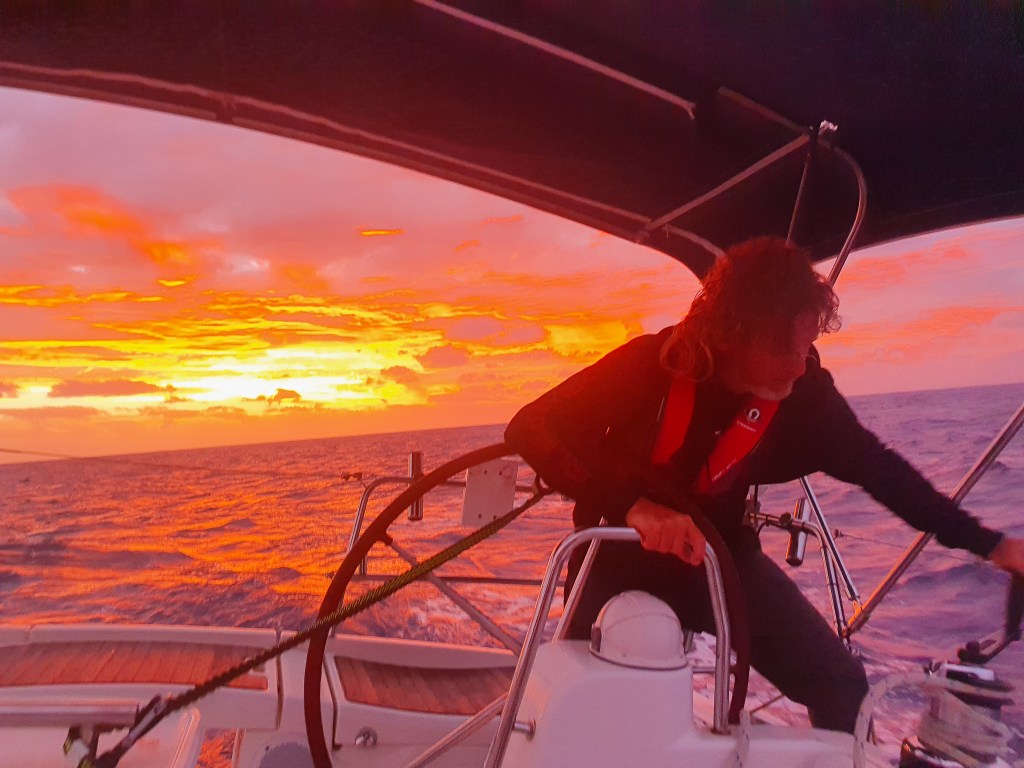
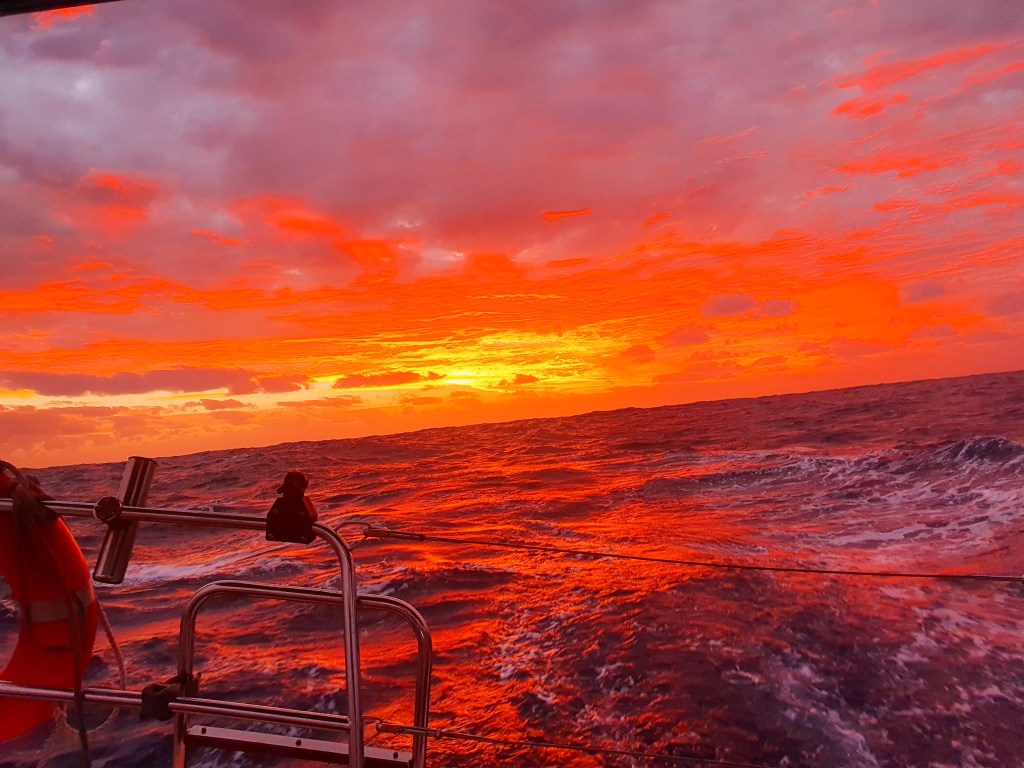
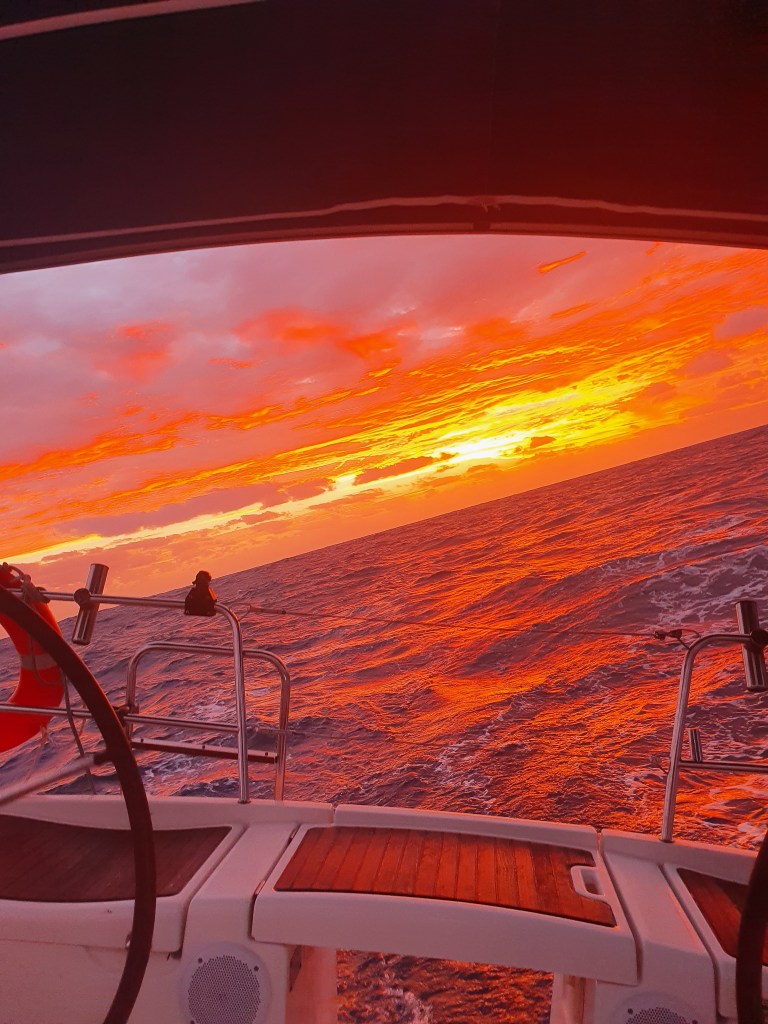
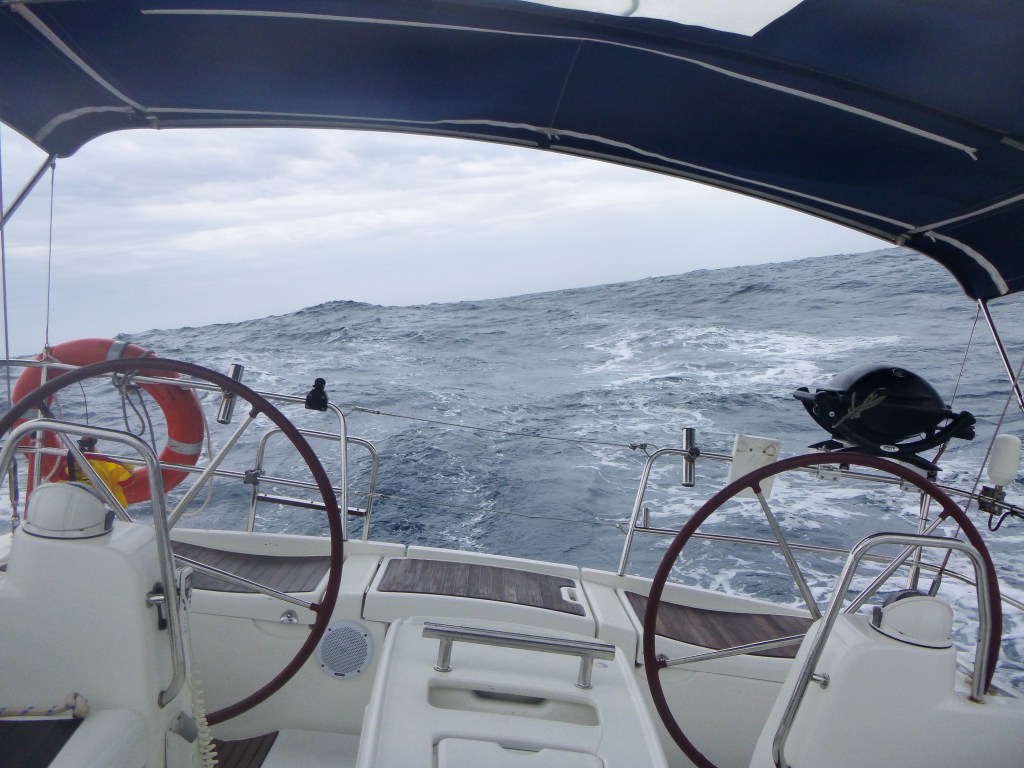
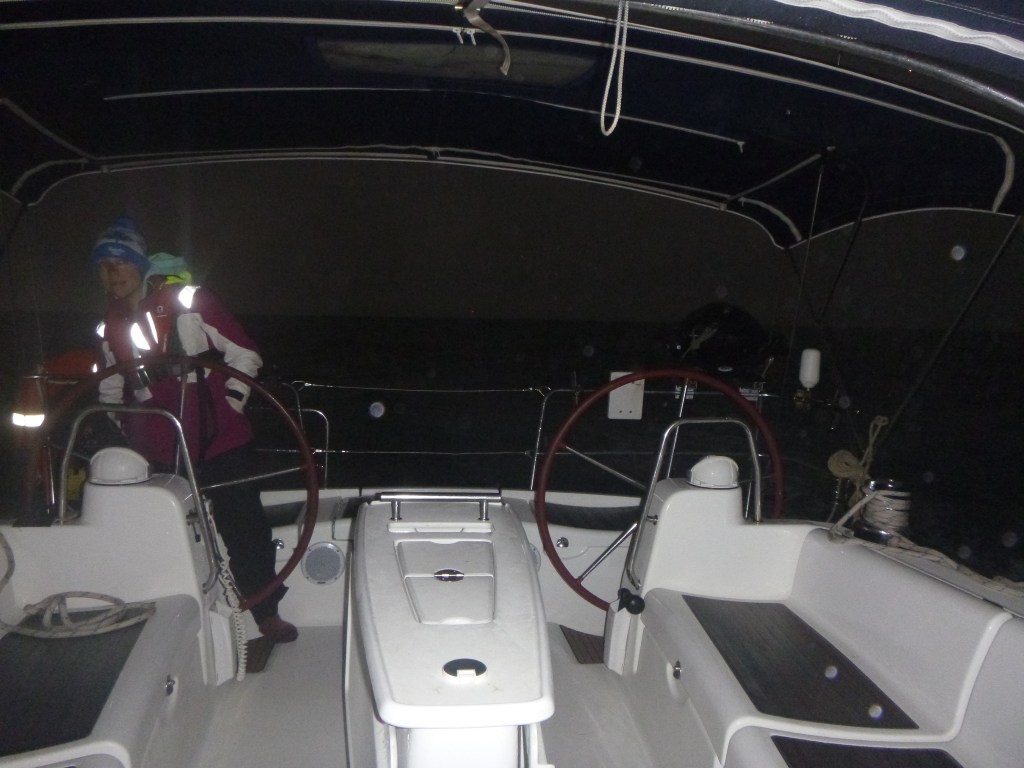
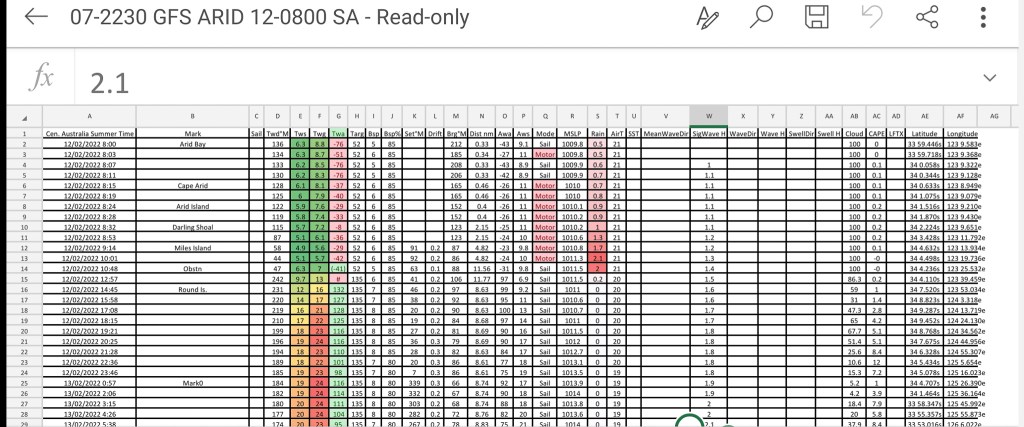
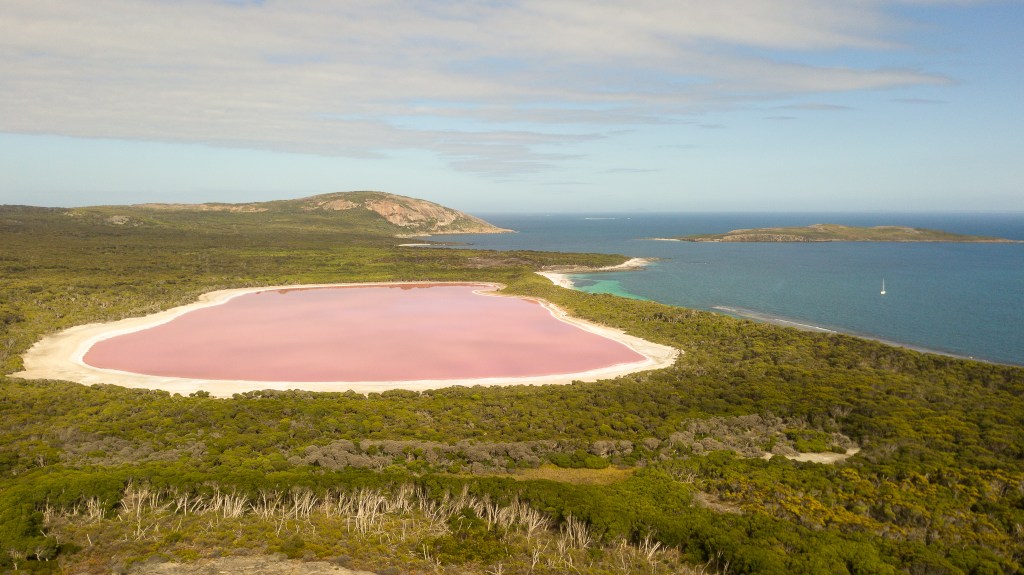
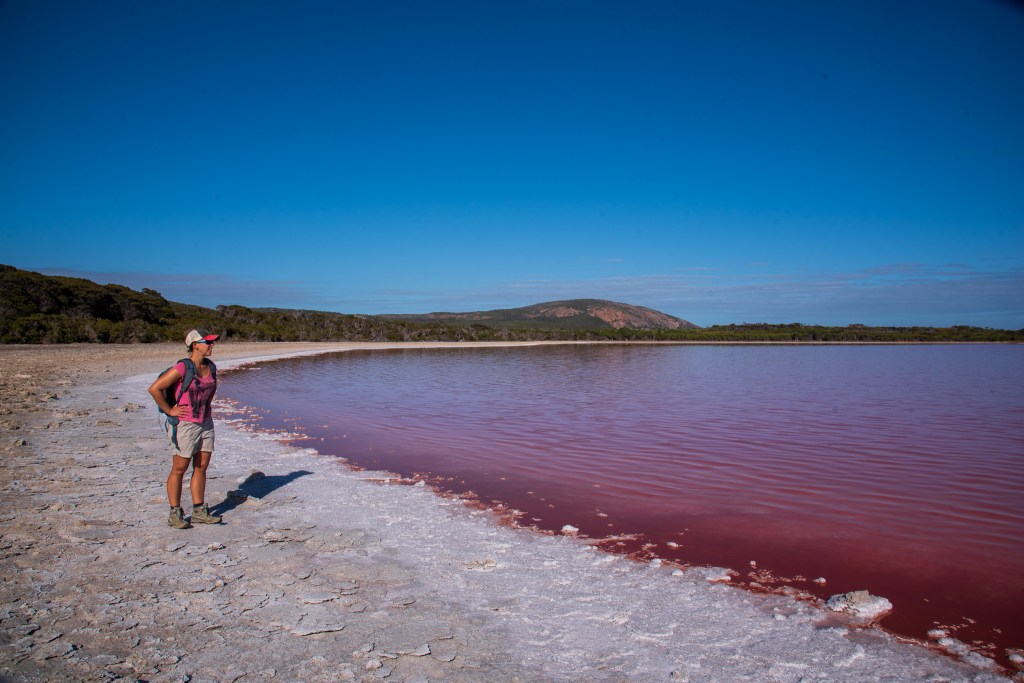
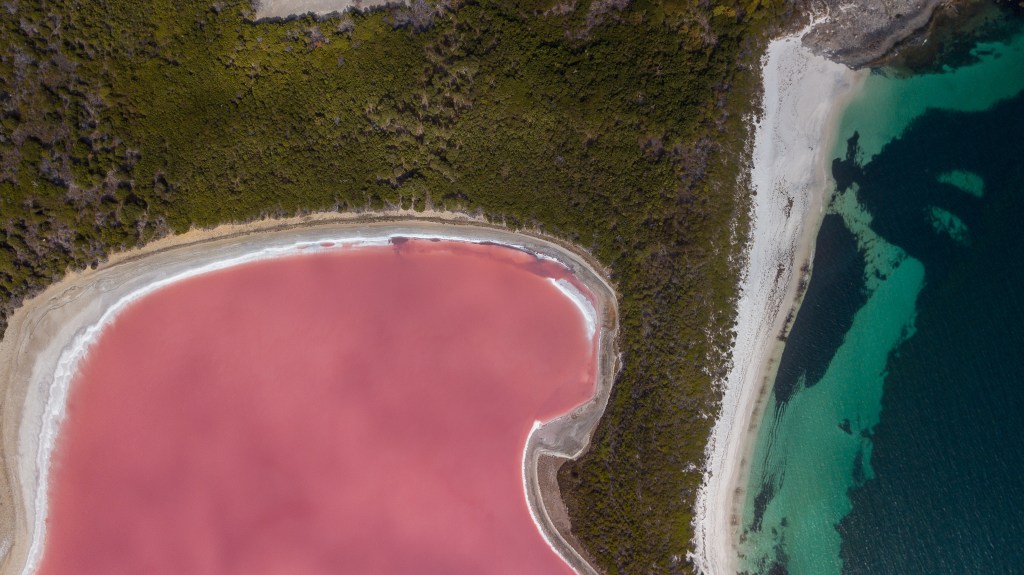
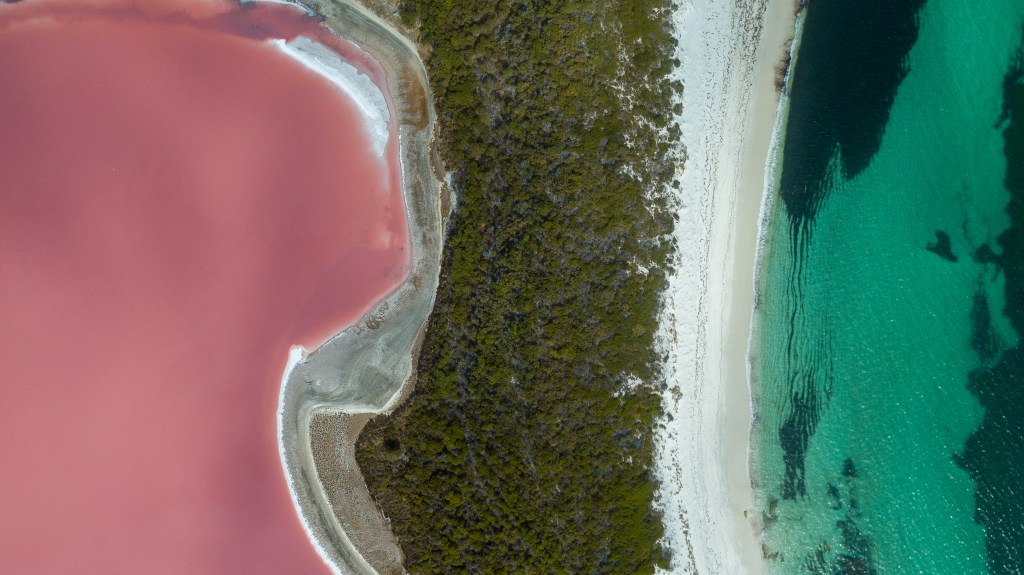
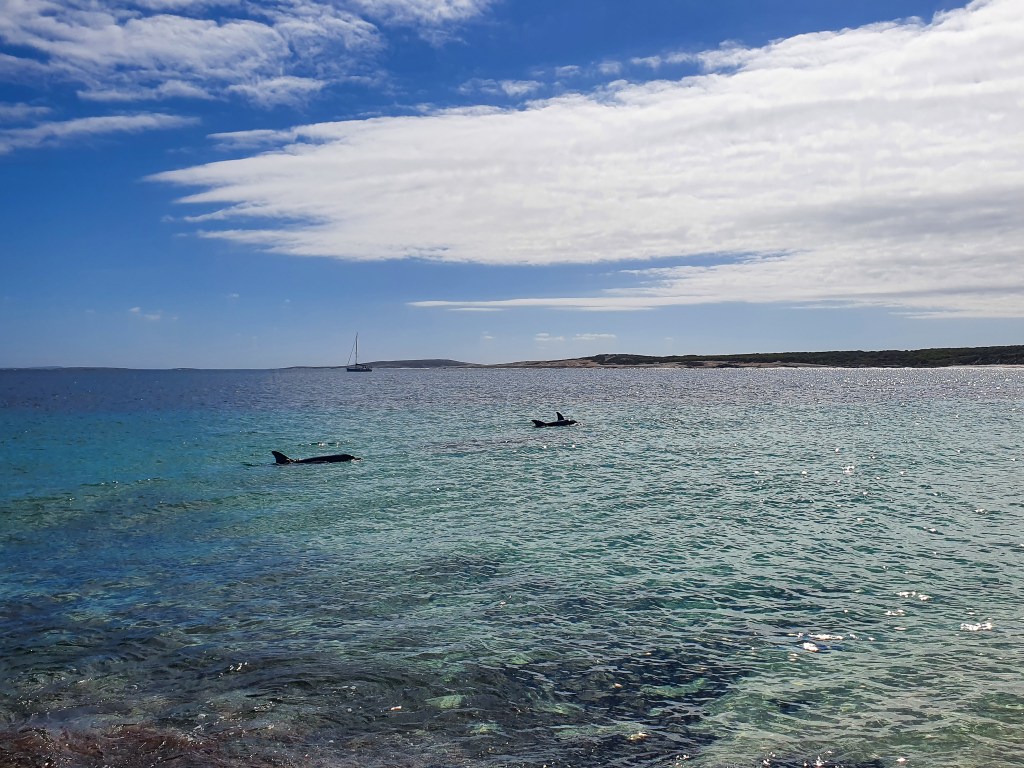
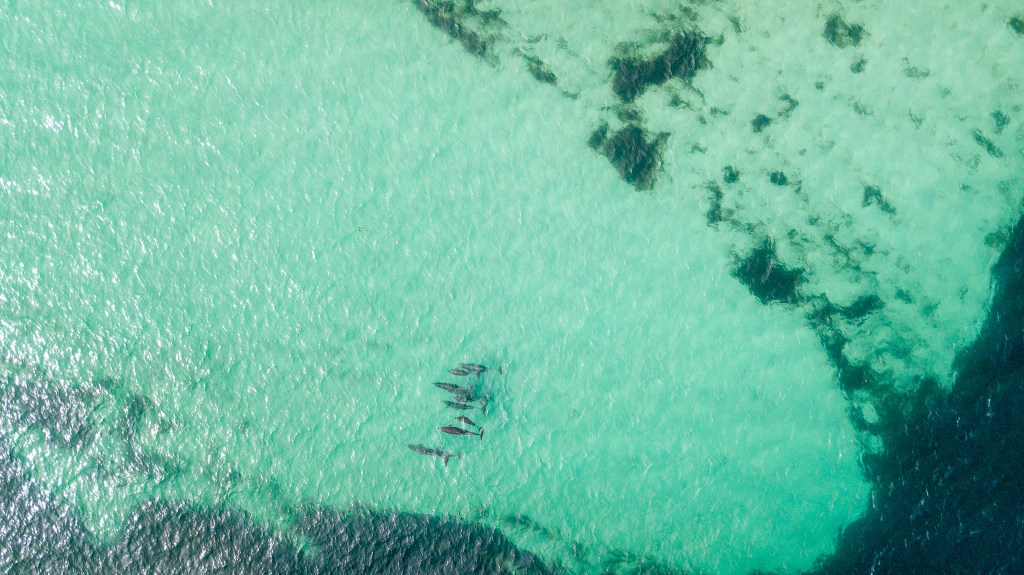
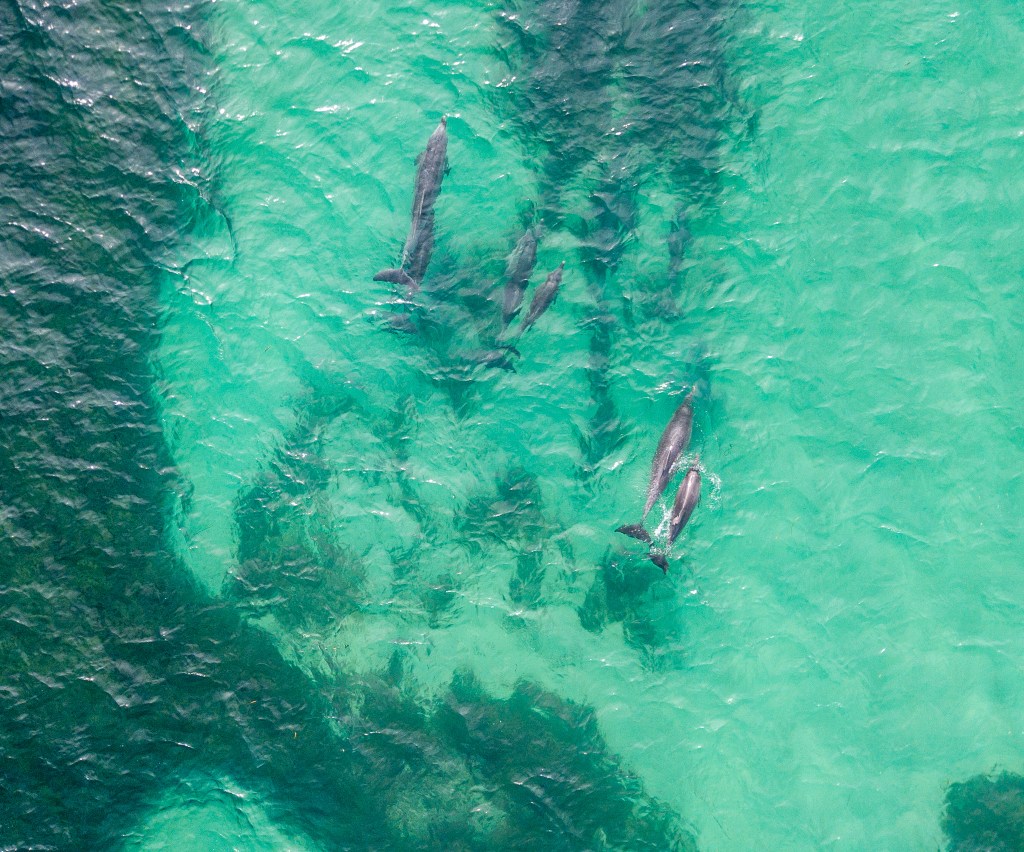
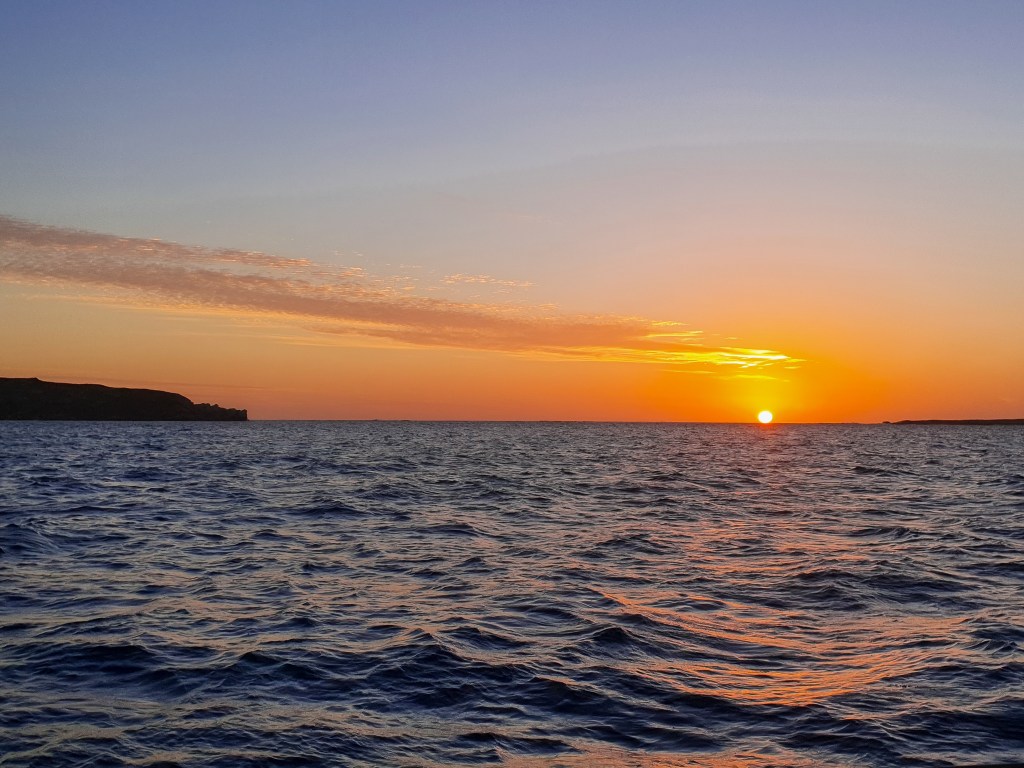
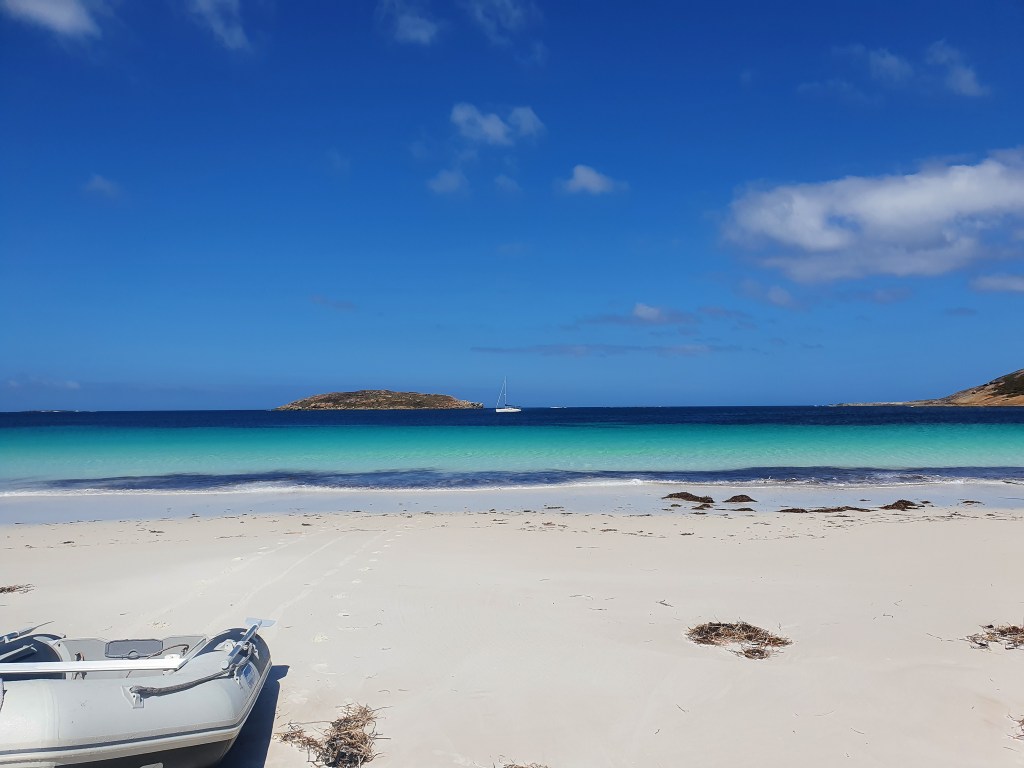
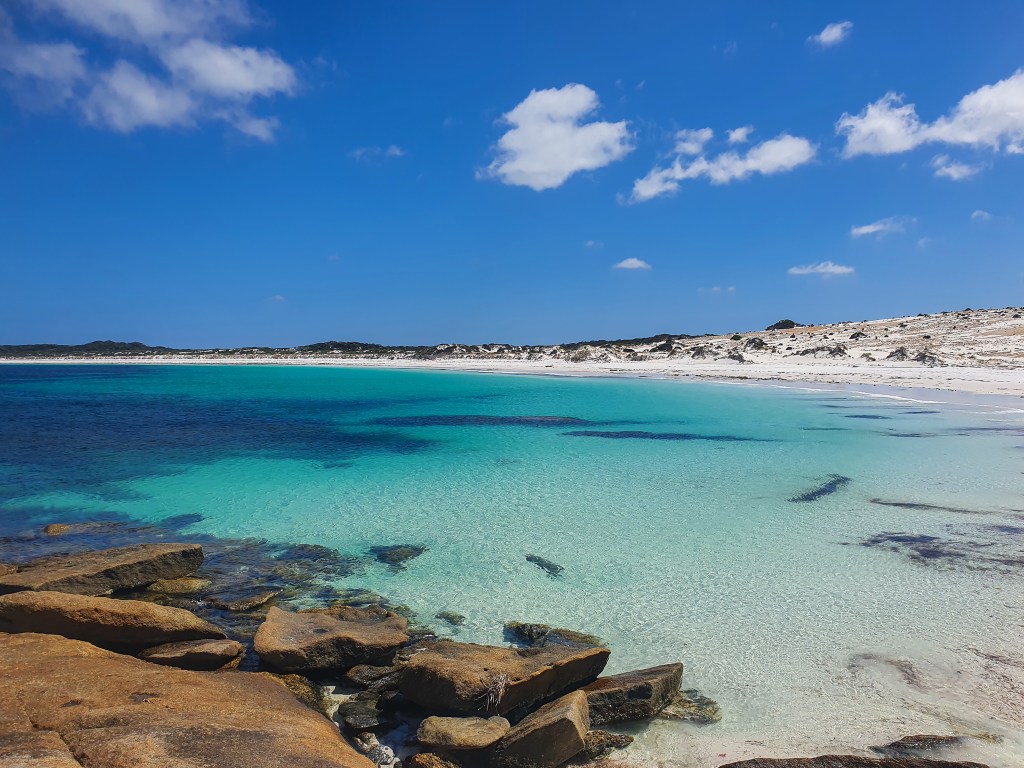
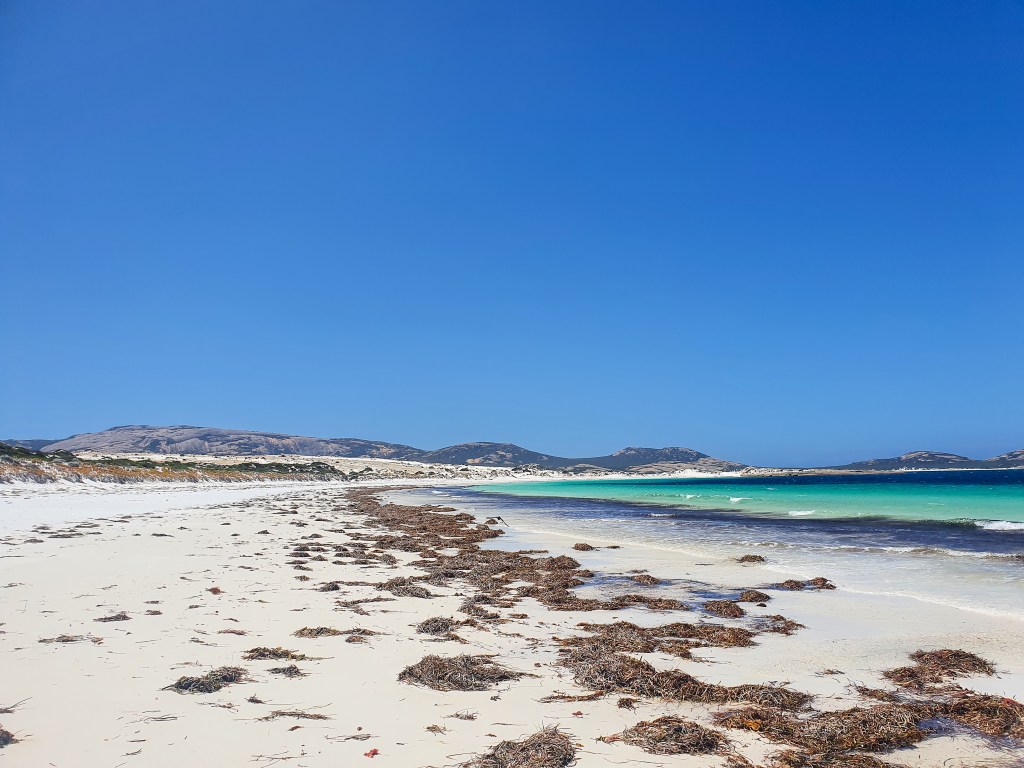
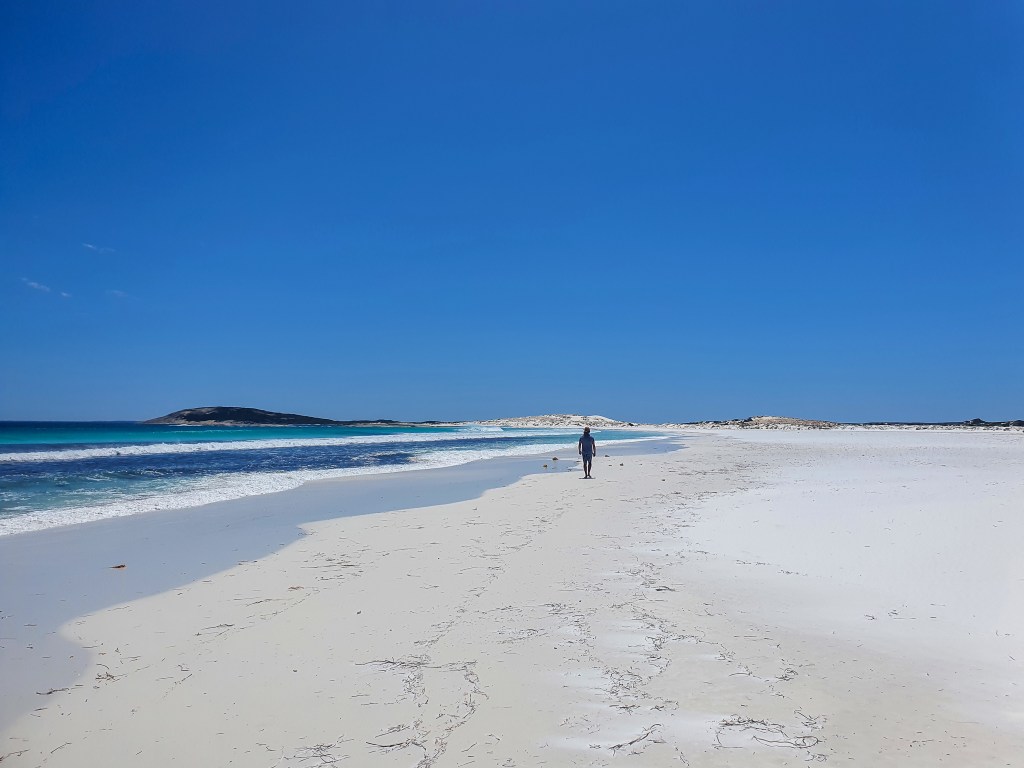
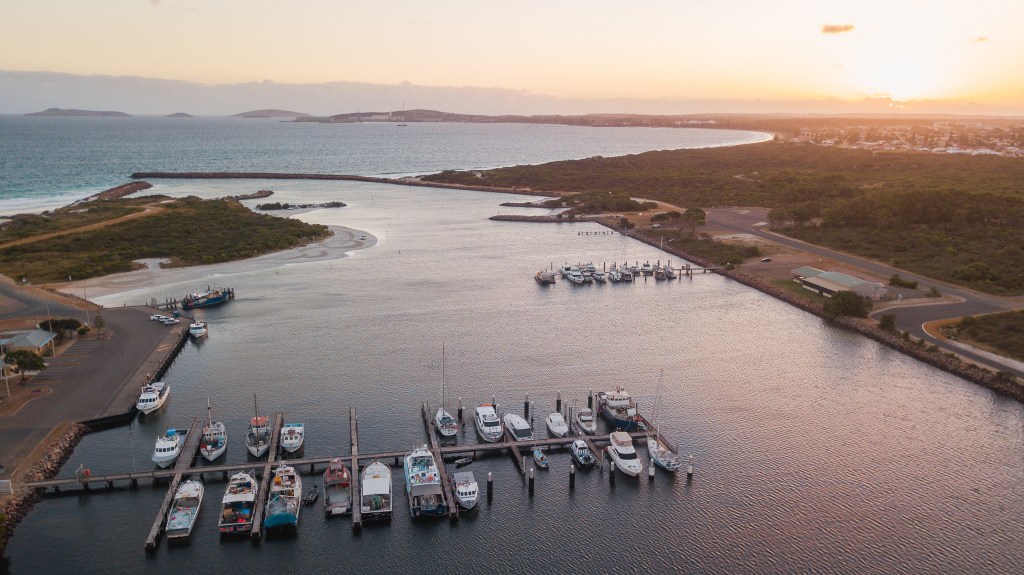
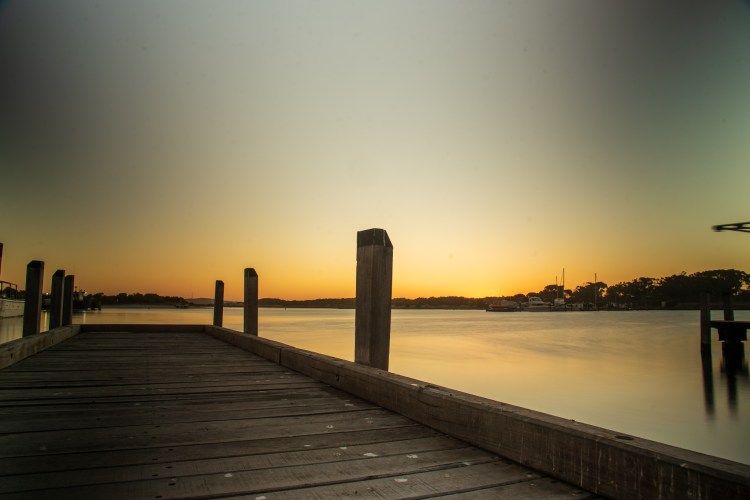
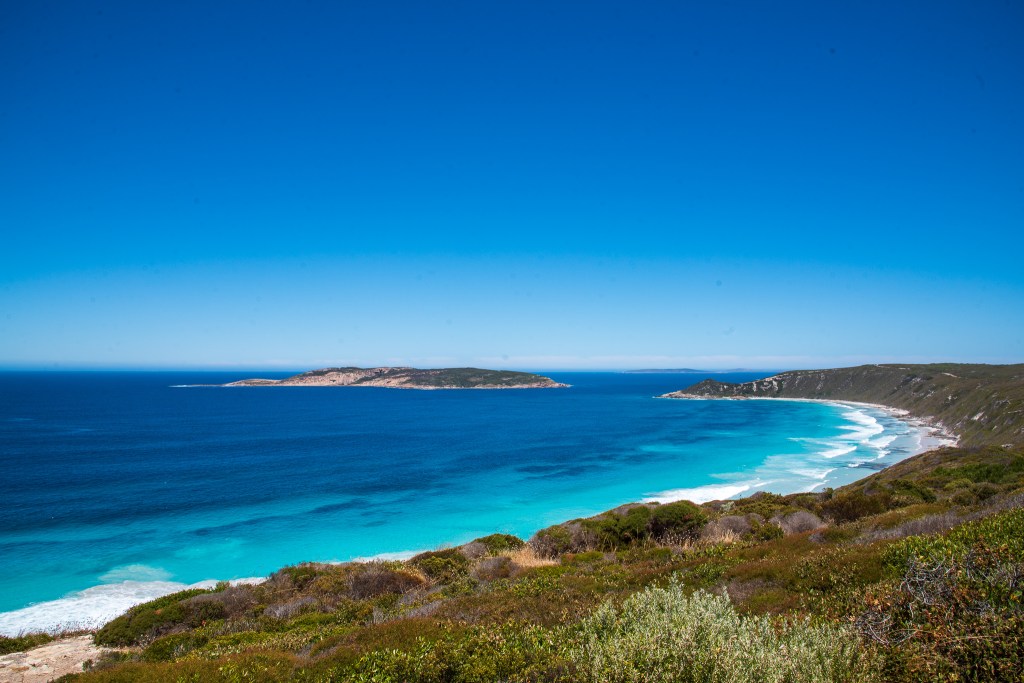
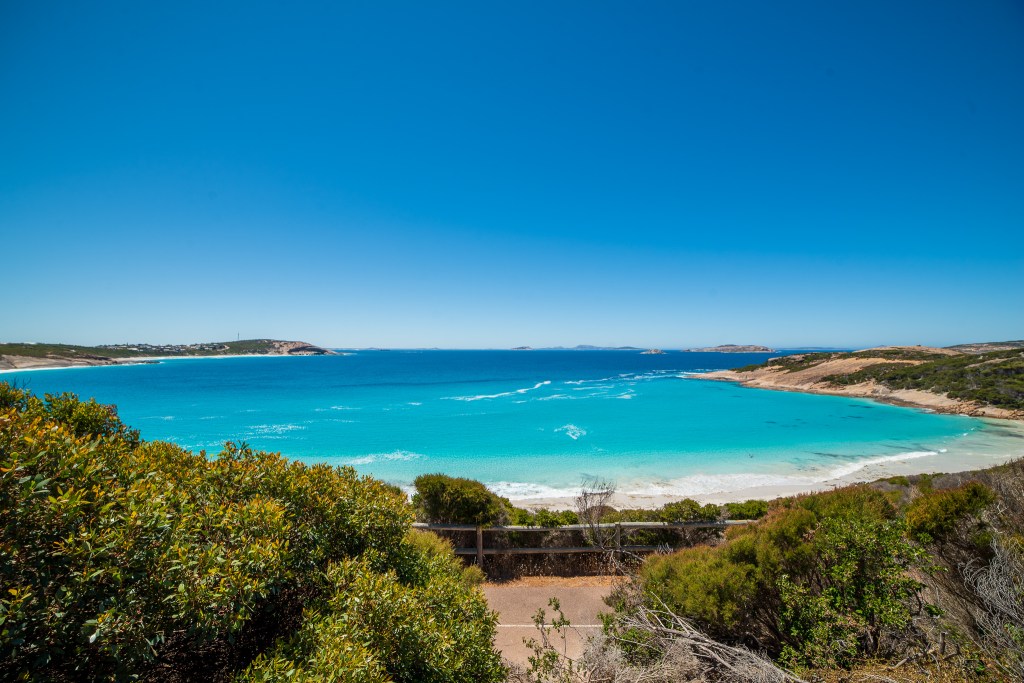
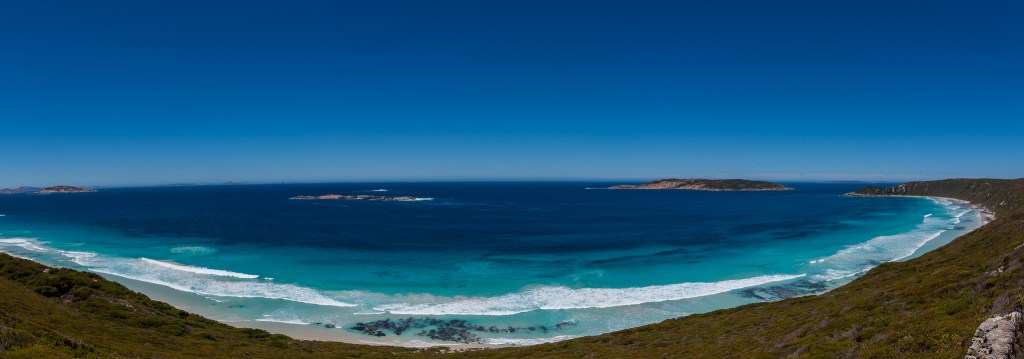
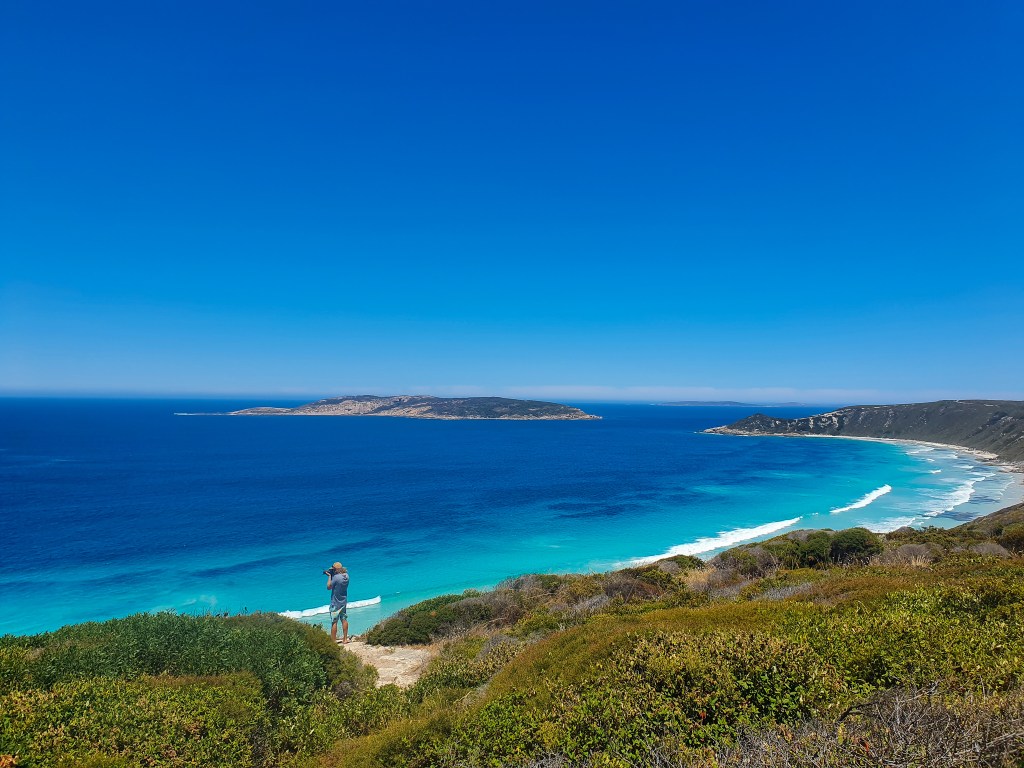
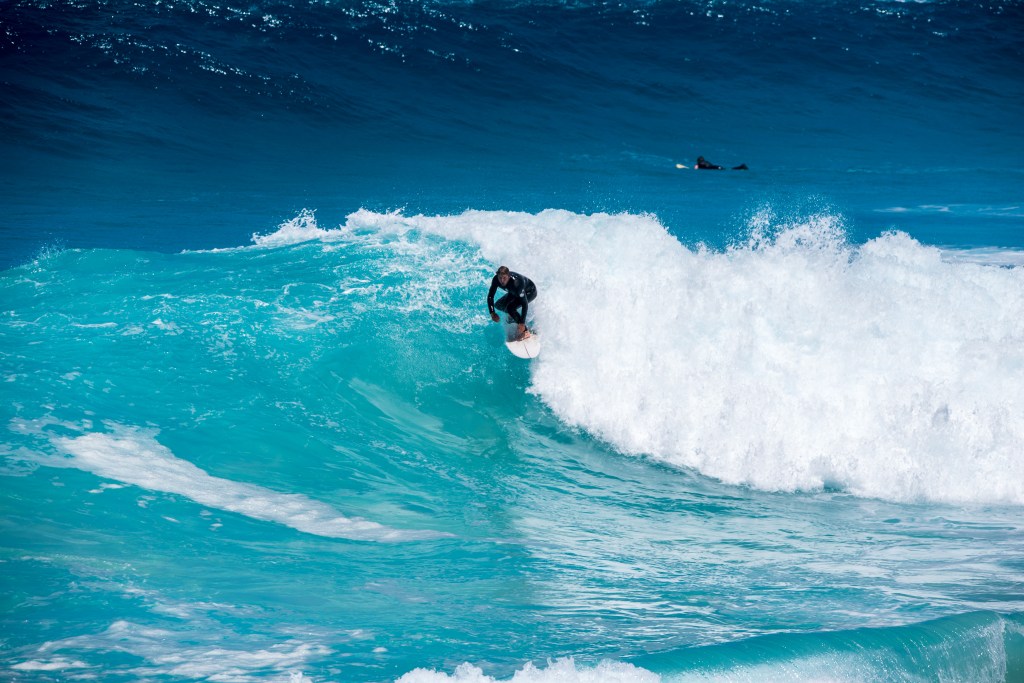
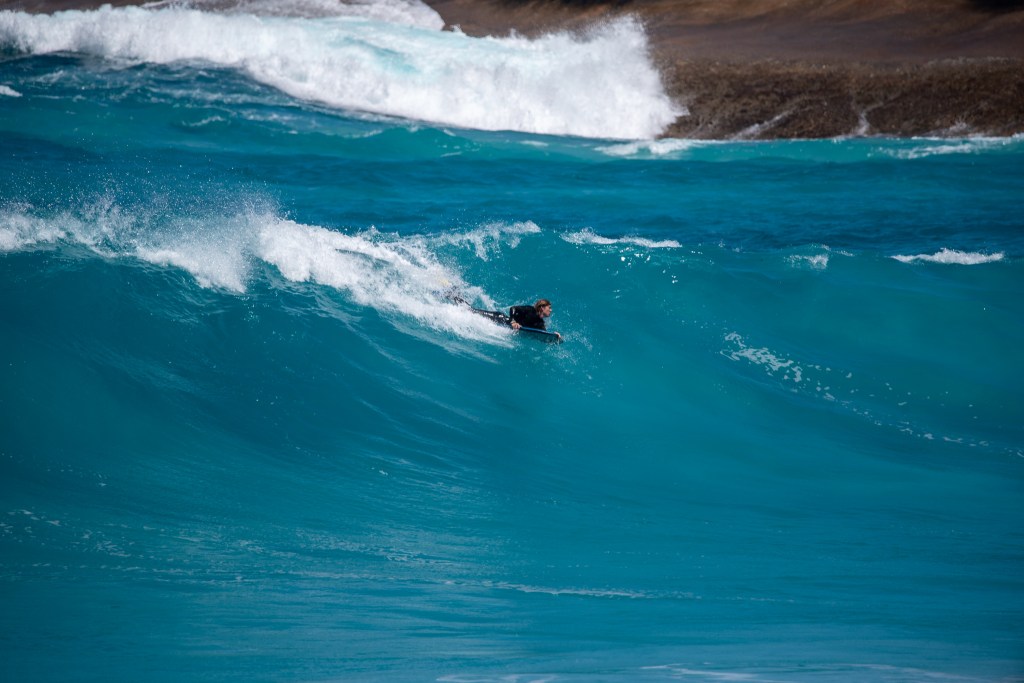
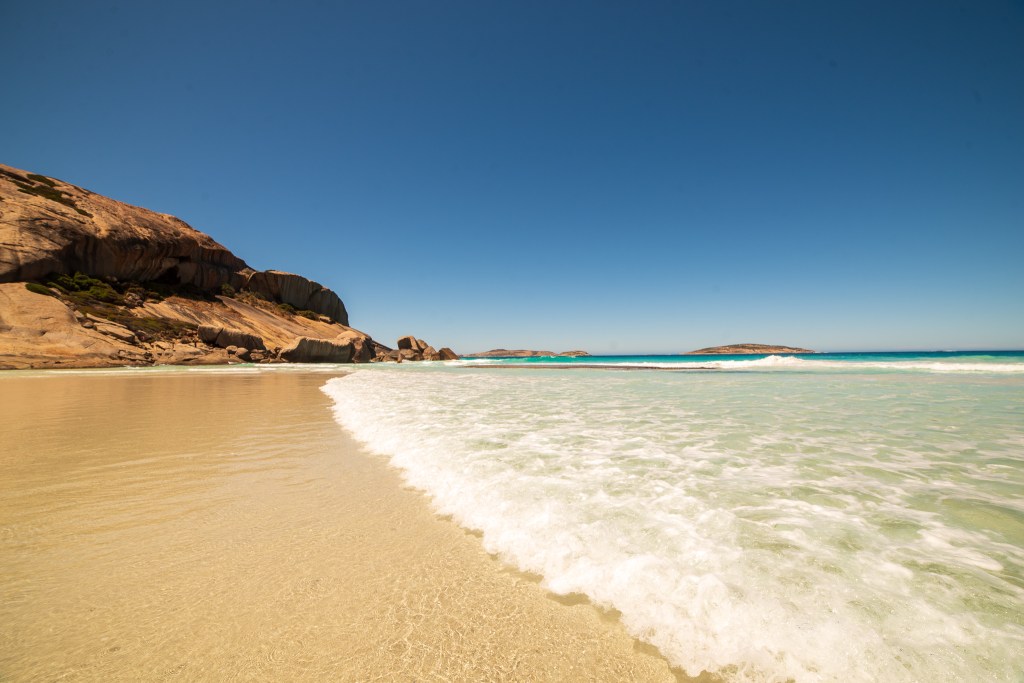
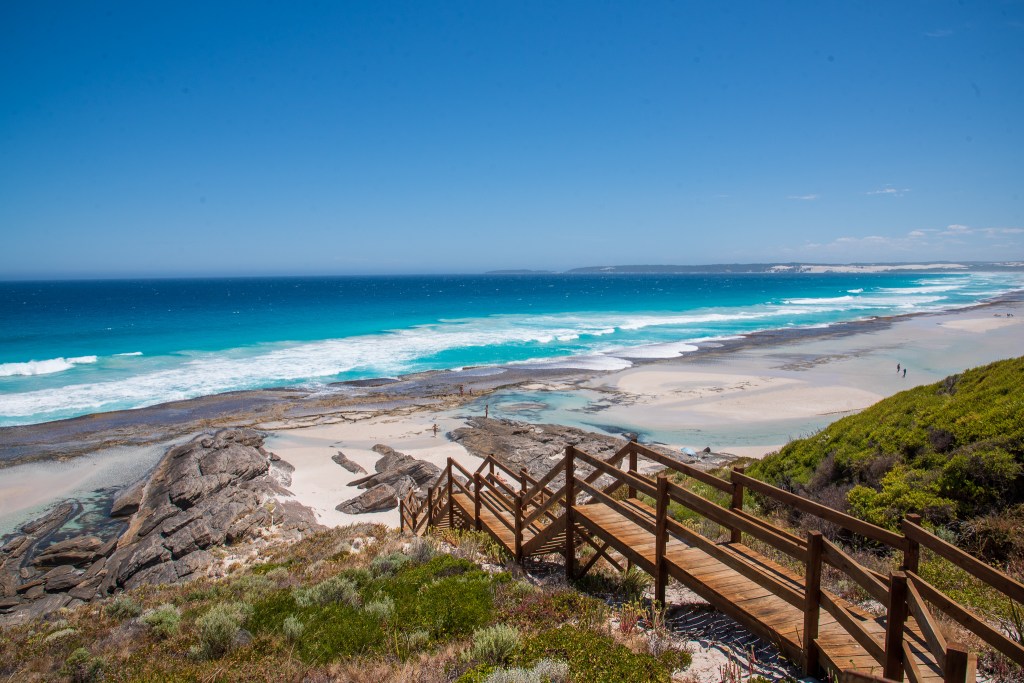
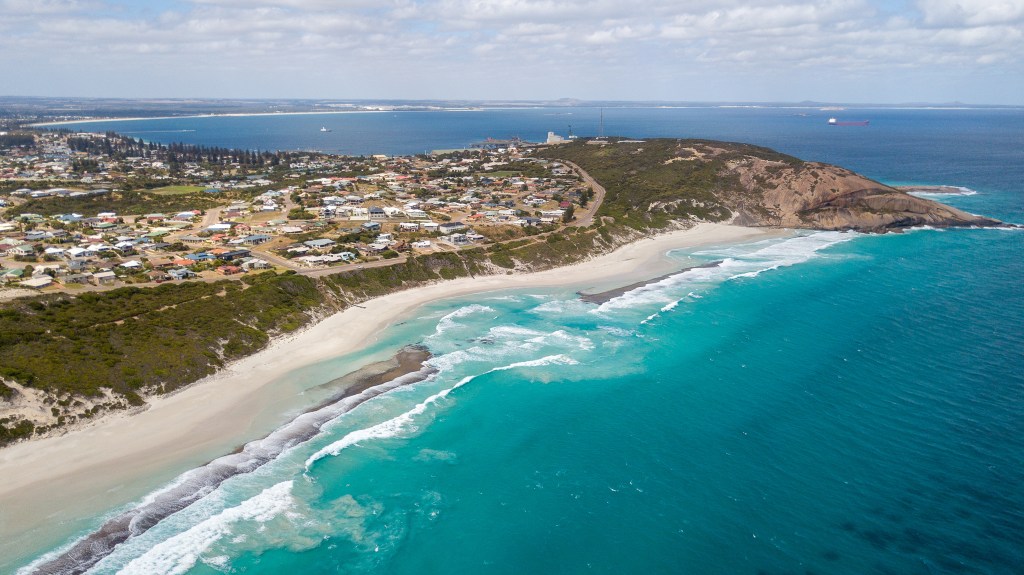
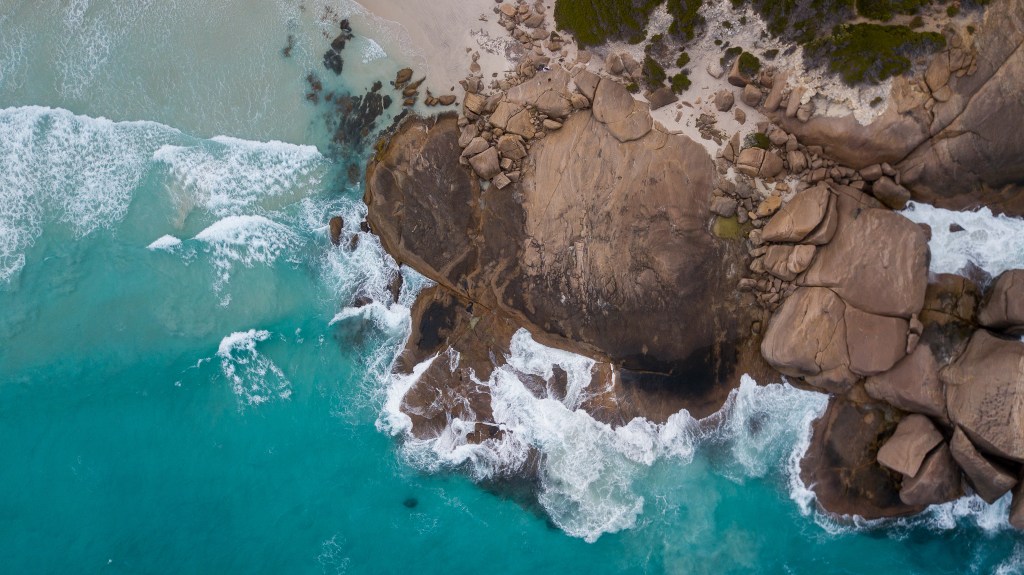
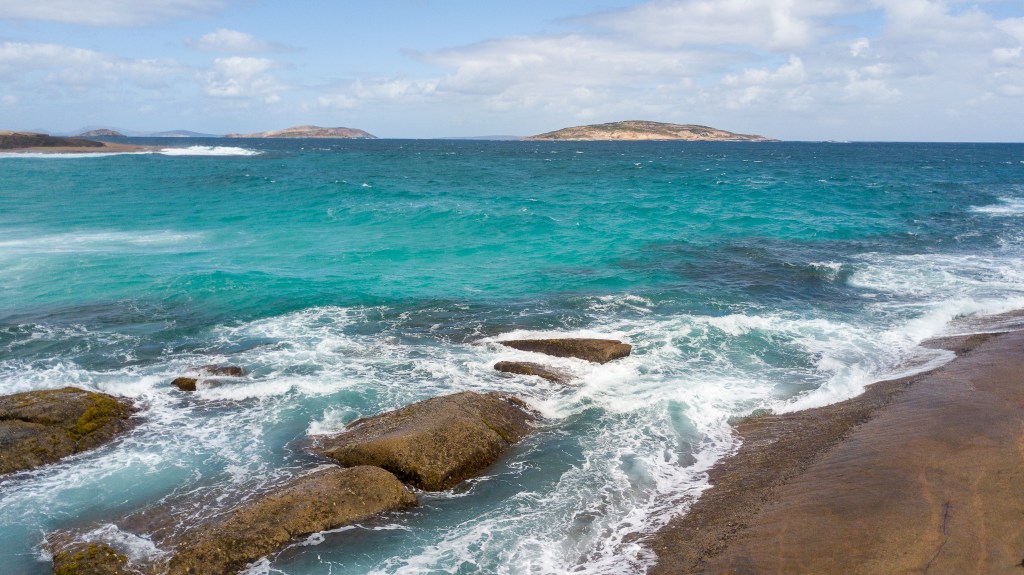
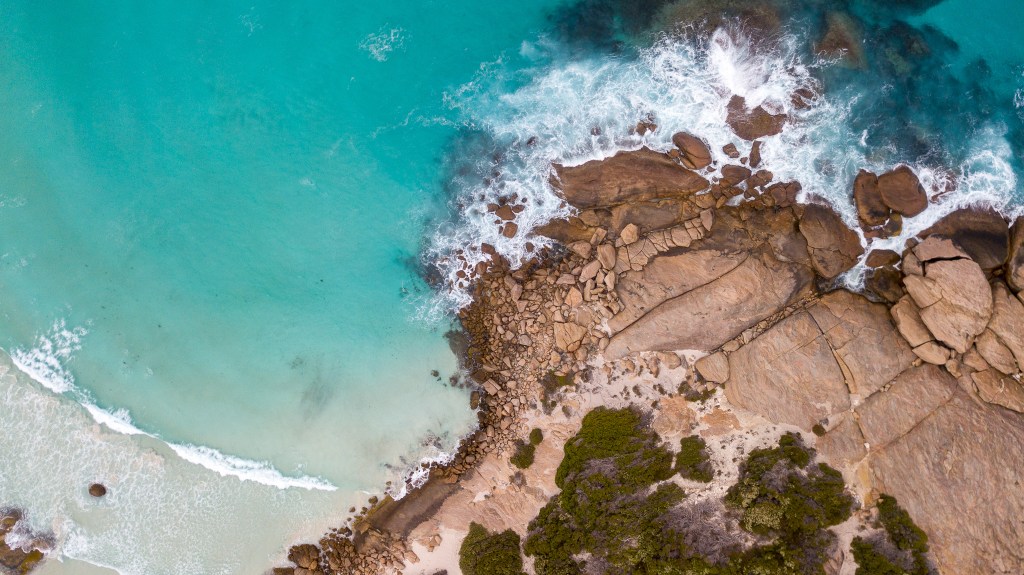
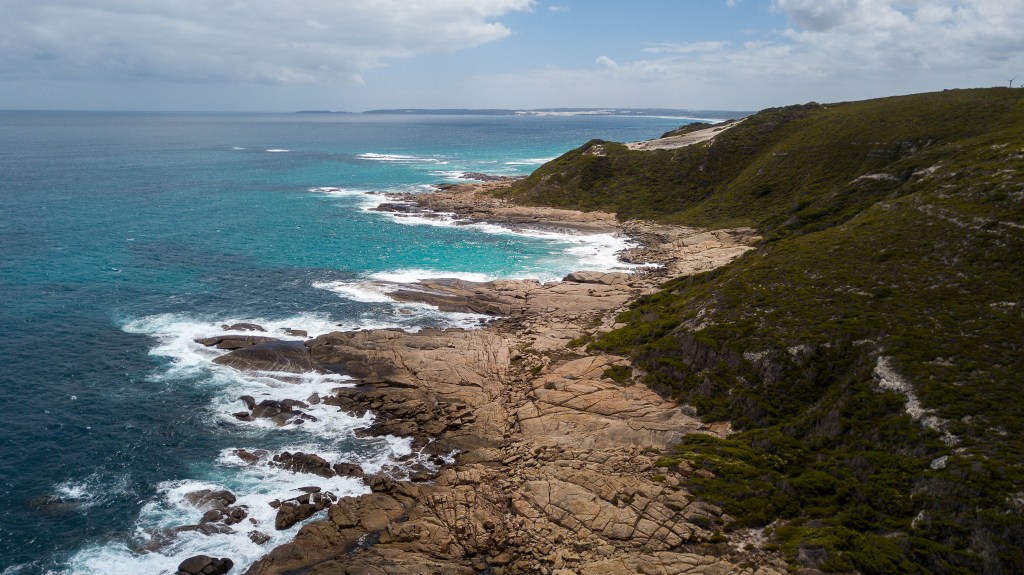
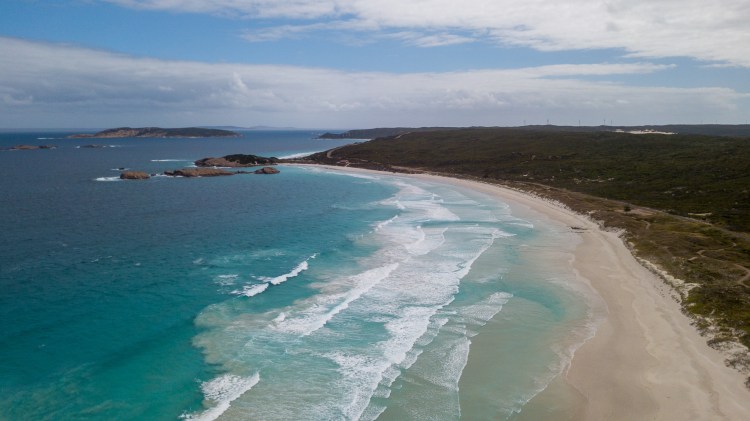
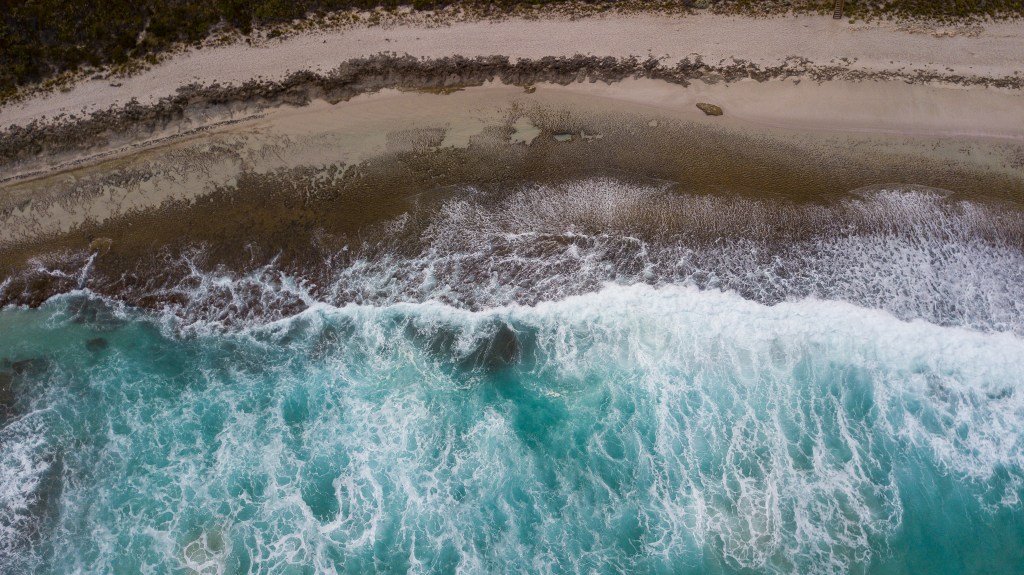
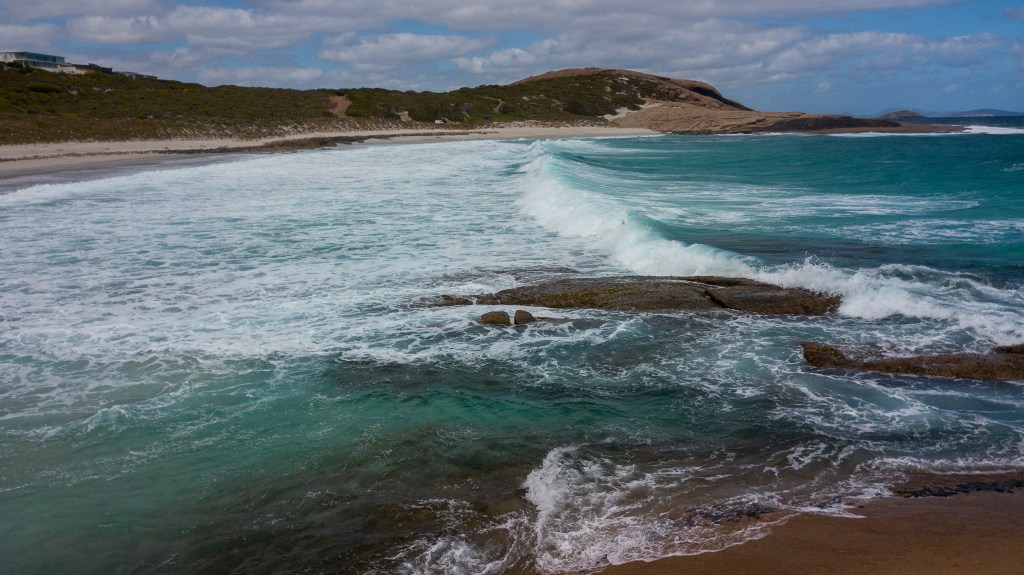
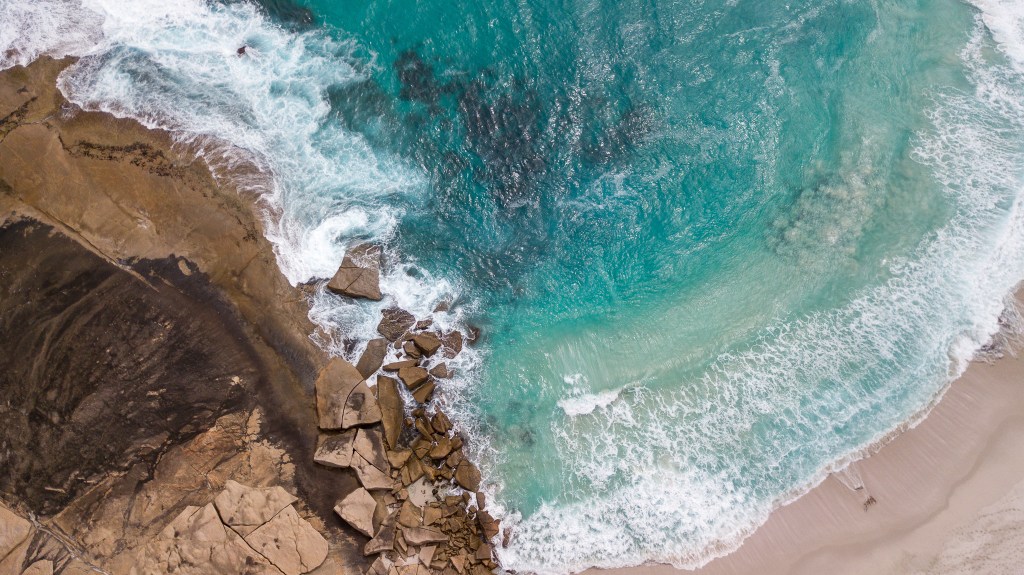
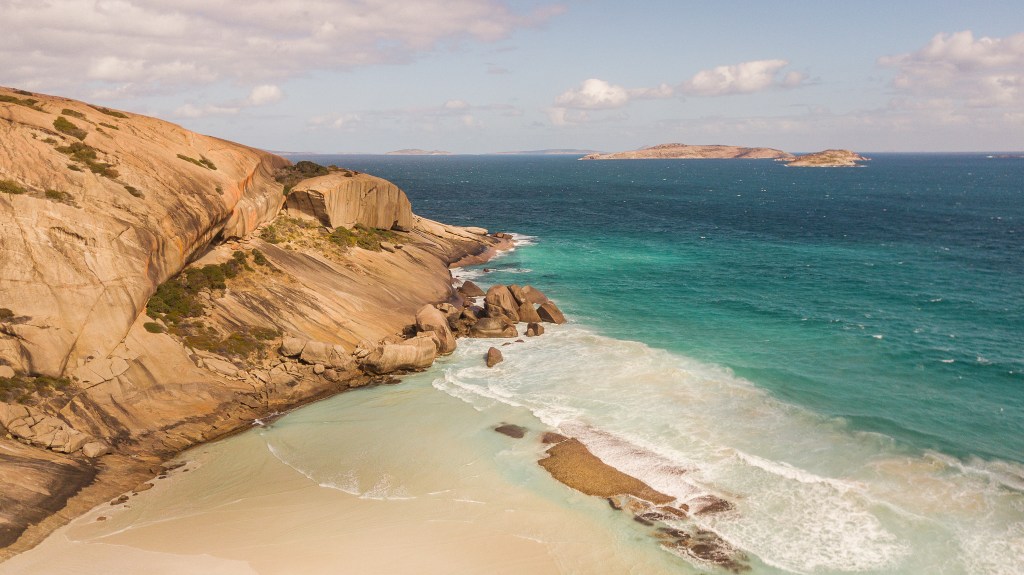
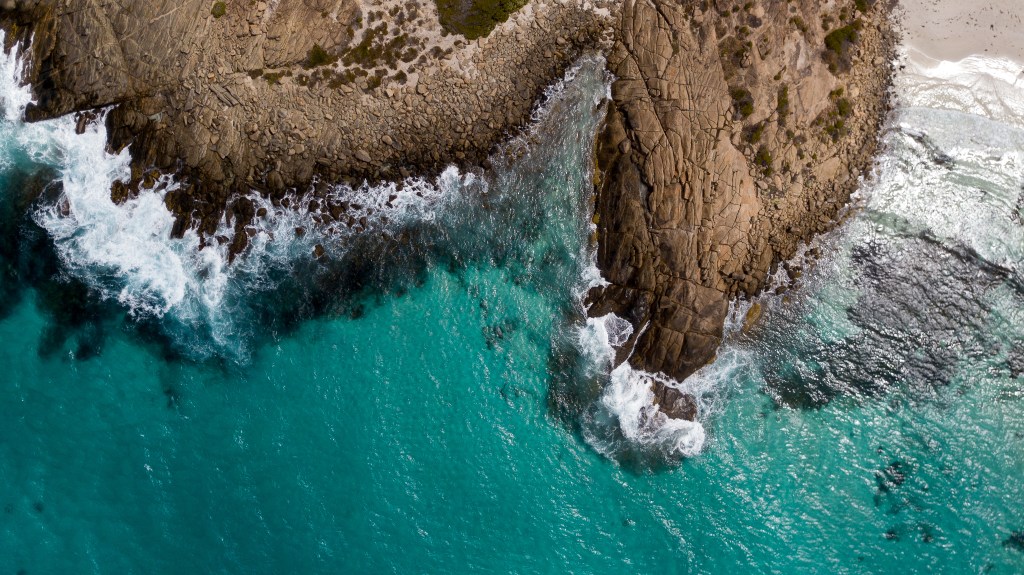
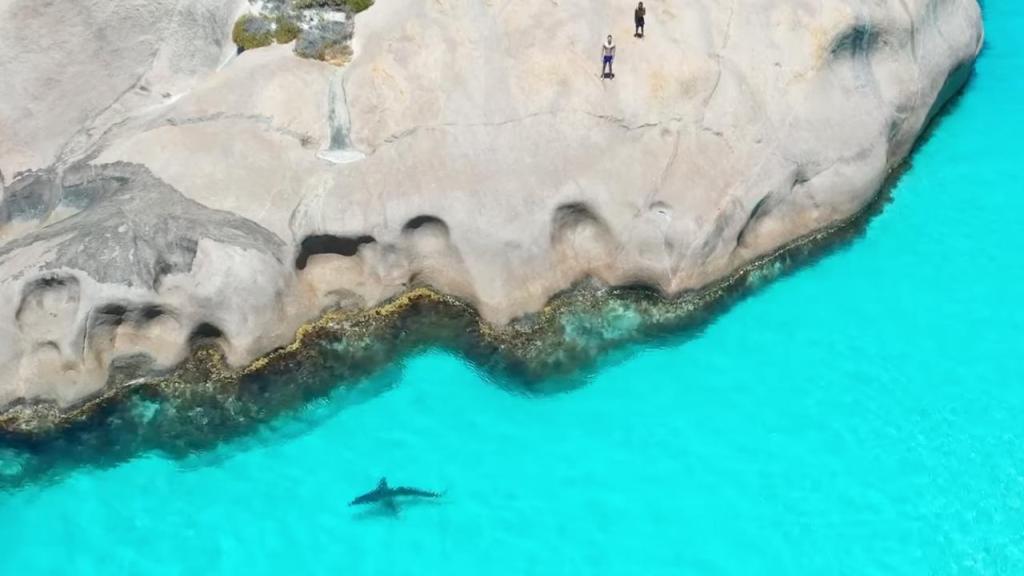
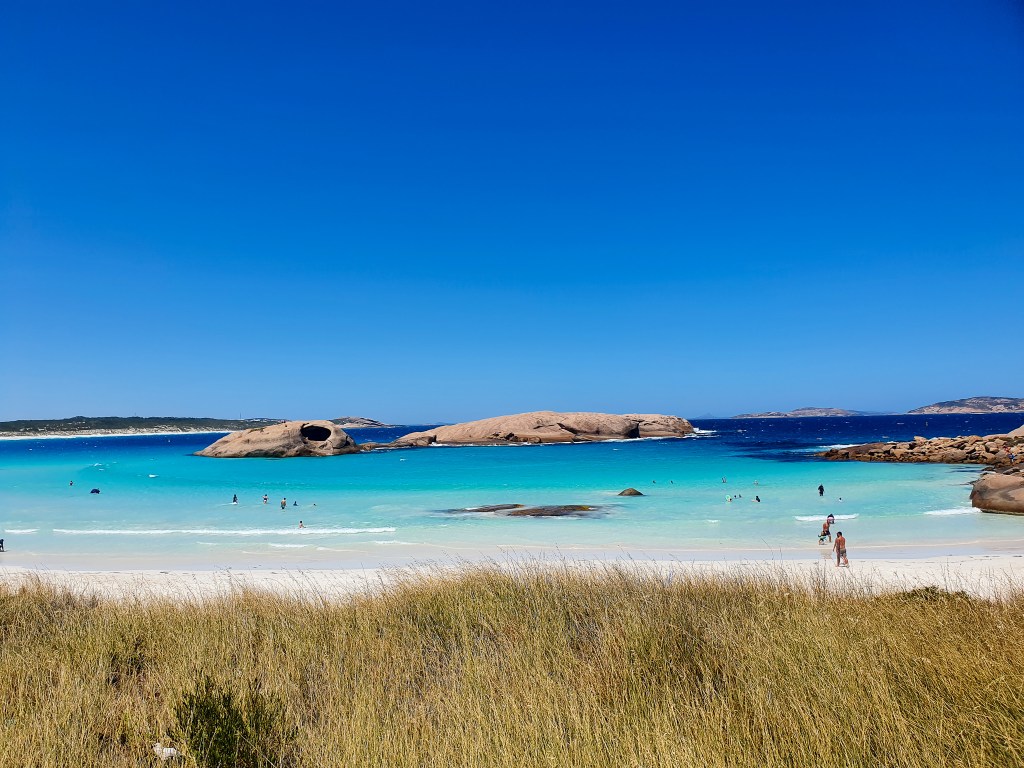
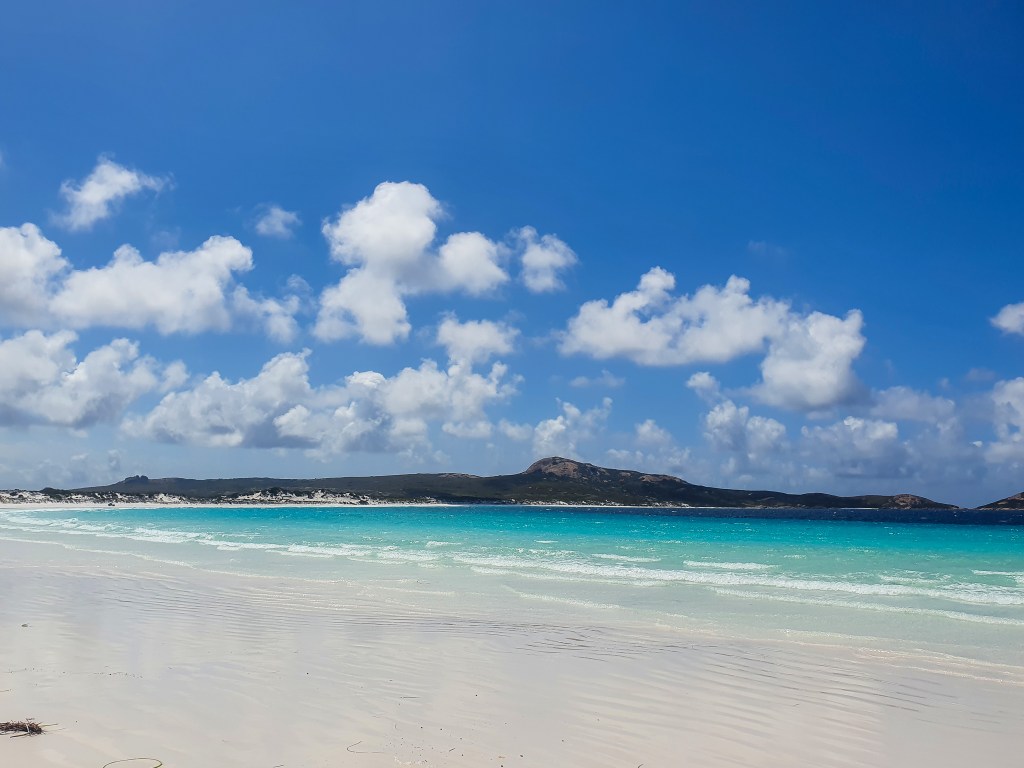
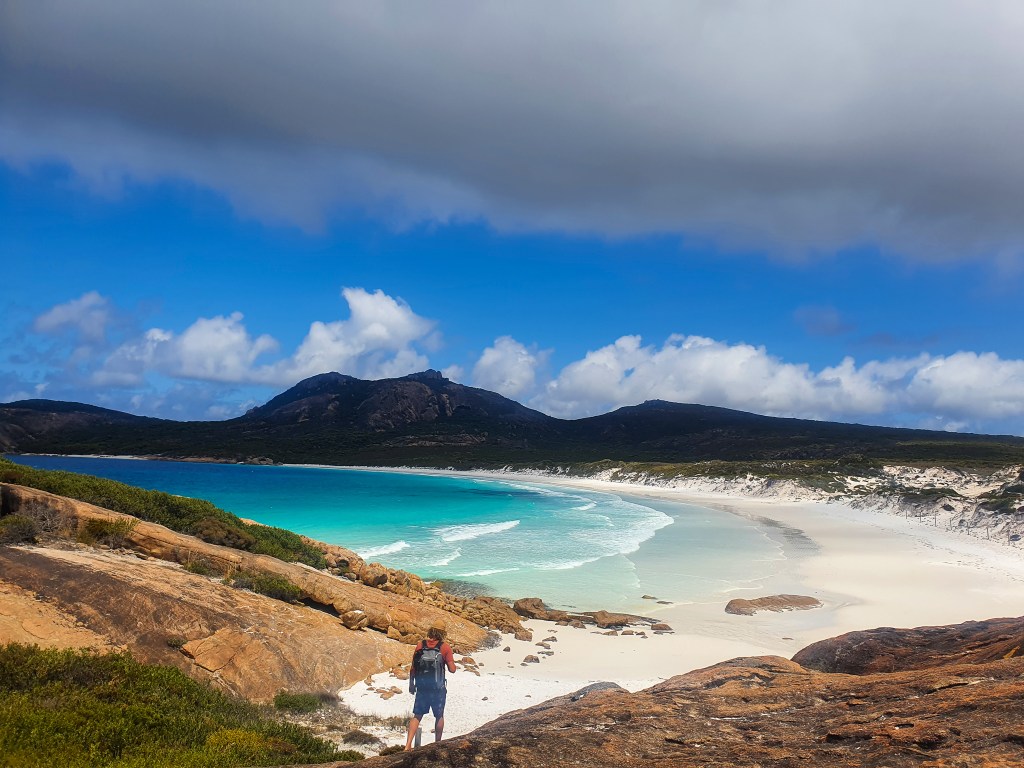
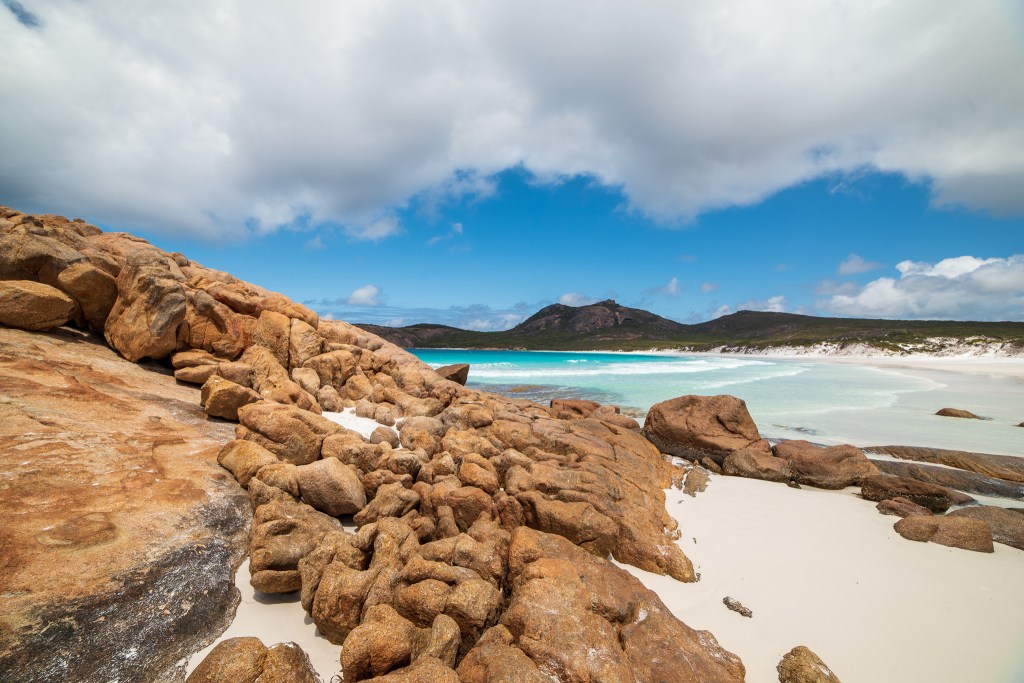
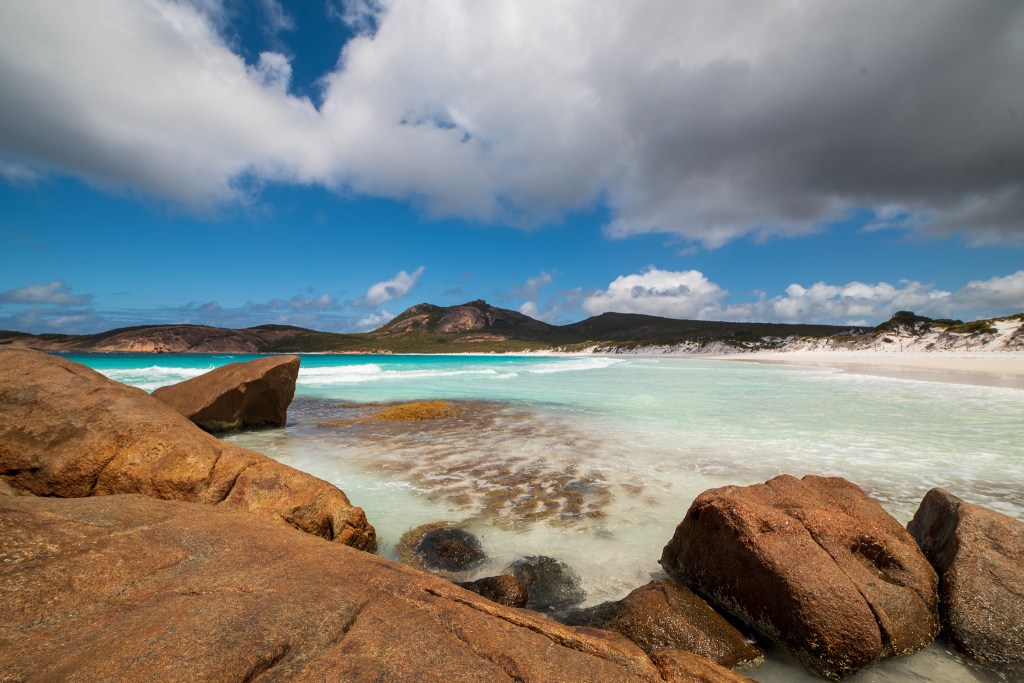
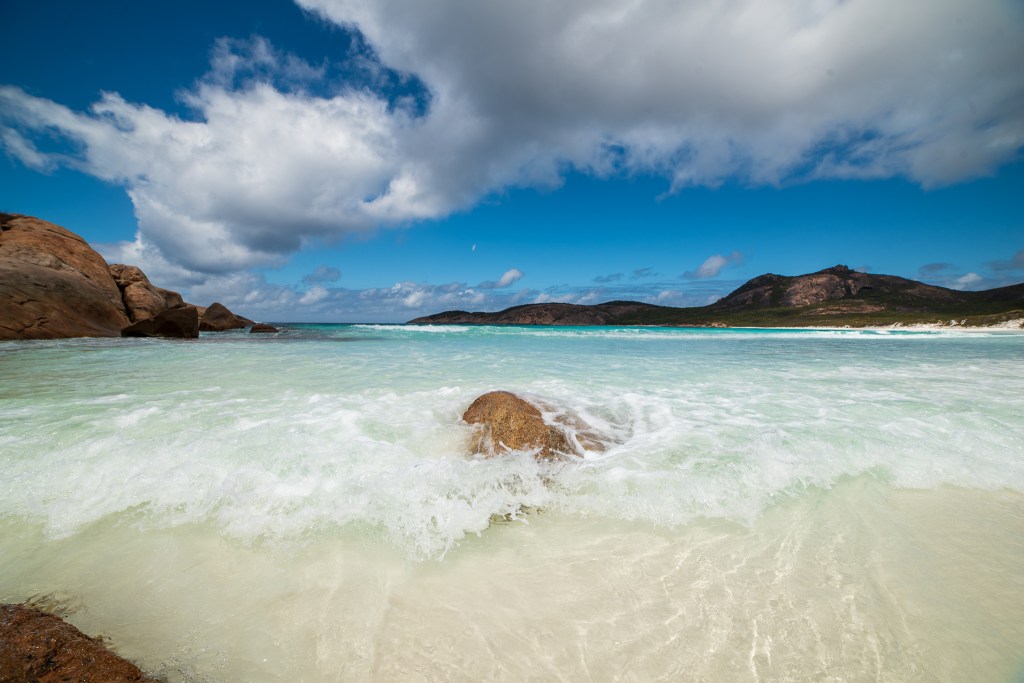
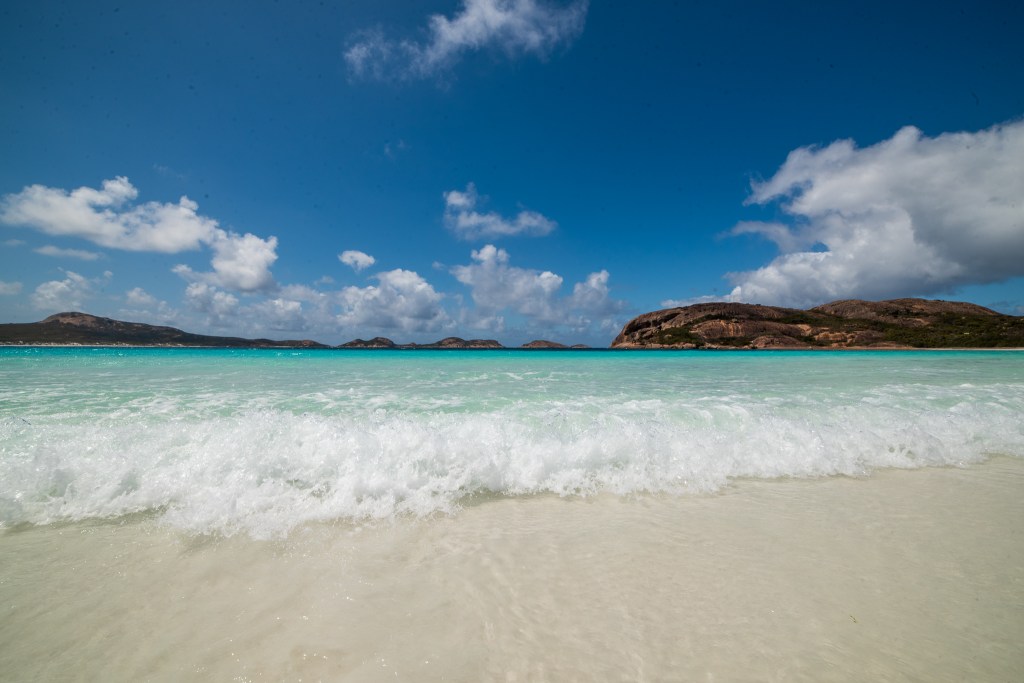
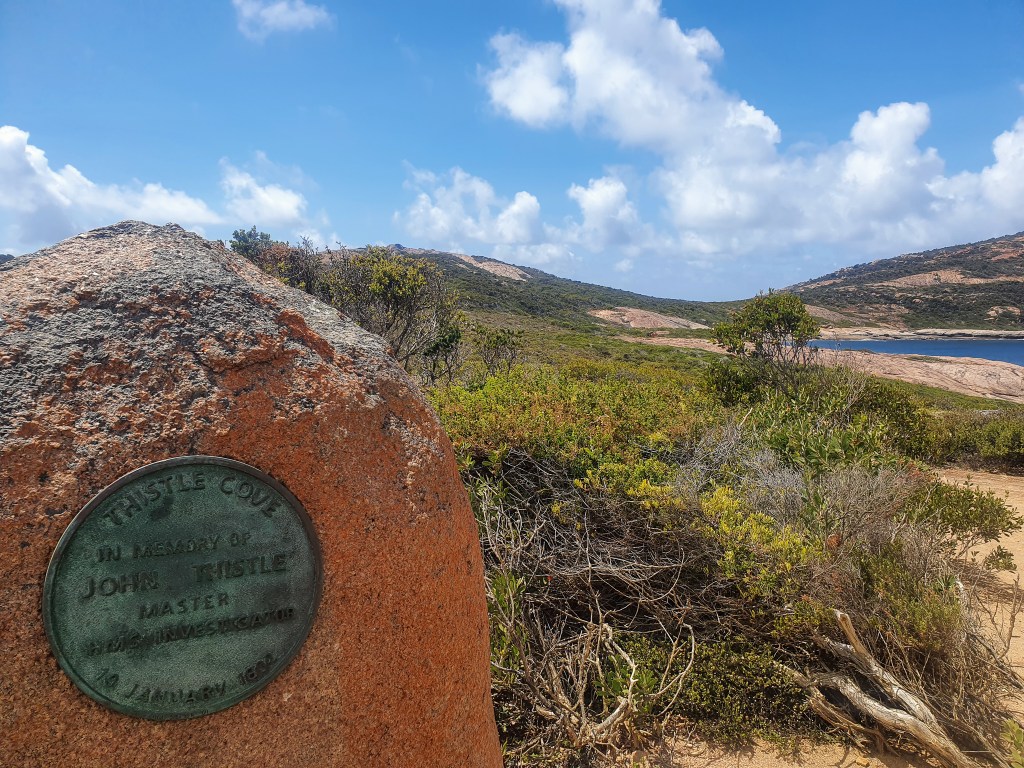
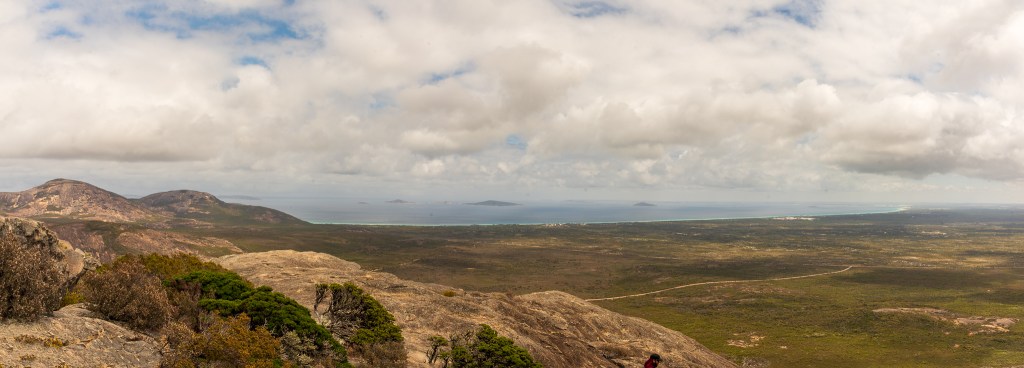
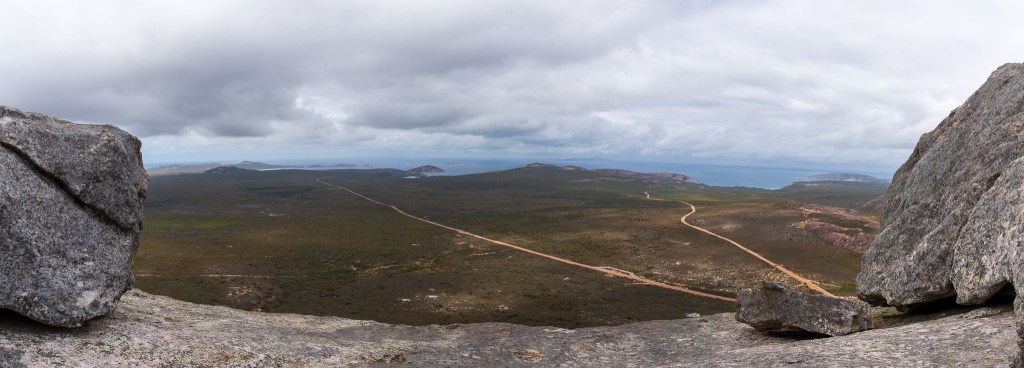
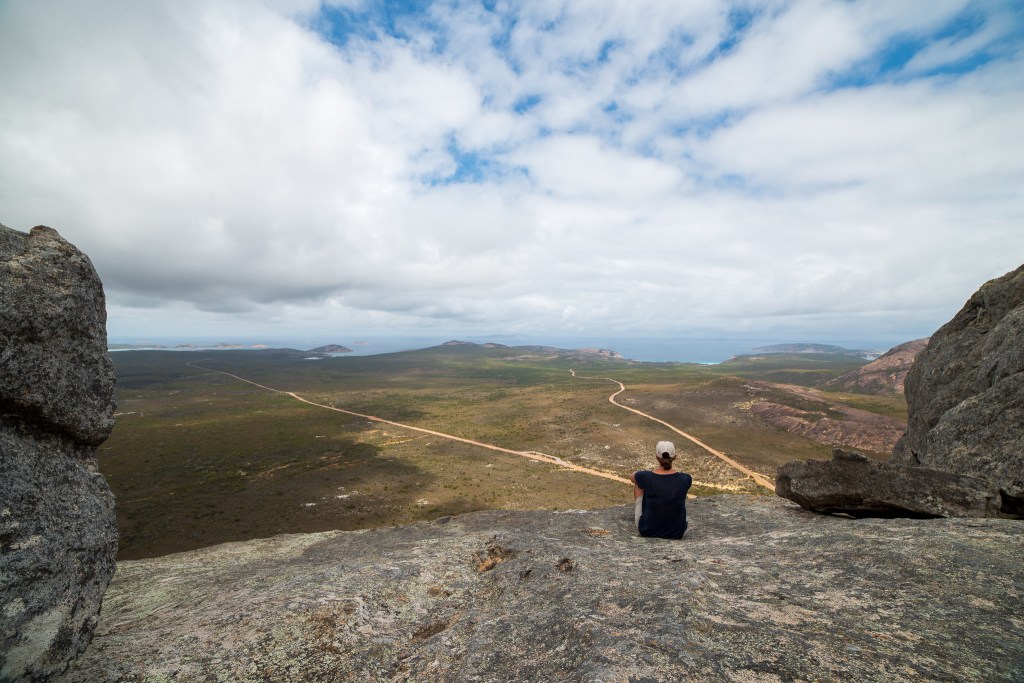
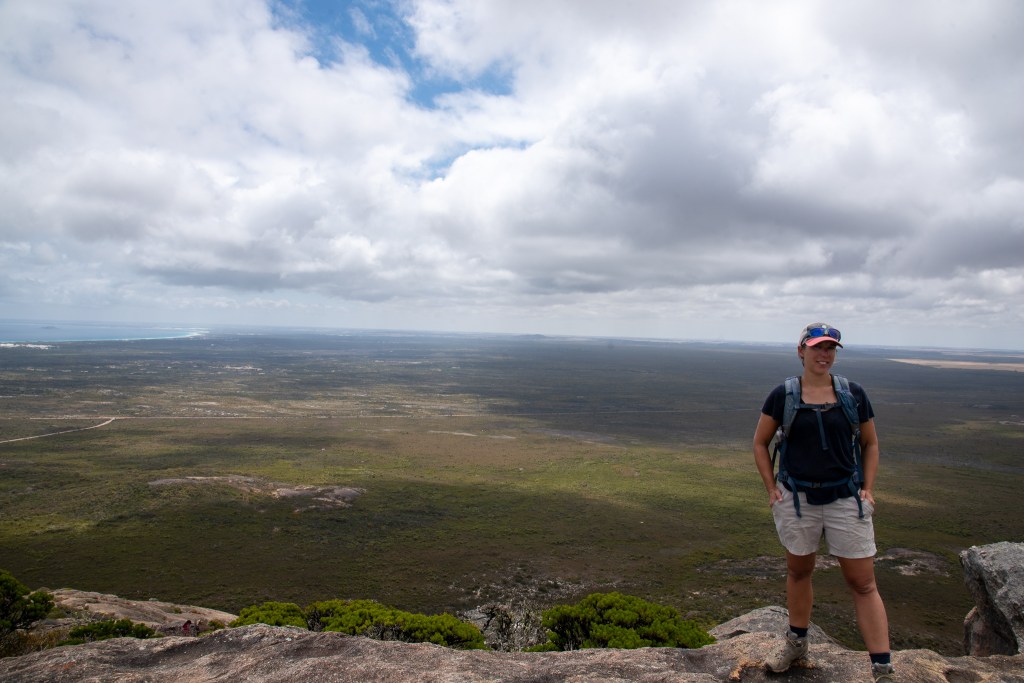
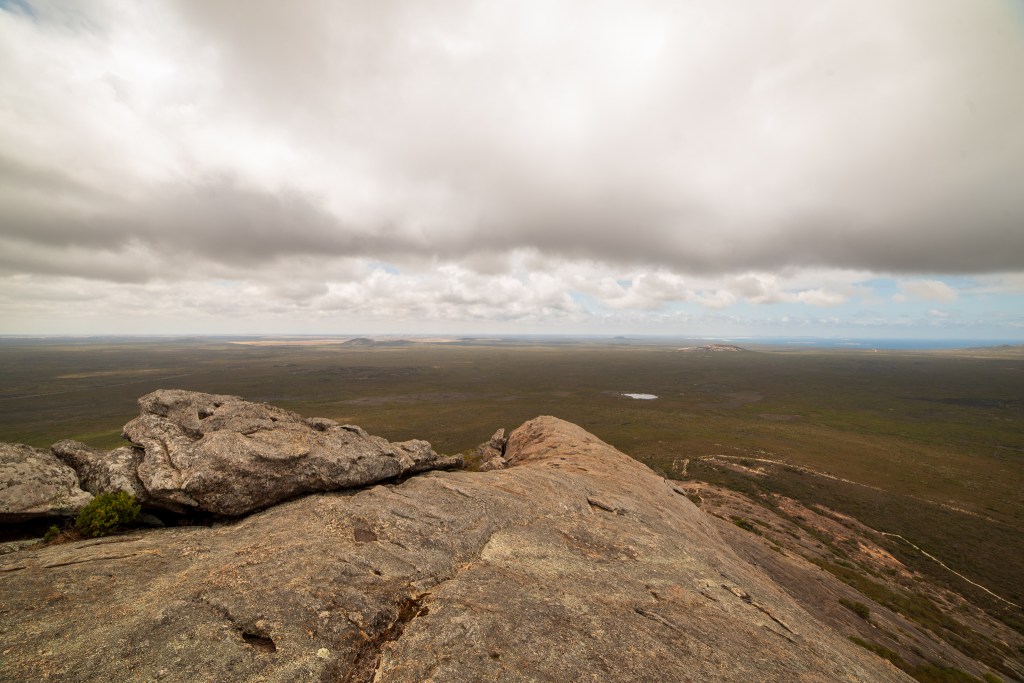
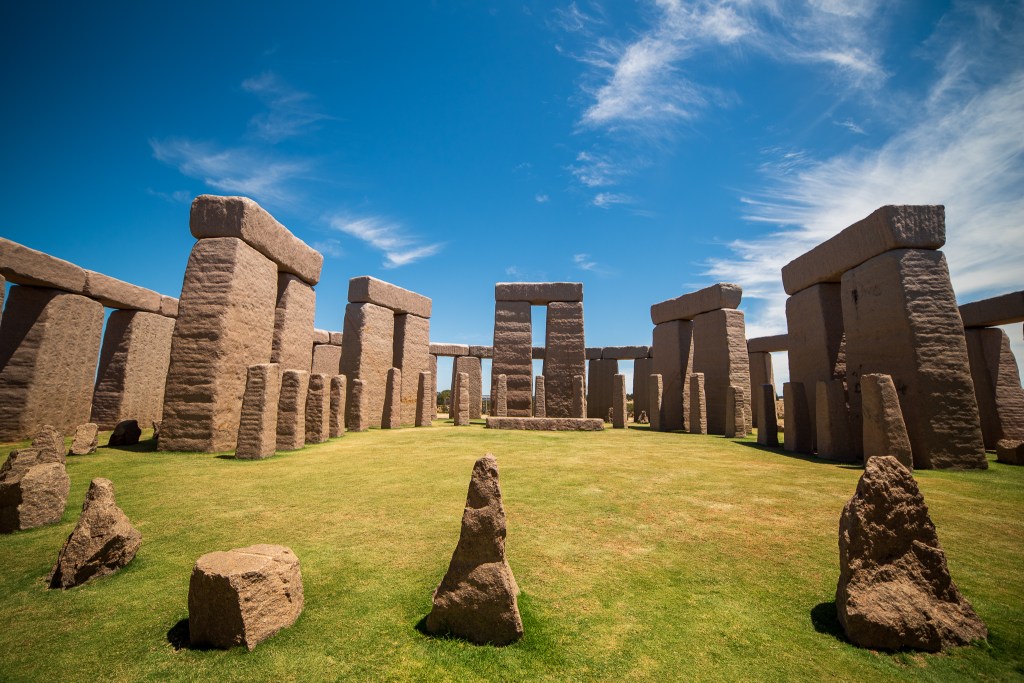
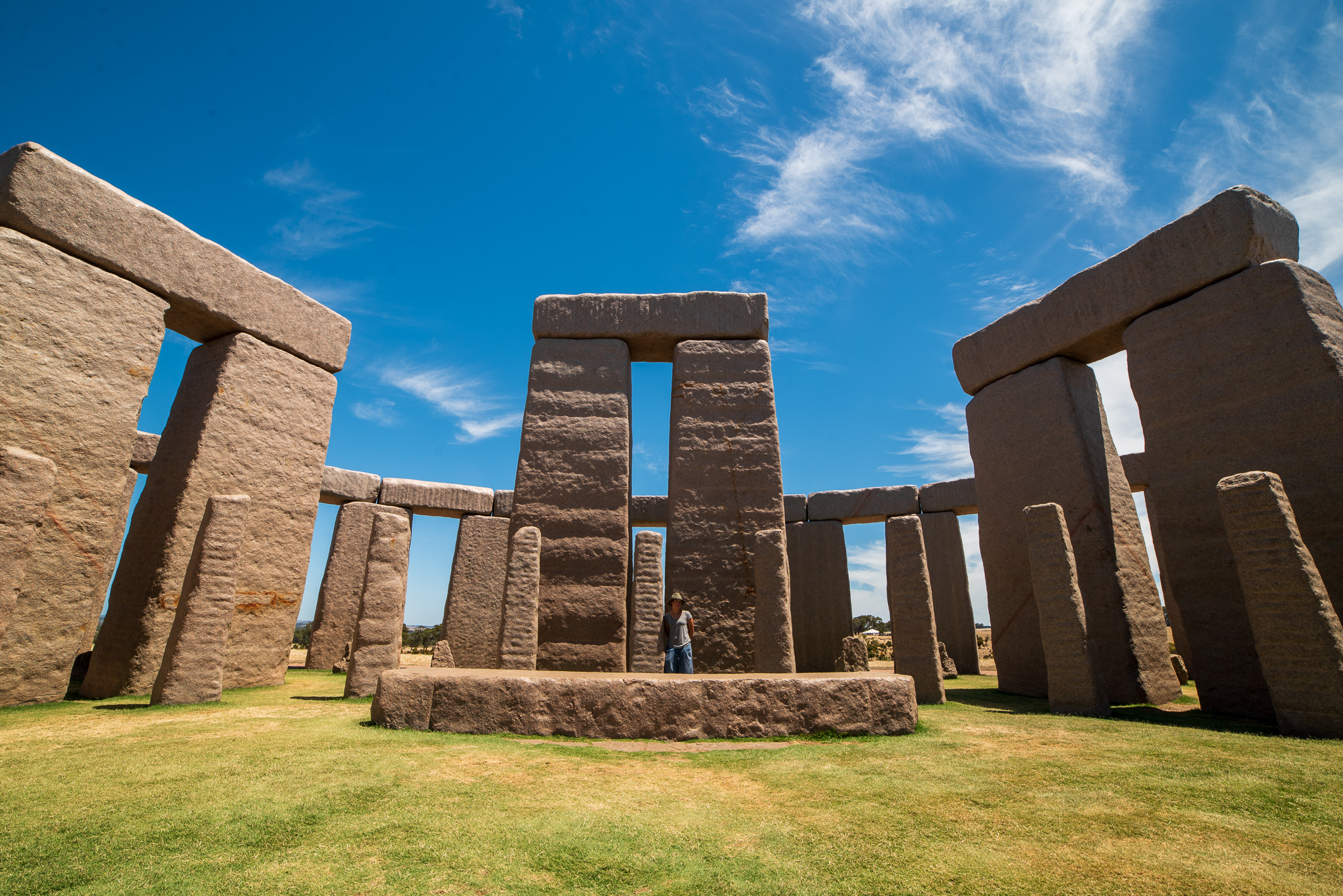
 Cool Change